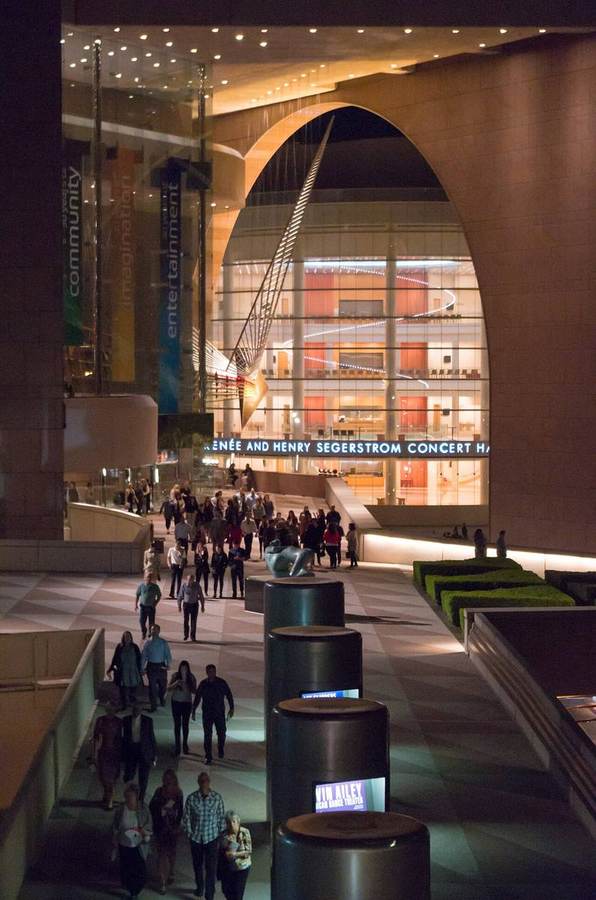
Costa Mesa calls itself the City of the Arts, and unlike most civic slogans, this one is earned. The Segerstrom Center for the Arts anchors a performing-arts district of national standing; South Coast Plaza is one of the highest-grossing malls in America; the OC Fairgrounds hosts the county's biggest annual party. But buyers don't move here for the brochure — they move here because Costa Mesa pairs that cultural density with a central coastal location, easy freeway access, and neighborhoods with genuine character.
Eastside vs. Westside: the fundamental divide
Costa Mesa's internal geography is defined by the 55 freeway. Eastside Costa Mesa — east of the 55, toward Irvine and the Back Bay — is the quieter, more residential side: established neighborhoods, highly regarded schools, larger lots, and a family-oriented calm. It is the premium segment, prized by buyers who want top schools and a suburban feel with cultural amenities minutes away.
Westside Costa Mesa — west of the 55, toward Newport Beach — is livelier and more eclectic: the SOBECA district's restaurants and shops, Mesa Verde's midcentury neighborhoods, College Park near Orange Coast College, and pockets of industrial-chic character. The Westside sits closer to the beach and Newport's job centers, with a younger, more urban energy. Prices generally run below the Eastside, making it the value play for buyers who want coastal proximity.
Choosing a side is the first decision, and it is genuinely about lifestyle: Eastside calm and schools vs. Westside energy and beach access. Tour both at different hours before deciding.
The arts, dining, and South Coast Metro
The Segerstrom Center brings Broadway tours, the Pacific Symphony, and world-class dance to the city's doorstep — a cultural amenity most suburbs can't offer at any price. South Coast Plaza and the surrounding South Coast Metro district (straddling the Costa Mesa–Santa Ana border) concentrate shopping, dining, and professional offices, plus a growing cluster of residential towers and condos for buyers who want an urban, walkable base.
The dining scene deserves special mention: Costa Mesa's restaurants — from the upscale rooms around South Coast Plaza to the casual corridors of the Westside — are a daily-life amenity, not a special-occasion one. For food-loving buyers, this is a real quality-of-life factor that compounds over years of ownership.
Orange Coast College adds a community-college anchor with continuing-education programming, and the OC Fairgrounds brings the annual fair plus year-round events. The city punches above its weight in things to do.
Commute: the 55, the 405, and the 73
Costa Mesa's freeway position is excellent. The 55 runs through the city to the 405 and the 5; the 405 skirts the northern edge toward Long Beach and LA; the 73 toll road heads south to Laguna Beach and the Irvine Spectrum area. John Wayne Airport is minutes away — one of the shortest airport commutes in the county.
That positioning serves the county's biggest employment clusters: the Irvine Spectrum and Jamboree corridor to the east, Newport Beach's professional core to the southwest, and the South Coast Metro district itself. For buyers working in any of these, Costa Mesa can cut the commute to minutes — a lifestyle upgrade that is hard to overvalue.
What to inspect in Costa Mesa's housing stock
Costa Mesa's homes run from 1950s–70s ranch and midcentury stock through 80s–90s tracts to newer infill and condos. The midcentury homes — especially in Mesa Verde — are prized for their architecture but need the era's checklist: original electrical, galvanized plumbing, and aging roofs. Eastside's larger-lot homes often come with mature landscaping and the maintenance that mature trees demand.
Condos and townhomes, common near South Coast Metro and the Westside corridors, require the standard HOA diligence: budgets, reserves, special assessments, and rental caps. And buyers near the airport should note flight-path noise — visit at different times of day, and check how the home's orientation and insulation handle it.
When inspections turn up issues, our guide to negotiating after a home inspection in California covers credits, repairs, and walk-away math.
How the buying process works here
Costa Mesa's market splits by side: Eastside family homes draw strong competition, especially those in sought-after school zones; Westside offers more variety and slightly more negotiating room, with condos and townhomes providing entry points. The South Coast Metro towers are their own micro-market — HOA-heavy, amenity-rich, and lifestyle-driven.
The standard California sequence applies throughout: pre-approval, tour, offer with contingencies, escrow, close. Budget for California closing costs beyond the down payment, and first-timers should read our first-time buyer guide for Orange County for the full sequence.
One Costa Mesa-specific note: school-zone boundaries matter enormously to Eastside pricing. Verify the assigned schools for the exact address — not the neighborhood's reputation — before you bid, because the premium follows the assignment.
Who wins — and who should keep looking
Costa Mesa rewards buyers who want culture and centrality: arts lovers, food lovers, professionals working the Irvine–Newport–airport triangle, and families seeking Eastside schools without going full suburb. It is one of the few OC cities where you can see a Broadway tour, eat at a destination restaurant, and be home in ten minutes.
It is a weaker fit for buyers seeking maximum quiet or the lowest prices — the city's desirability is priced in — or for those who want a beach address proper. Buyers torn between Costa Mesa and its coastal neighbor should compare buying a house in Newport Beach: the beach premium vs. Costa Mesa's cultural-central value. Different money, different life.
Frequently asked questions
What is the difference between Eastside and Westside Costa Mesa?
The 55 freeway divides them. Eastside is quieter, more residential, with highly regarded schools and larger lots — the premium family segment. Westside is livelier and more eclectic, closer to the beach and Newport, with the SOBECA dining corridor and Mesa Verde's midcentury neighborhoods — generally better value with a younger, more urban energy.
Is Costa Mesa a good place to buy a house?
For culture-and-centrality buyers, yes: the Segerstrom Center, South Coast Plaza, a standout dining scene, and excellent freeway access to Irvine, Newport, and the airport. Eastside suits school-focused families; Westside suits buyers wanting coastal proximity and energy at a relative discount.
How are the schools in Costa Mesa?
School quality varies by zone, and Eastside zones are among the most sought-after in the area — which is reflected in home prices. Always verify the assigned schools for the specific address rather than relying on neighborhood reputation, since boundaries determine both the school and the premium.
What should I inspect in a Costa Mesa home?
Midcentury homes: electrical, galvanized plumbing, roofs, and mature-tree maintenance. Condos near South Coast Metro: HOA financials, reserves, and rental caps. Near the airport: flight-path noise at different times of day. Standard termite and sewer-line checks apply across the city's older stock.
Thinking of buying or selling in Orange County?
Get a free, no-pressure consultation. Tell us what you are looking for and get a fast callback. Casa Blanca Realtors is our featured local pick for Orange County buyers (partner).
Get My Free ConsultationFree consultation · Fast callback · No pressure.
Sources and further reading
Consumer Financial Protection Bureau: home-buying resources · U.S. Department of Housing and Urban Development · California Department of Real Estate