Brewers Dodgers NLCS Game 1
The team that finished last in the National League in home runs beat the two-time defending champions with one historic swing — and a bullpen that refused to bend.
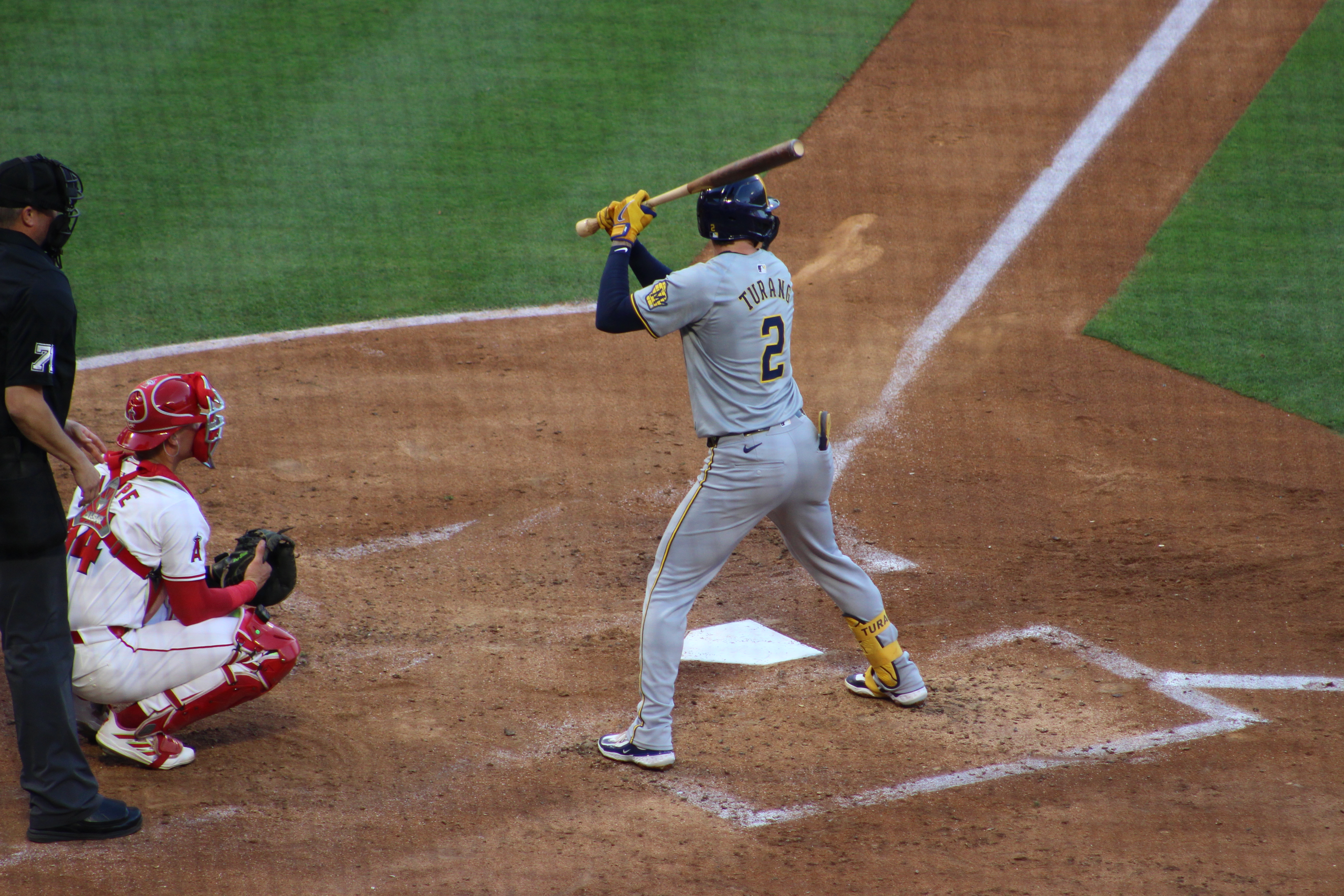
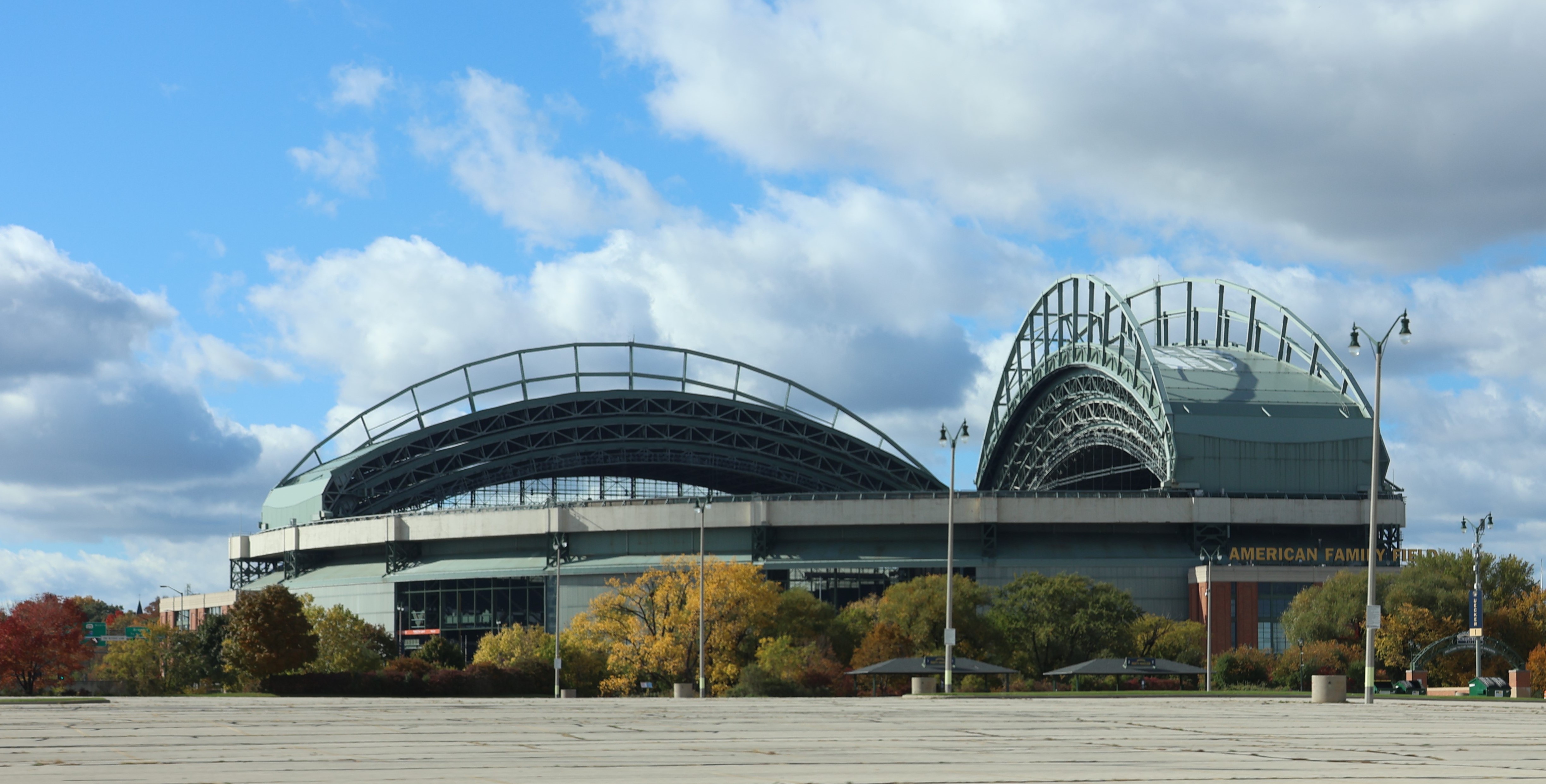
Brewers Dodgers NLCS Game 1 ended the way nobody in Los Angeles expected: the Milwaukee Brewers beat the Dodgers 2-1 on Sunday night at American Family Field, taking a 1-0 lead in the National League Championship Series on Brice Turang's solo home run and a bullpen shutout over the final 4 2/3 innings. It was Milwaukee's first postseason win over the Dodgers since Game 6 of the 2018 NLCS — and the first crack in the armor of a Los Angeles club chasing a third straight championship.
Why this matters
This was not just a win; it was a reversal of an entire narrative. For eight years the Dodgers have owned this matchup — a Game 7 win in 2018, a sweep in the 2020 wild-card round, another sweep in last year's NLCS. Milwaukee entered this series with baseball's best record at 103 wins, a franchise record, yet carrying the quiet label of a team built to be beautiful in the regular season and fragile in October. Sunday night's game said the opposite: the Brewers absorbed the Dodgers' best punch, watched their own young ace get knocked around the strike zone for 94 pitches in 4 1/3 innings, and still found the formula that has defined them all year — manufacturing runs, catching everything, and handing the ball to a bullpen that simply does not give games away.
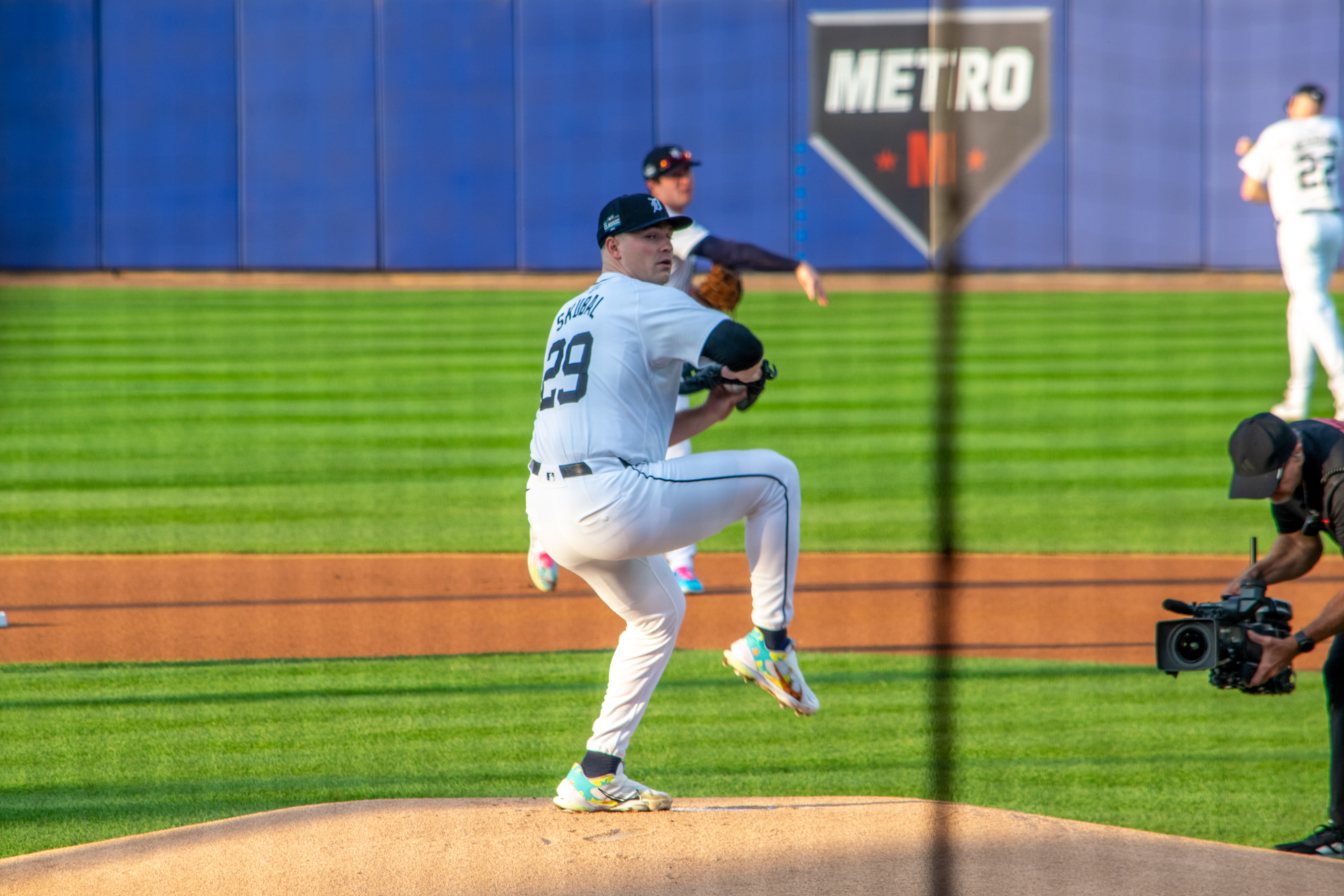
It also matters because of who stood on the mound for Los Angeles. Tarik Skubal, the two-time American League Cy Young winner, was the trade-deadline prize the Dodgers beat Milwaukee to land — the Brewers were pursuing him too, while also chasing him from Detroit. The symbolism of Turang, a contact-first second baseman from the team that finished dead last in the NL in home runs, going deep on Skubal's inside-corner heat is almost too neat. But it happened, and it was, by the Statcast-era record books, nearly impossible.
How Game 1 was won
The Dodgers struck first, and for a moment the script looked familiar. In the second inning, Shohei Ohtani drew a leadoff walk off Jacob Misiorowski, Teoscar Hernández singled, and after Max Muncy struck out, Andy Pages lined an RBI single to right to score Ohtani. Kyle Tucker walked to load the bases with one out. Then Enrique Hernández bounced into an inning-ending double play — the first of three twin killings the Dodgers would ground into on the night, and the moment the game quietly turned.
Misiorowski, the NL Cy Young favorite, was never comfortable. Los Angeles fouled off 21 of his 94 pitches, 44 of them at 100 mph or higher, grinding him the way great lineups grind young power pitchers. The Dodgers' stated plan was to run up his pitch count, and manager Dave Roberts said afterward the approach worked as designed. But damage is what counts, and Misiorowski limited it to one run over 4 1/3 innings on five hits and three walks with five strikeouts — escaping a bases-loaded jam in a 35-pitch second inning that could have buried Milwaukee early.
Turang's swing, measured against history
The swing that decided the game came leading off the bottom of the fourth. Skubal had cruised through three innings — one hit, six strikeouts — looking every bit the deadline prize. Then Turang took a 2-0 sinker on the inside corner, lefty against lefty, and drove it 384 feet to left-center. It tied the game 1-1, and the numbers behind it are startling: according to the Milwaukee Journal-Sentinel's Curt Hogg, it was only the third opposite-field home run on an inside-corner lefty-versus-lefty sinker in the entire Statcast era — and the first on a pitch thrown 95 mph or harder.
Think about what that means. A left-handed hitter is supposed to be tied up by an inside-corner sinker from a left-hander throwing that hard; the pitch is designed to break in on the hands and produce weak contact. Turang not only got to it, he sent it to the opposite field with authority. That is not luck — it is elite bat control meeting a mistake that barely registered as one.
Milwaukee's small-ball winner
The go-ahead run was pure Brewers. In the fifth, Garrett Mitchell walked to open the inning, advanced on Cooper Pratt's sacrifice bunt, and scored on rookie Luis Lara's single to center. A walk, a bunt, a single — the kind of inning a team that finished last in the NL in homers has to manufacture, and did, against one of the best pitchers on the planet. Skubal, undone by a 25-pitch fifth, was out of the game after five innings: two runs, five hits, two walks, seven strikeouts — his shortest postseason start in eight tries.
The bullpen finishes what the rookie started
When Misiorowski departed in the fifth, DL Hall entered with a runner aboard and immediately induced Freddie Freeman into a double play — the play that sent a charge through the crowd of 42,617 and earned Hall the win. Abner Uribe struck out Pages with runners on the corners in the sixth. Aaron Ashby handled two scoreless innings. Then Trevor Megill made the ninth interesting, walking Tucker and pinch-hitter Josue De Paula with two outs, before Mookie Betts flied to the warning track in center to end it.
The final line for the Milwaukee bullpen: 4 2/3 scoreless innings. The Dodgers, for all their grinding, managed two hits against four relievers, went 1-for-6 with runners in scoring position, and did not record a hit after the sixth inning. This is the bet Milwaukee has made all season — that a deep, interchangeable bullpen beats star power in October — and Game 1 was the thesis statement.
By the numbers
The box score tells a story of controlled damage. Milwaukee won despite being outhit 7-6; the Dodgers stranded nine runners and grounded into three double plays. Los Angeles is now 2-for-22 with runners in scoring position in the postseason — a cold streak for a lineup built to punish mistakes. Meanwhile, Milwaukee's bullpen has now allowed one earned run over 23 2/3 postseason innings, a figure that reframes every remaining game: if the Brewers get five competitive innings from a starter, the game is effectively six innings long.
The historical frame sharpens the result. This was the first NLCS matchup of 100-win teams since the 1976 Reds and Phillies — a genuine heavyweight fight. Milwaukee's 103 wins were a franchise record and the best mark in baseball. And per the Brewers' own accounting, they scored more runs in this one game than in any single game of last year's NLCS sweep. The gap between last October and this one is not subtle.
Background: eight years of Dodgers dominance
To feel the weight of one October win, rewind. In 2018 these teams met in the NLCS and the Dodgers won in seven. In 2020, Los Angeles swept Milwaukee in the wild-card round on the way to a title. In 2025, the Dodgers swept the Brewers in the NLCS and went on to win their second straight World Series. Before Sunday, Milwaukee had lost seven consecutive postseason games to Los Angeles. The Brewers' only World Series appearance remains 1982, when they were still an American League club — they are one of five current franchises that have never won it all.
That is why manager Pat Murphy's postgame praise of his young ace landed the way it did. Misiorowski did not have his best stuff — the Dodgers made sure of that — but as Murphy put it, whenever the rookie got in a jam, he got better. In October, against this opponent, that is the whole job.
Who gains, who loses — and what the analysts say
The winners are clear: a Milwaukee clubhouse that can now play the rest of the series without the weight of history, a bullpen whose legend grows with every scoreless frame, and a fan base that watched its team beat the defending champions at their own game — pitching and defense. The losers are the Dodgers' margin for error, which is now gone, and perhaps the aura of inevitability around a club chasing the first three-peat since the 1998-2000 Yankees. Roberts was honest about it: against the best record in baseball, you cannot expect to just win four.
The analysts' split is really a question about sample size. One game is one game — the Dodgers' process was arguably sound: they drove up Misiorowski's pitch count exactly as planned, put runners on in six of nine innings, and lost because of three double plays and a warning-track fly ball. Run the same game ten times and Los Angeles probably wins six. But October does not offer ten trials, and Milwaukee's formula — keep it close, then let the bullpen end it — is specifically engineered to win the close ones. All five of the Brewers' postseason games this year have seen neither team lead by more than two runs. This is not an accident; it is the design.
What happens next: Game 2 tonight and the road ahead
Game 2 is tonight, Monday, at 5 p.m. ET in Milwaukee on Fox and FS1, with Yoshinobu Yamamoto starting for the Dodgers against Logan Henderson for the Brewers. If Milwaukee takes a 2-0 lead before the series shifts to Los Angeles for Game 3 on Wednesday, the Dodgers' three-peat bid goes from coronation watch to genuine peril — no team wants to face elimination math against a bullpen like this one. If the Dodgers even it, Game 1 becomes a footnote in a long series, which is exactly how Roberts framed it: reset and go.
The World Series begins Friday, October 23, on FOX. Three wins stand between Milwaukee and its first Fall Classic in 44 years. After Sunday night, that number feels smaller than it did a week ago — and the Dodgers know it.
Related coverage
Sources
- MLB Trade Rumors — The Opener: Turang, Misiorowski, Griffin (October 12, 2026)
- Reuters — Brice Turang homers, Brewers edge Dodgers in NLCS opener (October 12, 2026)
- Associated Press (via NBC Sports) — Turang homers and Milwaukee's bullpen delivers as the Brewers beat the Dodgers 2-1 in NLCS opener (October 11, 2026)
- Milwaukee Journal-Sentinel — Lara, bullpen deliver as Brewers top Dodgers, 2-1, in NLCS opener (October 11, 2026)