Brewers Padres NLDS Game 2
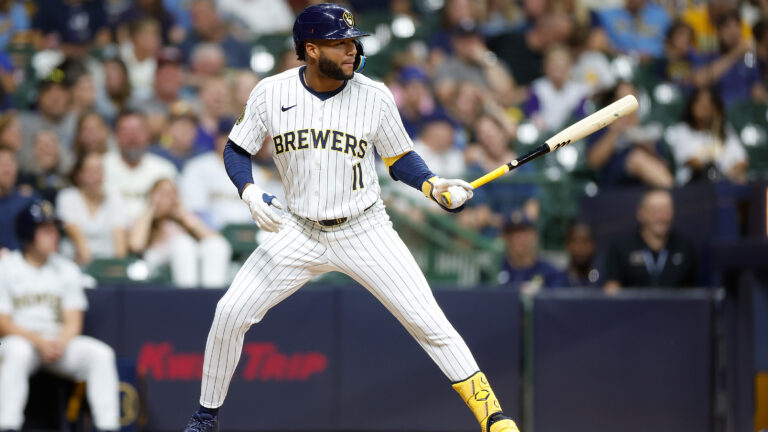
Two outs. Bases loaded. Milwaukee trailed 3-2 in the bottom of the ninth at American Family Field. The best-of-five National League Division Series was one swing from being tied. San Diego closer Mason Miller had already shown Jackson Chourio the game's most intimidating weapon: fastballs at 100, 102 and 104 mph.
Chourio, 22, did not overpower that velocity. He survived it. At 2-2 he watched a hanging slider stay low rather than chasing the pitch that would have ended the game. Miller returned to the fastball at 101.3 mph, and Chourio lined it through the middle. Christian Yelich scored. Sal Frelick followed him. The Milwaukee Brewers beat the San Diego Padres 4-3 on Sunday, October 4, and seized a 2-0 series lead.
The ending was extraordinary because of who delivered it and who failed to stop it. Miller had become October's most overpowering closer, with an MLB-record 12 strikeouts among his first 15 batters faced this postseason. The Padres carried a 98% win probability into the ninth, according to the New York Post's game account. Three walks and one line drive later, the series had tilted toward Milwaukee.
The ninth inning, pitch by pitch
Miller's six-out save gamble worked — until it didn't
San Diego manager's choice was aggressive but understandable. Miller had retired Milwaukee in order in the eighth, and asking him for the ninth made this only the second two-inning save attempt of his career and his first since 2024. A closer with that strikeout record had given the Padres every reason to believe six outs were available.
The ninth began with another good result: Garrett Mitchell grounded out. Then the command disappeared. Miller walked Yelich, and the veteran stole second to force San Diego to account for him. Miller walked Frelick. Pinch-hitter Gary Sánchez drew a third consecutive walk, loading the bases and turning a clean one-run lead into a confrontation with nowhere to put Chourio. The Milwaukee Journal Sentinel's breakdown captured the sequence that made the final pitch possible.
100, 102, 104 — then the pitch Chourio refused
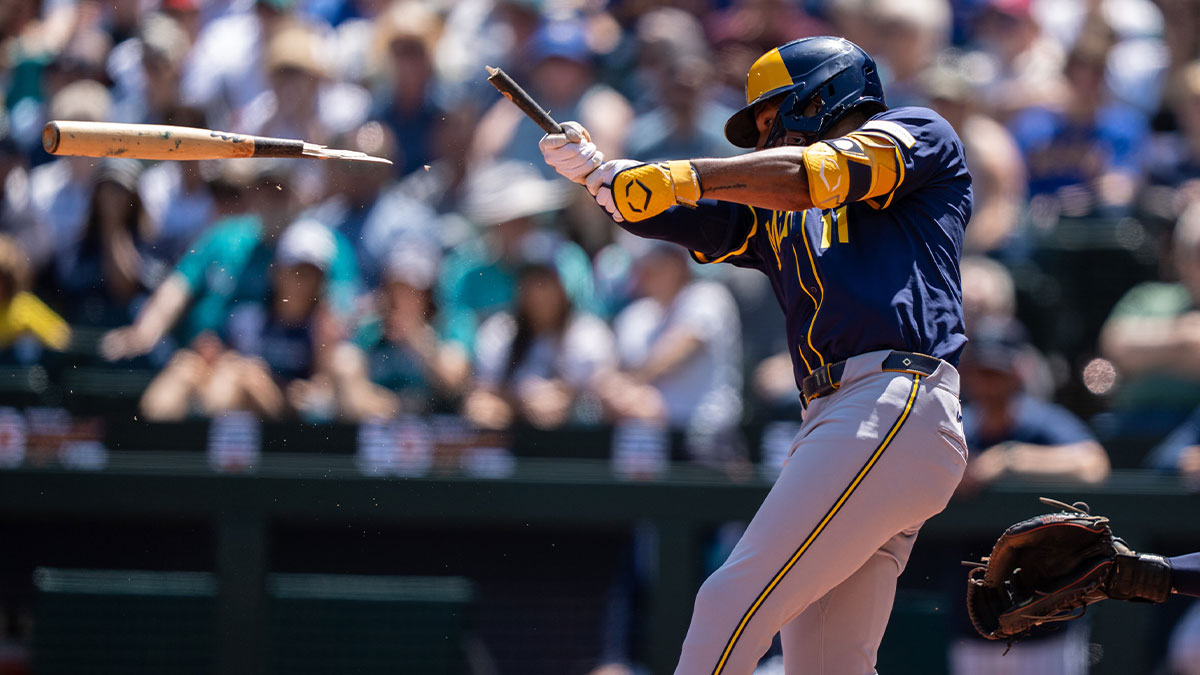
Miller's first three fastballs arrived at 100, 102 and 104 mph. Chourio was not seeing a normal late-inning at-bat; he was trying to time a pitch delivered at the outer edge of human reaction. Yet the most important decision was not a swing. At 2-2, Miller offered a slider that hung low enough to tempt a hitter desperate to protect. Chourio laid off.
That take forced one more pitch. Miller chose 101.3 mph heat through the hitting zone. Chourio's compact path sent it back through the middle, beyond the infield and into the outfield. Yelich crossed with the tying run; Frelick came home with the winner. Sports Illustrated reported the at-bat and the unusual two-inning assignment; USA Today placed it inside Milwaukee's postseason history.
Why this matters: the closer's aura met Milwaukee's refusal
Twelve strikeouts in 15 batters could not protect a one-run lead
Miller's postseason line entering the ninth had the shape of invincibility: 12 strikeouts among 15 batters, an MLB record. That kind of dominance changes how an opponent approaches an inning. Hitters may start trying to beat velocity before it arrives, expanding the zone or shortening at-bats out of fear that the next pitch will be even faster.
Milwaukee beat the aura before Chourio beat the fastball. Three consecutive walks forced Miller to labor in the strike zone. Yelich's steal added movement and pressure. Chourio then made the night's defining judgment by not offering at the slider. This was not a lucky flare against an unhittable arm; it was a disciplined inning that turned Miller's greatest advantage — the expectation that hitters had to rush — against him.
The 98% win-probability reversal measures how rare the comeback looked at the start of the ninth, not what the teams are guaranteed to do next. But it also clarifies why the loss will sting San Diego. Milwaukee did not merely rally against a middle reliever. It erased a lead after the Padres had placed the game in the hands of the pitcher best equipped to close it.
Yelich described the Brewers' identity after the game: “We believe in ourselves. We believe in our team... We've been doing it all year, just being tough and finding ways to get the job done. Nobody cares who it is, who gets it done.” It was Milwaukee's second comeback win in two games after San Diego had scored the first two runs in the series opener as well.
How Game 2 reached the ninth — and why it joins Brewers history
San Diego built the lead; Milwaukee kept taking pieces back
The Padres struck in the first when Ty France singled home Manny Machado. Luis Campusano scored in the fifth on Cooper Pratt's throwing error, stretching San Diego's advantage to 2-0. Milwaukee answered in the bottom half when Frelick singled home Yelich. A Padres error in the seventh helped the Brewers make it 3-2, leaving the game close enough for one final rally.
Brewers starter Logan Henderson gave Milwaukee five innings on 72 pitches, allowing two hits and two runs, one earned, with three walks and four strikeouts. JoJo Romero, Abner Uribe, Aaron Ashby and Trevor Megill carried the game through the late innings, with Megill credited with the win. The full scoring and pitching lines were reported by FOX6 Milwaukee and TMJ4.
The third postseason walk-off in franchise history
Chourio's single became only the third postseason walk-off win in Brewers history, and all three came at home. Nyjer Morgan delivered the first in the 10th inning of 2011 NLDS Game 5 against Arizona, scoring Carlos Gomez. Mike Moustakas produced the second in the 10th inning of 2018 NLDS Game 1 against Colorado. Morgan was in the ballpark Sunday when Chourio added the third.
The larger history carries an unfinished edge. Milwaukee reached the NLCS last fall for the first time since 2018, then was swept by the Los Angeles Dodgers. A 2-0 lead does not erase that ending. It does put the Brewers one win from another chance to move beyond it. For a comparison elsewhere in the bracket, read our analysis of Atlanta's decisive Game 3 win over Philadelphia.
Two teams, one tactical decision and very different flights west
The Padres must separate a painful finish from a defensible plan
San Diego has lost two games after leading, and Game 2 is the harder one to absorb because it was controlled so late. The temptation will be to treat the six-out save attempt as the entire explanation. That would be too simple. Miller's clean eighth showed why the choice was made, and his strikeout record showed why the manager trusted him. The problem was not the idea in isolation; it was the point at which three consecutive walks stopped being a blip and became the inning.
The second-guessing is therefore tactical rather than moral. Should the Padres have had a quicker exit plan once Miller lost the zone? Would any alternative reliever have offered a better matchup with the bases loaded? There is no counterfactual box score. What is knowable is that the extra inning pushed Miller into a rare workload and that command, not contact quality, created the crisis.
San Diego's season now depends on containing the emotional damage. “Two gut-punches” may describe the results, but clubhouse psychology cannot be measured from outside. The practical task is simpler: win Game 3 at home, restore the bullpen's shape and force Milwaukee to make another high-leverage decision.
The Padres' path to October began with a late-season surge over the Dodgers; our earlier report traces San Diego's climb to the top NL wild-card position. That run is context for why this roster should not be reduced to one blown ninth.
For the Brewers, Yelich remains the veteran hinge
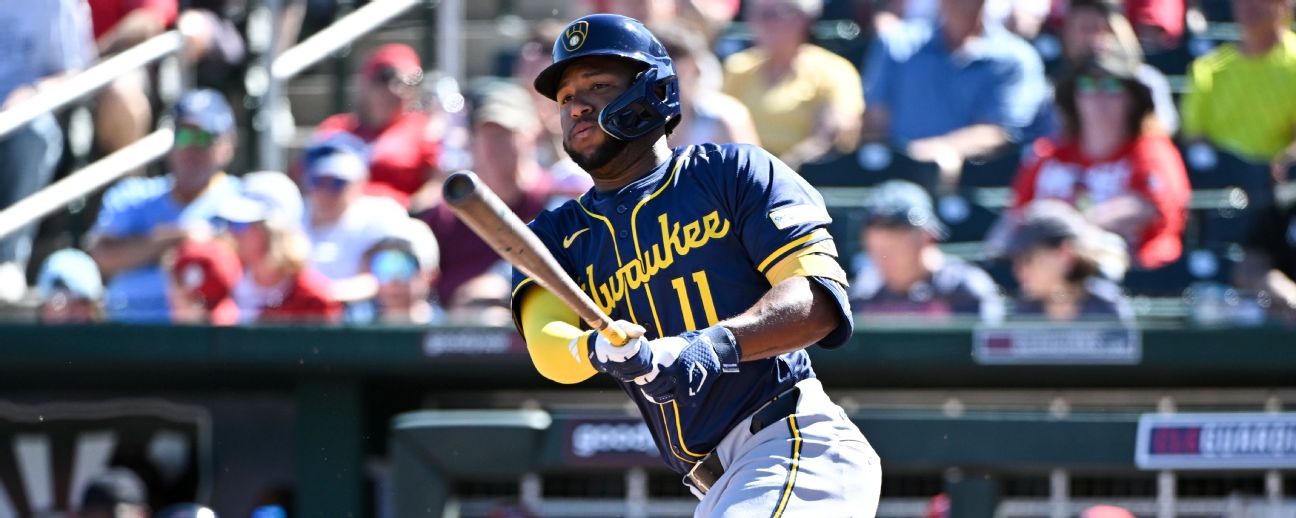
Chourio owns the highlight, but Yelich started the rally and accelerated it. His walk gave the inning life; his steal changed the geometry; his run tied the game. Frelick followed with the walk and scored the winner. Sánchez contributed from the bench. The construction matched Yelich's quote: the Brewers did not care who supplied each piece.
Manager Pat Murphy called it “One of the favorite games I've been a part of. Just happy for the club, happy for the city, that they got to witness something so special.” The city did not witness a perfect game. It witnessed a team remain close enough for discipline, speed and one clean swing to become decisive.
Brewers Padres NLDS Game 2 by the numbers
| Number | Context | Why it matters |
|---|---|---|
| 100 / 102 / 104 mph | Miller's first three fastballs to Chourio | Chourio adjusted against elite velocity before winning the at-bat. |
| 101.3 mph | The decisive fastball | Chourio lined it through the middle for a two-run walk-off single. |
| 12 K in 15 batters | Miller's first 15 postseason batters | An MLB record that defined the closer's dominance before the ninth. |
| 3 walks | Yelich, Frelick and Sánchez in the ninth | The plate-discipline chain that loaded the bases for Chourio. |
| 98% | Padres' win probability entering the ninth | A measure of how improbable the reversal was, not a forecast of the series. |
| 72 pitches | Henderson over five innings | Milwaukee's starter kept the game within reach despite the early deficit. |
| 2-0 | Brewers' lead in a best-of-five | Milwaukee needs one more win; San Diego must win three straight. |
| 3 | Brewers postseason walk-offs, all at home | Chourio joined Morgan in 2011 and Moustakas in 2018. |
What happens next in NLDS Game 3
Milwaukee can close; San Diego must begin a three-win climb
Game 3 is Tuesday, October 6, at Petco Park in San Diego, with first pitch scheduled for 9:30 p.m. ET on FS1. Dustin May is the probable starter for Milwaukee, with Nick Pivetta expected for San Diego, according to USA Today's schedule listing.
The scenario is stark. A Brewers win sends Milwaukee to a second consecutive NLCS. A Padres win extends the series and begins the only available route back: three straight victories. Neither outcome is guaranteed by Sunday's drama. The Brewers must turn emotion into another complete game, while the Padres must prove that two blown leads did not take the series with them.
Miller's availability and role will be watched after the two-inning attempt, but no decision should be assumed before San Diego announces it. The more immediate matchup is between May and Pivetta, and between two lineups carrying opposite memories of the same ninth inning. October can change again in one pitch. Game 2's lesson is that the pitch still has to be taken, timed and hit.
Sources
- USA Today — final score, franchise walk-off history and Game 3 schedule.
- New York Post — pitch velocities, Miller's postseason strikeout record and win-probability context.
- Sports Illustrated — ninth-inning sequence and Miller's two-inning save attempt.
- Milwaukee Journal Sentinel — ninth-inning breakdown and postgame quotes.
- FOX6 Milwaukee — scoring sequence and pitching lines.
- TMJ4 — game flow and bullpen details.
Reporting note: Game facts and quotations are attributed to the linked reports. Tactical judgments and scenario framing are Signal Post News analysis. All three photographs are clearly labeled context/file images and do not depict the October 4, 2026 game.