The Green Party racist party declaration that Britain’s Jewish leadership had been moving towards for three weeks landed on Sunday with almost no dissent. At its October plenary meeting, the Board of Deputies of British Jews voted 118 to 1 to declare that the Green Party of England and Wales has, in its words, “by adopting an antisemitic platform, become a racist party” — and resolved to treat it as it has treated other racist parties. The trigger was the Greens’ conference decision earlier this month to adopt a policy branding Zionism as racism. The Board urged every other political party to refuse coalition agreements with the Greens unless they change course, a call that lands on top of an ultimatum Labour has already issued to the local Green groups it shares power with: disown the policy, or lose Labour’s support.
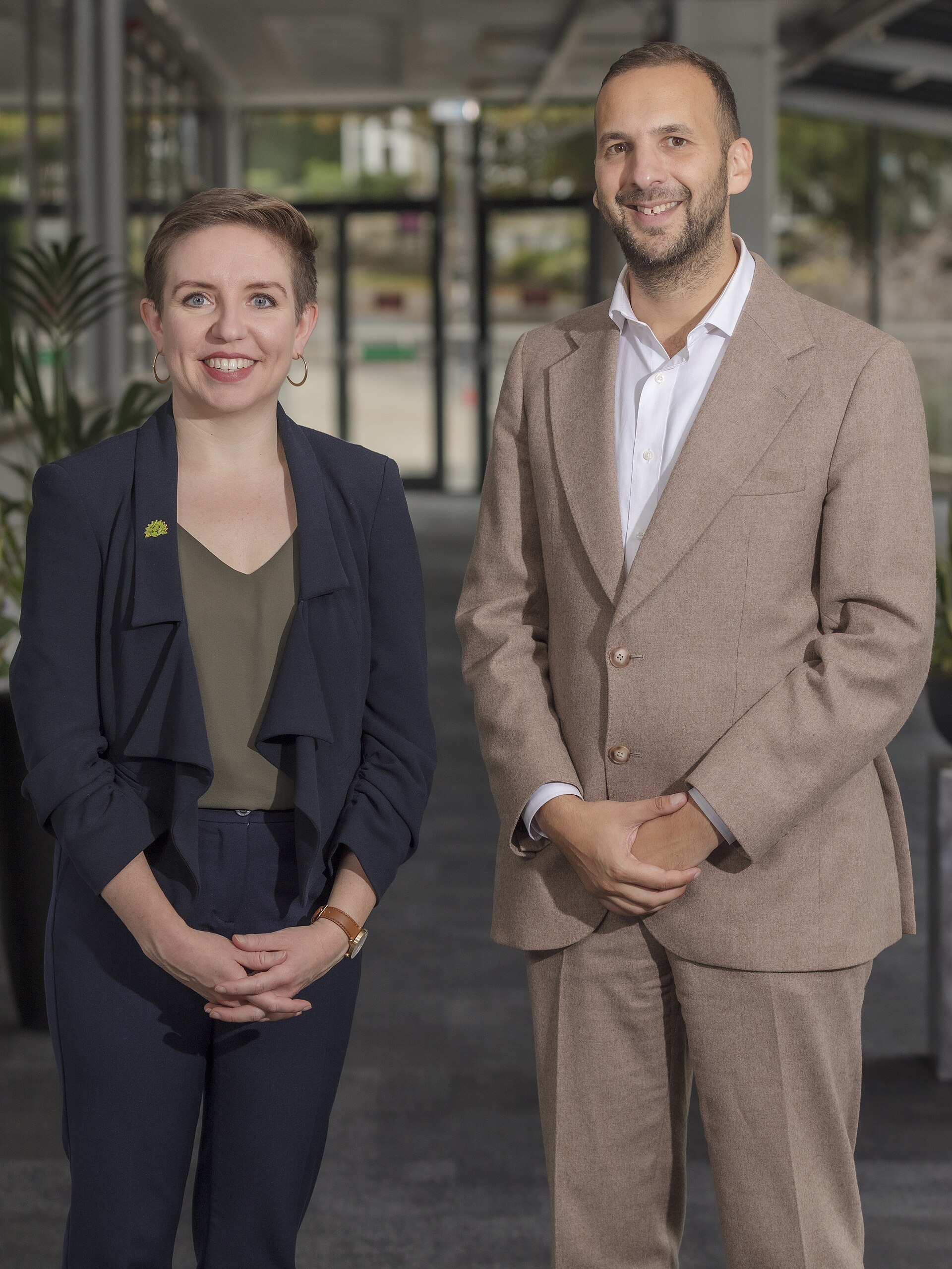
Board president Phil Rosenberg set out the reasoning in uncompromising terms. “No political party has the right to tell Jews that a central part of our identity, rooted in thousands of years of history, faith and peoplehood, is racist,” he said. “The Green Party’s policy brands much of our community, including our synagogues and communal organisations, with that slur. It gives prejudice against Jews a political licence.” The Board, the UK’s most representative Jewish communal body, draws its 309 deputies and 32 under-35 observers from synagogues and communal organisations across 201 constituencies. Its motion warned that forming coalition deals with the Greens at local or national level would amount to “failing to take antisemitism with the requisite seriousness” — unless local Green leaders reject the policy and commit to overturning it.
What the Green Party actually voted for
The policy at the centre of the storm was passed at the Greens’ autumn conference in Brighton earlier this month by 1,022 votes to 813. It declares the party anti-Zionist, treats Zionism as a form of racism in the party’s internal processes, and supports a single democratic Palestinian state in all of historic Palestine. In the motion’s own wording, Zionism is described as an ideology supporting “an ethnonationalist Jewish state in historic Palestine to the exclusion and/or domination of the non-Jewish population.” Supporters of the motion, organised through Greens for Palestine, argue it is a political position against the displacement of Palestinians, not a judgement on Jewish people. The motion was opposed from inside the party’s own senior ranks: four of its five MPs and two former leaders publicly criticised it, and an attempt to add a clause stating the policy should not be used to pressure or discipline members over their affiliation to synagogues or other Jewish groups was voted down.
Leader Zack Polanski, who is Jewish, did not vote. He left the conference early to campaign in the Holborn and St Pancras by-election, held days later, which he lost to Labour — a defeat our earlier report on Labour holding Holborn and St Pancras examined in detail, including the pressure the Zionism motion added to his campaign. Since then Polanski has said he would like to amend the policy at the first available opportunity — he has spoken of moving away from the single-state position towards letting Israelis and Palestinians decide their own future — but that he will not try to overturn a decision his members have taken. Under party rules the policy stands until 2028.
The Green Party’s answer
The Greens reject the Board’s characterisation outright. A party spokesman said the Green Party “does not discriminate against or exclude people for holding Zionist views,” and that the conference motion “sets out political opposition to the ethnic cleansing and displacement of the Palestinian people.” The spokesman added: “We reject the Board of Deputies’ characterisation of this motion and our party, which will not stop us from speaking out against the genocide in Gaza and pushing for stronger sanctions against the Israeli government and its leaders.” Israel has repeatedly denied that its actions in Gaza amount to genocide. When the motion first passed, the Board and the Jewish Leadership Council issued a joint response arguing the opposite framing: that “Zionism is anti-racism, creating a refuge for Jews in their ancient homeland after millennia of persecution outside it.” Chief Rabbi Ephraim Mirvis condemned the conference motion at the time as “poisonous antisemitism.” Both sides, in other words, claim the anti-racist mantle — and each describes the other’s position as the discriminatory one. That is the argument Britain is now having, party by party and council by council.
Why this matters
A declaration like Sunday’s is not a legal ruling, and the Board has no power to sanction a political party. Its force is practical and reputational, and it works through three channels at once. The first is coalition arithmetic. The Greens hold seats and share power in councils across England, frequently alongside Labour. Labour has already told those local groups to disown the motion or lose its support; the Board’s resolution now gives that ultimatum communal backing and extends the same test to every other party, while explicitly offering support to Green representatives who publicly repudiate the policy and campaign to reverse it. Some local Green groups have already broken ranks and rejected the motion. Each council that wobbles is a governing arrangement, a budget and a set of services attached to a conference vote taken by fewer than two thousand people in Brighton.
The second channel is the precedent the Board is consciously invoking. To say it will treat the Greens “as it has treated other racist parties” is to place a party with MPs, hundreds of councillors and a growing vote share into the category historically reserved for the far-right fringe — the National Front and the BNP are the comparisons the Board’s own supporters draw. Whether voters accept that categorisation is a different question: polling taken after the conference suggested the row has already cost Polanski personally, and the Greens lost the Holborn by-election the motion overshadowed. But ostracism campaigns in British politics have a mixed record; they can shrink a party’s coalition options while hardening its core vote, which increasingly defines itself against the institutions doing the ostracising.
The third channel is the definition fight underneath everything. For the Board, Zionism — belief in Jewish national self-determination — is a central element of most British Jews’ identity, so declaring it racist necessarily brands those Jews, their synagogues and their communal organisations. For the motion’s supporters, Zionism is a political ideology that can be criticised like any other, and treating that criticism as antisemitism shuts down debate about Palestinian rights. Those two premises cannot both be operationalised in the same party rulebook, the same council chamber or the same complaints process — which is why a wording dispute inside one party has become a test for how British institutions handle the line between political speech and racial identity across the board.
What happens next
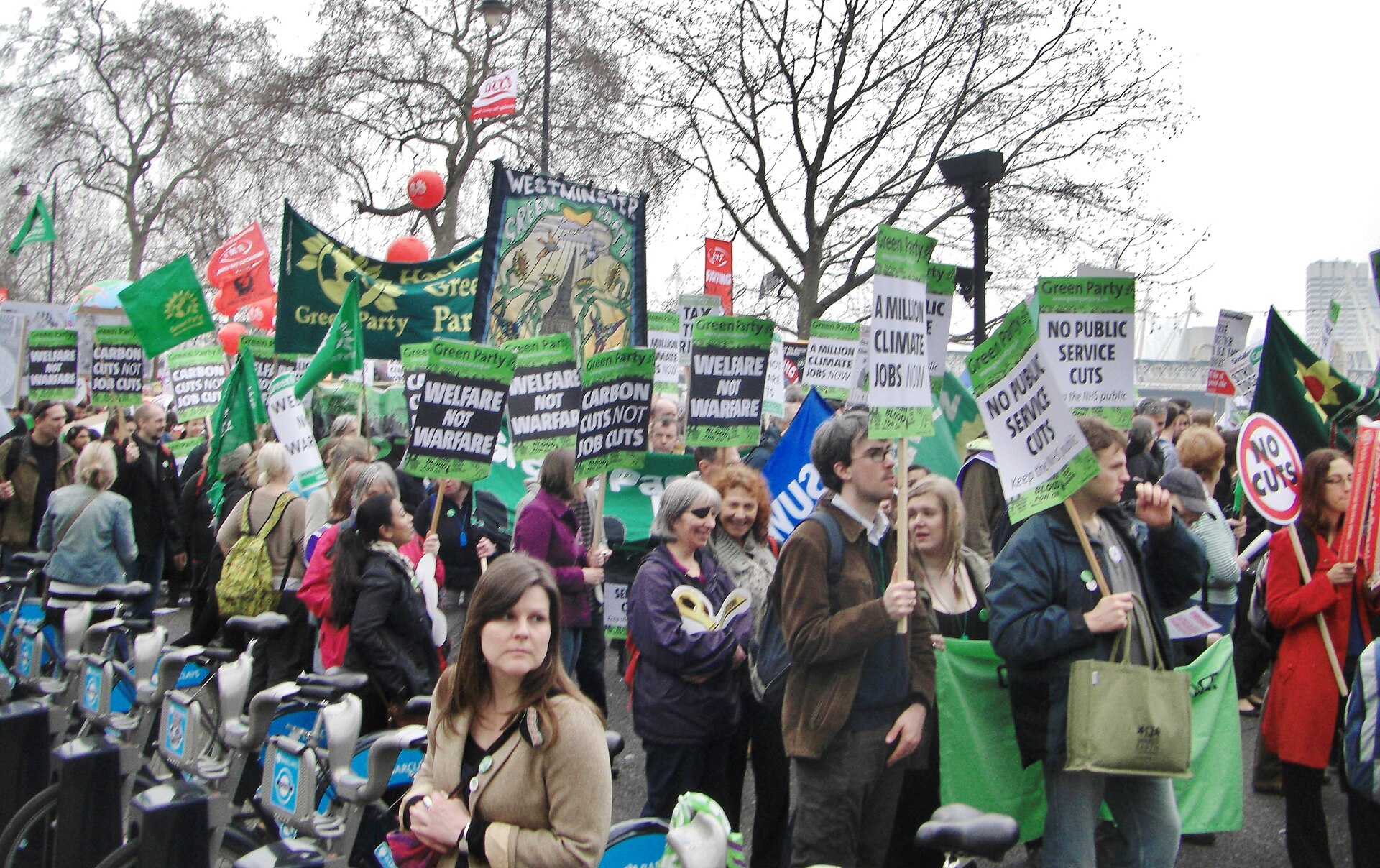
The immediate battleground is local. Watch the councils where Labour and the Greens share power: each group now has to choose between its national party’s conference policy and its governing partner’s ultimatum, and more local Green groups are expected to follow the ones that have already disowned the motion. Nationally, the question is whether any party formally adopts the Board’s firewall — refusing all deals with the Greens — or whether Labour’s narrower, local-level test becomes the template. Inside the Greens, pressure will build on Polanski from both directions: MPs and former leaders who want the policy revisited far sooner than 2028, and the conference majority that passed it and will see any early reversal as a leadership coup against the members. Polanski’s stated path — amend at the first opportunity, overturn never — was designed for a quieter news cycle than this one. Sunday’s 118–1 vote ensures the policy, and his handling of it, stay at the top of his agenda.
Sources
Board of Deputies of British Jews (official statement, Oct 25, 2026) — the 118–1 plenary vote, the motion’s wording, President Phil Rosenberg’s remarks and the call to refuse coalition agreements. The Times (Oct 25–26, 2026) — the conference vote of 1,022 to 813, the criticism by four of five Green MPs and two former leaders, Labour’s ultimatum to local Green groups, and Polanski’s position on amending rather than overturning the policy, which stands until 2028. The Sun (Oct 25, 2026) and the Jewish Chronicle (via BriefTea, Oct 25, 2026) — independent corroboration of the Board’s declaration and the Green Party spokesman’s response. PA Media reporting (Oct 4, 2026) — the conference motion’s adoption, the Greens for Palestine campaign and the party’s initial response.