90 Shipments, 600,000 Gallons, One Sanctioned Buyer: Inside the US Seizure of Cuba-Bound Fuel
US seizes Cuba fuel shipments: Federal authorities announced Wednesday, October 7, that they have seized more than 600,000 gallons of biodiesel — 90 separate shipments valued at nearly $3 million — that investigators say were destined for Enetec S.A., the Havana state-owned fuel wholesaler the U.S. Treasury sanctioned in July. In the case the US seizes Cuba fuel shipments, officials said 71 shipments totaling roughly 500,000 gallons were intercepted at Port Everglades in Florida, with another 19 shipments totaling about 120,000 gallons at the Port of Houston. Homeland Security Investigations says the fuel — middle distillates mixed with biodiesel — was moved through 90 separate storage tanks in what one federal agent called “a deliberate effort here to undermine U.S. sanctions.”
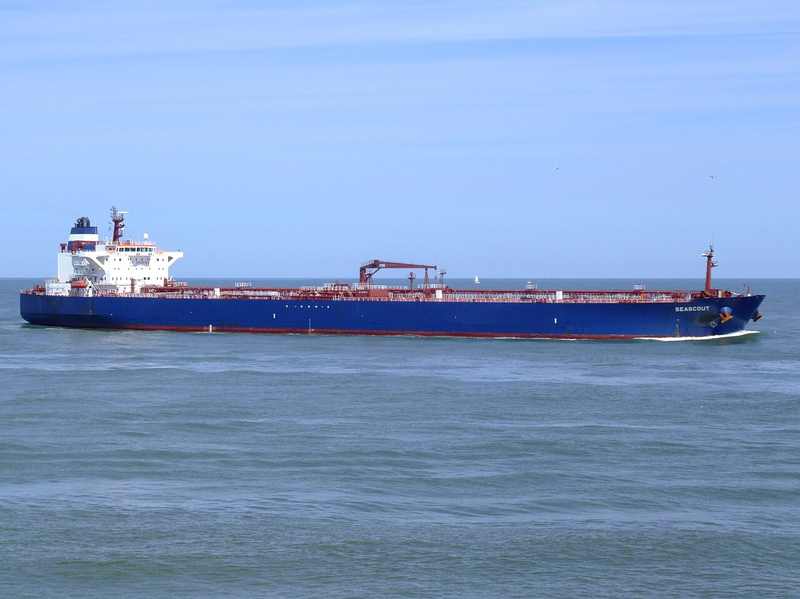
What was seized
The numbers, announced at a Miami press conference on October 7, are the largest fuel interception the crackdown has produced so far. At Port Everglades, 71 oil-storage tanks held roughly 500,000 gallons of fuel. At the Port of Houston, 19 more shipments held roughly 120,000 gallons. Combined: more than 600,000 gallons, valued at nearly $3 million by federal officials — $2.8 million by the Palm Beach Post's accounting. The fuel is described as middle distillates mixed with biodiesel, and investigators say it was bound for Cuba's sanctioned state fuel sector. No arrests have been announced; the exporters involved have not been publicly identified, though federal officials say several are under investigation and the case is ongoing.
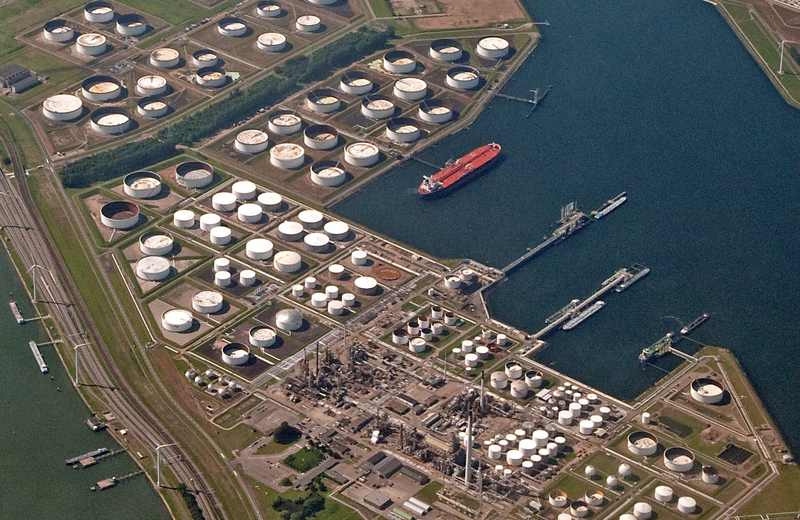
Enetec: the buyer Washington says is off-limits
The intended buyer, Enetec S.A., is a Havana-based state-owned fuel wholesaler that the Treasury Department's Office of Foreign Assets Control sanctioned in July 2026. The company was also designated under Executive Order 14404 for what HSI Miami special agent in charge Jose R. Figueroa described as “posing a direct threat to [United States] national security and foreign policy interests.” Customs and Border Protection says it first identified the suspicious shipments in early September after analyzing trade and intelligence data. The suspected violations include federal export laws such as the International Emergency Economic Powers Act (IEEPA) and the Export Administration Regulations. The agencies behind the operation span DHS/HSI, Customs and Border Protection — including Daniel Alonso, director of field operations for Miami and Tampa — and the Commerce Department's Bureau of Industry and Security. Figueroa's verdict: “An effort of this magnitude to undermine US sanctions does not occur by accident.” He added a warning aimed at anyone in the supply chain: “Those who seek to undermine US law to finance, facilitate or benefit from such efforts should be on notice.” And he drew a line around humanitarian cargo: “These enforcement actions are not intended to interfere with legitimate humanitarian assistance that supports Cuban families, workers and communities... These actions concern shipments suspected of benefiting the Cuban regime through a state-controlled entity.”
Why this matters
The first thing to understand is that this is not an episode — it is a pattern. This is the second fuel seizure in about a week, and the two operations together show enforcement shifting from opportunistic boardings to a systematic hunt through export data. Second, consider the number honestly: 600,000 gallons is a rounding error against what an island of 11 million people burns through, but it is a meaningful dent in a single illicit supply channel — and that is the point. Each seizure does not just remove fuel; it raises the cost and risk of the next shipment, forces rerouting, and deters the exporters who were undercutting the embargo for a margin. Third, the target matters more than the tonnage. By naming Enetec and its EO 14404 designation, Washington is telling the market that the sanctioned Cuban energy sector is now treated as a national-security target, not merely a trade restriction. That is enforcement as deterrence — and it signals what Washington's endgame looks like: not a negotiated settlement, but maximum pressure until the economics of the Cuban state break.
Cuba is running on empty
Whatever the legality in Washington, the human context is that Cuba is spiraling. The US fuel blockade has vastly worsened rolling blackouts, water shortages, and inflation, pushing the island toward a humanitarian crisis — which is why the United Nations has called the blockade “illegal” and Havana calls it “economic warfare.” The pressure campaign runs on two tracks: about a month ago, on September 5, the U.S. Coast Guard boarded the cargo ship Grace in the Caribbean as it sailed toward Cuba, escorted it to Mexico, and found large quantities of fuel on inspection. At the same time, the Trump administration says it permits relatively small fuel shipments to Cuba's private sector — a carve-out officials describe as a program aimed at undercutting the Cuban government by feeding entrepreneurs instead of the state. President Trump has openly stated that his goal with the blockade and sanctions is to upend Cuba's government. Cuba's government has not commented on this week's seizure.
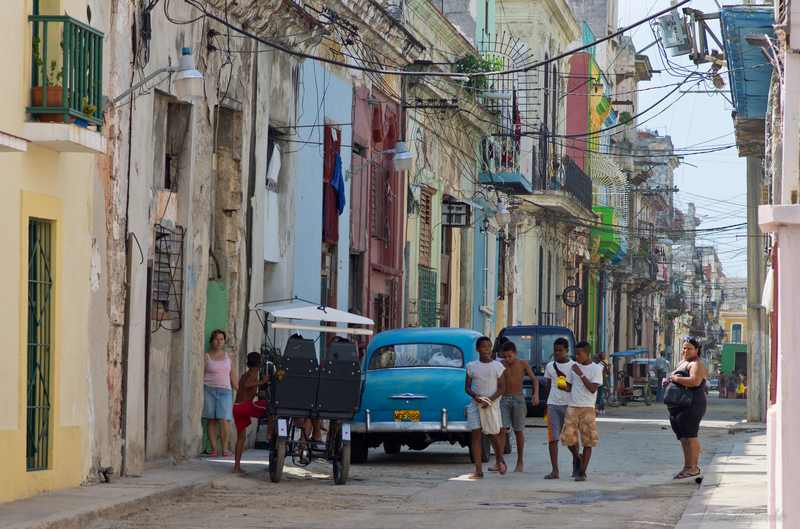
For more context, read our Cuba blackout crisis coverage and our report on U.S. Army Reserve readiness around possible Cuba action.
Who wins, who loses
The winners, in Washington's telling, are enforcement leverage and deterrence: every intercepted shipment makes the next smuggler think twice, and the private-sector carve-out gives the administration an answer to the humanitarian critique — the fuel that reaches Cuban entrepreneurs, it argues, is proof the target is the regime, not the people. The losers are harder to argue with: ordinary Cubans, who absorb the blackouts, the water cuts, and the inflation no matter whose name is on the sanctions order. Also losing: the exporters now under federal investigation, who face the prospect of IEEPA charges that can mean prison time, and the regional gray-market fuel trade, which just lost a $3 million channel. What the critics say depends on which capital you ask. Sanctions supporters say Cuba's economic model is the cause of its misery and that fuel revenue props up a government the US has tried to isolate for six decades. The UN and Havana say a blockade that chokes an island's power grid is collective punishment by another name — and that “private-sector carve-outs” are a fig leaf on economic warfare. Both claims can be true at once: the sanctions are legal under US law, widely condemned under international opinion, and devastating in their on-the-ground effects regardless.
What happens next
The investigation is the first domino. Several exporters are under scrutiny and no arrests have been announced yet — but Figueroa's on-notice warning reads like a promise that charges are coming, and an IEEPA prosecution of a fuel exporter would send a louder signal than the seizure itself. The second question is whether interdiction can choke the trade or merely reroute it. Sanctions history is not encouraging for the enforcers: determined buyers find new flags, new ports, and new intermediaries, and Cuba has decades of practice. The third is the calendar. Hurricane season and fuel scarcity are a brutal combination — every storm that hits a blacked-out grid deepens the humanitarian case against the blockade and the political case for it, simultaneously. Three scenarios: (1) escalating seizures keep the gray market priced out and Cuba's grid deteriorates further, raising the odds of a humanitarian emergency Washington will have to answer for; (2) Havana finds workarounds — new suppliers, barter deals, the private-sector track — and the blockade becomes a costly stalemate; (3) the pressure produces the political outcome Trump has stated as his goal: a government upended by economics rather than force. None is quick, and none is clean.