Chancellor John Healey delivers his first Budget on Wednesday with Britain's finances tight and his growth strategy resting on two reported bets — £1 billion for social and affordable housing, and a big devolution package for England's regions.
Track it live: Live markets tracker
Every first Budget defines a chancellor, and the UK Budget October 28 2026 Healey delivers on Wednesday is carrying more definition than most. John Healey arrives at the despatch box for the first time with inflation still sticky, borrowing running hot and a national debt that constrains every choice he makes — and, according to the weekend's reporting, with a strategy built on two political bets: a reported £1 billion for social and affordable housing, and a big devolution package intended to unlock growth outside London. This is a preview, and the discipline of a preview matters: nothing described here has been announced. Every measure below is reported or expected, attributed to the outlet that reported it, and Budget Day itself — the speech, the Red Book and the Office for Budget Responsibility forecasts published alongside it — is the only confirmation point that counts.
The fiscal backdrop: tight, and not of Healey's making alone
Start with the arithmetic that frames everything. As Signal Post News has reported in its existing Budget coverage, UK inflation stands at 3.5 percent — well above the Bank of England's 2 percent target and high enough to keep gilt yields, and therefore the government's own borrowing costs, painfully sensitive to any fiscal slippage. Government borrowing reached £24.5 billion in the referenced month, underlining how little headroom the Treasury has against its own fiscal rules. National debt sits around £3 trillion. Put together, those numbers define Healey's problem: he must fund visible, growth-bearing investment from within a fiscal position markets are already watching for excuses to charge Britain more. Whatever he announces will be read first in the gilt market and only second in the headlines.
The housing bet: £1 billion for social and affordable homes
The BBC reports, in its Budget coverage roundup published October 25, 2026, that the Budget will include £1 billion for social and affordable housing. The political logic is not hard to read. Housing is the rare policy area where spending is simultaneously a cost-of-living answer, a supply-side growth measure and a visible local deliverable: cranes, sites and eventually keys in doors, in identifiable places voters can point to. Social and affordable homes, specifically, target the sharpest end of the crisis — households priced out entirely, councils spending heavily on temporary accommodation, and waiting lists that have become a standing indictment of successive governments. For a first Budget that needs to demonstrate a direction of travel before the next election cycle hardens into view, housing money photographs well and argues well. Whether £1 billion is enough money to matter is a separate question, taken up below; as a signal of priorities, it is unambiguous.
The devolution bet: growth handed to the regions
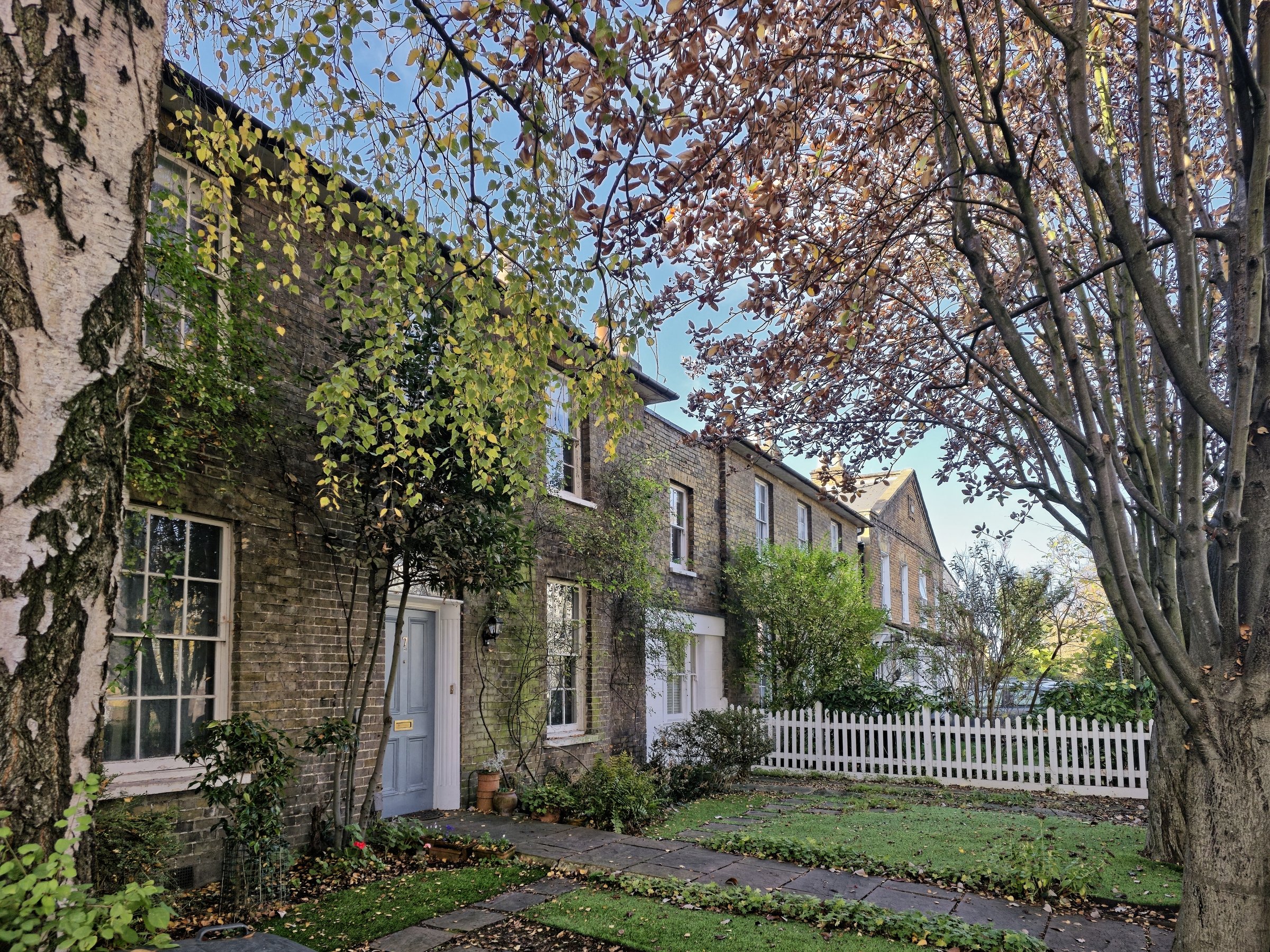
The Guardian reports, also on October 25, 2026, that Healey's first Budget will include a big devolution package intended to boost growth. Devolution is the second half of the same theory. Britain's productivity problem is widely diagnosed as a problem of over-centralisation: investment decisions, transport priorities and skills funding settled in Whitehall for places Whitehall understands least. A big devolution package — deeper powers and funding settlements for mayors and combined authorities — is the supply-side bet that local leaders, given money and authority, will allocate both better than ministries can. It is also a delivery strategy: devolved funding produces locally branded projects and a map of visible activity spread across the country rather than concentrated in the capital. The risks are real. Devolution packages have been announced by chancellors of both parties for a decade, and English devolution's graveyard is full of frameworks that transferred responsibility faster than money. What markets and mayors will look for on Wednesday is whether the package carries genuine fiscal weight — multi-year settlements, borrowing powers, retained revenues — or is another relabelling of existing funds.
The AI security money already counted in this Budget
One substantial measure is already documented in detail. Reuters reported on October 24, 2026 that a roughly £600 million AI security package forms part of this Budget's measures, spanning a £100 million AI Biosecurity Lab, up to £200 million in OpenAI and Anthropic model credits for biosecurity work, and £120 million more for the AI Security Institute. We summarise it here rather than re-listing it in full: the full breakdown is in our earlier reporting on the £600 million AI security and biosecurity lab package. Its presence matters for reading Wednesday's speech, because it shows the Budget's growth story is not only bricks and mayors — Healey is also buying a position in the technology sectors where Britain believes it can still lead. Alongside it sits the growth machinery trailed in our coverage of Healey's £20 billion National Wealth Fund and British Business Bank measures, the standing investment vehicles through which much of this strategy is expected to flow.
The arithmetic problem, honestly stated
Now the uncomfortable comparisons, because a preview that only amplifies the trails serves nobody. Set the reported figures side by side: £1 billion for housing; roughly £600 million for the AI security package; £20 billion attached to the National Wealth Fund framework. The money weight in this Budget, on the reported numbers, sits overwhelmingly in the investment-fund machinery — twenty times the housing headline. That does not make the housing money meaningless; £1 billion of social and affordable housing funding, if it is genuinely additional and drawn down quickly, builds and unlocks real homes. But against a national housing shortfall measured in years of underbuilding, £1 billion is a down payment and a signal, not a solution, and honesty requires saying so without inventing a shortfall figure to dramatise the gap. Critics will make exactly this argument on Wednesday: that the housing trail is sized for the headline rather than the problem. The government's counter will be that the £1 billion leverages further private and housing-association finance and sits inside the wider £20 billion growth apparatus. Both claims can be partly true. The test is in the Budget documents — additionality, time profile and delivery mechanism — not in the weekend trails.
Why this matters
First Budgets matter because they reveal what a chancellor believes when belief is expensive. Healey's reported choices describe a coherent theory: that Britain's stagnation is a supply problem, that supply is fixed by building homes and by pushing power and money to the places that will spend it, and that a state investment bank and targeted technology spending can crowd in the private capital the Treasury cannot supply itself. It is a defensible theory. It is also a slow one. Housing supply responds in years, devolution in electoral cycles, and neither pays political dividends on the timetable of a parliament that will judge this government on living standards long before the foundations are dug. That is the wager embedded in Wednesday's speech: invest in the slow fixes, absorb the fiscal discipline the gilt market demands, and trust that visible local delivery — homes started, mayors empowered — accumulates into a growth story voters can feel before they are asked to vote again. The alternative reading, which the opposition will press, is that £1 billion headlines and devolution frameworks are what a chancellor announces when the fiscal cupboard is too bare for anything larger. Wednesday's documents will show which reading the numbers support.
What markets will watch on October 28
For the gilt market, three things will matter more than any single measure. First, the borrowing totals: the OBR's revised path for the deficit across the parliament, against that £24.5 billion monthly borrowing figure and the £3 trillion debt stock. Second, the reaction function — whether the reported measures survive contact with the full Budget documents at the size trailed, or shrink under the fiscal rules, because markets price credibility as much as cash. Third, the gilt market's own verdict in the hours after the speech: yields rising on the long end would say investors smell fiscal risk; a calm or rallying market would hand Healey the one endorsement no opposition spokesman can argue with. With inflation at 3.5 percent, the Bank of England's room to rescue a bad reception by cutting rates is limited, which raises the stakes on Healey getting the first impression right. Our live markets tracker will follow the gilt and sterling reaction through Budget Day.
What happens next
The sequence from here is fixed. Healey speaks on Wednesday, October 28, 2026; the OBR forecasts and the full Budget documents land with the speech, and every reported figure in this preview — the £1 billion housing money, the devolution package, the £600 million AI security measures — either appears there at the trailed size or becomes a story in itself about the gap between trailing and delivery. The Office for Budget Responsibility's growth forecast will set the terms of the argument for the following year. Mayors and housing associations will move within days to position for the funding, and the gilt market will deliver its verdict first. Signal Post News will report the Budget as announced, measure by measure, against exactly the expectations set out here.