Europe AI Supercomputer Push: Scaleway Builds AMD in Sweden as Nvidia Lands in Copenhagen
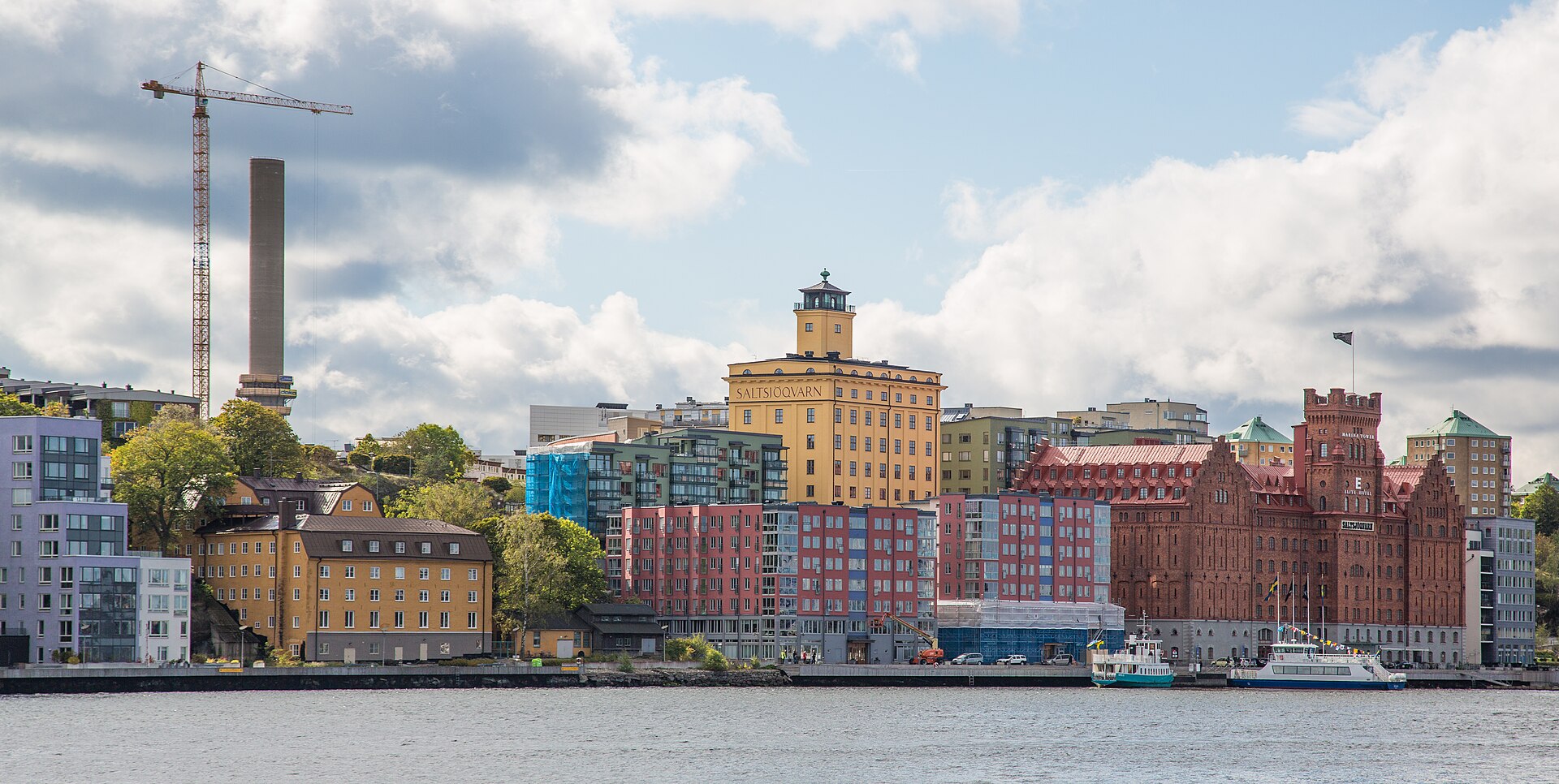
The Europe AI supercomputer Scaleway announcement, reported by Reuters on October 13, is a first in three directions at once. It is the French cloud provider's first site outside France. It is, by the companies' billing, the first AMD-based AI supercomputer built for commercial use in Europe. And it is a deliberate statement about where Europe's AI capacity will physically sit: in Sweden, on low-carbon power, inside European jurisdiction. The machine will run on AMD's Instinct MI355X accelerators — the same family of silicon AMD has been positioning as the credible alternative to Nvidia in AI data centres, and a genuine test of whether a flagship European AI service can be built without Nvidia inside.
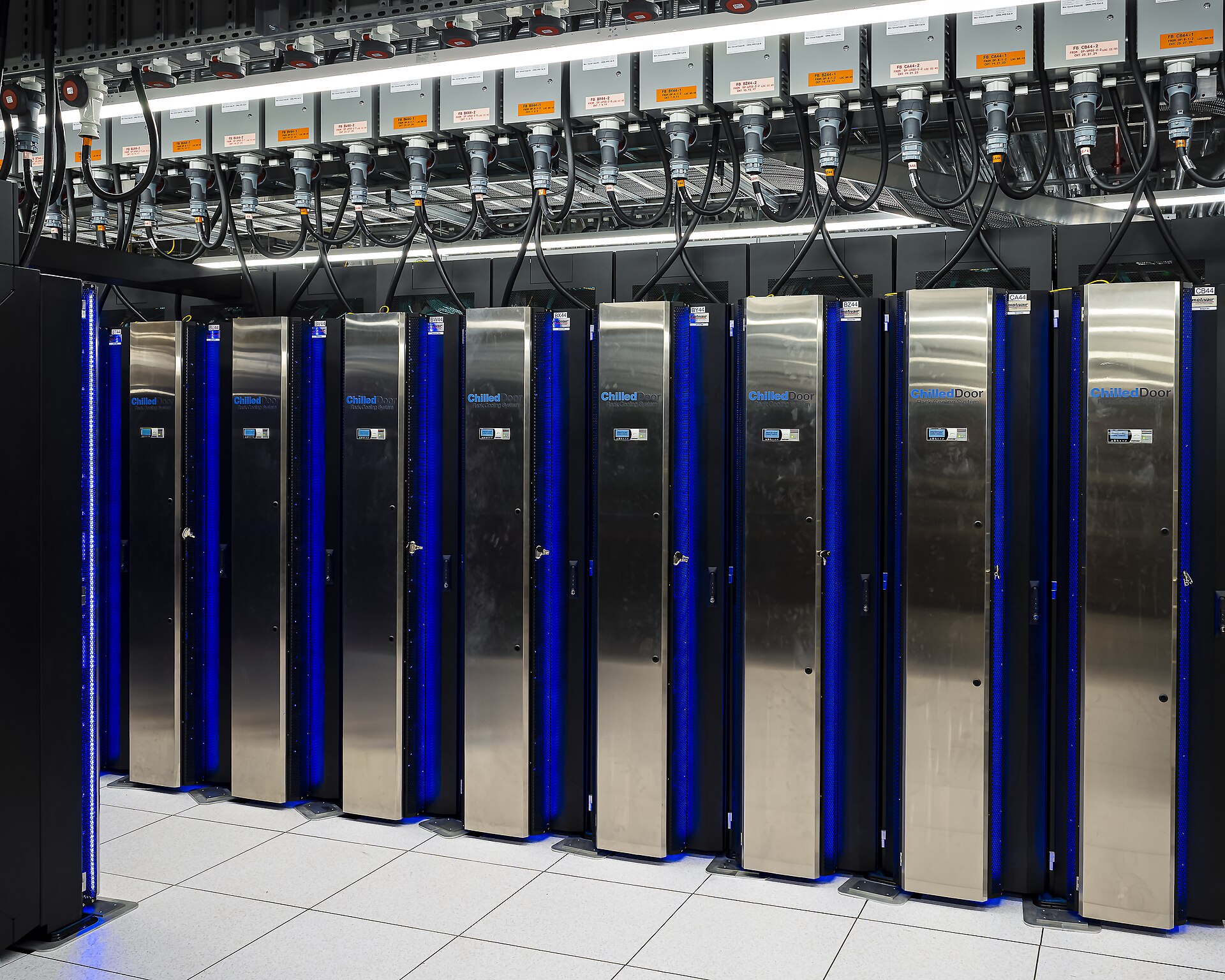
The supply chain around the Swedish build reads like an attempt to spread the work across the Western tech industry rather than through a single vendor. Bull will assemble and maintain the system, Giga Computing supplies the servers, HPE provides the networking, VAST Data the storage, and cooling specialist Motul — better known for lubricants and fluids — handles the thermal side. Scaleway is not arriving in Sweden cold: it entered the market in May through a deal with telecom operator Tele2, and it cited both Sweden's low-carbon electricity mix and the strength of its domestic AI sector as reasons for the choice.
Same day, other camp: Nvidia in Copenhagen
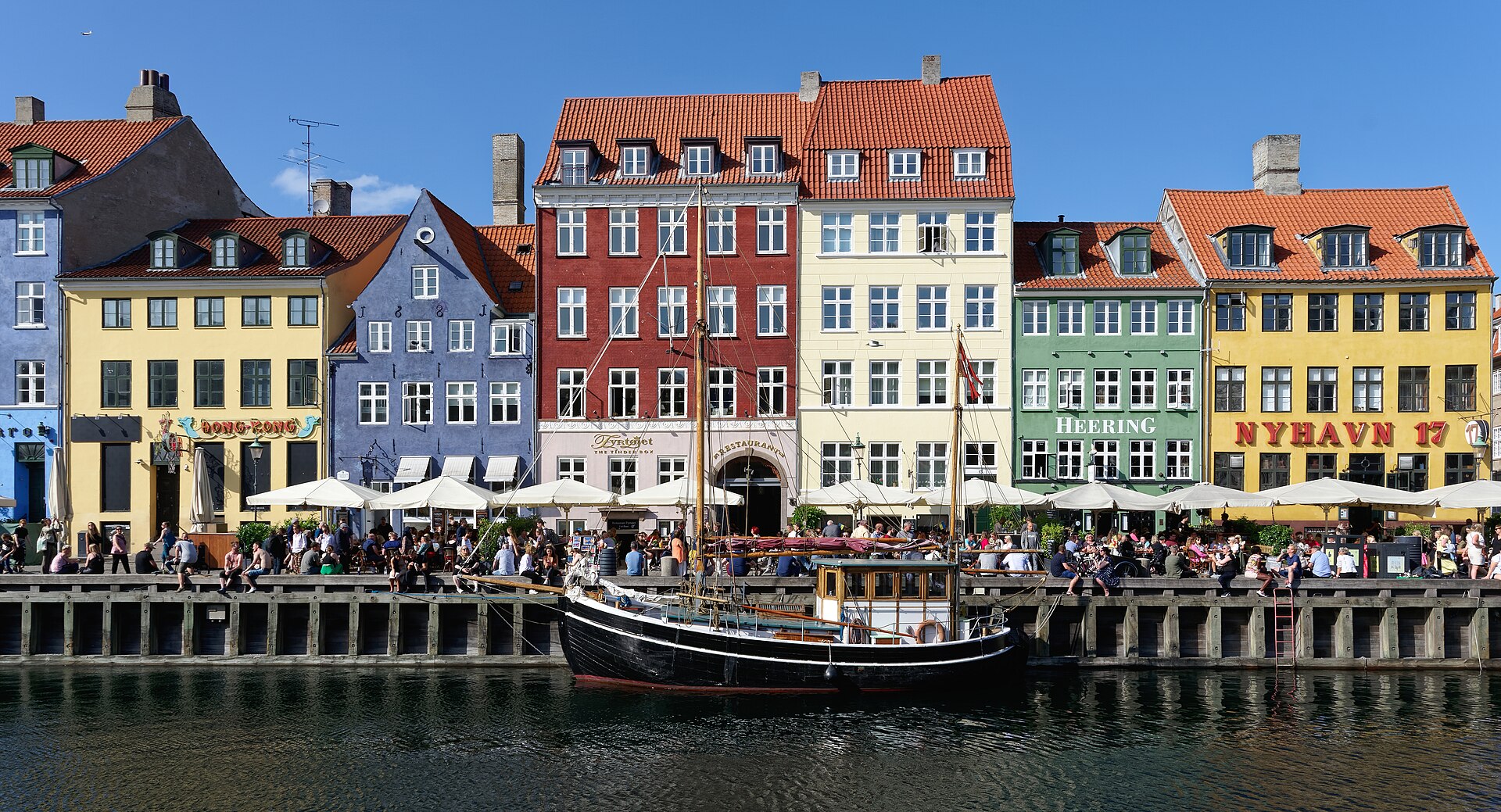
Hours apart, the rival camp made its own Nordic move. An Nvidia-powered AI computing site in Copenhagen will run Nvidia HGX B300 systems — the company's flagship current AI platform, and the hardware at the top of the export-controlled tier in markets like China. Denmark was chosen, the announcement said, for its technology sector, its low-carbon electricity and its cool climate, which cuts the energy cost of keeping thousands of accelerators at working temperature. The site already has anchor Danish users named: the City of Copenhagen itself, and Corti, the Danish AI company building tools for healthcare. A municipal government and a health-AI firm as launch customers is a deliberate signal: this is infrastructure for public services and regulated industries, not just for startups training chatbots.
Read together, the two announcements describe the real shape of the European AI race. It is not Europe versus America in any simple sense — both builds run on American chips, from AMD in one case and Nvidia in the other. It is Europe insisting that the machines, the data and the operating companies sit under European law, while the silicon duopoly supplies both sides of the contest. Sovereignty, in the 2026 European version, means jurisdiction over the data centre, not ownership of the chip design.
Why this matters
Europe has spent three years worrying, in public, about a specific dependency: that its AI future would be rented, by the hour, from American hyperscalers running American chips in facilities governed — in a dispute — by American law. The policy response has been a stack of initiatives and gigafactory rhetoric. What changed this week is that the response started arriving as hardware with named customers. A French provider building in Sweden with AMD silicon, and a Danish site running the newest Nvidia platform for a city government, are the sovereignty strategy in its practical form: European operators, European soil, European power grids, allied silicon.
The AMD angle is the sharper story. Nvidia's grip on AI computing is not just hardware; it is CUDA, the proprietary software layer that a generation of AI code is written against, and which makes switching suppliers expensive even when rival chips are competitive on paper. AMD's counter is ROCm, its open software platform — open precisely so that customers who fear lock-in have an exit. A commercial European supercomputer built on MI355X and ROCm is therefore more than a procurement choice. If Scaleway can run production AI workloads on AMD at flagship scale, it becomes the reference customer AMD has needed in Europe, and every other European buyer negotiating with Nvidia gains a worked example to point at. If the build struggles — with software maturity, with performance, with support — it will be cited for years as proof that there is no real alternative. The stakes on one Swedish machine room are unusually high for both chipmakers. The wider context is a market in which Nvidia's dominance is being tested from several directions at once, from Microsoft's in-house Maia 300 to the custom silicon of the Chinese firms reshaping that market.
Why the Nordics keep winning these deals
Both announcements chose the same geography for the same physics. AI data centres are, in the end, machines for turning electricity into computation and heat. Sweden and Denmark offer three things most of Europe cannot match at once: electricity grids with very low carbon intensity, a cool climate that reduces cooling energy, and — increasingly important for public-sector customers — political stability and EU or EEA legal alignment. The May Tele2 deal shows Scaleway understood the other half of the equation too: a foreign cloud provider entering a sovereignty-conscious market does better with a local telecom partner than as a purely French flag planted in Swedish soil. Expect the pattern to repeat. The constraint on European AI capacity over the next five years is less likely to be chips — both AMD and Nvidia are eager to sell into Europe — than permitted sites with grid connections and clean power to spare.
Who benefits, who loses, and what the critics say
AMD is the obvious beneficiary: a flagship European reference build, in the commercial market rather than a national laboratory, at the moment its MI355X line needs exactly that proof. Scaleway gains differentiation — it cannot outspend the hyperscalers, but it can be the European, AMD-based, sovereignty-first alternative, a positioning its parentage and French base make credible. Nordic regions gain the investment and the grid-scale customers. Nvidia, despite the rival headline, also benefits: the Copenhagen site puts its B300 platform into European public-sector-adjacent work, the segment where trust requirements run highest, and it demonstrates that the sovereignty movement is not actually an anti-Nvidia movement — a point underlined by the scale of demand behind Nvidia's record run this year. The capacity behind all of it ultimately rests on the foundry economics covered in our TSMC record-revenue report.
The critics make two fair points. First, calling infrastructure sovereign while every accelerator in it is American-designed — and much of the software stack American too — stretches the word; a future transatlantic dispute over chip exports would reach into Swedish and Danish machine rooms just as surely as into anyone else's, as the China experience shows. Second, Europe has announced AI infrastructure before, at larger headline numbers, and delivered slowly; sceptics will count energised megawatts and paying workloads in 2027, not press releases in 2026. Both criticisms land, and both can be true alongside the significance of the builds: jurisdiction and operating control are real forms of sovereignty even when silicon is imported, and a first commercial AMD flagship is a fact, not a rendering.
What happens next
Watch three things. First, delivery: whether the Swedish system reaches production on schedule and what class of workloads — training, inference, public-sector services — it actually carries. Second, the customer list: if European banks, hospitals or governments begin placing regulated workloads on the AMD platform, the CUDA moat has a documented breach; if the machine fills mainly with price-sensitive inference work, the moat held. Third, replication: Scaleway's first step outside France will either stay a Swedish experiment or become the template for a multi-country European fleet — and Nvidia's Copenhagen beachhead will either multiply across the Nordics or remain a single showcase. Europe has decided, at policy level, that AI compute is strategic infrastructure. This week, two machine rooms — one AMD, one Nvidia — became the test of whether that decision can be executed at commercial speed.
Sources
- Reuters — Scaleway's AMD-powered AI supercomputer in Sweden and the Nvidia-powered Copenhagen AI site, October 13, 2026: reuters.com/technology
- Scaleway — company announcements on the Sweden build and Tele2 partnership: scaleway.com
- AMD — Instinct MI355X and ROCm platform documentation: amd.com
- Signal Post News — related coverage linked in the text above.