Ireland Israel Nations League boycott
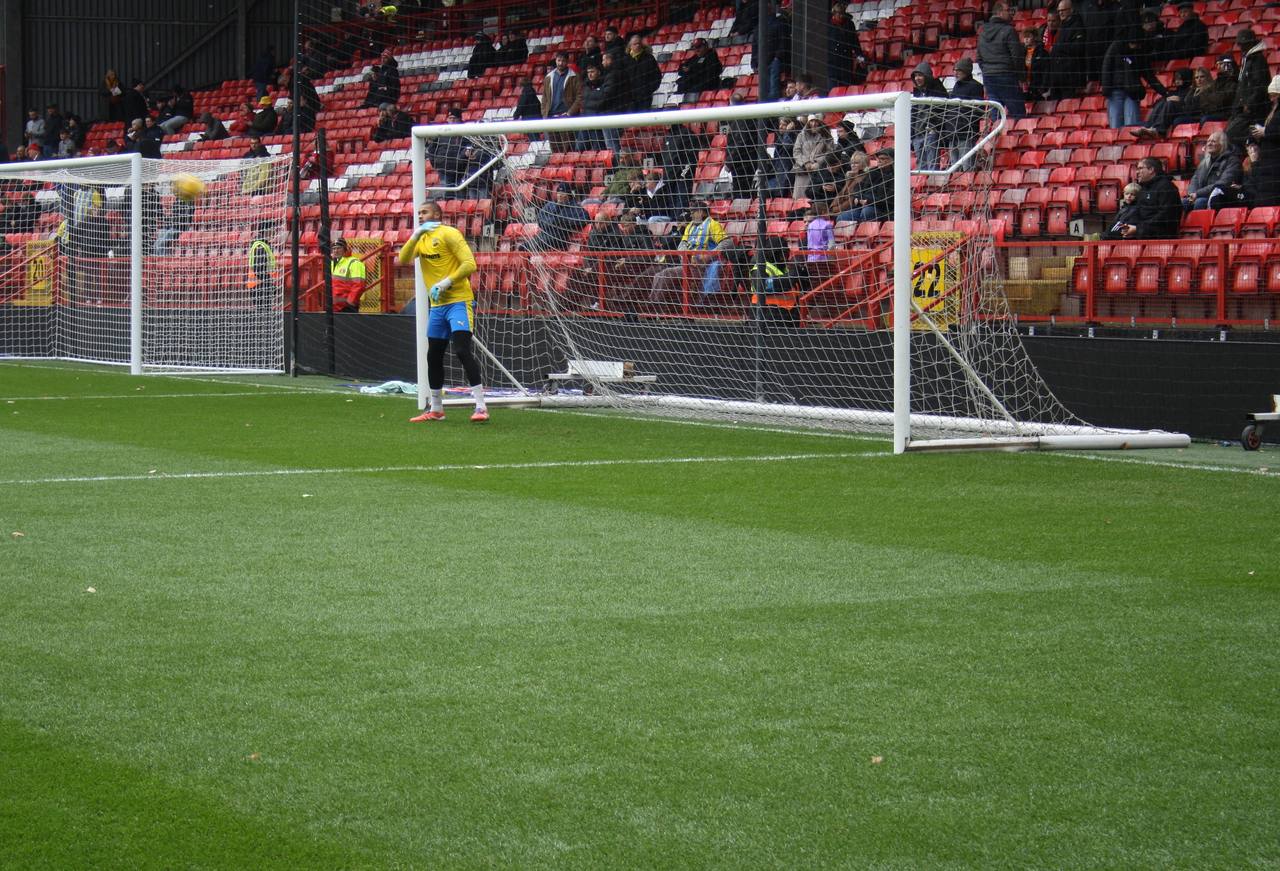
DUBLIN, September 26 — Ireland will face Israel on Sunday after the squad took an extraordinary vote on whether to play at all — and a "significant majority" of the players chose to go ahead, hours after goalkeeper Gavin Bazunu walked out of the camp over the war in Gaza.
The Ireland Israel Nations League boycott question, simmering since the draw in February and brought to a head this week, exploded on Saturday when the team's press conference and training session were delayed by more than five hours while the players held their own discussions in the team hotel, according to CNN and Reuters.
When Football Association of Ireland chief executive David Courell finally faced reporters, he revealed that one player had expressed "discomfort with fulfilling this fixture" to head coach Heimir Hallgrimsson and had signaled his intention to withdraw from the squad. A vote was then taken among the players. "Based on that, the association took the decision on behalf of Irish football that this fixture would continue as we have always intended to fulfill the fixtures," Courell said, per CNN.
The player was Gavin Bazunu, 24, who later confirmed on social media that he had left the squad. Ireland are due to play Israel in Debrecen, Hungary, on Sunday, September 27 — the first of two Nations League B, Group 3 fixtures, with the return game on October 4 in Backa Topola, Serbia.
Why this matters
Signal Post News analysis: This is the deepest collision yet between European football and the war in Gaza — and it could only have happened in Ireland. Reuters describes Ireland as one of Europe's most outspoken critics of Israel's campaign in Gaza, and the pro-Palestinian consensus in Irish public life is, in Hallgrimsson's own words, "probably in Europe the biggest."
That context is what makes Saturday's events genuinely unprecedented. The boycott question has been fought between federations, governments and campaign groups for two years — but never before has it been put to a conscience vote inside a national-team dressing room. The vote moves the question from institutions to individuals, and individuals, unlike associations, cannot hide behind procedure.
The stakes for Ireland are also concrete in a way they are for almost no other nation in this debate. The FAI has resisted boycott calls by warning of punishing UEFA sanctions — and Ireland is co-hosting the 2028 European Championship with England, Wales and Scotland. A sanction that touched that hosting would be a generational wound for Irish football.
And then there is the FAI's own contradiction, now exposed in public: its members passed a motion last November calling on UEFA to ban Israel from club and international competitions over alleged breaches of UEFA regulations — while its executive insists the fixtures must be fulfilled. The association is, in effect, at war with itself.
How Saturday unfolded
The timeline, as reported by CNN and Reuters:
- Friday night: Bazunu told the team he did not want to play in the Israel fixtures, Reuters reported; Hallgrimsson confirmed a player was leaving the squad.
- Saturday: the scheduled press conference and training session were delayed by more than five hours as the players held discussions among themselves in the team hotel.
- Courell's delayed briefing: a player had expressed "discomfort with fulfilling this fixture" and his intent to withdraw; the players voted; "a significant majority" favored continuing.
- Training resumed under a cloud. Hallgrimsson: "All the rest of the players are training today. It's an ongoing discussion and we haven't come to a kind of conclusion on this, but we are going ahead, the game is going ahead, we're going to train. And there will be more discussions tonight and probably tomorrow."
- Later Saturday: Bazunu confirmed on social media that he had left the squad.
What Bazunu said
In his statement, Bazunu said he felt it would be "wrong to participate" in the games "based purely upon my personal belief that the killing of innocent people is wrong."
He drew a careful distinction: his stance, he said, was "not in opposition of the Israeli people or the Jewish community but against the atrocities in the region. There are few times where you get a chance in life to stand up for something bigger and I strongly believe that this is one of them."
The discomfort was not his alone. After Thursday's 1-0 defeat in Kosovo on September 24, midfielder Jason Knight said the players were in a difficult situation and that he did not think the matches should be going ahead, CNN reported.
The two cases
Signal Post News analysis: Two coherent arguments are colliding inside Irish football — and Saturday's vote settled nothing except the next 90 minutes.
The case for boycotting Israel
Supporters of a boycott point to months of organized opposition: protests against the fixture have run since the draw in February, and more than 160 Irish sportspeople signed an open letter urging the FAI to reconsider. Hallgrimsson himself has described the pressure: "There's a huge support – probably in Europe the biggest support – for Palestine in Ireland. And there's been protests since the draw (in February) not to play this fixture. There's been a protest from day one not to play the fixture in Ireland and that's the pressure that the players will feel and the association will feel. I felt that pressure growing day by day and it's getting almost to a breaking limit now."
There is precedent in Irish public life: national broadcaster RTE announced last week that Ireland will boycott the Eurovision Song Contest for a second year over Israel's participation. And the FAI's own members voted last November to demand UEFA ban Israel from club and international competition — making the executive's insistence on fulfilling the fixtures look, to critics, like the association defying its own grassroots.
The case for playing on
The FAI's argument is institutional, not moral: boycotting would expose the team to punishing sanctions from UEFA, and the association has pointed to the stakes around Euro 2028, which Ireland is co-hosting with England, Wales and Scotland. Hallgrimsson framed it as damage control: "Obviously, this affects all of them — nobody is comfortable at the moment, but it's about limiting the damage both personally and also for Irish football. We need to find some solution on it," and "There's nothing that we can do, there's no action that we can do that everybody will agree to, so we need to find the solution and that will limit the damage for us as a group, for Ireland as a nation and for the Association, the future of football in Ireland."
There is also the argument, voiced by Hallgrimsson earlier in the week, that playing is not endorsement: "we're not playing with genocide, we're playing against genocide. We're playing against Israel, we're not playing with Israel" — a remark that drew a furious response from the Israeli soccer federation, which accused the Icelandic coach of "stupidity, ignorance and hypocrisy."
The losers are easy to name whatever happens next. Bazunu has taken a personal and professional risk few footballers would contemplate. The FAI loses either way — condemned by campaigners if the games go ahead, sanctioned by UEFA if they don't. Irish supporters have already lost: the FAI moved the home fixture to a neutral venue in June for "operational reasons," with no fans present. And Israel's players are caught in a fixture nobody seems to want.
The numbers that tell the story
- More than five hours: the delay to Saturday's press conference and training session while players debated the fixture.
- "A significant majority": the share of players who voted to play, per FAI chief executive David Courell.
- 160+: Irish sportspeople who signed the open letter urging the FAI to reconsider.
- 1–0: Ireland's defeat in Kosovo on Thursday, September 24 — two days before the vote.
- Two: the fixtures at issue — Debrecen, Hungary, on September 27, and Backa Topola, Serbia, on October 4.
- Four: the co-hosts of Euro 2028 — Ireland alongside England, Wales and Scotland.
- November: when FAI members passed the motion calling on UEFA to ban Israel from club and international competitions.
What comes next
Sunday's game in Debrecen will be played behind closed doors, at a neutral venue, in front of no fans — the FAI moved the home fixture in June for "operational reasons." But the vote has not closed the argument: Hallgrimsson has promised further discussions tonight and on Sunday, and the question now is whether more players follow Bazunu out of the squad before the October 4 return fixture in Backa Topola.
Signal Post News analysis: Beyond that, three questions hang over Irish football. Will UEFA act — against the FAI for the turmoil, or in any wider sense? Can an association whose members voted to demand Israel's ban keep insisting its team must play Israel? And what precedent does a dressing-room conscience vote set for every other national team drawn into a politically charged fixture?
Sunday will answer none of those. It will only stage a football match that stopped being only about football a long time ago.
Sources
- CNN: Ireland players vote to play Israel after Bazunu walks out
- Reuters: Irish football divided again as Nations League showdowns with Israel loom