Spain beat England 3-2
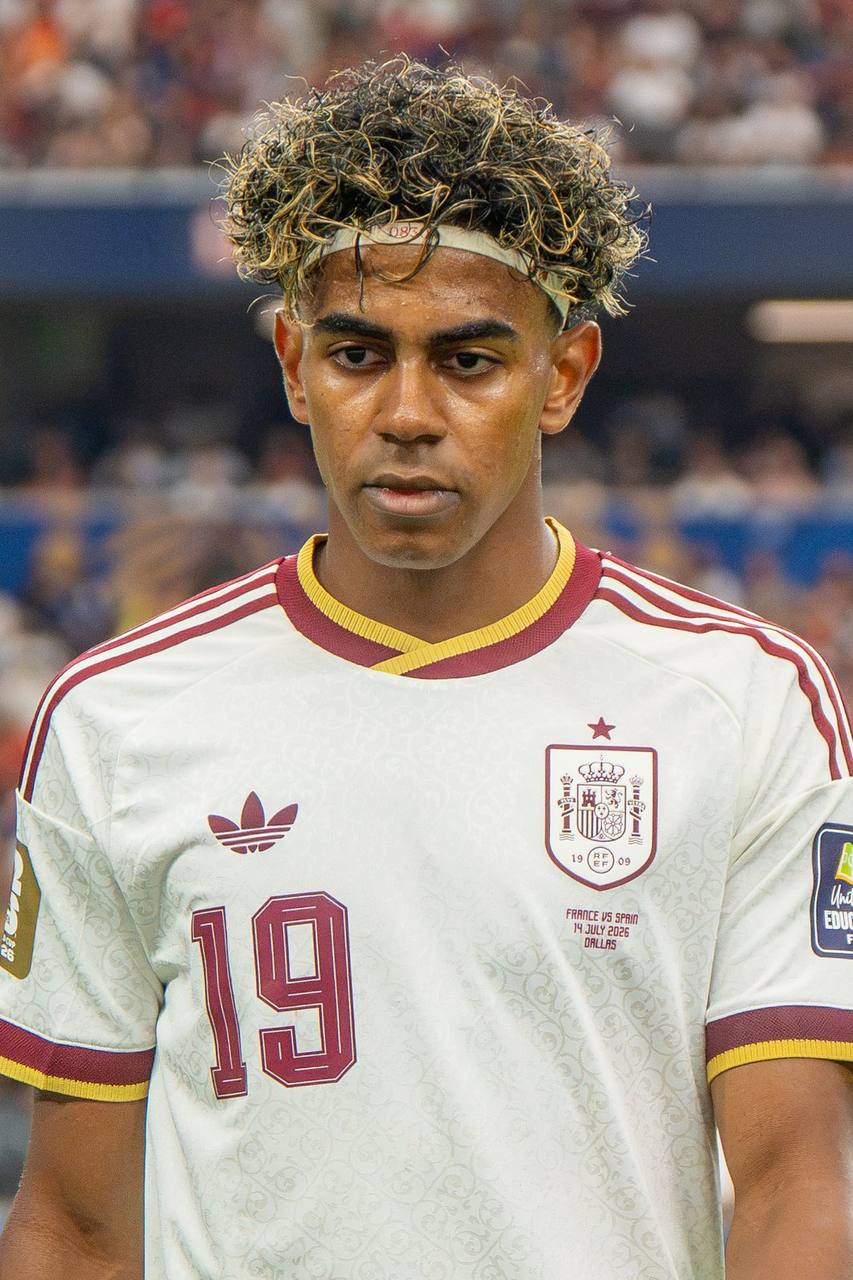
Spain beat England 3-2 at Wembley on Saturday, September 26, in their UEFA Nations League opener, coming from 2-1 down at half-time with two goals in 14 second-half minutes. Nineteen-year-old Lamine Yamal struck inside two minutes, Alex Baena came off the bench to curl home the equaliser, and Mikel Oyarzabal — the man who broke English hearts in the Euro 2024 final — chipped the winner. The victory extended Spain's unbeaten run in 90 minutes to 39 matches, a record for a European national team, and was their first competitive game since winning the 2026 World Cup.
How the five-goal thriller unfolded
Spain struck before England had settled. Marc Guehi's error deep in his own half let Yamal pounce and rifle home off the post after just 104 seconds. Opta's match data, cited in The Sun's match report, made it the third-quickest goal England have conceded at Wembley, behind only first-minute goals for Scotland in 1957 and Hungary in 1953.
Ferran Torres twice had the chance to stretch Spain's lead, only for James Trafford to deny him. England answered with their best football of the afternoon: Anthony Gordon finished a sweeping counter-attack in the 36th minute after exchanging passes with Jude Bellingham, then Harry Kane's header deflected off Marc Cucurella four minutes later to complete a sudden turnaround.
The match pivoted ten minutes into the second half. Bellingham drew a foul and England, leading 2-1, had a penalty that should have put the world champions at arm's length. Kane slipped slightly during his run-up and drove the kick against the crossbar. Spain had introduced Baena and Oyarzabal in the 55th minute; Baena curled in the equaliser five minutes later after a loose pass from Nico O'Reilly, then threaded the ball for Oyarzabal to chip Trafford in the 74th. The comeback gave Spain an eighth win in their past 11 meetings with England. The sequence and result were also detailed by Sports Mole and theScore.
Why this matters — the aura of the world champions
This was Spain's first competitive outing since beating Argentina in the 2026 World Cup final, and it looked like a test of whether a championship summer had dulled their appetite. The answer was the opposite. Their 39-match unbeaten run in regulation time is now a European record, stretching back to a March 2024 defeat by Colombia. The streak matters less as a decorative statistic than as evidence of the team's capacity to absorb bad passages without abandoning its identity.
For Thomas Tuchel, Wembley was supposed to be a measuring stick after criticism of England's ultra-defensive approach in the World Cup semi-final loss to Argentina. England played with more adventure on Saturday and still lost. That is the more worrying kind of defeat. Caution can be reworked as a tactical choice; a side that attacks well enough to lead the champions and still cannot control the game's decisive minutes has a deeper problem to solve.
The turning point — Kane's penalty miss
At 2-1, nine minutes into the second half, the penalty offered England a chance to force Spain into risk. A two-goal cushion would have changed the geometry of the match: Spain's full-backs would have pushed higher, England's counter-attacking lanes would have widened, and Wembley would have supplied belief rather than anxiety. Kane hit the bar, and the psychological balance flipped before the ball had stopped bouncing.
The miss did not cause every error that followed, but it changed the next decision. Spain's substitutes arrived with the scoreline still within reach and turned the game within five minutes. England, suddenly protecting a lead that felt fragile, became hurried on the ball. Elite matches often turn on one action not because it decides the score directly, but because it rewrites what both teams believe is possible.
Baena and Oyarzabal — Spain's second XI would start for anyone
Baena, the Atlético Madrid midfielder, played only 35 minutes and was named man of the match by Sports Mole. The award made sense. His curled equaliser restored Spain's control, and his pass for Oyarzabal turned a promising break into the winning goal. Oyarzabal's finish carried its own history: he had already scored the late winner against England in the Euro 2024 final in Berlin.
The real tactical story was not one substitute but the quality available beyond Spain's starters. Luis de la Fuente could change the game's rhythm with two players who would begin for most national teams. England's later options, including Dominic Calvert-Lewin and Morgan Gibbs-White, entered to chase a match Spain's replacements had already reshaped. That contrast is why Spain's depth feels structural rather than episodic.
England's errors — the same old story
Guehi's early mistake, O'Reilly's loose pass and Kane's missed penalty were different kinds of errors, but together they traced a familiar outline. England had enough talent to match Spain's chances and enough tactical clarity to move from 0-1 to 2-1. They did not lack a plan; they lacked clean execution at the moments when the match demanded it.
The gulf between these teams is therefore less about raw ability than error recovery. Spain missed chances in the first half and surrendered a lead, yet continued to circulate the ball until the next opening appeared. England reacted to setbacks as isolated emergencies. The champions folded mistakes into the game; the challengers allowed mistakes to become the game.
The numbers behind Spain's dominance
Sports Mole's match statistics gave Spain 53% possession to England's 47%, with 15 shots to 13 and five efforts on target apiece. Those are not the numbers of a one-sided exhibition. They describe a close match in which Spain were marginally more present and considerably more decisive.
The longer series is harder to dismiss: Spain have won eight of the last 11 meetings, including two finals. A rivalry implies a balance that the recent record no longer supports. England can trouble Spain, and did so here, but the repeated outcome has become a hierarchy. Sportradar's match record supplies the event-level statistical reference; the pattern is visible without embellishment.
What happens next
Spain lead UEFA Nations League A Group 3 and next host Croatia in Seville. England travel to Prague to face the Czech Republic. The table will move quickly, but the larger questions will follow both teams: Spain must manage the physical and psychological load of a World Cup-winning core, while England must decide whether to persist with the adventure shown at Wembley or return to the caution that failed in the World Cup semi-final.
For Tuchel, that is not a choice between brave football and sensible football. The task is to build a side that can attack without donating the match's decisive moments. Spain already possess that equilibrium. Wembley showed why the world champions can be briefly outplayed, briefly behind and still leave with the only number that ultimately counts.