A unanimous change of direction
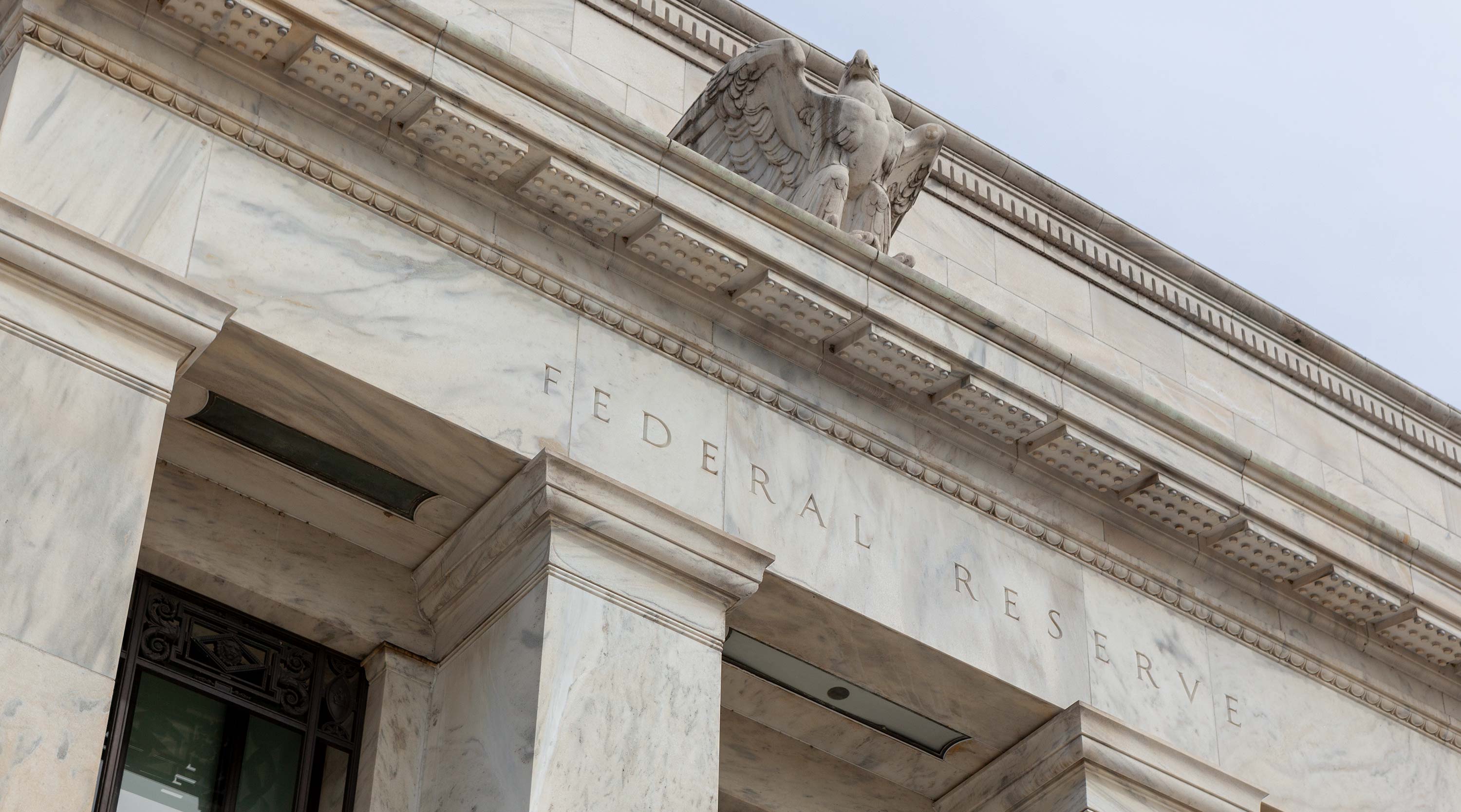
The Federal Open Market Committee voted 12–0 on September 16 to raise its target range by a quarter point to 3.75%–4.00%. It was the first increase since 2023 and the first major decision under Chair Kevin Warsh. The official statement said inflation remained elevated and that the move supported a timelier return to the 2% goal. The unanimity matters: in a politically charged environment, it presents the action as an institutional judgment rather than one chair’s rebellion.
Why this matters
A 25-basis-point move is modest; a reversal of direction is not. Markets, banks and households price a path, not merely a meeting. The new projections suggested most officials expected one more increase by year-end, no cuts in 2027 and PCE inflation returning to 2% only in 2029. That message tells borrowers to stop assuming that expensive money is a short interruption. It also tells the White House that the Fed’s credibility rests on resisting pressure when its mandate points elsewhere.
Why Warsh defied Trump
President Trump chose Warsh but has preferred lower rates. The chair’s incentives changed upon taking office: a central banker who appears politically captured risks higher inflation expectations, a weaker currency and higher long-term yields, all of which can overwhelm any benefit from a small policy cut. Warsh’s blunt argument that inflation had been too high for too long was therefore as much about institutional credibility as the current PCE reading, which was running closer to 4% than 2%.
The 5% Treasury problem
The Dow fell 631 points, or 1.2%, the S&P 500 lost 0.4%, and the 10-year Treasury settled at 5.003%—its first close above 5% in 19 years. Long yields matter for mortgages, corporate debt and stock valuations. A 7% mortgage on a $400,000 loan costs roughly $2,661 a month in principal and interest; at 5%, the payment is about $2,147, a difference above $500 before taxes and insurance. For equities, a higher risk-free return makes distant profits less valuable today, especially for richly priced growth companies.
How this cycle differs from 2022–23
Jerome Powell’s 2022–23 campaign was an emergency climb from near zero after inflation had already surged. Warsh is tightening from a higher plateau after a period of easing and amid simultaneous oil, tariff and investment shocks. The Iran war has lifted energy costs; tariffs raise selected import prices; and AI and data-center construction add demand for power, equipment and labor. Rate policy cannot create oil or transformers, but the Fed can prevent supply shocks from spreading into wages and expectations.
Winners, losers and the $40 trillion backdrop
Savers, money-market funds and well-capitalized lenders benefit from higher yields. Prospective home buyers, small firms and heavily indebted companies lose. The federal government also faces a harder arithmetic after debt passed $40 trillion: higher refinancing costs crowd the budget even if the Fed’s motive is price stability. Critics say the central bank is punishing demand for inflation rooted in war and trade. Supporters reply that failing to act would let repeated shocks become a permanent pricing regime.
What comes next
The remaining meetings are October 27–28 and December 8–9. The base case is one more hike if services inflation and wage growth stay firm. A softer inflation sequence could produce an October pause and a December decision; renewed energy escalation could force faster tightening. The November 3 midterms raise the political temperature but should not change the data test. Watch mortgage spreads, inflation expectations and whether the 10-year yield remains above 5%—not just the next quarter-point vote.
How the rate reaches ordinary budgets
The federal funds rate is an overnight interbank target, not the interest rate printed on a mortgage or credit-card statement. Transmission begins when banks, bond investors and lenders revise the price of money across maturities. Variable-rate debt can reprice quickly; fixed mortgages track longer Treasury yields and the extra spread investors demand for housing risk. Auto and small-business loans depend on funding costs and borrower quality. Deposits may respond more slowly because banks do not have to pass every increase to savers. That uneven transmission creates winners and losers inside the same household: a money-market balance can earn more while a home purchase moves out of reach. It also explains why one quarter-point vote can coexist with a much larger market move. If investors revise the entire expected path of inflation and policy, the 10-year yield can jump even though the Fed changed only the overnight range.
What would prove the Fed right or wrong
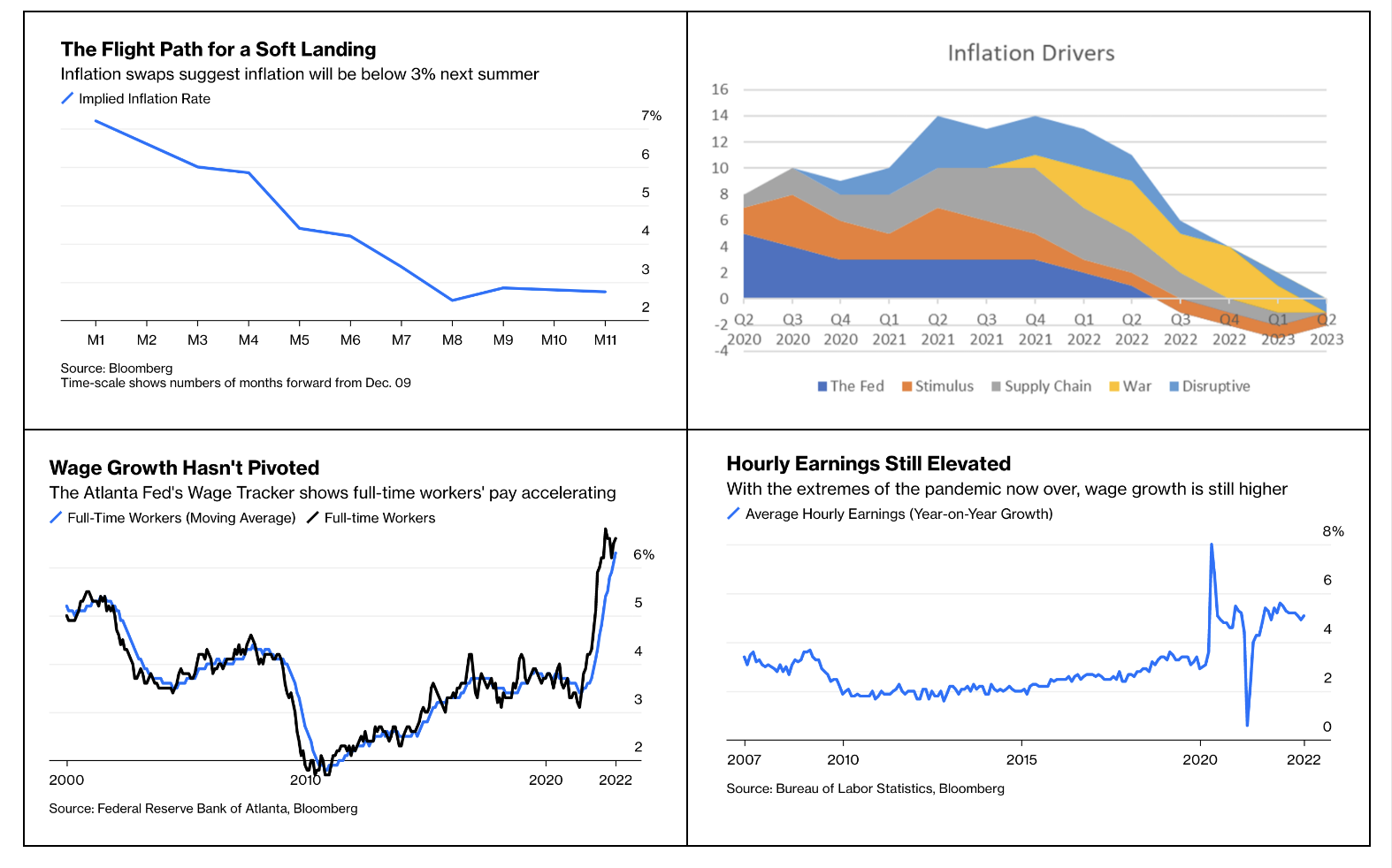
The hike will look justified if core services inflation slows without a sharp rise in unemployment and if medium-term expectations remain anchored. It will look premature if demand weakens rapidly, hiring stalls and inflation falls because the shocks prove temporary. One monthly release cannot settle that. Energy prices can reverse, tariff effects can arrive in waves and housing measures lag private rents. The best watchlist combines the three- and six-month pace of core inflation, wage growth adjusted for productivity, labor-market participation, credit delinquencies and market-based inflation expectations. Warsh also has a communication test: explain what evidence would produce another hike, a pause or an eventual cut. A central bank preserves flexibility by defining its reaction function, not by pretending uncertainty does not exist. The political calendar makes that transparency more important because any surprise near the midterms will be interpreted through partisan motives.
Sources: Federal Reserve FOMC statement; Reuters market analysis; CNN rate decision; WSJ live coverage. Facts and figures are a fixed September 18, 2026 reporting snapshot and do not update live.