
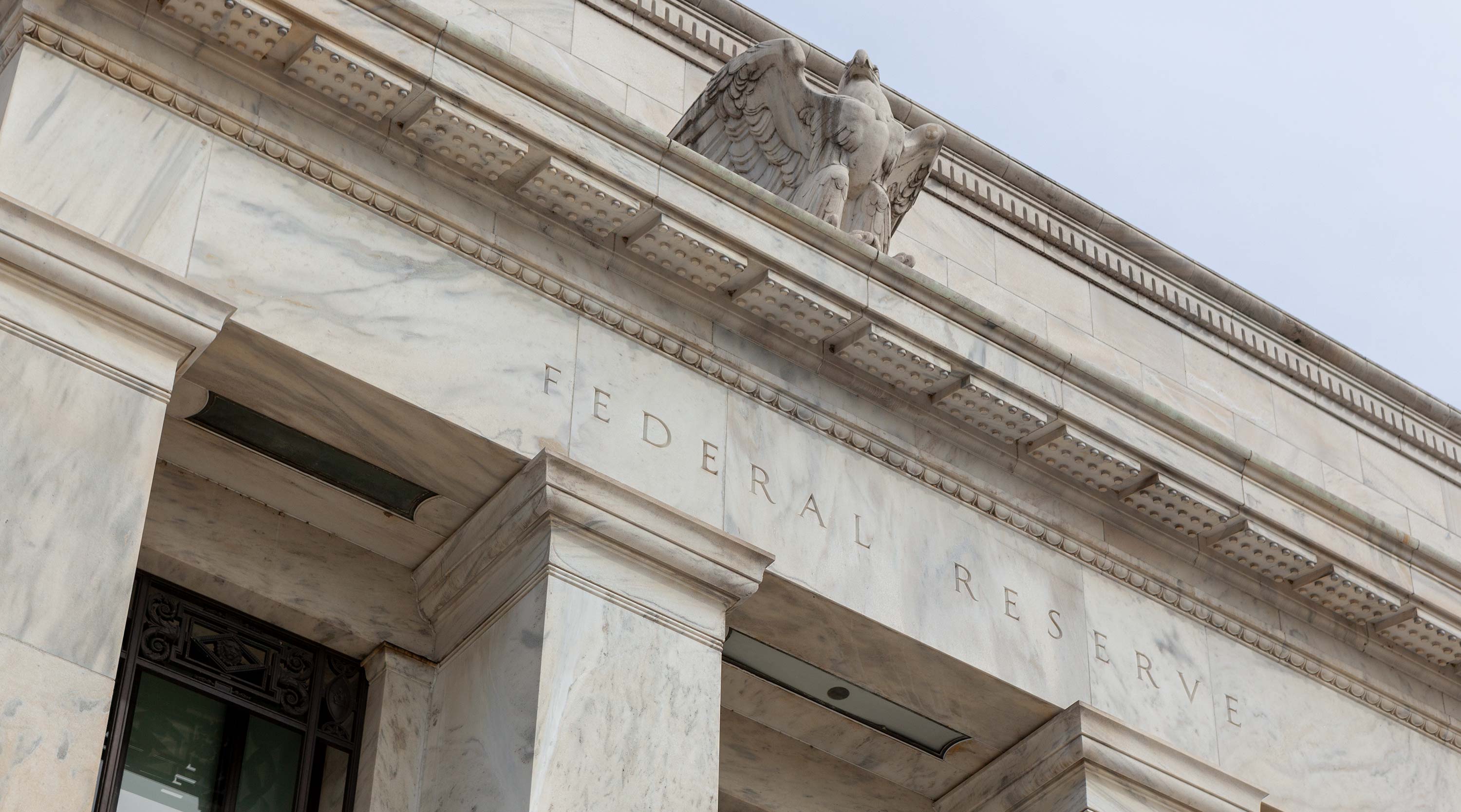
The Bank of Japan raised interest rates on Friday, joining a sequence that included the Federal Reserve two days earlier and the European Central Bank the previous week. The Bank of England held its policy rate but warned that an increase may be necessary. Together, the decisions point to a global shift: central banks that had hoped inflation was contained are confronting renewed price pressure tied to the Iran conflict and energy markets.
This is not a synchronized cycle in the old sense. Japan, the United States, the euro area and Britain have different wage growth, currencies and domestic demand. What links them is an external cost shock that can raise headline inflation before households and businesses have fully absorbed earlier tightening.
Why energy changes the central-bank calculation
Higher oil and gas costs enter inflation directly through fuel and utilities, then indirectly through freight, manufacturing and food distribution. Central banks cannot produce more energy, so rate increases do not remove the original shortage. They can, however, try to stop a temporary shock from changing wages, contracts and expectations.
The danger is timing. Tightening too little may allow inflation to broaden; tightening too much may weaken demand after the energy shock has already reduced household purchasing power. That is why the same oil price can produce different decisions across economies.
Rates cannot repair an energy route. They can only influence what the shock becomes inside the wider economy.
Japan’s move carries extra significance
Japan spent years outside the high-rate world, making each step away from ultra-loose policy consequential for the yen, domestic bonds and global investors who borrowed cheaply in Japanese currency. A higher Japanese rate can change the economics of those trades even when the move looks small beside rates elsewhere.
For Japanese households, the effect is mixed: savers may receive more interest while variable-rate borrowers and businesses face higher costs. Currency strength could reduce imported inflation, but that outcome is neither instant nor guaranteed.
Who wins and loses
Banks and cash savers can benefit from wider interest margins and better deposit returns. Governments, leveraged companies and floating-rate borrowers face higher refinancing costs. Exporters may gain or lose depending on the currency response, while households experience the combined burden of expensive essentials and expensive credit.
The distribution matters. A homeowner with a fixed mortgage may not feel the policy change immediately; a small business rolling over short-term debt can feel it within weeks. Aggregate inflation can cool while specific households remain squeezed.
Why this matters
The emerging sequence challenges the assumption that the post-inflation easing cycle would be smooth. When several major central banks lean tighter, global financing conditions can change even where local demand is weak.
How we got here
Central banks spent the early 2020s fighting pandemic-era inflation, then began to normalize as price growth cooled. Renewed conflict-driven energy inflation interrupts that path, recalling earlier episodes when oil shocks forced policymakers to choose between weak growth and price stability.
Winners, losers and critics
Savers and stronger currencies may gain; borrowers, rate-sensitive housing and indebted governments lose. Critics argue rate rises punish demand for a supply problem. Supporters answer that failing to contain expectations would require harsher action later.
What the comparison implies
A rate decision’s size cannot be compared without its starting level, inflation trend and currency context. The important common signal is direction: policymakers in several major economies now see inflation risk as urgent enough to tolerate tighter financial conditions.
What happens next
Watch energy prices, wage settlements, inflation expectations and central-bank language. If the energy shock persists, more tightening becomes likely; if supply normalizes quickly, banks may pause rather than lock economies into a full new cycle.
Source: Central-bank actions and the energy-inflation context from Reuters, September 18, 2026. Analysis is original to Signal Post News.