Dangote Kenya Pipeline stake: Nigerian billionaire Aliko Dangote has bought about 25 percent of Kenya Pipeline Company, the network that moves almost all of Kenya’s fuel, and says he will spend $1.5 billion expanding it.
Business / Energy — a refiner who already owns Africa’s biggest oil plant now owns a quarter of the pipe his future Kenyan refinery will need, and the questions are about regulators, not money
Track it live: oil prices and energy markets on the Signal Post News live tracker.
What was bought, exactly — and from whom
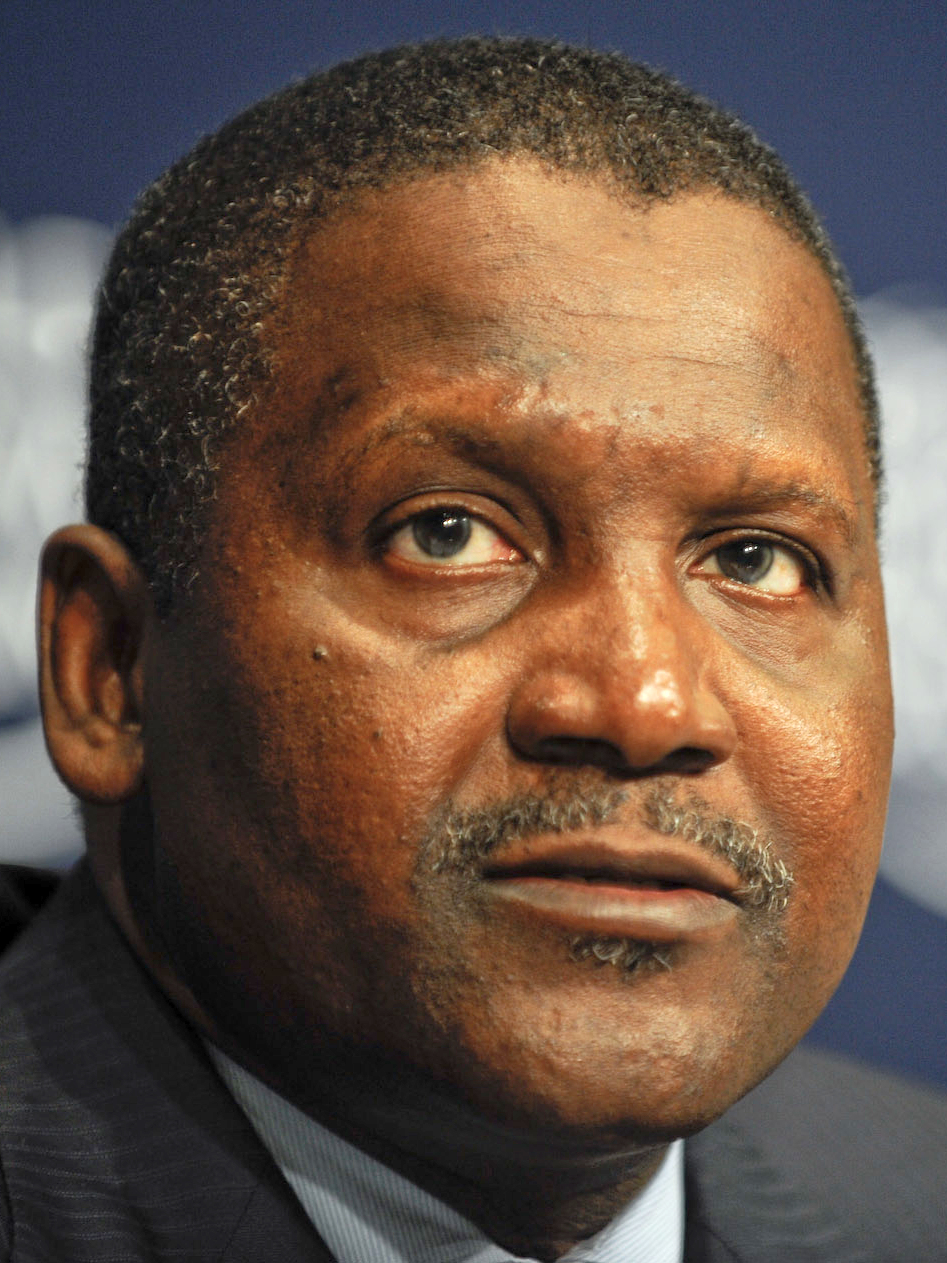
The seller side is the detail that makes this deal unusual. The 4.5 billion shares did not come from ordinary market investors. Capital FM, reporting the Nairobi Securities Exchange block record, said the shares were previously held by state institutions, including Kenya’s National Social Security Fund (NSSF) and the Unclaimed Financial Assets Authority (UFAA). Those public bodies had stepped in earlier this year when Kenya floated Kenya Pipeline: the government sold a 65 percent stake in the company through an initial public offering, its first major state share sale in two decades, and — as both Reuters and the Financial Times noted — public entities ended up holding large blocks after that float. On Tuesday, Kenyan President William Ruto told an audience that private investors had bought a 25 percent stake in the pipeline network from public entities, but did not say who the buyers were. On Wednesday in London, Dangote named himself.
People Daily, a Kenyan newspaper, put the same transaction at 25 percent and traced the money trail behind the original float: President Ruto formally opened trading in Kenya Pipeline shares at the Nairobi Securities Exchange on March 10, 2026, and the IPO raised KSh 106 billion, earmarked for Kenya’s National Infrastructure Fund. One analysis of the exchange record, published by Arbiterz, valued the whole of Kenya Pipeline at about KSh 163.9 billion, which makes a quarter of it worth roughly KSh 41 billion before any premium — close to the KSh 42.5 billion actually paid. In other words, the price looks like market value plus a small premium, not a discount. That matters, because the loudest criticism of this deal (below) is not really about the price. It is about how quietly the shares moved from pension-linked public hands into a single private one.
The refinery on the other end of the pipe
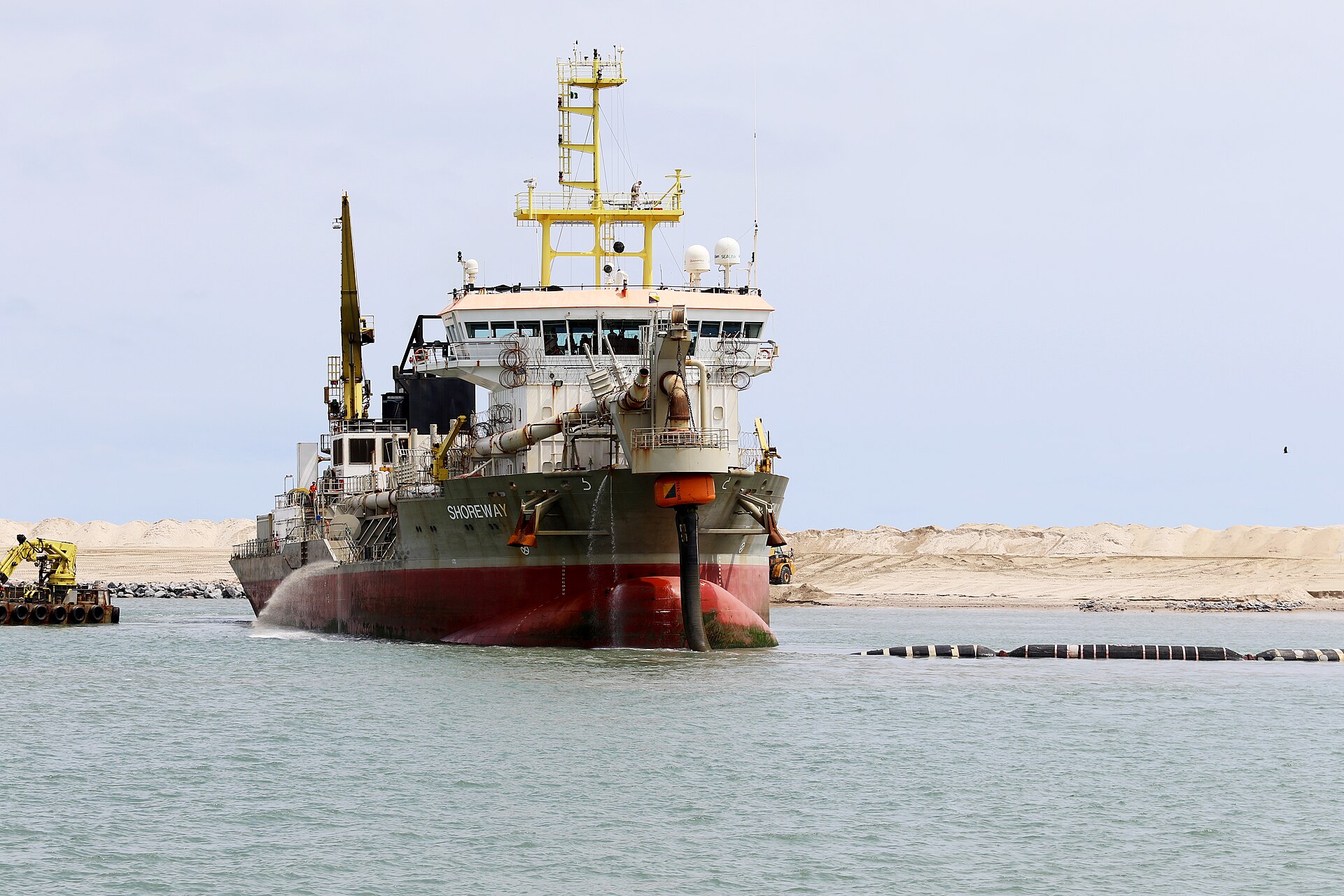
A pipeline stake on its own would be a portfolio investment. Dangote’s is not, because of what sits at the other end. Last month Dangote and President Ruto broke ground on a planned refinery in the Lamu archipelago, on Kenya’s east coast — a project Capital FM priced at between KSh 2 trillion and KSh 2.2 trillion, about $16 billion, with a planned capacity of 700,000 barrels of crude a day and a construction time of about 40 months. That capacity would exactly match his existing refinery outside Lagos, Nigeria, which the Financial Times described as the biggest in Africa and as working flat out since the war in Iran began in February. Dangote told the London summit that initial work at Lamu had already started, and that a land dispute and a court case would not slow the project down.
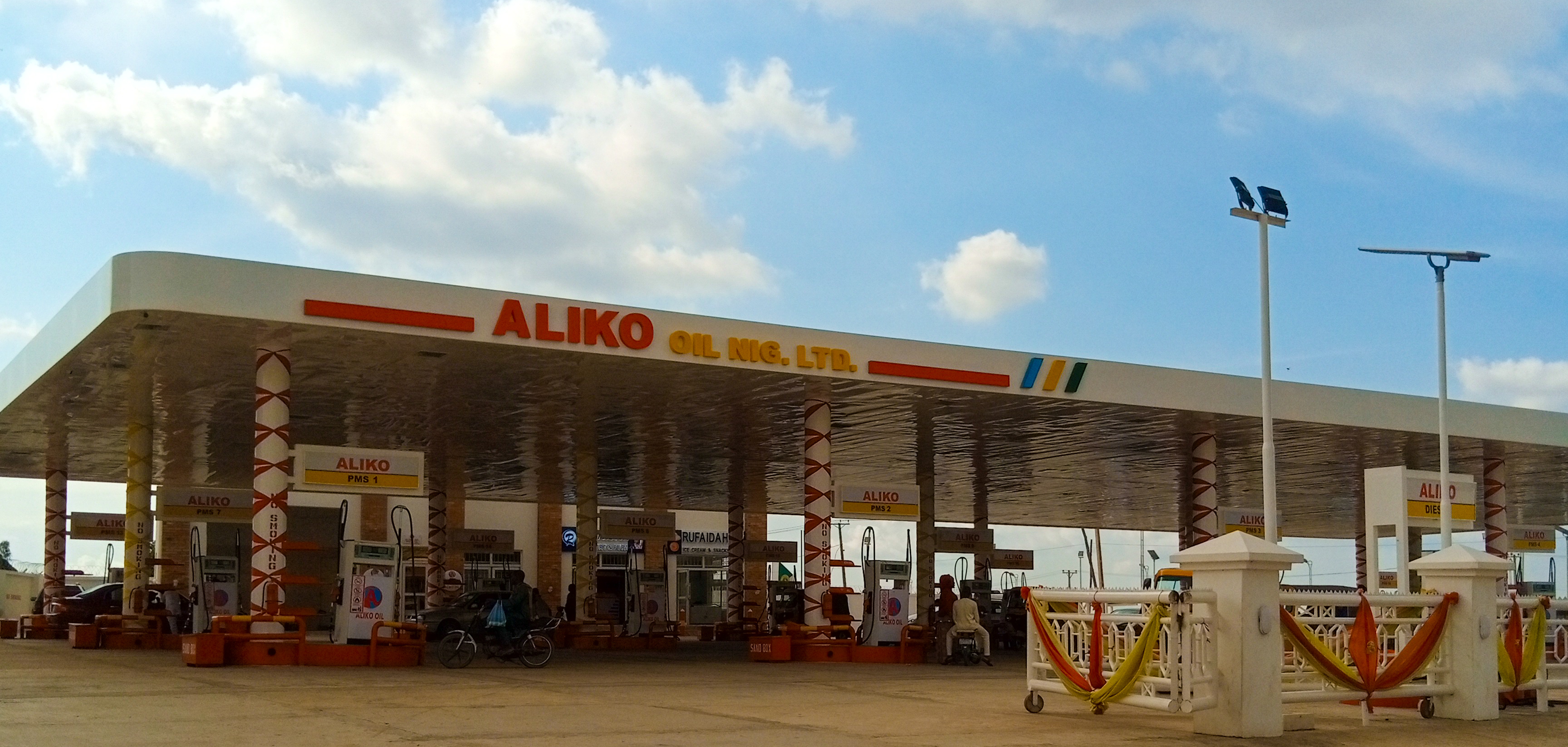
Put the two assets together and the strategy is visible. A refinery makes fuel; a pipeline decides where fuel can go, at what tariff, and in what order customers are served. Dangote’s Lagos refinery already supplies, by his own account at the summit, over 20 percent of the jet fuel used in Europe. A Lamu refinery feeding a pipeline network he part-owns would give him something no African industrialist has built before: refining and distribution under one strategy on both the Atlantic and Indian Ocean coasts of the continent. The Financial Times reported the rest of the map he laid out in London — a 330-million-litre storage “tank farm” planned at Walvis Bay in Namibia, more than triple that country’s existing national storage capacity, with groundbreaking early next month; a second storage facility in Djibouti to supply Ethiopia; another being finalised in Cameroon; and a company-wide target of $50 billion invested by 2030 and revenues of $100 billion by then.
Why this matters
Start with energy security, because that is the argument Dangote himself leads with, and events this year have made it for him. The war in Iran and the repeated closures and attacks around the Strait of Hormuz — the crisis that pushed Brent crude through $110 on this site’s own reporting this month, in our coverage of oil prices hitting their highest since May — exposed how much of East Africa’s fuel arrives as finished product, shipped from far away, through chokepoints other people control. A refinery at Lamu, supplied by sea and feeding an expanded pipeline, is a direct answer to that exposure: fuel refined on the East African coast, for East African markets, moving through East African pipes. “Oil is going to continue to be in demand,” Dangote said in London, rejecting the suggestion he should be investing in renewables instead. “People who have deceived themselves that there’s going to be [an energy] transition, they can do that. We will go the other way.”
Then consider what Kenya sold, and why. Kenya Pipeline was state-owned until this year’s float. People Daily reported the company’s own recent results alongside the privatisation story: profit before tax of KSh 17.54 billion, up from KSh 16.17 billion, with total equity of KSh 119.3 billion and a management target of KSh 68 billion in annual revenue by 2030, including expansion into liquefied petroleum gas, liquefied natural gas, biofuels and even power generation. This was not a failing asset dumped in a crisis. It was a profitable monopoly — the only pipeline network of its kind in the country — sold because a government with limited fiscal space wanted infrastructure money without borrowing it all. That is a legitimate policy choice, and it is also exactly the kind of choice whose terms deserve the closest public scrutiny, because a monopoly pipe, once sold, does not come back.
Finally, there is the competition question, and it is a real one, not a slogan. Kenya Pipeline carries fuel for every marketer in the market, including Dangote’s future competitors. A 25 percent block does not hand him operational control — Kenyan reporting was explicit on that point — but a quarter of the votes in a company is influence, board access and information that rivals do not have. Whether that influence stays passive depends on regulators: Kenya’s Competition Authority and its Energy and Petroleum Regulatory Authority set the rules on access, tariffs and conflicts of interest for a shared fuel artery. The deal’s defenders can fairly say that Dangote’s $1.5 billion expansion pledge is precisely what a capital-short network needs, and that a strategic investor with refineries to fill has the strongest possible incentive to grow the pipe’s capacity rather than squeeze it. Both arguments can be true at once. That is why the regulatory conditions attached to this stake, when they are published, will matter more than the share price did.
The critics: “silent capture” and the unanswered questions
The sharpest Kenyan reaction came within hours, and it was about process, not price. An analysis on HapaKenya called the transaction “the silent capture of Kenya Pipeline Company,” arguing that public institutions such as the NSSF had acted as temporary warehouses — absorbing the shares at the IPO, then selling them on at near-IPO prices — so that pension-linked money took the early market risk of a float whose largest block then passed to one foreign strategic investor. A separate opinion piece on Mwenendo made a narrower demand: that the Competition Authority, the energy regulator and the state bodies that sold should each speak publicly before a large seat inside “Kenya’s fuel highway” turns into influence nobody can see. Those are opinion and analysis pieces, not findings of wrongdoing, and nothing in the Reuters, Financial Times or Kenyan news reporting alleges that any rule was broken. But the factual spine underneath the criticism is not disputed by anyone: the buyer of a quarter of the national fuel network was not named when the sale was first announced in Nairobi, and was named a day later, by the buyer himself, in London.
Dangote, for his part, used the same London platform to defend the broader model behind the deal — state protection for African industry. “It is not about Dangote’s modus operandi. It is the modus operandi of any sensible nation,” he said. “If America is now saying no we are going to protect our industries, who are we in Africa not to protect our industries?” He predicted heavier European duties on Chinese vehicles and argued that a common African market should protect itself as a bloc. Readers can weigh that argument on its merits; what it tells an investor audience is that the Kenya expansion is not opportunistic. It is the east-coast half of a stated, continent-wide plan — the same plan that has his Lagos refinery’s own share offer, expected to raise about $2 billion at a valuation of about $50 billion, extended to the end of this month because, he said, it is oversubscribed. The China fuel story on this site this month — China halting fuel exports as oil prices jumped — is the other side of that same coin: governments everywhere are treating fuel supply as strategic, and Dangote is building for exactly that world.
What happens next
Four things will decide what this deal becomes. First, disclosure: which Dangote company legally holds the stake — Dangote did not name it in London — and what board representation and information rights come with 24.76 percent. Second, regulation: whether Kenya’s competition and energy authorities attach open-access and tariff conditions that protect rival fuel marketers who must use the same pipes, and whether they say so in public, as Kenyan critics are demanding. Third, delivery: the $1.5 billion expansion pledge and the Lamu refinery’s 40-month clock both start now, and a refinery-plus-pipeline system only changes East Africa’s fuel security if both halves are actually built — the Lamu land dispute Dangote waved away in London remains a live court matter on his own telling. Fourth, the template: Kenya’s pipeline float was its first major state sale in two decades, and its proceeds were pointed at a National Infrastructure Fund for roads, energy and ports. If the Dangote block performs — capacity up, tariffs stable, no access fights — this becomes the model for how African states sell infrastructure stakes to African industrial capital. If it curdles into a fight over who controls the pipe, it becomes the cautionary tale told at every privatisation debate for a decade. Either way, the fuel of five countries now runs, in part, through a company a quarter-owned by the man building the refinery designed to fill it. That sentence would have been unthinkable a year ago. On Wednesday, in London, Dangote said it out loud himself.
Sources
Reuters, October 21, 2026, “Nigeria’s Dangote buys 25% stake in Kenya’s oil pipeline network” — Dangote’s announcement at the Financial Times Africa Summit in London; the quote “We bought 25% of their pipeline network for the distribution of petroleum products”; the Lamu refinery groundbreaking last month (700,000 barrels a day); the earlier sale of a 65% stake in Kenya Pipeline via IPO, the government’s first major share sale in two decades; President Ruto’s Tuesday speech noting a 25% private purchase from public entities without naming the buyer. reuters.com
Financial Times, October 21, 2026, “Dangote takes stake in Kenyan pipeline and pledges more ‘aggressive’ energy investment” (read in full) — the $1.5 billion expansion pledge; 4.5 billion shares for $335 million at a slight premium; the 1,300 km network serving Kenya, Uganda, the Democratic Republic of Congo, South Sudan and Rwanda; the Lagos refinery working flat out since February; the refinery IPO extension (about $2 billion, about $50 billion valuation, oversubscribed); the Lamu land dispute and court case; the Namibia Walvis Bay 330-million-litre tank farm, Djibouti and Cameroon storage plans; the $50 billion-by-2030 investment and $100 billion revenue targets; and Dangote’s quotes on oil demand and industrial protection.
Capital FM (Kenya), October 21, 2026, “Aliko Dangote acquires 24.76pc stake in KPC for about Sh42.5bn” — the precise 24.76 percent and KSh 42.5 billion figures; the 4.5 billion shares previously held by state institutions including the NSSF and UFAA; the government stepping in at the IPO amid low private uptake; the Lamu refinery at KSh 2–2.2 trillion (about $16 billion), 40 months, 700,000 barrels a day, intended to supply Uganda and Tanzania as well as Kenya. capitalfm.africa
People Daily (Kenya), October 21, 2026, “Aliko Dangote acquires 25% stake in Kenya Pipeline Company” (Faith Lagat) — Bloomberg as the original disclosure route; the Lamu Port–South Sudan–Ethiopia Transport Corridor context; the March 10, 2026 opening of trading and the KSh 106 billion IPO raised for the National Infrastructure Fund; and, in its companion business coverage, Kenya Pipeline’s profit before tax of KSh 17.54 billion, equity of KSh 119.3 billion and KSh 68 billion-by-2030 revenue target. peopledaily.digital
Critical reaction, cited as opinion/analysis and not as findings: HapaKenya, October 21, 2026, “The silent capture of Kenya Pipeline Company” (the “temporary warehouse” argument about public institutions); Mwenendo, October 21, 2026, “A Refiner Inside the Pipe” (the call for the Competition Authority and the energy regulator to speak publicly). Supporting figures: Arbiterz, October 21, 2026 (Nairobi Securities Exchange block record of about 4.5 billion shares for KSh 42.5 billion, about $327 million; Kenya Pipeline market valuation of about KSh 163.9 billion).