China kindergarten lead poisoning sentencing: the Lanzhou Intermediate People's Court on Friday, October 16, 2026 jailed Heshi Peixin Kindergarten operator Li Huifang for life, executive principal Zhu Jinglin for 15 years and four kitchen workers for six to eight years each, after inedible lead pigment was added to children's food in Tianshui, Gansu, and 247 of 251 children tested had abnormal blood lead levels.
Tianshui / A life sentence for brighter food — the officials, hospital and CDC who failed 247 children are still to answer
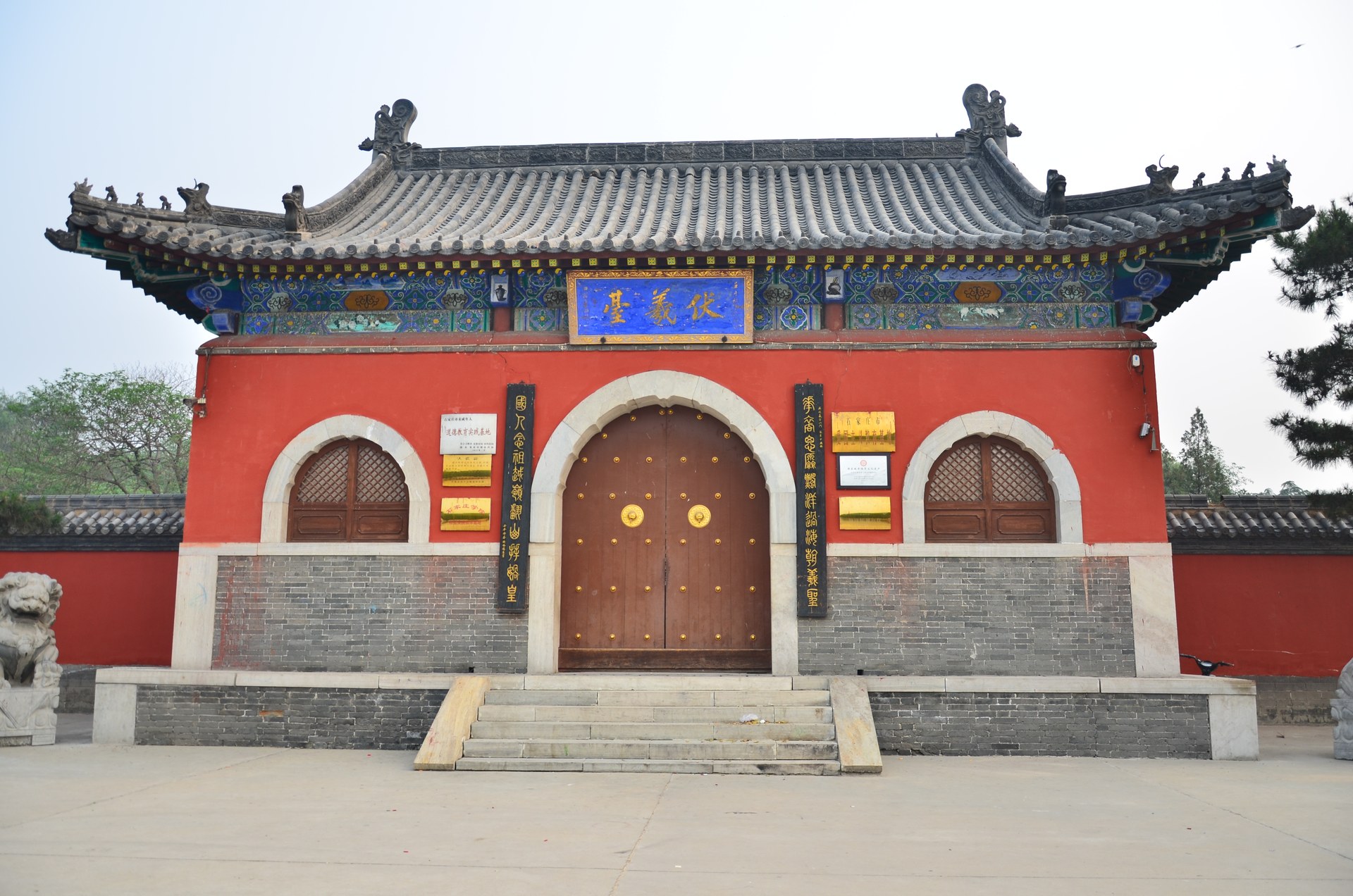
TIANSHUI, China — The food was made to look brighter. That is the fact at the centre of one of the worst school food-safety crimes in modern China — and on Friday, October 16, 2026, a court in Lanzhou decided what it was worth. The Lanzhou Intermediate People's Court sentenced Li Huifang, the operator of the Heshi Peixin Kindergarten in Tianshui's Maiji District, to life imprisonment for producing and selling toxic and harmful food, stripped her of her political rights for life and ordered 500,000 yuan of her personal property confiscated. The kindergarten's executive principal, Zhu Jinglin, was jailed for 15 years and fined 300,000 yuan. Four kitchen workers who carried out the orders were jailed for between six and eight years each and fined. In total, China sentences six for lead-tainted kindergarten food that sickened over 200 children — 247 of the 251 children tested, investigators found, had abnormal levels of lead in their blood.
What the court found
The China kindergarten lead poisoning sentencing closes the criminal case that began in July 2025, when parents in Tianshui took their children for blood tests and the results came back at levels no parent should ever see. According to the verdict reported by Xinhua, Li and Zhu instructed kitchen staff to add toxic and harmful substances to food served to children and employees so the dishes would appear more colourful and attractive. The provincial investigation released in July 2025 established what those substances were: inedible industrial paint pigment, bought online, diluted and mixed into pastries and other food. Contaminated food had been served monthly since May 2024 — more than a year before the poisoning was exposed.
The numbers from the official investigation are stark. Two sampled dishes — a tricolour red-date sponge cake served at breakfast and a corn roll with sausage served at dinner — contained lead at 1,052 milligrams per kilogram and 1,340 milligrams per kilogram respectively, against a national safety limit of 0.5 milligrams per kilogram. That is more than two thousand times the permitted level, in food made for children aged three to six. Of 251 children examined, 247 had abnormal blood lead levels, and more than 20 members of staff were affected as well. All of the children received hospital treatment or nutritional intervention at home; by July 20, 2025, most had completed a first round of treatment and been discharged, with medical experts reporting an average fall of 40.21 percent in their blood lead levels.
Why this matters
Lead is not an ordinary contaminant, and young children are not ordinary victims. The World Health Organization lists lead among the ten chemicals of major public health concern, and there is no known safe level of lead exposure for a child: lead attacks the developing brain and nervous system, and the damage — to intelligence, attention and behaviour — can be permanent and irreversible even when blood levels later fall. That is why a 40 percent average reduction in blood lead, welcome as it is, is not the same as making these children whole. The children of Peixin Kindergarten will need monitoring for years, and some of the consequences of their poisoning may only become visible as they grow, learn and are tested against their peers.
The motive the investigators described makes the case harder to absorb, not easier. This was not a factory accident, a contaminated water supply or a supplier's hidden substitution. On the court's findings, the pigment was added deliberately, on instructions from the two people in charge, because brighter food looked better — a marketing decision, taken to make the kindergarten more attractive to fee-paying parents and to grow enrolment. Food-safe colouring existed and was, on the investigation's account, cheaper. The brighter industrial pigment was chosen anyway.
The cover-up that compounded the crime
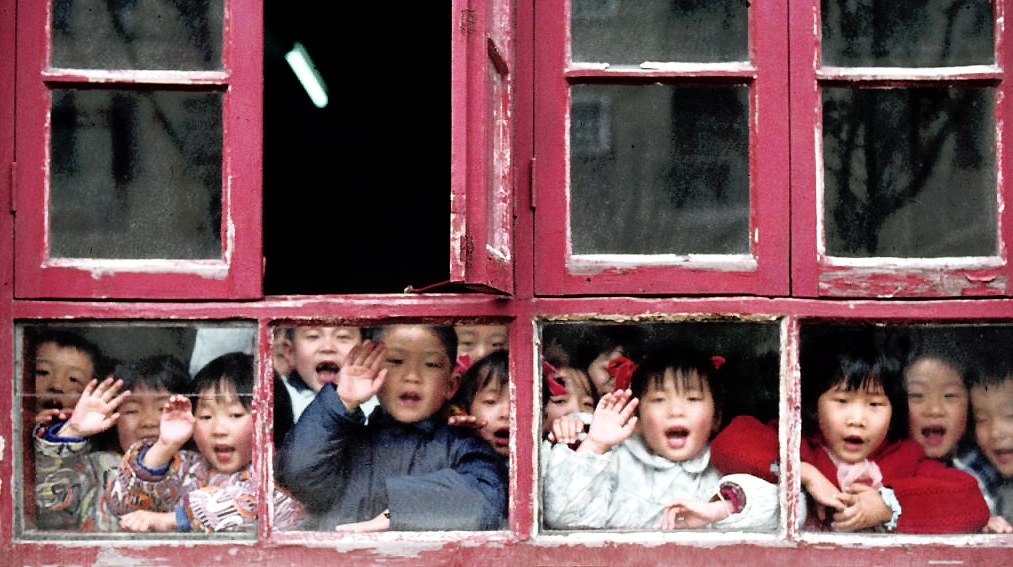
If the poisoning was the crime, what happened around the testing was the scandal inside the scandal. The provincial investigation found serious failures — and worse — in the institutions that should have caught it. Tianshui's Second People's Hospital, which handled early blood tests, was found to have managed the case chaotically and, on the investigation's findings, test results were altered; some children were initially reported as normal before retesting elsewhere produced far higher readings. The provincial Centre for Disease Control mishandled samples it tested in early July 2025, leaving them standing for hours without proper shaking, distorting results. Local education and market-regulation officials failed to supervise a kindergarten that investigators said was operating without a licence, and some officials were suspected of accepting bribes and favours from the kindergarten's investor. Ten officials, including the director of the provincial health commission and senior Tianshui leaders, were placed under disciplinary investigation, and the Gansu provincial government issued a public apology, promised zero tolerance for the regulatory failures and pledged to cover the children's treatment and long-term monitoring.
That layering matters for understanding Friday's sentences. The life term for Li Huifang answers the deliberate poisoning. It does not, by itself, answer the question parents asked throughout 2025: how did a system with hospitals, a disease-control centre, education inspectors and market regulators all looking at the same small kindergarten fail at every single checkpoint — and who, beyond six kitchen and management staff, will ultimately be held responsible for that?
Coverage of the investigation by ABC News (Australia), drawing on CCTV reporting, added a further allegation: that kindergarten managers bribed officials to alter children's blood-test results as the first alarming readings emerged. Parents described a pattern that reporting by Sixth Tone also documented — children first told their levels were normal, then, when families paid for retests in other cities, results many times higher. It was that gap, between what families were first told and what independent testing showed, that turned a local food scandal into a national crisis of confidence in the summer of 2025.
How China has responded — and what critics say
Beijing's response has run on two tracks. The criminal track produced Friday's verdicts: six convictions for producing and selling toxic and harmful food, with the heaviest sentence available short of death for the operator. The regulatory track produced new national guidelines for campus meals, requiring every new batch of food to be tested and staple ingredients such as rice, flour and cooking oil to be bought through centralised procurement, alongside a pledge of strengthened oversight of school food across Gansu. The timing of the sentencing carried its own context: the day before the verdict, the WHO publicly urged governments to do far more to prevent lead exposure, calling it one of the world's most serious yet overlooked environmental health threats, with hundreds of millions of children affected globally. UNICEF, when the case broke in 2025, said it stood ready to help strengthen food safety and protect children from lead exposure in China.
Supporters of the verdict — and there were many in Chinese public discussion of the case — argue that a life sentence sends the clearest possible signal that food crimes against children sit at the very top of the penal scale, and that the public naming of failures at the hospital, the CDC and two levels of government went further than official accountability exercises often do. Critics, including parents' advocates quoted in coverage of the investigation, answer that punishment after the fact is the weakest form of protection: the pigment was bought openly online, the kindergarten operated unlicensed, earlier warning signs in children's tests were missed or suppressed, and none of the new rules help unless the local officials charged with enforcing them are themselves watched. Both things can be true at once — the sentences can be deserved, and the system that made them necessary can still be unreformed.
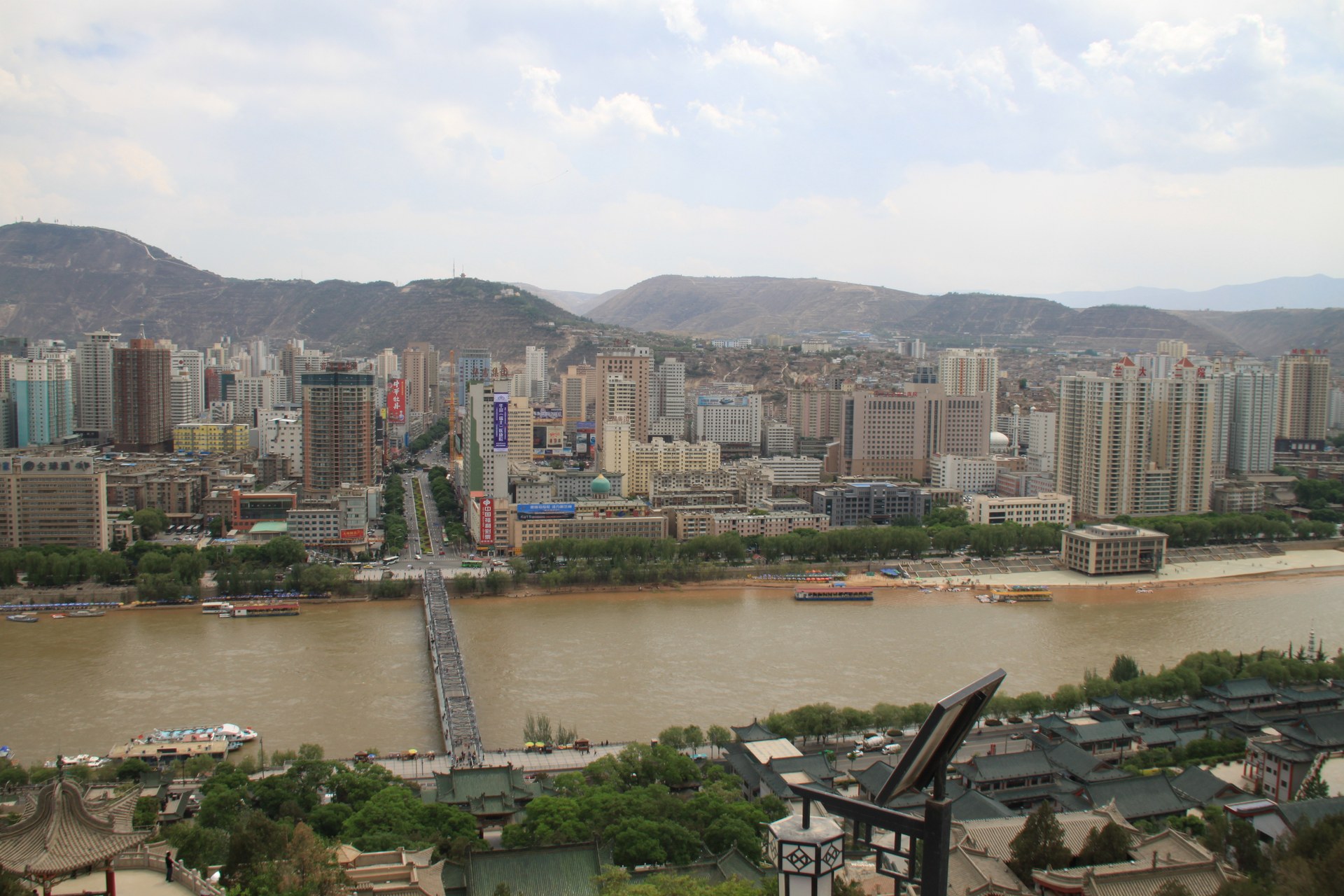
The global context was stated plainly the day before the verdict. The World Health Organization's Bruce Gordon, speaking as the agency urged governments to act on lead exposure, called lead poisoning "one of the world's most serious yet overlooked environmental health threats" — a description reported by ABC News (Australia) alongside the sentencing coverage. Lead remains one of the WHO's ten chemicals of major public health concern, and health agencies estimate that hundreds of millions of children worldwide carry elevated blood lead from paint, water, soil, industry and, in cases like this one, food. The Peixin children were not poisoned by an environmental accident of geography; on the court's findings, the lead was put in their food by hand, on purpose, in their own school kitchen.
What happens next
Friday's judgment is a first-instance verdict, the opening judgment of the Lanzhou court rather than the final word of the Chinese legal system, and the defendants' next steps — and any appeals — will be watched closely. So will the disciplinary and criminal proceedings against the officials, hospital managers and CDC staff named in the investigation, which are the outstanding half of the case's accountability. For the families, the practical questions are longer-term: continued free treatment, honest and independent monitoring of 247 children's development, and compensation that reflects harms that may not fully declare themselves for years.
The wider test is simpler and harder. China feeds tens of millions of kindergarten children every school day, overwhelmingly safely, on the strength of a chain of trust that runs from a kitchen worker to an inspector to a hospital laboratory. In Tianshui, every link in that chain was tested — and every link failed before parents, testing their own children, finally broke the story open. A life sentence closes the courtroom chapter of the Peixin Kindergarten case. Whether it closes the gap that let paint pigment be served to three-year-olds as food colouring, for fourteen months, in plain sight, is a question no verdict can answer on its own.
Sources
Xinhua via Qazinform News Agency — October 16, 2026 (verdict, sentences, investigation findings) · ABC News (Australia) — October 16, 2026 (CCTV reporting, WHO remarks) · Associated Press via CTV News and The Washington Post — October 16, 2026 ("China sentences 6 for lead-tainted kindergarten food that sickened over 200 children") · China Daily — investigation details (food sample lead levels, licensing and oversight failures) · Sixth Tone — investigation into hospital and CDC testing failures · World Health Organization — lead poisoning fact materials; UNICEF China statement, July 2025.
Related coverage: Bangladesh measles outbreak: 1,147 dead in the world's worst outbreak · China tells Israel to stop and reverse West Bank settlements, Wang Yi tells Herzog