Belleville synagogue shooting
TopicsBelleville synagogue shootingOntario Yom Kippur shootingSons of Jacob Synagogue BellevilleSean Ward suspect dies
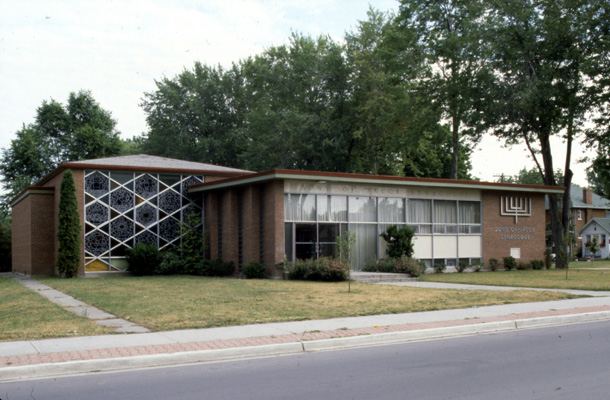
The man accused of opening fire outside a synagogue in Belleville, Ontario, as congregants gathered for Yom Kippur has died in hospital, authorities said Tuesday. Sean Ward, 29, of Quinte West died Monday night from injuries sustained in a gunfight with police that saw as many as 30 shots exchanged outside the Sons of Jacob Synagogue on Sunday evening. Constable Jeff Smith, a 13-year veteran of the Belleville Police Service stationed outside the synagogue, was critically wounded and remains hospitalized. About two dozen people were inside the synagogue when the shooting began. None of them was hurt.
Sunday night: how the Ontario Yom Kippur shooting unfolded
According to Ontario's Special Investigations Unit, Ward arrived in a truck around 7 p.m. on Sunday and fired a shotgun at Constable Smith, who was parked in an unmarked cruiser outside the Sons of Jacob Synagogue in Belleville, roughly 110 miles east of Toronto. Smith returned fire before a second officer arrived and also fired. In all, investigators say roughly 20 to 30 shots were exchanged in a scene that stretched about half a block. Nearby vehicles and homes were riddled with bullet holes, and a street-facing stained-glass panel at the synagogue was struck, though as of Monday there was no forensic confirmation the synagogue itself had been hit. The gunfire erupted just as congregants gathered inside to begin Yom Kippur observances. Synagogue president Norman Weddum, who was greeting members at the entrance, heard a sudden succession of loud blasts, guided attendees into an inner room, locked the doors and told everyone to take cover. One congregant, Douglas Lobel, said the shooting lasted two or three minutes and "seemed like an eternity." When an officer finally entered the synagogue and asked whether anyone was hurt, Lobel told the AP: "This officer was a hero who saved our lives. If this officer wasn't there, I don't know what could have happened."
Why this matters
This attack landed on Yom Kippur — the holiest night of the Jewish calendar, the Day of Atonement, when synagogues are at their fullest and their most vulnerable. That timing is not incidental; it is the point. An armed man walked toward a house of worship on the one night of the year when Jewish communal life is most concentrated, and the only thing between him and two dozen worshippers was a single police cruiser. That the cruiser was there at all tells the deeper story: it had been stationed outside at the congregation's own request as part of a long-standing security arrangement. The Sons of Jacob community already felt unsafe enough to ask for armed protection on a holy day — and Sunday night proved them right. For Canada's Jewish community, this is the fear made concrete, on the worst possible night. For the country, it is a stress test of whether the government's promised crackdown on hate is rhetoric or policy.
A community already on guard
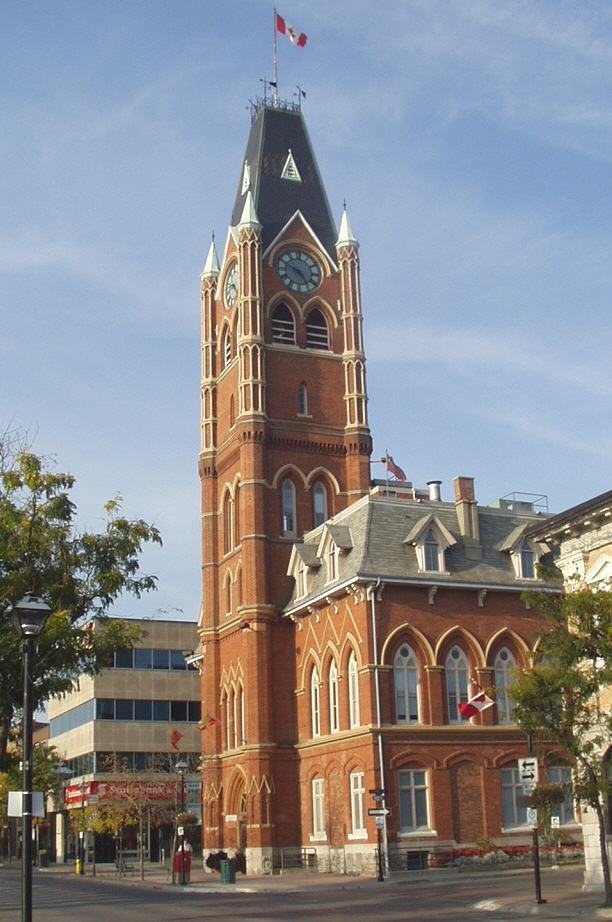
The Belleville shooting did not come out of nowhere. Jewish community groups and anti-hate organizations describe it as the latest incident in a wave of antisemitic violence that has swept across Canada in recent years — firebombings, gunfire at Jewish schools, vandalism of synagogues and cemeteries. That context explains the unmarked cruiser outside a small-town synagogue in eastern Ontario: congregations across the country have been hardening their security for years, quietly, without headlines. Belleville is not Montreal or Toronto; it is a city of about 55,000 on the Bay of Quinte, and the Sons of Jacob Synagogue is a modest community institution. If a congregation like this one felt it needed a police officer on Yom Kippur, the sense of siege is not confined to big-city headlines. It is national. And it raises an uncomfortable question for Canadian authorities: when even protected gatherings are attacked, what does protection actually mean?
Who gains, who loses
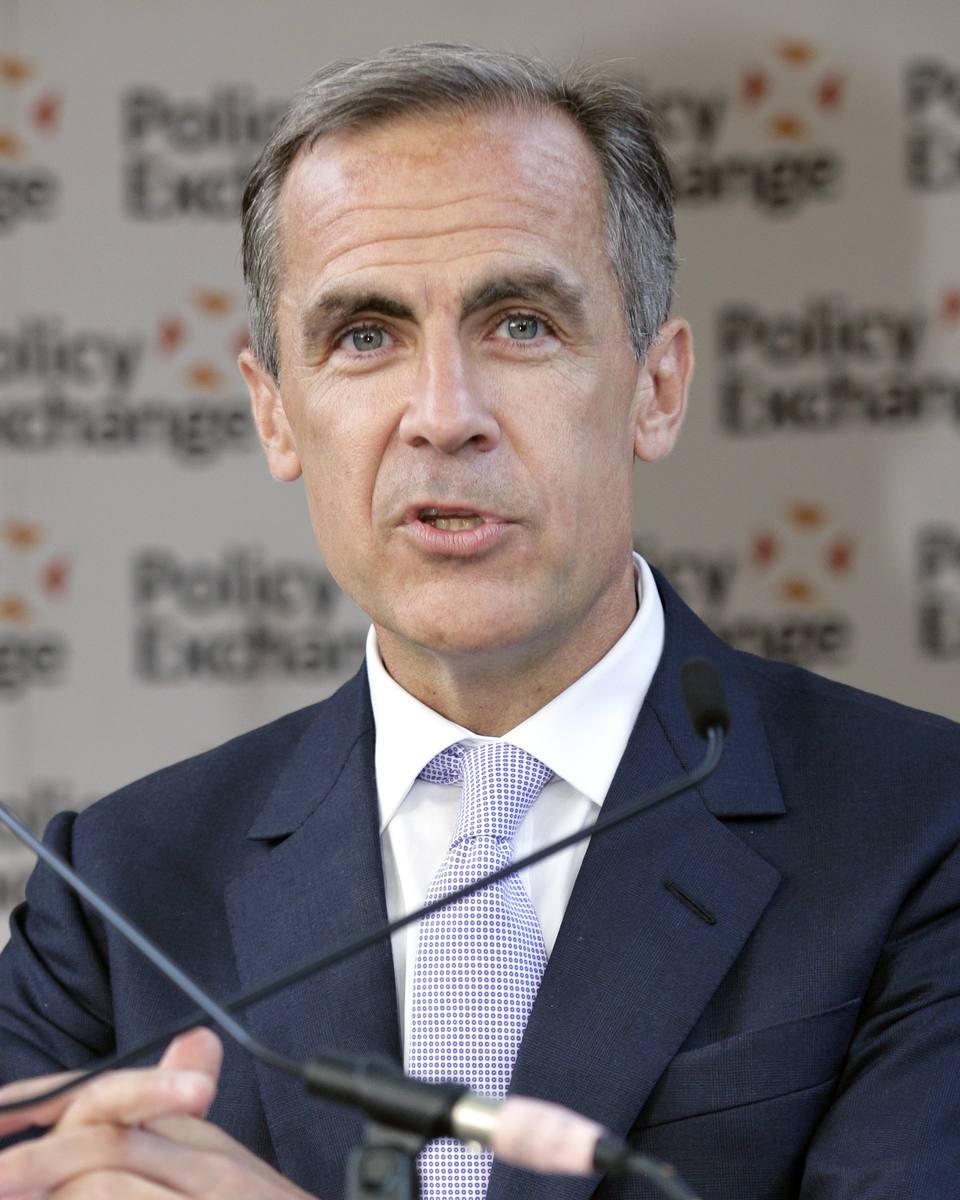
The clearest political winner — if that word can be used — is Prime Minister Mark Carney's legislative agenda. On Monday, Carney posted on X: "Last night, on the holiest night of the Jewish calendar, a shooting took place outside the Sons of Jacob Synagogue in Belleville. Jewish people must be able to worship safely. To live free, open, proud Jewish lives." He framed the attack as evidence for new laws "combating hate" his government is preparing. A tragedy like this gives that legislation moral urgency and political cover that committee hearings never could. The losers are harder to name but easier to feel: the Belleville congregation, which must now decide whether to return to a sanctuary with a bullet-scarred stained-glass window; Jewish families across Canada weighing whether to send children to Hebrew school; and, paradoxically, the credibility of Canada's security posture — because an attack that happens under a police watch invites questions no official wants asked. Belleville's deputy police chief, Sheri Meeks, tried to answer them preemptively: "Let me be very clear — antisemitism, hate, and violence have no place in our community. Every person deserves to feel safe when attending a place of worship, gathering with loved ones, or participating in community life."
What the scene actually tells us
Strip away the statements and the forensics sketch a picture of intent. Ward did not stumble into a confrontation; investigators say he arrived in a truck around 7 p.m. and fired directly at the officer outside the synagogue — the synagogue president himself said the suspect's intentions were "pretty clear" given he was walking down the street with a firearm toward a building where Jewish citizens were holding services. Twenty to thirty shots across half a block is not a warning; it is an assault. And here is the detail that should haunt policymakers: the officer was in an unmarked cruiser. Ward fired anyway — at a position he may or may not have known was occupied. Either he knew police were there and attacked regardless, or he was aiming at the synagogue and hit the officer first. Neither reading is reassuring. What we do not know, and must not pretend to know, is the motive. Asked whether the attack could be called terrorism, SIU spokesperson Kristy Denette said "common sense would say that probably was the case" — but she stressed the SIU investigates the police response, not the attack itself. A separate criminal investigation by Belleville police into Ward's actions and any possible motive is underway.
The man in the middle of it
Ward's background adds another layer of unease. Canada's Department of National Defence confirmed to CNN that he joined the Canadian Army in July 2017 and was discharged in June 2022 with the rank of corporal after serving in an infantry regiment. He was never deployed. That is the full extent of what is publicly verified — no confirmed ideology, no manifesto, no stated grievance. Military service, on its own, explains nothing; most veterans live quiet lives. But investigators will be pulling his service record, his digital footprint and his recent movements for exactly that reason: a 29-year-old with infantry training who shows up at a synagogue on Yom Kippur with a shotgun demands a motive, and until Belleville police find one, speculation will fill the vacuum. Responsible coverage means sitting with that uncertainty rather than resolving it prematurely.
What happens next
Three tracks now run in parallel. First, the forensics: Ward's post-mortem was scheduled for Wednesday in Kingston, and the SIU's investigation into the officers' use of force will determine whether the lethal response was justified — standard procedure in Ontario when police gunfire kills. Second, the criminal probe into motive, which will decide whether this is prosecuted in the court of public record as terrorism, a hate crime, or something murkier. Third, and most consequential, Carney's promised hate legislation. The prime minister has linked this attack directly to the bill; its contents — expected to target hate propaganda, strengthen protections for places of worship, and possibly expand police powers around demonstrations — will now be debated under the shadow of Belleville. Watch for three things: whether the legislation moves faster than its original timetable, whether Jewish community groups say it goes far enough, and whether civil-liberties advocates warn it goes too far. Meanwhile, synagogues across Canada are reviewing their own security this week. The unmarked cruiser in Belleville was the plan working as designed — an officer absorbed the attack meant for worshippers. The question now is how many more cruisers Canada is prepared to park outside how many more sanctuaries, and for how long.
In focus
Sources
- CNN: "Suspect in Canada's Yom Kippur shooting has died, authorities say," Sept 21–22, 2026
- The Associated Press (via WCIA): "Up to 30 shots fired after man opened fire on officer outside Ontario synagogue," Sept 21, 2026
- CBC News reporting (via InfoHandle): "Ontario Watchdog Confirms Belleville Synagogue Shootout Suspect Died in Hospital," Sept 22, 2026
- Combat Antisemitism Movement: "Gunman Opens Fire Outside Ontario Synagogue During Yom Kippur Services," Sept 21, 2026
- Ontario Special Investigations Unit: statements by spokesperson Kristy Denette, Sept 21–22, 2026
- Belleville Police Service: statements by Deputy Chief Sheri Meeks, Sept 21, 2026
- Prime Minister Mark Carney: statement on X, Sept 21, 2026
- Department of National Defence (Canada): service record confirmation to CNN, Sept 2026