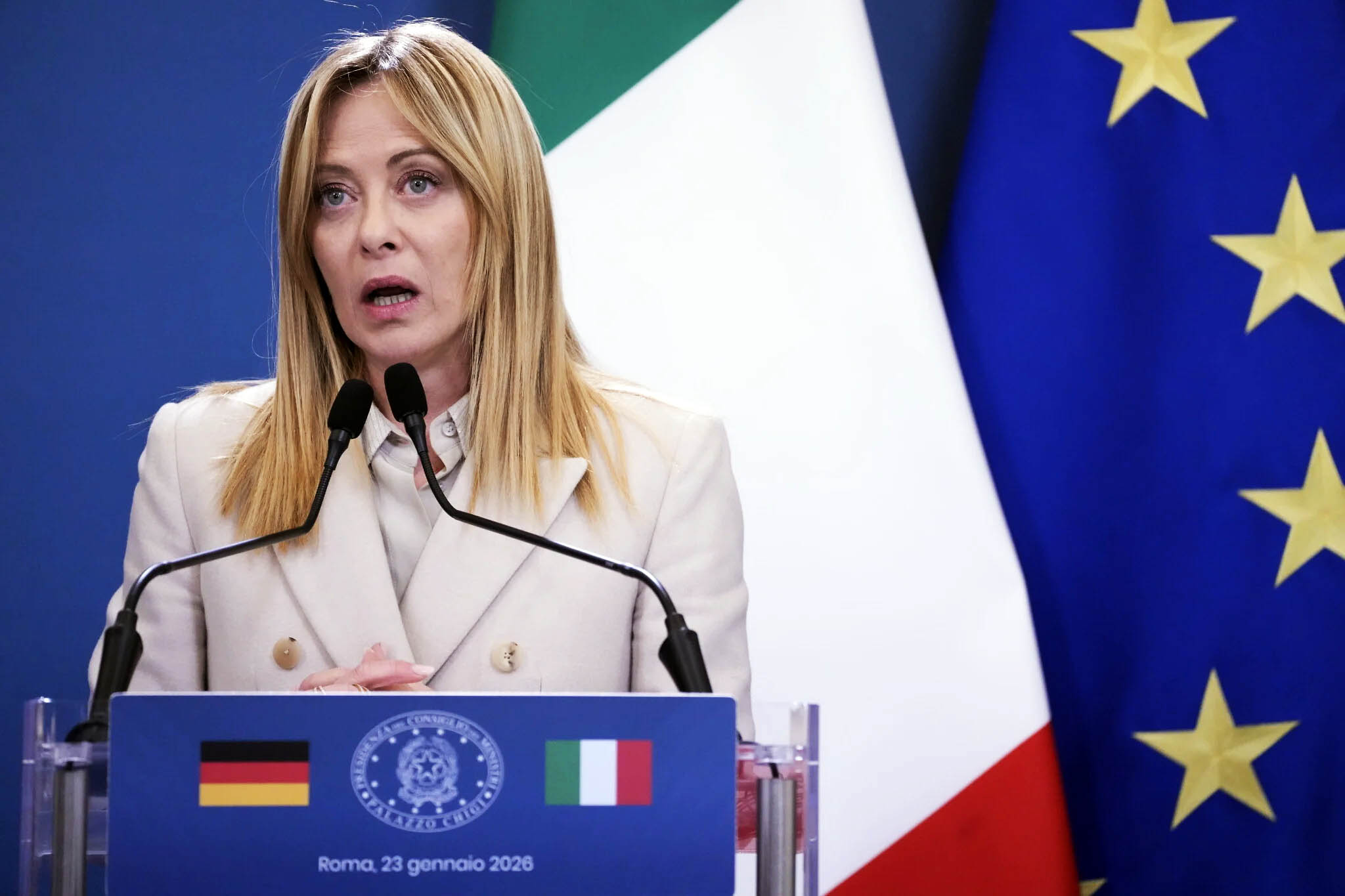
What Meloni proposed
Speaking on September 20 at Fenix, the youth festival of her Brothers of Italy party, Meloni said the package would go to Cabinet soon. She described three elements: a ban on burqas and niqabs in schools, a legal cap on foreign pupils in each class and compulsory Italian lessons for parents of children judged to have serious difficulty integrating.
The face-covering rule would not apply to the hijab. Meloni did not specify the proposed classroom cap or explain how schools already above it would comply. Those details will determine whether the measure becomes a workable education policy or primarily a political signal.
Education and integration
Italy already uses guidance suggesting that foreign students should generally not exceed 30% of a class, but local concentrations vary widely. A binding cap could spread language needs across more schools, yet it could also require children to travel farther and separate classmates from their neighborhoods.
Language support is the policy’s strongest practical element. Teachers can work more effectively when pupils and parents understand school instructions, schedules and assessments. But compulsory lessons require instructors, childcare, transport and a fair method for deciding who must attend.
Rights and legal scrutiny
Italy’s public-order law already restricts face coverings that prevent identification without justified reason, while religious freedom and equal-treatment protections constrain how a school-specific ban can be applied. A narrow identification rule is legally different from a policy that targets one religion’s garments.
The right to education creates another test. Excluding a student because of clothing may reduce her autonomy rather than increase it. Courts are likely to examine proportionality: whether the government has identified a concrete school problem and chosen the least restrictive way to address it.
Citizenship complicates the cap
Children born in Italy to foreign parents generally cannot apply for citizenship until adulthood. A quota based on citizenship could therefore classify Italian-born, Italian-speaking pupils as foreign. A language-based measure would target classroom needs more directly, but it would require individual assessment and greater resources.
The distinction matters because the policy’s stated goal is integration. A rule that distributes children by passport rather than educational need could undermine that goal while increasing stigma.
Who gains and who loses
Meloni gains a policy that joins immigration, education and national identity—issues that mobilize her base. Schools with severe language bottlenecks could gain staff and clearer planning if funding accompanies the law.
Pupils and families bear the risk of reassignment, labeling and uneven enforcement. Municipalities may absorb transport and administrative costs. Teachers could gain smaller concentrations of language need while losing neighborhood continuity and class stability.
What happens next
The Cabinet draft must answer the numerical cap, definition of a foreign student, enforcement rules, exemptions and funding. Parliament would then consider the measure, and any enacted restrictions could face constitutional or European-rights challenges.
The decisive evidence will be operational: whether the package adds language teachers and family support, or mainly redistributes children and bans a garment worn by very few students.
Sources
Reuters, “Italy to ban veils in schools, limit foreign students per class, Meloni says,” September 20, 2026: Read the report
Associated Press, “Meloni plans to ban burqas and niqabs in Italian schools, and cap foreign students in classrooms,” September 20, 2026: Read the report
GKToday, “Italy Plans Burqa and Niqab Ban in Schools,” September 20, 2026: Read the report