Amnesty Mali Wagner war crimes report
The Amnesty Mali Wagner war crimes report documents the alleged unlawful killing of at least 34 civilians in seven localities during joint operations by Mali’s armed forces and personnel from Russia’s Wagner Group between June 2023 and December 2025. Amnesty International says none of the victims it documented was taking direct part in hostilities when killed. Witness accounts describe people being shot while trying to flee or after arrest; some victims allegedly had their throats cut, while others were burned alive or after death.
The findings, published Tuesday, cover incidents in the Ségou, Mopti and Timbuktu regions along Mali’s border with Mauritania. The report also alleges torture, enforced disappearance, pillage and the destruction of civilian property. Reuters reported that Mali’s military-led government, which has denied killing civilians in its campaign against jihadist groups, did not immediately answer a request for comment. Moscow also did not immediately respond. Amnesty said it shared its findings with Malian authorities on August 3 and had received no reply by publication.
What Amnesty documented in the seven killing incidents
Amnesty’s central allegation is not simply that civilians died around military operations, but that the documented deaths were deliberate. In Tin Adanda, a hamlet in the Timbuktu region, four people were allegedly killed during a February 12, 2025 joint patrol. One survivor, identified under the pseudonym Hana, told Amnesty that two of her sons and a cousin were arrested and killed. She described the force as “mostly white men, accompanied by FAMa,” using the abbreviation for the Malian armed forces.
Amnesty’s researchers said the victims across the seven incidents were predominantly pastoralists from Fulani, Arab and Tuareg communities. The organization alleges that troops and Wagner personnel treated ethnicity and presence in areas where armed groups operate as evidence of collaboration. A herder who fled to Mauritania told investigators that soldiers and Wagner members regarded all herders as terrorists and therefore did not hesitate to burn people or property.
Those allegations require independent and effective investigations. They also sit within a conflict in which abuses have been attributed to multiple parties, including jihadist groups. Amnesty notes that serious violations of humanitarian and human-rights law have been committed by all sides during Mali’s long-running non-international armed conflict. That wider record does not reduce the state’s obligations: soldiers and allied foreign personnel remain bound by the laws of war, including the rules protecting civilians and detainees.
Ejdeir market and Tangata drone strikes
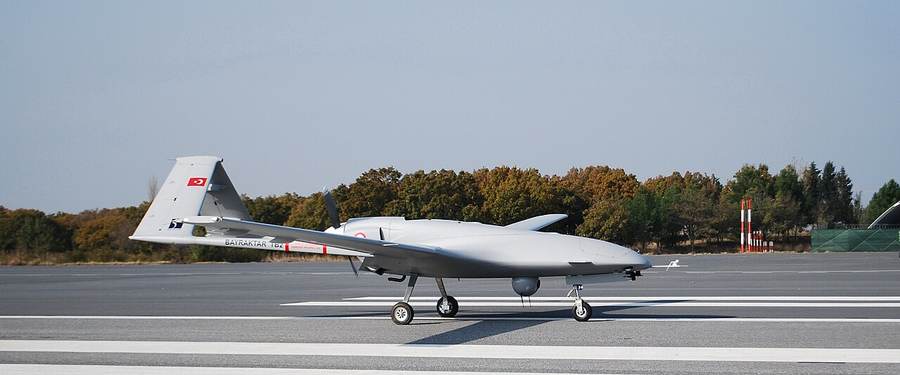
The report separately examines two drone strikes carried out by Malian forces in the Timbuktu region. Amnesty says a March 16, 2025 strike hit a busy market in Ejdeir without warning, killing 16 civilians and injuring seven. The Malian military said the following day that it had attacked a “terrorist gathering” at a transit camp 109 kilometers northwest of Léré, killing 11 “terrorists.” Amnesty said the location and other details corresponded to the Ejdeir strike, but seven witnesses and civil-society groups told the organization that no fighters were present.
A second strike hit a family home in Tangata in November 2025. Amnesty says the two strikes killed at least 23 people in total, including at least five children, and that investigators found no evidence of armed-group members or military objectives at either site. If civilians and civilian objects were intentionally targeted, the attacks would be direct attacks prohibited by international humanitarian law. Even if a military target were present, an attack on a crowded market that caused civilian casualties could be indiscriminate; intentionally or recklessly launching such an attack can constitute a war crime.
Torture allegations at Léré and Nampala military bases
Amnesty interviewed 15 male survivors who said they were tortured during joint FAMa–Wagner patrols or while detained at the Léré and Nampala military bases. Other witnesses described torture against 30 people during patrols or inside the bases. Five people reportedly died because of torture and poor detention conditions.
The accounts include suspension by the arms from a metal bar, simulated drowning, beatings with iron bars and sticks, and electric shocks. Amnesty says Wagner personnel carried out most of the alleged abuse while Malian soldiers were present, sometimes interpreting, standing by or threatening detainees. Those held were not brought before a judge and had no access to lawyers or relatives during detention periods ranging from one day to four months.
Torture is prohibited in all circumstances. In an armed conflict, murder, torture and cruel treatment of people who are not directly participating in hostilities can be prosecuted as war crimes. The reporting therefore raises questions not only about the immediate perpetrators, but also about who ordered, enabled or failed to prevent the conduct and how responsibility was divided between the Malian chain of command and the foreign force.
Wagner’s exit did not end Russia’s military role
About 1,000 Wagner personnel deployed to Mali from late 2021 until June 2025, according to Amnesty. Wagner announced its departure that month, but Russia’s state-linked Africa Corps — including many former Wagner fighters — continues to operate in the country. Amnesty called on Bamako to publish its agreement with Africa Corps and clarify the chain of command governing foreign personnel.
That transition matters for accountability. A change of insignia or corporate structure does not erase potential responsibility for earlier acts, and it does not answer who controls foreign personnel now supporting Malian operations. Amnesty urged the authorities to create an independent domestic accountability mechanism, investigate Malian personnel, foreign partners and armed-group members suspected of crimes, and prosecute cases in fair proceedings without the death penalty.
Why the report matters for Mali’s civilians and the ICC
The investigation drew on interviews with 119 refugees from Ségou, Mopti and Timbuktu conducted in ten localities in Mauritania’s Hodh ech-Chargui region. UNHCR had registered 290,000 Malian refugees there as of July 31, 2026. The displacement gives the allegations a second dimension: communities facing violence also cross a border to seek safety, making witness access, protection and preservation of evidence more difficult.
Mali notified the International Criminal Court in June 2026 that it intended to withdraw from the Rome Statute. The withdrawal does not end the court’s existing Mali investigation or remove its jurisdiction over alleged Rome Statute crimes committed between January 2013 and June 23, 2027, when the withdrawal takes effect. Whether any incident described by Amnesty reaches a courtroom will depend on evidence, jurisdiction and the willingness of authorities to cooperate, but withdrawal cannot retroactively erase jurisdiction over the period covered by this report.
What is confirmed, alleged and still unanswered
Confirmed: Amnesty International published a report on September 29, 2026, based on interviews with 119 Malian refugees; it documented at least 34 civilian deaths in seven incidents and allegations of torture and other abuses; it separately documented two Malian drone strikes that it says killed at least 23 people; and it shared its findings with Malian authorities on August 3. Reuters independently reported the publication and said neither Bamako nor Moscow immediately responded to requests for comment.
Alleged and requiring investigation: who directly killed each victim; what orders were issued; whether military objectives were present at the drone-strike sites; and the individual or command responsibility of Malian and Wagner personnel. The Malian government has denied killing civilians in its counterinsurgency campaign. The unanswered question is whether the authorities will permit an impartial inquiry capable of testing the evidence, protecting witnesses and assigning responsibility.
Sources
- Amnesty International (Sept. 29): War crimes by Malian state armed forces and Wagner Group — report summary, documented incidents, witness accounts, legal analysis and methodology.
- Reuters (Sept. 29): Soldiers and mercenaries killed at least 34 civilians in Mali, Amnesty report says — independent report of the findings and requests for comment from Bamako and Moscow.
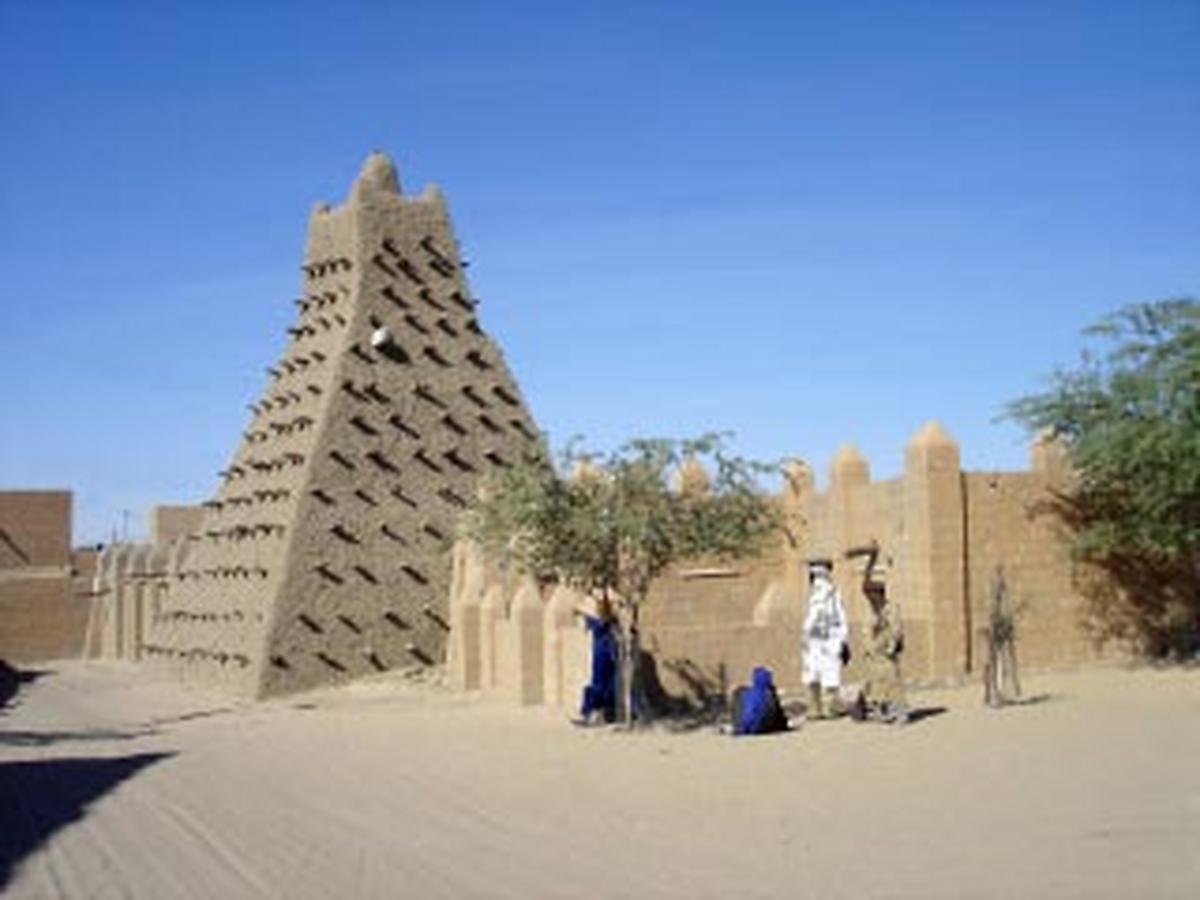
This article analyzes Amnesty International’s September 29, 2026 report and Reuters’ independent account of its publication. Allegations are attributed to Amnesty; the absence of an immediate response from Mali or Russia is reported by Reuters. The historical photographs are illustrative and do not depict the alleged incidents.