Not chips — power / The AI race now runs on electricity and memory, and both are running short
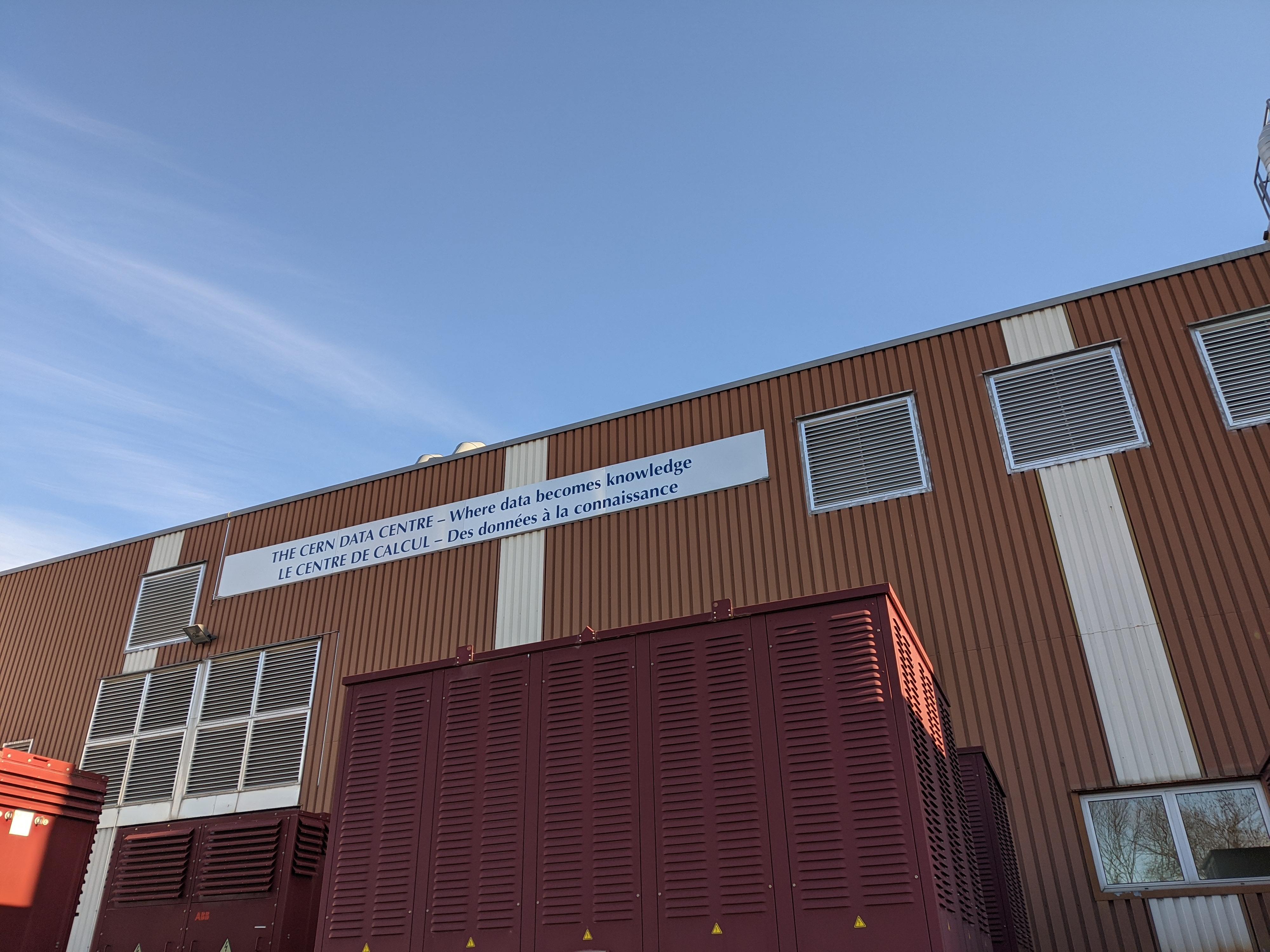
Track it live: Live markets tracker
Morgan Stanley's equity research note, "What Does the Power Shortfall Mean for Semis?", estimates that US data-centre developers face a 32-gigawatt (GW) shortfall of electricity through 2028 — even after counting additional generation expected to come online. The gap amounts to roughly 34 percent of projected requirements: about one in three gigawatts of planned American AI capacity has no identified source of electricity. The report, relayed by ANI on October 17, says Nvidia itself confirmed the thesis, in the bank's words, that "there is not enough power to meet demand, and there are more semiconductors being built than there are places to put them."
Put 32 gigawatts in human scale. Using the common planning estimate that one gigawatt can serve roughly 750,000 to one million homes, a 32 GW shortfall equals the electricity of some 24 million to 32 million homes — or the output of roughly 32 large nuclear reactors running flat out. No country builds that much firm capacity quickly: power stations take years to permit and construct, transmission lines take longer, and grid transformers have their own multi-year order books. That is why a shortfall measured "through 2028" cannot simply be priced away next quarter.
Morgan Stanley data centre power shortfall: energization is concentrating
The second finding in the Morgan Stanley data centre power shortfall research may matter as much as the headline number. The bank says data-centre "energization" — the moment a building actually receives its power — is concentrating among a handful of large, credit-worthy players. In its words, "we believe we're in an environment where data center energization is being concentrated across a handful of large, credit-worthy players," and companies with strong credit support and very large power requirements are securing electricity faster, potentially leaving smaller developers at a disadvantage. The bank estimates the largest technology companies and specialist cloud providers could account for about 94 percent of global data-centre capacity additions in 2026, easing to 64 percent in 2027 and 57 percent in 2028 — a dominance it says could "squeeze out" or pressure other players over time.
The mechanism is straightforward. A utility allocating scarce grid capacity will favour the customer most certain to pay a very large bill for decades: a hyperscaler, not a start-up developer whose financing depends on unsigned tenants. Power is therefore becoming a moat. The warning for chipmakers follows: if capacity cannot be deployed in data centres, customers could push out deliveries or cancel orders. Morgan Stanley still expects Nvidia and Broadcom to meet 2027 forecasts, but sees greater risk for memory, optical and other component suppliers if deployment slows. And on its numbers the cumulative US shortfall could widen to about 68 GW by 2029, while perhaps 14 GW of hyperscaler demand shifts to Asia through 2030 — a relief valve the bank says is not a solution to the American power problem.
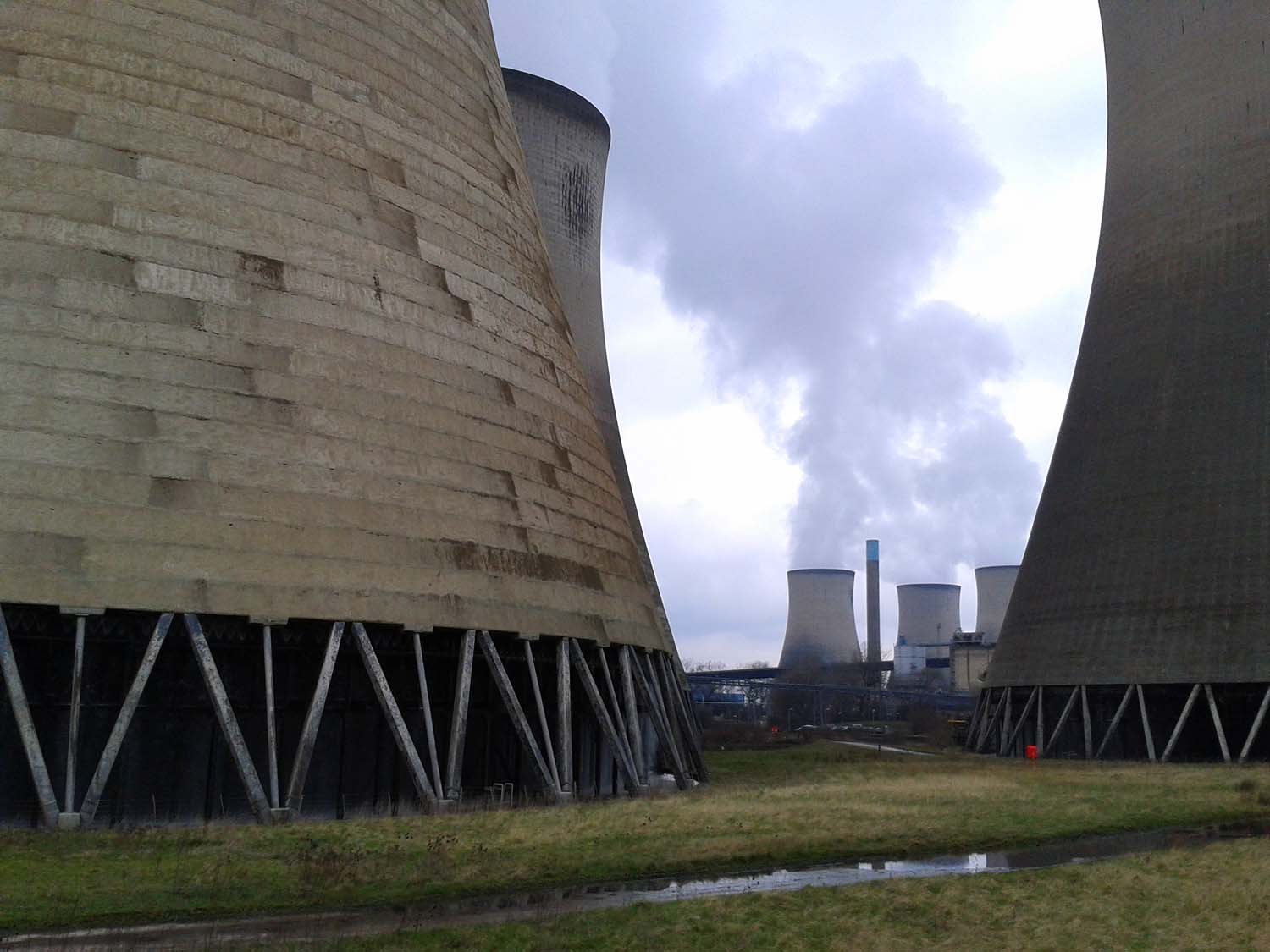
Dell memory chip shortage 2027: $95 billion of servers that cannot ship
If power is the constraint at the building level, memory is the constraint inside the machine. Reporting by the Wall Street Journal, summarised by WccfTech on October 17, has Michael Dell warning that the memory-chip shortage will get worse in 2027 — and that constraints could persist for up to four years, because new semiconductor fabrication plants are not projected to reach full operational capacity until 2029 or 2030. The striking figure is on Dell's own books: roughly $95 billion in back-ordered AI servers, the largest backlog in the company's history, that it cannot convert into shipped, billable hardware without sufficient supplies of high-bandwidth memory (HBM) and DRAM, the memory technologies every advanced AI server needs alongside its graphics processors.
Dell's position shows how a shortage cuts both ways. A $95 billion backlog is extraordinary evidence of demand — and also revenue at risk: delayed, repriced as memory costs surge, or postponed if customers cannot house the machines anyway. Dell has responded with a lean operating model: procuring DRAM close to final assembly, using long-term supply agreements and upfront customer capital to reserve memory capacity, and engineering servers that can ship in varying memory configurations. Sensible defences — but none of them manufactures a single additional memory wafer.
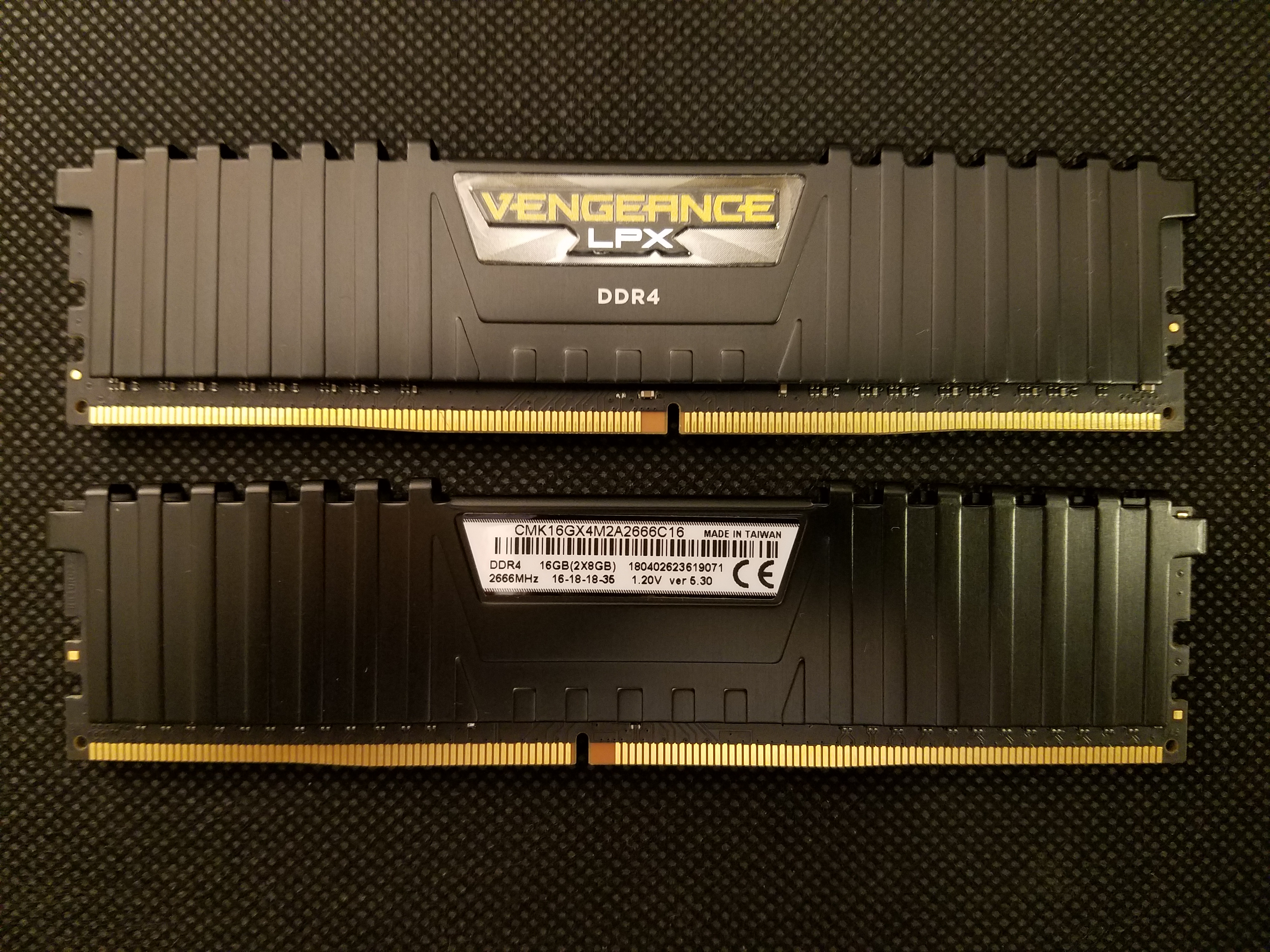
China building data centres fast, America arguing about where they go
The contrast most often drawn this month is geographic. A widely shared broadcast segment summarised it as the United States "fighting over data centers" while China is "building them fast." The American argument is real and local: communities contest water use, noise, land, electricity prices and tax abatements, and several projects have been delayed or withdrawn after organised opposition. China, despite tighter restrictions on buying advanced American chips, can align land, grid connections and renewable generation behind a project through centralised planning. Each side needs its caveat. China's approach delivers powered buildings quickly, but buildings without leading-edge processors are not equivalent capacity. America's approach is slower, but consent and environmental review are how a democracy decides who bears infrastructure costs. Neither system can conjure generation, transmission and memory wafers faster than construction allows — the point both warnings make from opposite ends of the supply chain.
Why AI data centres need so much power — and why markets noticed this week
The timing helps explain a bruising week for chip shares. As today's market report sets out, the Philadelphia Semiconductor Index fell about 11.41 percent on the week, as investors questioned the build-out's cost and financing as much as its demand. A power-shortfall note lands hardest in that context: it does not say customers want less AI computing — Dell's $95 billion backlog says the opposite — it says housing and feeding that computing is larger, slower and more unevenly shared than a chip-sales forecast implies. The other side of the trade is visible in earnings: TSMC's record third-quarter profit on AI chip demand confirms fabrication is still booming. The question is what happens to chips fabricated on schedule but energised late.
Why this matters
This matters because the AI race has changed its decisive resource twice in three years, and each change redistributes who wins. First the scarce asset was the accelerator itself — design and fabrication, concentrated in Nvidia and TSMC. Then it became powered land: sites with grid interconnections, water and permits, widening the winners to utilities, power producers, electrical-equipment makers and developers who secured queue positions early. This week adds a third scarcity, memory, and a different set of winners: the few HBM and DRAM makers whose capacity now rations how fast the whole industry can grow. The losers are equally identifiable: smaller developers face the squeeze Morgan Stanley describes; start-up cloud providers must buy capacity from the hyperscalers they compete with; regions that marketed cheap land discover land was never the constraint; and customers face longer waits and higher prices. There is a public-interest dimension, too: when one industry's incremental demand is measured in dozens of gigawatts, its power purchases affect prices, grid planning and emissions far beyond its fence line — which is why local siting fights are, in aggregate, a national argument about who pays for the AI era's infrastructure. Supporters answer, with some justification, that the same investment is modernising grids and reviving nuclear power. Both things can be true at once; this week, both are.
What happens next
Four developments will show whether the 32 GW figure was a warning or a prophecy. First, generation and transmission commitments reaching final investment decisions over the next two quarters. Second, the memory makers' capacity plans — whether Samsung, SK hynix and Micron accelerate HBM expansion enough to ease the shortage Dell expects to worsen in 2027. Third, order behaviour: any push-outs or cancellations among second-tier suppliers would signal deployment, not demand, faltering. Fourth, geography: if hyperscaler demand migrates to Asia and other power-rich regions, the map of AI infrastructure will need redrawing. For now, an industry that spent three years asking whether there would be enough chips is asking a plainer question: where the power, and the memory, are coming from.
Sources: ANI via LatestLY, Oct. 17, 2026 (Morgan Stanley, "What Does the Power Shortfall Mean for Semis?": 32 GW shortfall through 2028, about 34% of requirements; Nvidia confirmation; energization concentration; 68 GW by 2029; Asia shift); WccfTech, Oct. 17, 2026, reporting the Wall Street Journal (Michael Dell on the worsening memory shortage, the $95 billion AI server backlog and capacity timelines to 2029–2030); TBS News (US data-centre siting disputes contrasted with China's build-out pace). Related on Signal Post News: Stock market today, October 17 · TSMC's record Q3 profit on AI chip demand.