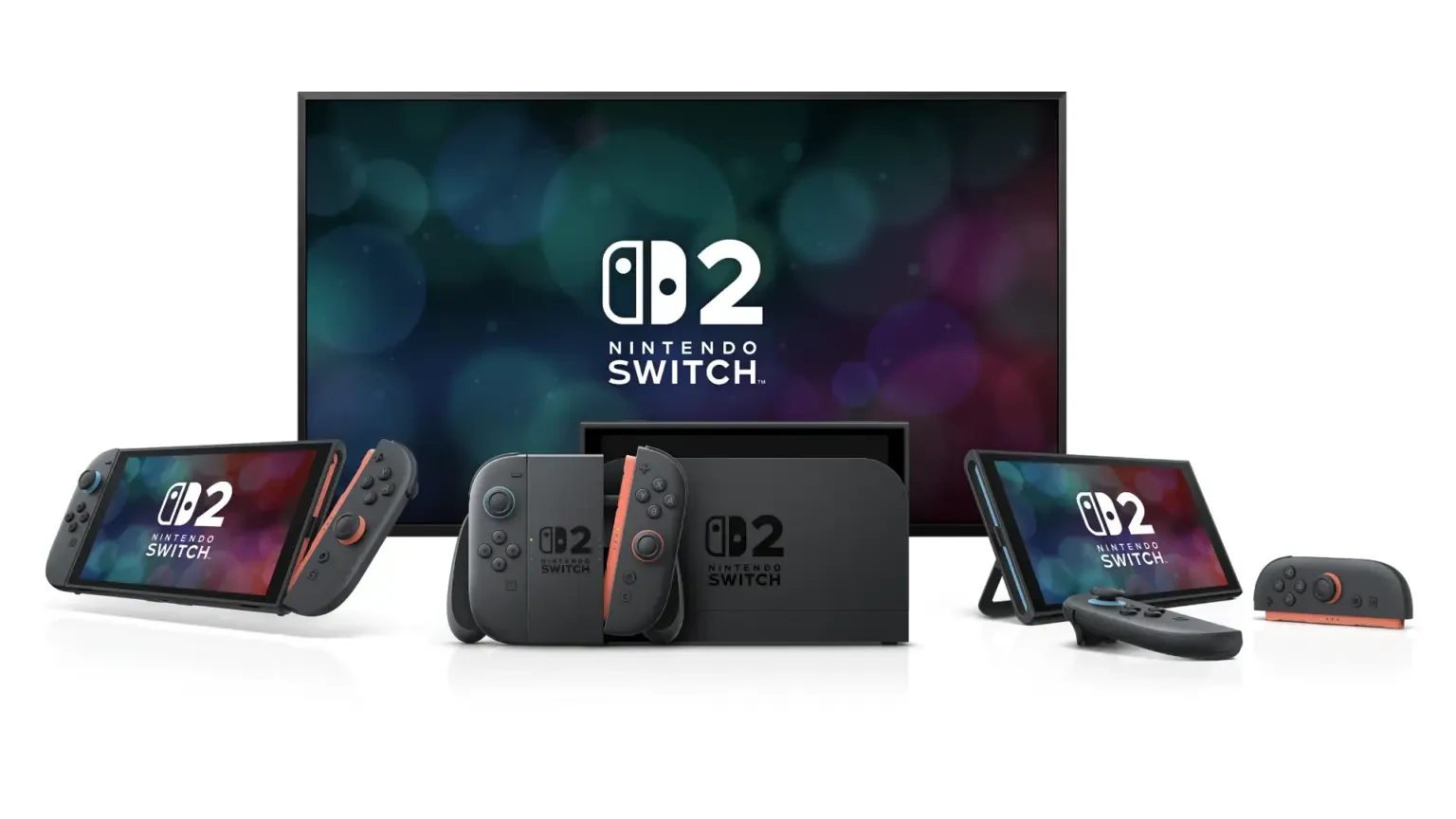
The Zelda Ocarina of Time remake became one of Britain's most-searched entertainment stories on Monday as hands-on previews landed for Nintendo's ground-up rebuild of the 1998 Nintendo 64 classic. It arrives November 5 for Switch 2 — not as a remaster, but as a reimagining: Link can sprint and jump, the camera moves freely, the soundtrack is newly orchestrated, and the dungeons have been redesigned for players who have had 27 years to memorize the originals.
What has actually changed
The preview build's changes read like a list of everything modern players expect and 1998 could not give them. Link sprints. Link jumps — manually, on command, a sentence that sounds trivial until you remember the original rationed jumping to context-sensitive ledges. The camera rotates freely instead of swinging between fixed framings. The inventory lives on a scrolling bar rather than behind a pause screen designed around a three-button controller. The slingshot aims with motion controls. The soundtrack — Koji Kondo's melodies, among the most analyzed in the medium — has been newly orchestrated. Dungeons are expanded and reimagined rather than relit, and the world itself is built at a larger scale. Each change is individually defensible; collectively they raise the remake's central question, which the previews circle honestly: at what point does modernization stop restoring a classic and start replacing it? The Guardian's preview found room for the joke that tells you the writers were playing the real thing — wondering, at the Castle Town shooting gallery, about the shopkeeper's business model. It is the kind of detail that only survives in a remake built by people who know which details the audience has been quoting for 27 years.
1998: the game that taught games to move in 3D
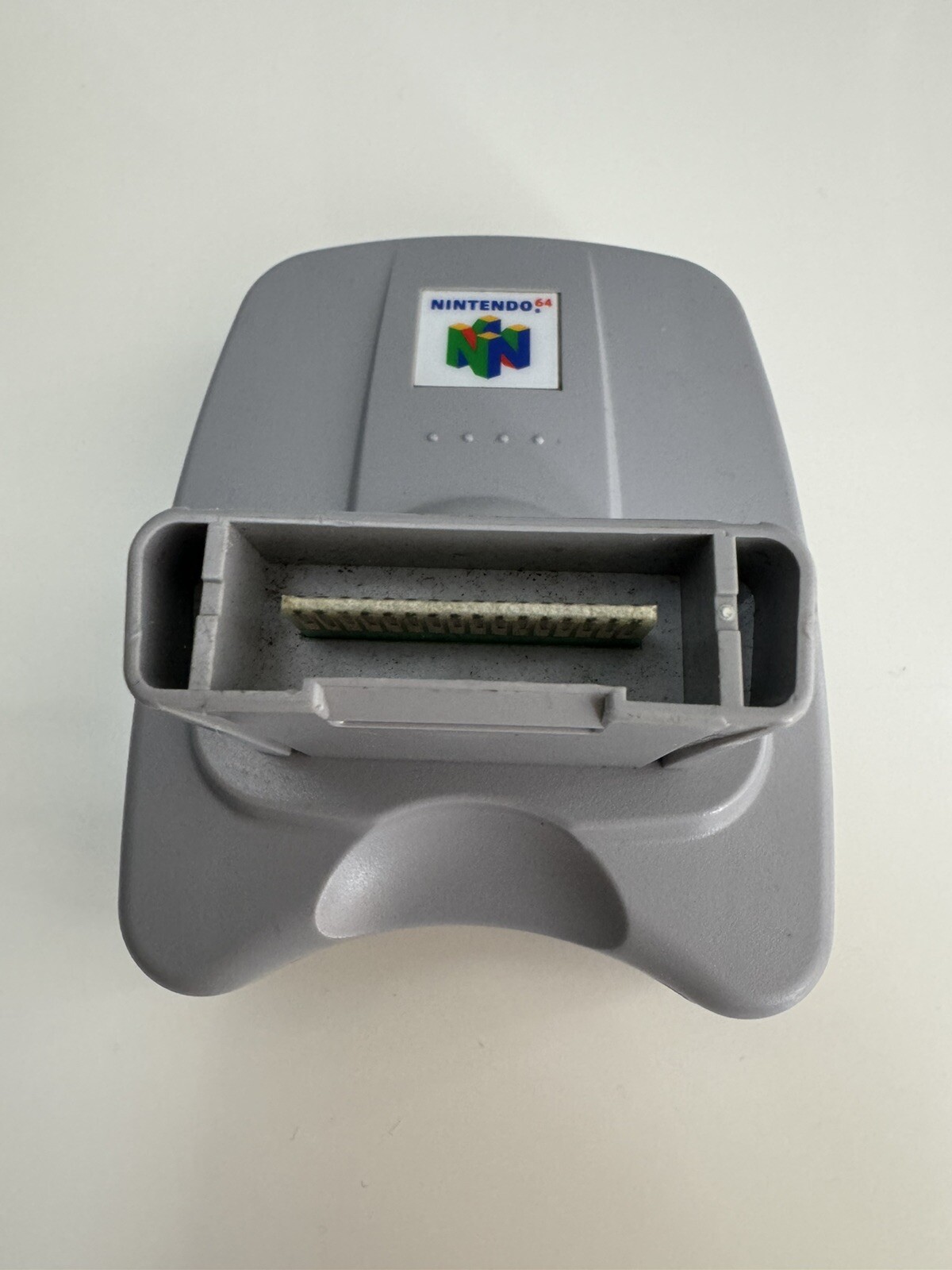
Some context for why this title, of all titles, carries this weight. Ocarina of Time did not merely succeed on the Nintendo 64; it supplied the grammar — Z-targeting to lock onto enemies in 3D space, context-sensitive single-button interaction, a navigable 3D world held together by music as a game mechanic — that the entire adventure genre then spent a decade speaking. It remains, by critical consensus, on the shortlist for the greatest game ever made, which is precisely the problem for a remake: its audience includes both the millions who hold it as a formative memory and a generation of Switch 2 owners who have never played a Nintendo 64 game and will judge this one against contemporary standards alone. Nintendo's answer, per the previews, is to refuse the choice — rebuild the game to modern standards of movement and presentation while preserving its structure, puzzles and music as the load-bearing elements. The original cartridge, all 32 megabytes of it, is the industry's most consequential argument that design outlives hardware.
Why this matters: nostalgia economics and the Switch 2 test
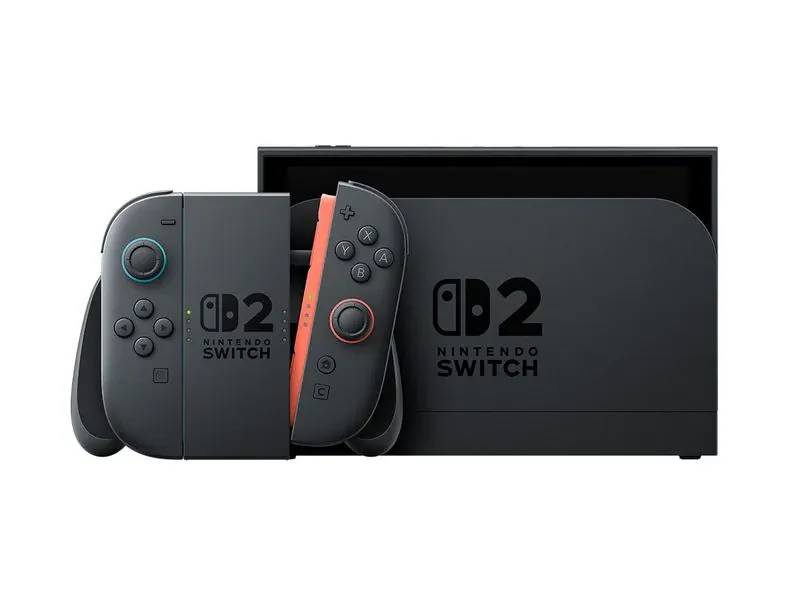
The commercial logic is as interesting as the design logic. Remakes are the games industry's lowest-risk premium product: pre-sold awareness, pre-tested design, an audience that buys twice — once for the memory, once for the comparison. But Ocarina carries unusual weight in Nintendo's calendar. A new console's second holiday is where its installed-base story is decided, and Nintendo has chosen to anchor Switch 2's with a 27-year-old game rebuilt rather than a new entry in the series — a decision that either signals supreme confidence in the catalogue's drawing power or a gap in the new-release pipeline, depending on the analyst you ask. The 40th Anniversary hardware a week earlier is the tell that Nintendo knows exactly what it is selling: the console as a commemorative object, the game as a homecoming. Disney's concurrent move for games-adjacent AI talent, covered in Signal Post News's Character.AI report, is the week's other data point on the same theme — the entertainment industry's present is increasingly built by re-deploying its past and its people. Meanwhile the remake-versus-remaster debate the previews revive has real stakes for preservation: every change that makes Ocarina playable for a 2026 audience makes the 1998 original slightly more remote, and the industry still lacks a settled answer for how its classics should survive.
What happens next
October 29 brings the anniversary hardware — expect sell-outs and a secondary market within hours — and November 5 the game itself, with reviews landing in the embargo window between. The commercial question is conversion: whether a remake can move consoles the way a new flagship title does, the metric Nintendo's holiday will be graded on. The critical question is the one the previews left open: whether the reimagined dungeons reward the players who memorized the originals or merely surprise them once. And the long question is the catalogue's: if Ocarina succeeds at this scale, the remake treatment for the rest of Nintendo's 64-bit era becomes a schedule rather than a speculation. For now, the search charts have delivered their verdict early — the most influential game of 1998 is, for one more autumn, the most wanted game of the year.
Sources: The Guardian, preview, October 14–19, 2026, and IGN, hands-on preview, October 2026 (remake changes: sprint and manual jump, free-rotating camera, scrolling inventory bar, motion-controlled slingshot aiming, newly orchestrated soundtrack, expanded scale and reimagined dungeons; Nintendo Direct gameplay shown at scaled 4K/60fps over 15 minutes; November 5 release; limited-edition 40th Anniversary Switch 2 console and Pro Controller on October 29; the Castle Town shooting-gallery observation). Nintendo Direct presentation, 2026 (gameplay footage and release dates). Historical background: Ocarina of Time, Nintendo 64, 1998 (introduction of Z-targeting; foundational 3D adventure design).