Economy · Markets · Housing
Economists expected no change. Builders delivered a four-point fall, the most aggressive price-cutting since the pandemic, and a buyer-traffic reading last seen when Covid began — a forward indicator pointing down.
Track it live: Markets tracker
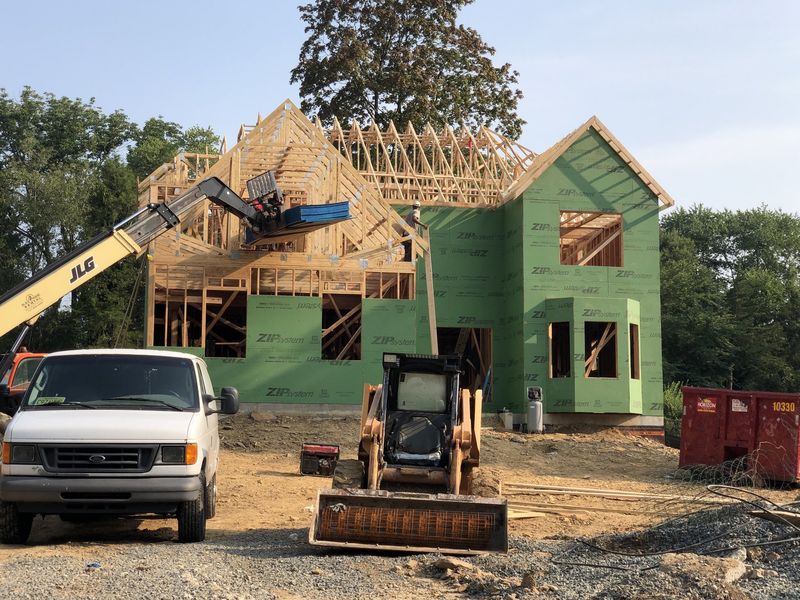
US homebuilder sentiment fell four points in November to 25, the lowest reading of the NAHB/Wells Fargo Housing Market Index since April 2012, the National Association of Home Builders reported on Tuesday. Economists polled by Reuters had forecast no change from October’s reading of 29 — a clear downside miss. Any reading below 50 means more builders rate conditions poor than good, and the index has now spent more than two years below that line. One methodological note, because it matters: the HMI is a sentiment survey, running for more than 40 years — it measures what builders perceive, not homes sold.
The numbers in full
Every component fell. Current sales conditions dropped six points to 28; sales expectations for the next six months fell two to 30; and the gauge of prospective buyer traffic fell two points to 16 — its lowest level in 15 years, excluding the start of the pandemic in 2020. The regional indexes, on three-month moving averages, fell everywhere: the Northeast down four to 34, the Midwest down five to 35, the South down three to 27 and the West down three to 23. Builders are compensating the only way left to them: 46 percent reduced prices in November, the highest share in the post-Covid period, with the average cut holding at 6 percent for an eighth straight month, and 68 percent offered sales incentives — also a post-Covid high, and the 20th consecutive month in which at least 60 percent of builders used them.
Why builders are this gloomy
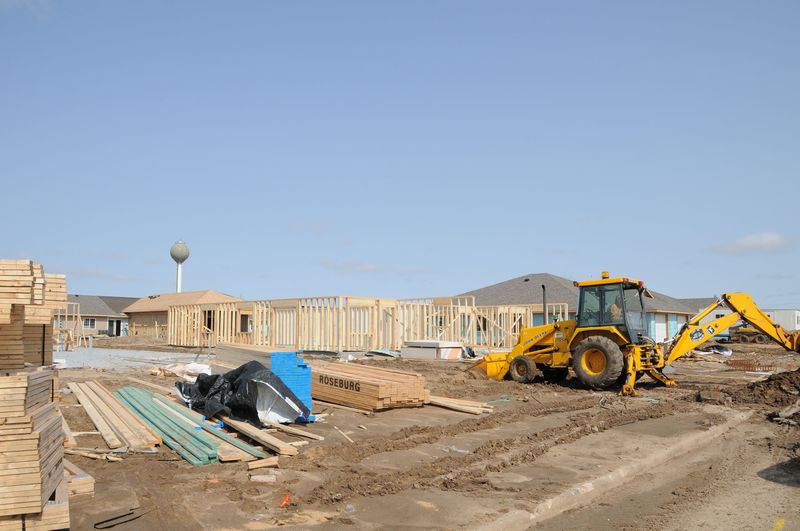
The NAHB’s own account starts with labour and costs. Chairman Bill Owens, a builder and remodeler from Worthington, Ohio, said: “Stepped-up immigration enforcement is keeping legal workers off job sites, deepening labor shortages and driving up costs. Higher fuel prices are prompting subcontractors to raise their rates sharply, and with fewer buyers in the market, more builders are scaling back construction.” Chief Economist Robert Dietz pointed to building-material costs pushed higher by tariffs, an ongoing shortage of construction workers and excessive regulation, adding: “Mortgage rates above 7%, softer consumer confidence and an uncertain economic outlook are holding buyers back.” Credit is tightening underneath all of it: NAHB’s survey of acquisition, development and construction lending found conditions tightened for a 19th straight quarter in the third quarter of 2026.
The rate trap
Reuters put the rate backdrop in numbers: the average 30-year fixed mortgage rate has risen 120 basis points since February — when the United States and Israel attacked Iran — and averaged 7.40 percent in mid-October, a three-year high, on Freddie Mac data. The existing-home market is deteriorating in parallel: the National Association of Realtors reported last week that sales of previously owned homes fell in October to their lowest level in more than 16 years. The lock-in effect now bites builders too — their buyers cannot sell their current homes, or cannot qualify at these rates, so the traffic gauge reads 16.
Why this matters
Sentiment at a level last seen in the post-financial-crisis trough would be news on its own; what makes this print different is the comparison. April 2012 was a recovery-era trough with falling rates ahead of it. November 2026 is a high-rate plateau with no relief yet priced in — builders are cutting prices at a record pace not because demand vanished, but because the financing terms their buyers face have not moved in two years. The HMI matters beyond mood because it leads: sentiment leads starts, and starts lead construction employment. Who is positioned for this phase is already visible in the data — large builders with the balance sheets to buy down rates can still move houses; small builders, facing a 19th straight quarter of tighter construction credit, cannot; and first-time buyers watch prices being cut on homes they still cannot finance.
What happens next
The rest of this week’s housing calendar — starts and pending sales — will show whether November’s sentiment is already November’s activity, and the Federal Reserve’s October meeting minutes, due Wednesday, frame the rate path builders are pricing against. What would stabilise December’s reading is not mysterious: mortgage rates moving down, or labour supply moving up. Neither is in this report. Signal Post News will follow the December index when it is published.
Sources
NAHB, November 17 — https://www.nahb.org/news-and-economics/press-releases. Reuters, November 17 — https://www.reuters.com/markets/us/. Dow Jones Newswires via TradingView, November 17 — https://www.tradingview.com.