Turkey investment fund scandal: Turkish prosecutors have ordered the detention of 31 suspects in a widening investigation into share transactions and alleged market manipulation.
Markets / Turkey — a former Finance Ministry official and fund executives are among those held in a probe that began when funds could not meet withdrawal requests
Track it live: follow the market reaction and the wider indexes on our live markets tracker.
What prosecutors did on Wednesday
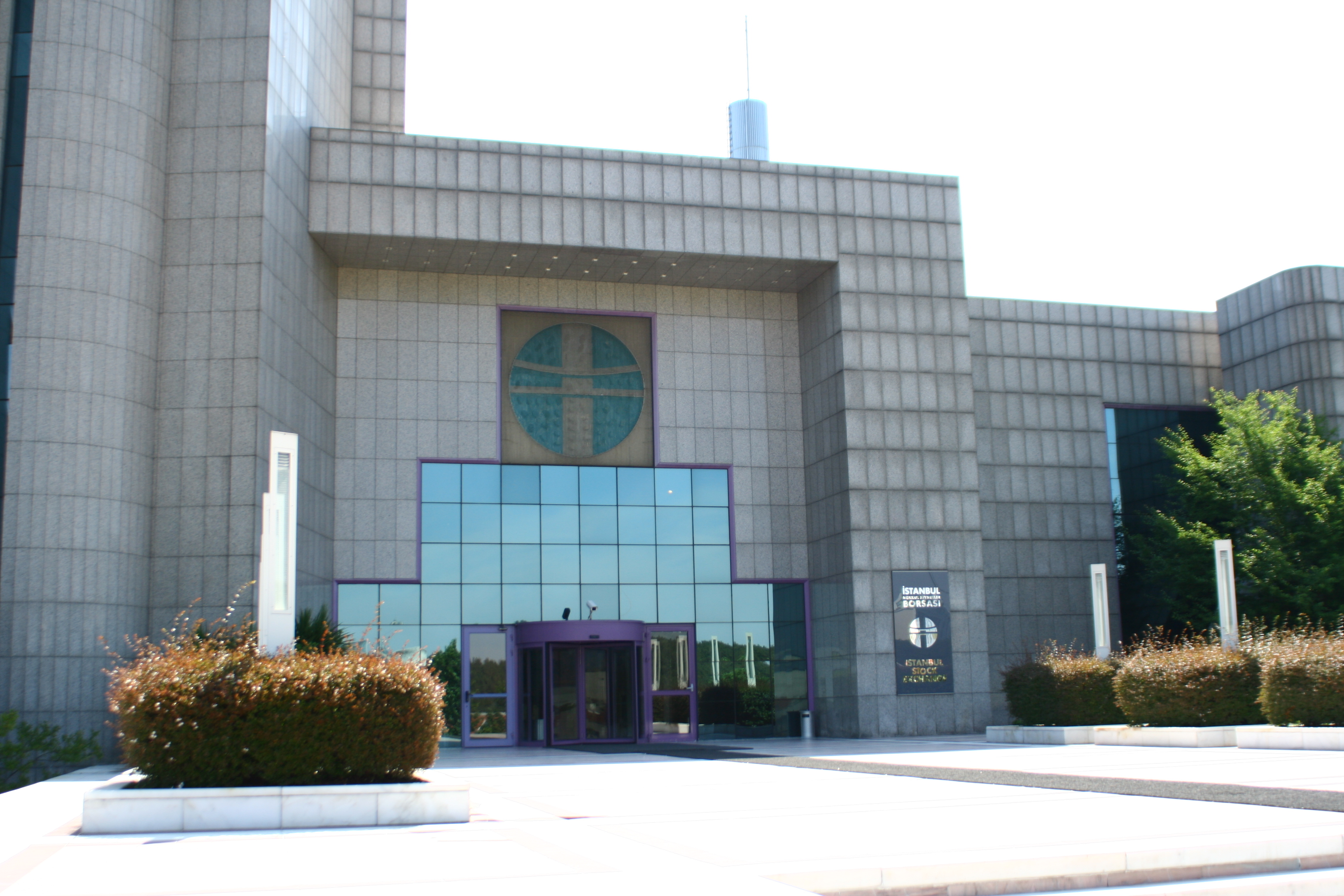
The Istanbul chief prosecutor’s office said on Wednesday that detention orders had been issued for 31 suspects, Reuters reported. The investigation followed reports and written complaints by Turkey’s Capital Markets Board — the SPK, the regulator responsible for supervising Turkey’s securities markets — which prompted prosecutors to examine transactions in the shares of four listed companies: Isiklar Enerji ve Yapi Holding, Visne Madencilik, Odine Solutions and Tera Finansal Yatirimlar Holding.
Of the 31 people prosecutors ordered detained, 26 have been taken into custody, Anadolu reported. To be precise about the sequence, because the distinction matters in a case moving this fast: 31 is the number of detention orders issued, 26 is the number of people actually in custody, and five people are still being sought. Among those still sought, AFP reported, is Nusret Altınbaş, the owner of the privately held Altınbaş Holding; his brother is already in custody and the family’s assets have been frozen, according to Anadolu. The suspects include 16 executives and employees of portfolio firms already named in the investigation — Atlas, Pardus, Hedef, Tera and A1 — AFP reported, and those held include a former official of the Finance Ministry as well as investment fund executives.
Wednesday’s operation is the latest step in a broad investigation into Turkey’s investment fund sector, in which dozens of funds were ordered liquidated last month, Reuters noted. It is also an investigation the market regulator itself set in motion, built on the SPK’s own reports and written complaints about the four named stocks.
The four stocks, and what the market did
Markets rarely wait for courtrooms, and Wednesday was no exception. By 0904 GMT, the four shares at the centre of the prosecutors’ examination were moving sharply — and not in the same direction, Reuters reported. Odine Solutions was up 7.5 percent. Visne Madencilik was down 5.58 percent. Isiklar Enerji fell 9.97 percent, and Tera Finansal Yatirimlar Holding dropped 10 percent.
That split reaction is worth pausing on. Three of the four named companies fell hard while the fourth rose, and nothing in Wednesday’s reports explains Odine Solutions’ rise — this article will not invent an explanation for it. What the pattern shows is a market repricing individual names on fragmentary legal news, the kind of thin, jumpy trading in which the alleged manipulation is said to have flourished. Compare the global backdrop in this site’s report on the stock market on October 20, when the Dow jumped 600 points, and the regional sell-off in our coverage of India’s stock market crash to a 52-week low.
How the crisis erupted: a month of withdrawals that could not be met
The scandal emerged just over a month ago, AFP reported, when investment funds could not meet withdrawal requests — the moment a paper problem becomes a household emergency. That is the original injury in this story, and it is why the figure that matters most is not a stock price but a headcount: prosecutors are investigating allegations of widespread market manipulation affecting the savings of about 455,000 individual investors. That figure describes savings affected; it is not a finding that 455,000 people have lost their money, and the eventual losses — like the offences, if any — remain to be established.
The regulatory response came in waves. Regulators placed seven firms managing 131 investment funds into liquidation, with the funds reportedly worth about $17 billion, according to Turkish Minute’s reporting on October 19; dozens of funds were ordered liquidated last month, as Reuters summarised it. Detentions followed in earlier phases: the Justice Ministry said on October 4 that 85 people had been jailed pending trial in connection with the scandal. No updated total was immediately available on Wednesday, and none is offered here — Wednesday’s 26 are this operation’s custody figure, not a new national total.
The political fallout began early, inside the governing party. In September, former family minister Fatma Betül Sayan Kaya resigned from the leadership of President Recep Tayyip Erdoğan’s AKP following allegations that she and her husband had profited from stock transactions before the crisis; both deny the allegations. This site covered that resignation in its report on the AK Party deputy chair who quit over an insider-trading allegation — the direct predecessor of Wednesday’s operation.
Why this matters
Investment funds are a promise dressed as a product: hand over savings, and professionals will mind them under rules a regulator enforces. The Turkey investment fund scandal matters because every element of that promise is now under investigation at once — the professionals, through Wednesday’s detentions of fund executives; the rules, through the SPK complaints that triggered the case; and the enforcement, through a rolling series of liquidations, resignations and arrests that has yet to produce a final accounting for the roughly 455,000 investors whose savings the alleged manipulation affected.
There is a deeper significance in who filed the complaints. When a market regulator refers its own industry to prosecutors, it is conceding that supervision failed before enforcement began — that whatever happened in those four stocks, and across the funds now in liquidation, happened on the regulator’s watch. The scale is what elevates this from a fraud case to a systemic one: 131 funds in liquidation and a reported $17 billion under management, on the October 19 figures, is not a rogue desk. It is a sector.
The case also tests whether accountability stops at the trading floor or climbs. A former Finance Ministry official is among those detained; a former cabinet minister has already resigned from party leadership over related allegations she denies; the market regulator’s chairman and a deputy finance minister both left their posts this week, in circumstances set out below. None of that proves wrongdoing by any individual — allegations are allegations, and several of those named have denied them outright. But the pattern describes an investigation not confining itself to small defendants.
What the numbers say
Set Wednesday’s figures side by side and the shape of the case comes into focus. Thirty-one detention orders; 26 people in custody; five still sought, among them the owner of a major private holding company whose family assets have been frozen. Sixteen of the suspects are executives or employees of five named portfolio firms — Atlas, Pardus, Hedef, Tera and A1 — which tells you the investigation is aimed at the fund industry’s operating layer, not only at outside traders who might have ridden the alleged manipulation.
Behind those figures sits the recovery threshold announced a day earlier. On Tuesday, Treasury and Finance Minister Mehmet Şimşek said recovery efforts would begin with those who made inflation-adjusted gains of at least 10 million lira — about $202,000 — that legal proceedings would follow if there is no voluntary return, and that everyone who profited has been identified, in remarks to Habertürk and Bloomberg HT reported by AFP. Turkey’s “effective remorse” provisions give that line teeth: paying the Treasury at least twice the gains can avoid or reduce punishment — before an investigation, no sentence; during an investigation, half; during a trial, one-third, AFP reported. Read together, the threshold and the remorse schedule are a funnel: identify everyone, invite the money back at a punitive multiple, and reserve prosecution for those who decline.
The human denominator remains the 455,000. The final number in this story — how much of those investors’ savings is recovered, and how much is simply gone — does not yet exist.
The political fight: Erdoğan, Şimşek and the opposition’s questions
President Erdoğan addressed the scandal directly on Wednesday. He pledged to bring those who profited from manipulation before the courts, accused critics of spreading misinformation, and urged citizens to disregard “baseless rumors and ravings of those who are neck-deep in corruption,” AFP reported. His remarks followed opposition questions about whether two ministers had profited from the affair; both ministers denied it.
That exchange captures two competing accounts, both presented here as their holders make them. The government’s account, voiced by the president and operationalised by Şimşek, is of a state cleaning its own house: the regulator complained, prosecutors acted, the profiteers have been identified, the money is being called back at twice the gain, and those who refuse will face court. The opposition’s account asks whether people connected to power traded ahead of the collapse, and whether the investigation will follow that question wherever it leads. Kaya and her husband deny the allegations against them; the two ministers questioned this week deny profiting; and no court has yet converted any of these allegations into findings.
The regulators who left
If the detentions were Wednesday’s headline, the departures were Monday’s warning. SPK Chairman Mahmut Sütcü submitted his resignation on Monday, citing health reasons, after about five months in the post; Erdoğan removed him by decree published early on Tuesday, days after prosecutors obtained permission to investigate his predecessor, AFP reported via Turkish Minute. Some syndicated background coverage has described the SPK chief’s departure more bluntly; the account carried here is Turkish Minute’s own October 21 wording — a resignation citing health, followed by removal by decree — because in a story this contested, the difference between “resigned” and “sacked” is itself a fact worth keeping clean.
The same Monday, Deputy Treasury and Finance Minister Osman Çelik requested retirement — about two weeks after his son-in-law was jailed pending trial in a related stock-manipulation investigation, AFP reported. Neither departure is an admission or a finding about either man, and neither is reported here as a suspect in Wednesday’s operation. But the two exits describe an institutional crisis layered on a criminal one: the SPK is simultaneously the complainant that launched Wednesday’s case and an institution whose own leadership is now part of the story.
Who benefits, who loses — and the journalists in the middle
The losers, at this stage, are the easiest to name and the hardest to make whole: the individual investors whose savings were affected by the alleged manipulation and whose funds, in dozens of cases, no longer exist outside liquidation. Fund executives who traded honestly now work in an industry whose name is a headline about detention. And Turkey’s pitch to foreign capital — never simple, always argued for — must now explain a $17 billion liquidation pile.
Who benefits is a colder question. Those who return twice their gains under the effective-remorse provisions buy certainty at a punitive but finite price, and the Treasury recovers money no court case could guarantee. The government, if the prosecutions hold up and the repayments land, gains a credible claim to have policed its own markets.
Caught in the middle are the journalists covering the scandal — five of whom have themselves been detained over their coverage, accused of spreading misinformation, AFP reported. Two were jailed pending trial over an image suggesting a link between an AKP spokesman and a key suspect; two were detained over a report questioning a minister’s investments; a fifth was released under judicial supervision. Press-freedom advocates will read that sequence as intimidation; the authorities’ stated position, reflected in the misinformation accusations, is that false reporting about a live market crisis is itself harmful. Both characterisations are recorded here; the truth or falsity of the underlying reports has not been adjudicated in anything cited in this article.
What happens next
The immediate questions are procedural, and they are unanswered. It was not immediately clear on Wednesday what offences today’s detainees will be accused of, or when they will appear in court to decide the question of jail pending trial. Those court appearances are the next hard news event in this story: they will convert detention orders into named charges, and named charges into a case that can be tested.
Beyond the courtrooms, three dynamics will decide the scandal’s second month. First, the five-person search, which includes the owner of Altınbaş Holding: whether the remaining suspects are detained will show how complete Wednesday’s operation was. Second, Şimşek’s funnel: the threshold and remorse schedule only work as policy if significant money actually comes back voluntarily, and the first repayment figures will be the truest measure of the strategy. Third, the politics: the opposition has asked on the record whether ministers profited and received denials; whether it returns with documents will decide whether this stays a markets story or becomes a defining accountability fight. For 455,000 investors, meanwhile, the only sequence that matters is what is recovered, and when it reaches them.
Sources
- Reuters, October 21, 2026 — Turkish prosecutors ordered the detention of 31 suspects in an investigation into share transactions involving four listed companies (Istanbul chief prosecutor’s office statement, Wednesday); 26 taken into custody (state-run Anadolu); investigation followed reports and written complaints by the Capital Markets Board (SPK); shares examined: Isiklar Enerji ve Yapi Holding, Visne Madencilik, Odine Solutions, Tera Finansal Yatirimlar Holding; operation described as the latest in a broad investigation into the investment fund sector in which dozens of funds were ordered liquidated last month; share moves at 0904 GMT Wednesday (Odine Solutions up 7.5%, Visne Madencilik down 5.58%, Isiklar Enerji down 9.97%, Tera Finansal Yatirimlar Holding down 10%): reuters.com
- AFP via Turkish Minute, October 21, 2026 — police detained 26 people including a former Finance Ministry official and investment fund executives; prosecutors ordered 31 detentions with five suspects still sought, including Nusret Altınbaş of Altınbaş Holding (brother in custody, family assets frozen, per Anadolu); 16 executives/employees of Atlas, Pardus, Hedef, Tera and A1 among the suspects; allegations of widespread market manipulation affecting savings of about 455,000 individual investors; scandal emerged just over a month ago when funds could not meet withdrawal requests; offences and court timetable for Wednesday’s detainees not immediately clear; President Erdoğan’s Wednesday remarks; opposition questions about two ministers (both denied); Finance Minister Mehmet Şimşek’s Tuesday remarks on the 10-million-lira recovery threshold (Habertürk / Bloomberg HT); effective-remorse provisions; Justice Ministry October 4 figure of 85 jailed pending trial; Fatma Betül Sayan Kaya’s September resignation from AKP leadership (she and her husband deny the allegations); five journalists detained over coverage; SPK Chairman Mahmut Sütcü’s resignation citing health and removal by decree; Deputy Minister Osman Çelik’s retirement request: turkishminute.com
- Turkish Minute, October 19, 2026 (background, attributed) — regulators placed seven firms managing 131 investment funds into liquidation, the funds reportedly worth about $17 billion; SPK leadership change reporting.