Trump pardons Alaska mechanics: the President signed unconditional pardons for two Anchorage diesel shop owners onstage at his Wasilla rally, framing their Clean Air Act convictions as punishment for fixing engines.
Wasilla rally / Trump signs pardons for Alaska diesel mechanics onstage
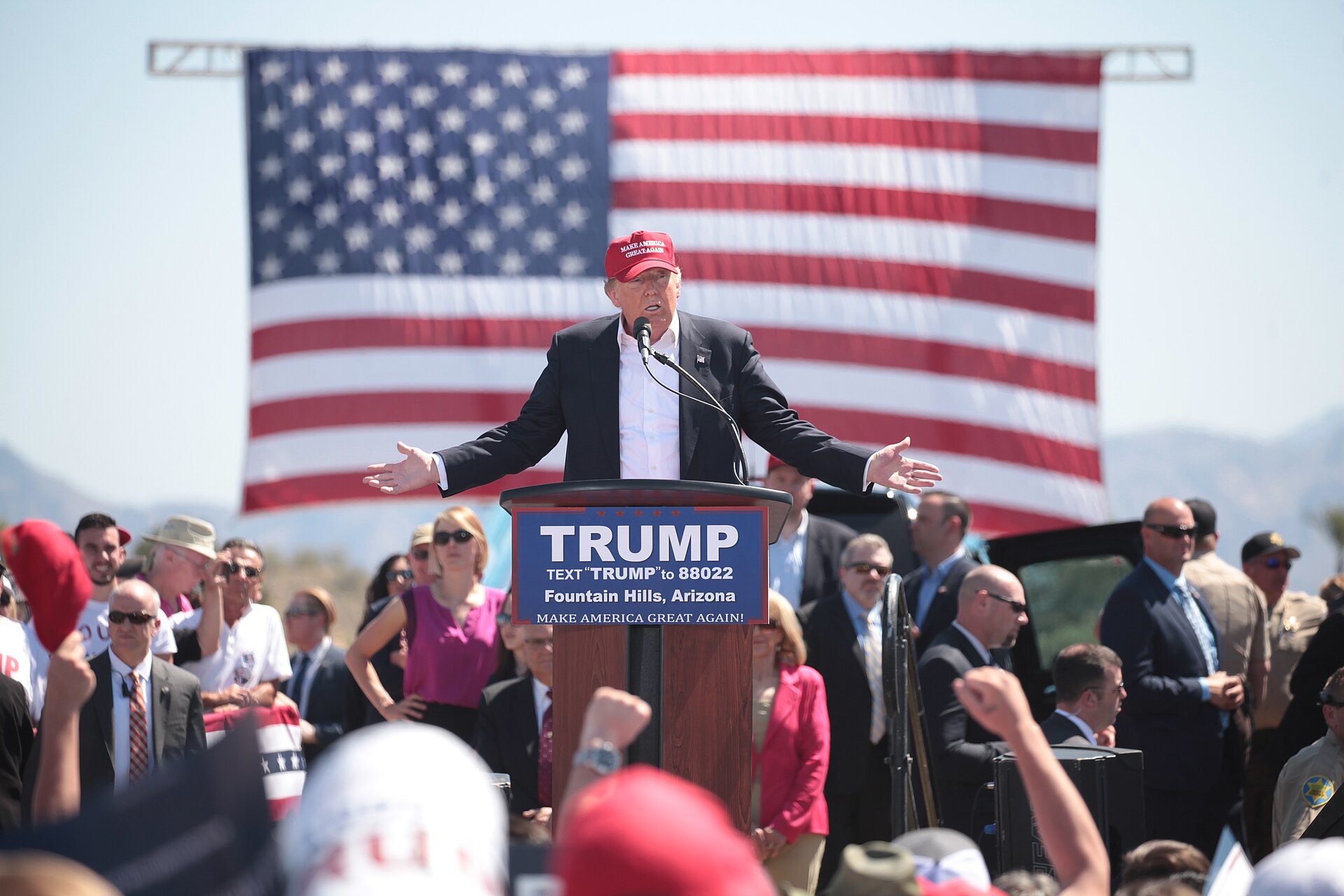
The pardon power is usually exercised in private: documents signed in the Oval Office, names released in a statement, recipients learning their fate by phone. On Tuesday night at the Curtis D. Menard Memorial Sports Center in Wasilla, President Donald Trump exercised it under stage lights. Midway through a midterm rally held to support Republican candidates, he brought Zachary Czubak and Patrick Fleming — co-owners of the Anchorage diesel repair shop Arm Rippin Toys — up to the podium, signed clemency documents an aide handed him, and announced unconditional pardons as the crowd watched.
"I'm giving each one of the three an unconditional pardon," Trump told supporters — three, not two, because the case had a third co-owner, Michael Hanzuk, who was not the man standing beside him. The President also pointed to an earlier pardon he had granted to Mackenzie "Mac" Spurlock, a Wasilla diesel shop owner, placing Tuesday's signatures in a line of Alaska clemency he has made part of his pitch in the state. Then he signed, holding the moment for the room.
What the men were convicted of
Strip away the stagecraft and the underlying case is a conventional piece of federal environmental enforcement. In 2022, the three co-owners of Arm Rippin Toys pleaded guilty to conspiracy to violate the Clean Air Act. According to the Justice Department under President Joe Biden, the co-owners and their employees falsified, tampered with and rendered inaccurate the emissions-monitoring devices on diesel vehicles, and removed emissions-control equipment the law requires — work prosecutors said was performed on at least 37 vehicles between July 2019 and September 2020. The shop collected roughly $100,000 for the modifications, federal prosecutors said at the time.
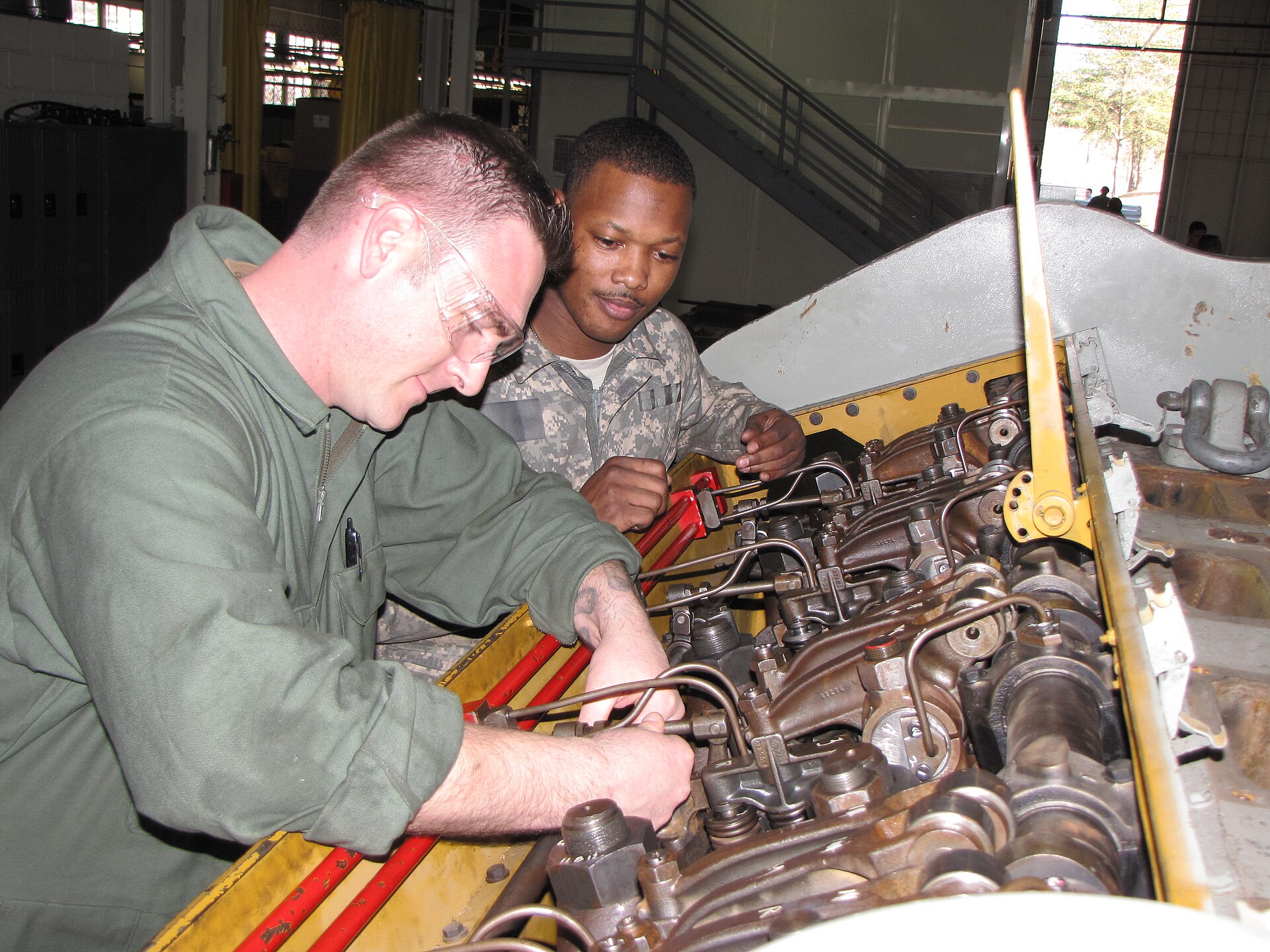
The practice at issue is known in the trade as a delete: stripping or disabling the pollution-control hardware and software on a diesel truck so it no longer limits emissions — and no longer reports what it is emitting accurately. To the vehicle owner, the appeal can be performance, reliability and repair costs. To regulators, the harm is arithmetic: each modified truck can emit many times the pollution of a compliant one, and the falsified monitoring hides it. Sentencing reflected a case in the middle of that argument's range. Hanzuk and Czubak received five years' probation, community service and a $66,000 fine. Nobody in the case, on the record the sources describe, went to prison.
How Trump told the story
None of that framing survived contact with the rally stage, and the distance between the court record and the podium version is the political heart of the story. Trump said the men had been convicted "because they fixed an engine," and that they had been facing 10 years in prison — a reference, on the most generous reading, to the kind of statutory exposure such charges can carry, rather than to the probation sentences actually imposed. He walked the crowd through his own account of the underlying dispute: that letting people repair engines means letting them remove the environmental equipment he said makes engines inefficient and expensive. He defended the men's work as the kind that keeps trucks operating in Alaska's extreme cold, and presented their prosecution under the previous administration as unfair — an example, in his telling, of a government at war with the people who keep a hard climate running.
The human cost, as the recipients themselves described it, was also part of the presentation. One of the pardoned men, speaking from the stage, said the prosecution had destroyed them — that it had destroyed friendships and families. That is a claim about lived experience rather than law, and it landed with the crowd precisely because it was personal: a conviction record, years of probation, a fine and a business's reputation are consequences that do not show up in a Justice Department press release's summary of a plea. Both versions of the case are true at once, and Tuesday's event was built to make only one of them visible: the file says emissions controls were removed from dozens of trucks for money; the stage said working men were crushed for doing their jobs. A pardon, unlike a court ruling, does not have to reconcile the two. It simply overrides the outcome.
A necessary note on the third name
The reporting on exactly what was signed on Tuesday is not perfectly aligned, and accuracy requires saying so. Trump spoke of pardons for "each one of the three," and the two men physically onstage — Czubak and Fleming — were the evening's recipients in both the USA Today and Fox News accounts. Hanzuk's position is murkier: at least one report on the rally says the third co-owner had already received a pardon the previous month. If that is correct, the President's onstage words may have been announcing the completion of the set rather than signing three documents that night. What is not in dispute is the substance: all three co-owners of Arm Rippin Toys now stand pardoned, the two present in Wasilla received theirs in front of a cheering crowd, and the Spurlock pardon preceded them. Readers should treat any account claiming three signatures at the podium with caution — the named sources support two onstage, with the third man's timing attributed and less certain.
The autopen, and the theatre of the signature
Trump understood that the signing itself was content. As he put pen to paper he took a jab at his predecessor's use of an autopen — a mechanical signature device whose use by President Biden he has repeatedly attacked — remarking that he was signing in person, in a way he suggested Biden could not. And he said aloud what the staging was designed to show: that he regards the pardon power as one of the presidency's great privileges, telling the crowd how much he loves exercising it. The remark was candid, and strategically useful. A rally audience cannot inspect a pardon document, but it can watch a man receive one; it can hear him say what the prosecution cost his family; it can cheer. Clemency delivered this way is simultaneously an act of state and a campaign testimonial, with the recipient's gratitude as the endorsement.
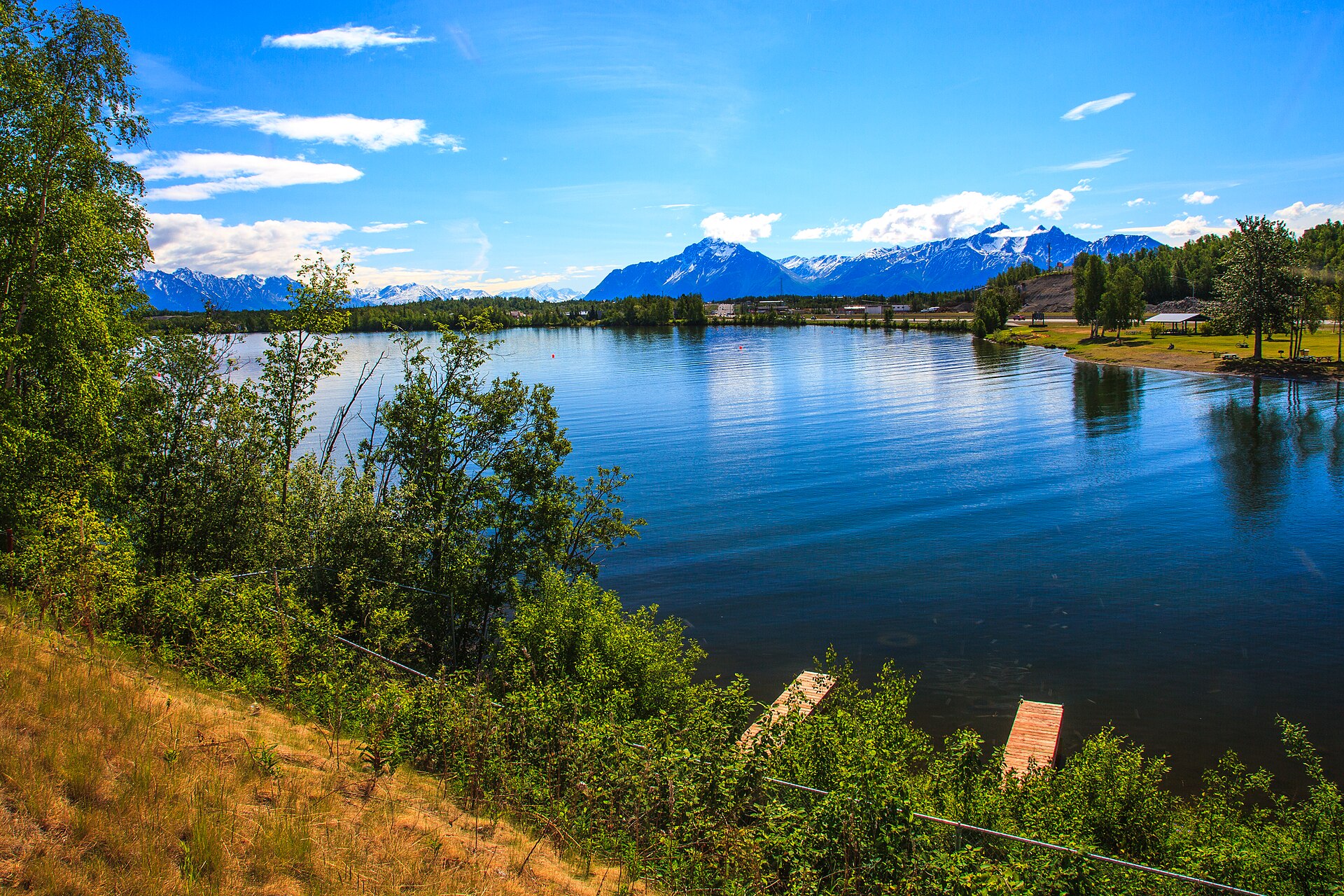
The pardons were not the rally's only business. The same event showcased the administration's Alaska agenda: Trump touted major energy deals and infrastructure for the state, including progress on an Alaska natural-gas pipeline project that has been discussed in various forms for decades and would be transformative if built. The pairing is not accidental. In the administration's telling, the mechanics' case and the pipeline belong to the same story — a resource state held back by environmental rules written far away, and a president removing the obstacles one signature at a time, whether the obstacle is a permitting regime or a conviction record.
Right to repair, or a licence to delete?
Supporters of the pardons frame cases like this one under the banner of the right to repair: the principle that owners and independent mechanics, not manufacturers and regulators, should decide how equipment is fixed and kept running. That argument has real force in a state where a truck is not a lifestyle accessory but the machinery of work, supply and survival, and where the nearest authorised dealer can be very far away in very cold weather. Trump's version of it on Tuesday — that the men helped keep trucks operating in extreme conditions and were prosecuted unfairly for it — is aimed squarely at voters who experience emissions rules as costs imposed on their lives rather than protections for their air.
The enforcement side of the argument is equally concrete, and it survives the pardon even if the convictions do not. The Clean Air Act's anti-tampering rules exist because emissions controls only work if they stay on the vehicle: a monitoring device that has been falsified cannot certify anything, and a truck whose controls have been removed exports its costs into the air everyone along the road breathes. Prosecutors in the Biden-era case did not charge the men with repairing engines; they charged a conspiracy, supported by guilty pleas, to disable the pollution regime on at least 37 vehicles as a paid service — about $100,000 of business. Critics of the pardons will argue that erasing such a case tells every shop in America that delete work carries no lasting risk if the politics align; defenders will answer that probation, fines and years of prosecution were punishment enough for conduct they regard as a regulatory offence, not a crime of harm. No named critic of these specific pardons was quoted in the sources available at staging, and none is invented here. But the disagreement itself is structural, and it will repeat with every enforcement-pardon cycle.
What a pardon does — and does not do
An unconditional presidential pardon for a federal offence erases the legal consequences of the conviction: the remaining weight of probation, the collateral disabilities that follow a federal conviction, and the conviction's standing as a punishment are lifted by the one authority the Constitution places beyond review in this area. Courts cannot undo it, Congress cannot condition it, and the Justice Department's view of the underlying case becomes history rather than law. What a pardon does not do is change the statute. The Clean Air Act's prohibitions remain in force for the next shop, the next truck and the next mechanic — although the deterrent signal sent by pardoning a completed, publicised case is something enforcement officials will have to factor into every future prosecution they bring. That is the broader pattern into which Tuesday fits: an administration rolling back Biden-era environmental enforcement through regulation where it can, and through clemency, theatrically, where a human story makes the rollback legible.
What happens next
For Czubak, Fleming and Hanzuk, the legal story is over: the pardons are final the moment they are issued, and no appeal — by anyone — exists. For Arm Rippin Toys as a business, the practical questions are quieter ones about licences, reputation and whether customers read Tuesday night as vindication. For the administration, the Wasilla format is the deliverable: expect the onstage pardon to be reused, because it converts abstract arguments about regulatory overreach into a face, a signature and an ovation, in a state whose energy projects the White House wants to be seen advancing. For everyone else in the diesel trade, the lesson is double-edged and worth stating plainly. The law that produced this case is unchanged, the enforcement machinery that built it still exists, and the difference between the mechanics of Wasilla and the next defendant may turn out to be nothing more — and nothing less — than whether a president hears their story and likes it.
Related coverage: Trump's pardon politics: the fallout from an earlier clemency fight