Trump Kennedy Center Truth Social
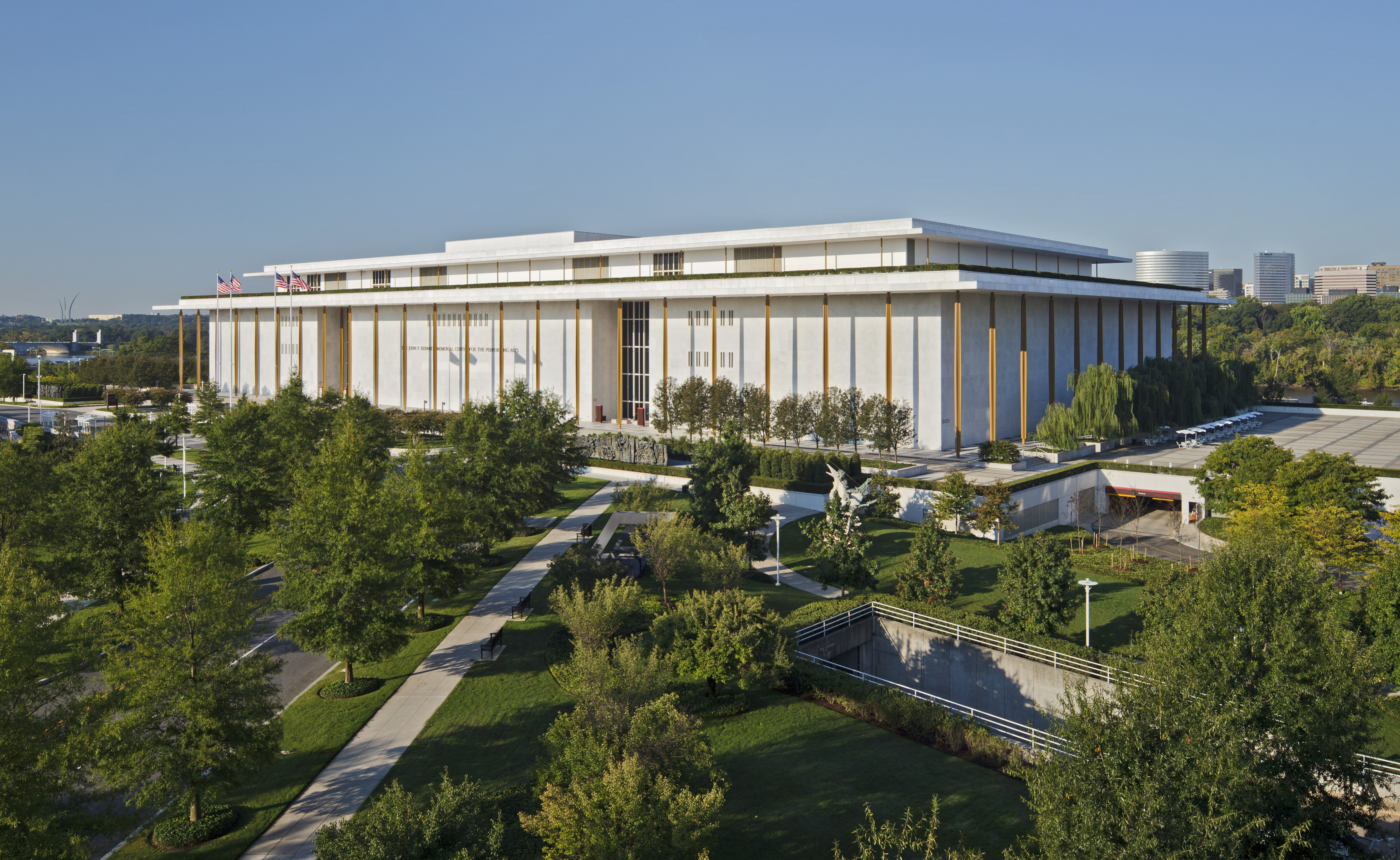
Trump Kennedy Center Truth Social posts arrived in a torrent Sunday afternoon: 23 posts in under an hour, six of them focused on the landmark's interior. President Donald Trump called the Kennedy Center “crumbling,” “dilapidated” and “grotesque,” but his central target was not the building. It was US District Judge Christopher Cooper, who has blocked the Trump-aligned board's effort to rename the memorial and its plan to close the venue for two years.
In a 1:08 p.m. ET post quoted in coverage of the spree, Trump wrote: “The Kennedy Center is crumbling, and a great danger to anyone who walks inside. It's been this way for years, and will only get worse unless the Radical Left Judge, with his Trump Hating lawyer wife, allows me to do what must be done!” Another post placed the words “The Kennedy Center is literally falling apart” over an image of plaster on the floor.
The language combined three arguments that have been building for months: that the venue faces serious physical deterioration, that the administration needs broad freedom to rescue it, and that Cooper's rulings are the chief obstacle. Those claims overlap, but they are not the same. Cooper did not rule that repairs could not happen. His May decision concerned the attempted renaming; his later order stopped the board's closure process.
Why the attack on Judge Cooper matters
Presidents have long criticized court decisions. This confrontation moved beyond a legal argument when Trump described Cooper as a “Radical Left Judge” and invoked Amy Jeffress, Cooper's wife, as a “Trump Hating lawyer wife.” Jeffress is an attorney for former President Joe Biden. Cooper, who was nominated by Barack Obama, had already been called a “Barack Hussein Obama Judge” by Trump after the May ruling.
The immediate political value is clear: the personal framing converts a complicated separation-of-powers dispute into a story of one judge allegedly blocking one president from saving a public institution. The institutional cost is also clear. A judge's spouse has no role in the order, and bringing her into the attack makes the pressure more personal while doing nothing to answer the ruling's statutory basis.
That basis is straightforward. Congress created the building as a memorial to John F. Kennedy. Cooper ruled in May that the board could not unilaterally change the name to the “Trump-Kennedy Center”; Congress would have to act. He ordered Trump's name removed from the facade within two weeks. The center complied in June, leaving tarp and scaffolding where the lettering had been.
How a name fight became a closure fight
The Trump-aligned board kept testing how far it could go. In August it voted to place “The John F. Kennedy Center for the Performing Arts Restored and Renovated By President Donald J. Trump” on the facade. It also proposed an “Endowed by the Trump Kennedy Center Fund” inscription if that fund reached $100 million, and voted to rename the plaza in Trump's honor.
Cooper rejected those moves, ruling that none could proceed “without Congress's blessing.” Then came the board's proposal to close the main building for two years while renovations proceeded. Around September 17, fencing went up. Spokesperson Roma Daravi said “compounding systemic infrastructure failures from decades of neglect” had left a crumbling building and that safety concerns required immediate closure.
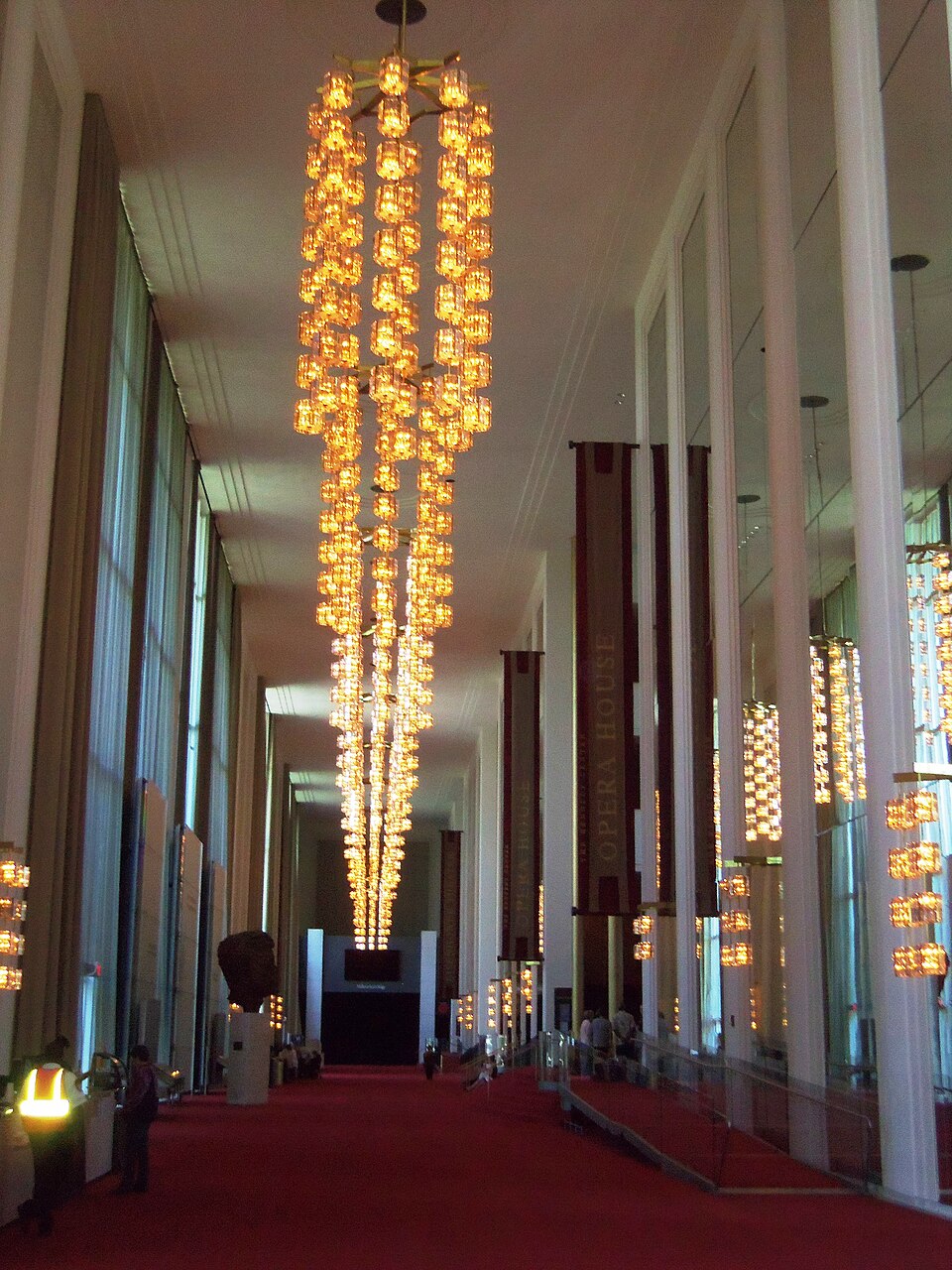
The safety case was not abstract. A section of ceiling fell in a main hallway earlier in September. No one was hurt, but the collapse became a powerful piece of evidence for supporters who say continued operation is irresponsible. Cooper nevertheless blocked the two-year shutdown the following Tuesday, describing the board's vote as “ill-informed and seemingly preordained.” That wording matters: the order challenged the process behind the closure, not the existence of maintenance problems.
The administration's supporters argue that decades of deferred work produced today's emergency and that Trump brings unusual fundraising and construction experience. In their telling, litigation is making a bad building worse. Critics answer that deterioration cannot become a blank check to rewrite a memorial's identity, bypass Congress or preordain a multiyear shutdown before alternatives receive a fair hearing.
The government's “existential” argument
The Justice Department has now taken the renaming dispute to the DC Circuit Court of Appeals. In its September 29 filing, the administration called the block on adding Trump's name an “existential” threat. Government lawyers argued that only Trump has the fundraising and construction expertise to save what they described as “a financially insolvent facility and a decrepit, dilapidated, crumbling building... racing toward physical and financial ruin.”
The filing raised the stakes further: without renovation, it said, the center “will be required to be taken down” and could be replaced with “a large outdoor amphitheater.” Congress has approved $257 million for the project, while the proposed Trump Kennedy Center Fund carries a separate $100 million threshold for its planned inscription.
Those numbers sharpen rather than settle the dispute. A quarter-billion-dollar appropriation demonstrates that Washington accepts the need for substantial work. It does not, by itself, determine whose name belongs on the facade, whether the whole building must close for two years, or whether a board vote satisfied legal requirements.
A cultural institution already absorbing the fallout
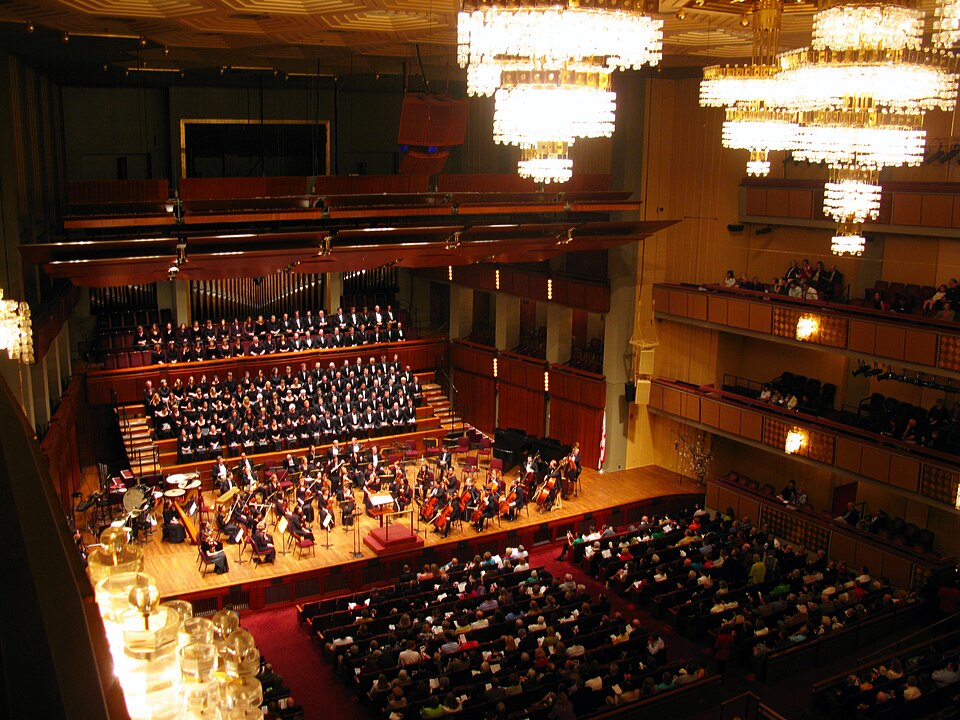
The dispute is no longer confined to legal briefs. On Friday, a Kennedy Center spokesperson announced that the annual honors ceremony would move to another venue after the board decided to close the center for renovations. That relocation is the clearest public sign so far that uncertainty over access, safety and scheduling is changing what audiences will experience.
Maria Shriver, John F. Kennedy's niece and a former first lady of California, called the standoff “a sad state of affairs” and a “tragedy.” Her criticism speaks for those who see the memorial itself being pulled into presidential branding. The board and center leadership, by contrast, say halting the closure prolongs risks and prevents a necessary rescue.
Trump's other posts in the same Sunday spree ranged across Greenland memes, praise for Xi Jinping as a “Great Leader,” a claim that he “gets YOUNGER,” attacks on “artificial news,” Barack Obama and protesters opposing his planned Washington arch. His Brazil-India mix-up is examined in a separate analysis of the same posting burst. The larger construction agenda is explored in our report on Trump's planned DC memorial arch.
What happens next
The DC Circuit appeal is now the legal hinge. If the administration prevails, the board could regain room to restore Trump's name and strengthen the argument that presidential recognition is part of the financing plan. If Cooper's ruling stands, Congress remains the necessary gatekeeper for any renaming, regardless of the administration's claims about urgency or fundraising.
The closure question will proceed on its own track. Center officials can continue documenting hazards, refining renovation plans and seeking a legally sound process. Opponents can demand a narrower shutdown, stronger evidence and a plan that protects both the memorial's statutory identity and its performance mission. The relocated honors ceremony gives both sides a near-term consequence to point to.
Trump's posts ensure that every new photo of plaster, fencing or scaffolding will now carry two meanings. One is physical: an aging national institution needs work. The other is constitutional: neither deterioration nor political popularity automatically answers who has authority over a memorial created by Congress. That distinction is what the courtroom fight is really about.
Sources
Reporting basis: This article separates the court's rulings on naming and procedure from the center's physical-condition claims. It does not state that Cooper barred repairs or that the building has been officially condemned.