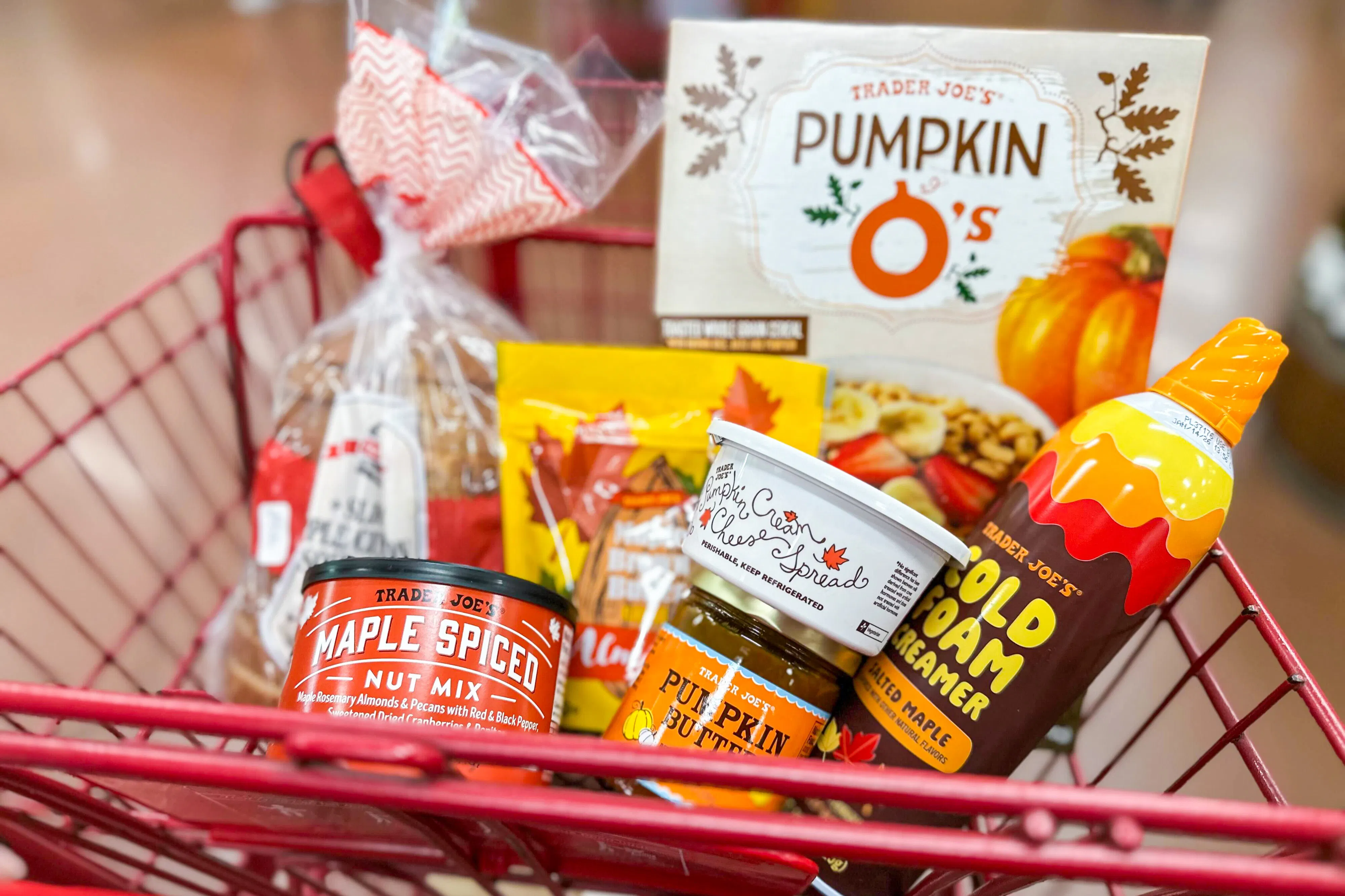
Seasonal grocery shopping can reward curiosity, but urgency should not replace judgment. Stock and prices vary by store, and limited-time products are only good buys when they fit the way you eat. These eleven finds stand out because each has a clear role.
- Honey Mustard Popcorn: a sweet, tangy movie-night snack that needs no preparation. Buy it for sharing, not as a pantry project.
- Organic 21 Grains & Seeds Bread: a thin-sliced loaf for toast and compact sandwiches, with grains and seeds adding texture.
- Italian Mascarpone & Mixed Berries Gelato Style Frozen Dessert: a split tub that can be scooped separately or swirled; add fresh berries for contrast.
- Pasta Primavera: strozzapreti with zucchini, pepper and broccoli in a light butter-cheese sauce. Add greens or leftover chicken to stretch it.
- Kanom Dok Mai Chewy Thai Coconut Cakes: flower-shaped, lightly sweet coconut cakes with a chewy center; heat them for a crisper edge.
- Granola Butter: a smooth oat-based spread with a toasted, graham-like character. Use it on apples, yogurt or warm toast.
- Cherry pie cookies: buttery cookies with dried cherries and sweet-tart crunch. Crumble a few over vanilla ice cream.
- Barebells Brownie Batter Protein Bar: a dessert-leaning bar for bags and desks; useful when convenience matters more than a composed snack.
- Lemon Pepper Seasoning Blend: black pepper, lemon and savory aromatics that can wake up vegetables, fish, chicken or popcorn.
- Vanilla O’s: an oat cereal flavored with ground vanilla beans. Think simple breakfast or crisp topping for yogurt.
- The Sheepish Pesto: aged sheep’s-milk cheese streaked with pesto. Serve on a board, shave over salad or melt into pasta.
The smart seasonal haul is not the biggest one. It is the one with a plan for every item.
Shop the list like an editor
Choose one freezer shortcut, one pantry helper and one treat, then stop. Check allergens and labels in store, particularly for sauces, bars and products made with nuts, dairy or wheat. If a seasonal item becomes a favorite, take a photo of its label and serving ideas before it disappears; that makes it easier to find a substitute later.
Turn the haul into three meals
Pasta primavera becomes a complete dinner with a bag of spinach stirred in at the end and a simple protein on the side. Finish it with lemon pepper seasoning to connect the vegetables and sauce. The goal is not to transform the product beyond recognition; it is to use one shortcut as the center of a meal rather than buying several unrelated novelties.
The 21 grains and seeds bread can handle breakfast, lunch and a quick dinner. Toast it with granola butter and sliced fruit, use it for a compact cheese-and-greens sandwich, or crisp cubes for a salad. A versatile staple earns freezer space even if it is not the most exciting item in the basket.
The Sheepish Pesto can become a finishing ingredient rather than a cheese-board-only purchase. Shave it over roasted vegetables, fold small pieces into warm pasta or pair it with apples and the seeded bread. Because its flavor is concentrated, a modest amount can carry several meals.
Use the freezer strategically
Freezer shortcuts are valuable when they prevent an expensive last-minute order. Leave enough space around packages for air to circulate and label anything removed from its box with cooking directions. Do not assume every seasonal product freezes well after opening; sauces may separate and crisp snacks can lose texture.
For dessert, portion the gelato-style frozen dessert into small bowls and return the tub quickly. Add fresh fruit, toasted nuts or a crumbled cherry pie cookie so a limited item becomes part of a composed dessert. This also slows the impulse to keep sampling directly from a seasonal package.
Read the label, not the season
“Fall,” “protein” and “organic” describe positioning, not whether a product fits your needs. Compare serving size, allergens, sodium, added sugar and preparation method. For prepared meals, decide what vegetable or protein would make the portion satisfying rather than assuming the front image represents the full plate.
Prices reported in a national roundup may differ from your local store, and stock can disappear between publication and a visit. Ask a crew member where seasonal items are displayed and whether the product is expected to return. Avoid making a special trip for a single item unless the store confirms availability.
A simple ranking method
Score each item on taste, versatility, value and likelihood of finishing it. A highly enjoyable snack can still rank well even if it is not versatile, but buying multiples should require a stronger case. Products that work across several meals generally deserve more space than items chosen only because the package is new.
After a week, note what was used and what remained unopened. That small review improves the next seasonal shop more than any viral list. The best Trader Joe’s products of 2026 are the ones that solve a real meal or bring genuine pleasure without creating waste.
Keep the seasonal mood without the clutter
One treat, one spice blend and one convenient dinner are enough to make the month feel different. Pair them with ordinary produce, eggs, beans, grains and yogurt rather than building a pantry entirely around limited releases. Novelty is most enjoyable when the rest of the kitchen remains dependable.
If something sells out, replace its role instead of chasing the exact label. Any tangy popcorn can fill the snack slot; another pesto cheese can finish pasta; a simple frozen vegetable pasta can become dinner. The point of a Trader Joe’s September finds list is inspiration, not scarcity anxiety.
Why this matters
Seasonal grocery excitement is engineered scarcity meeting routine necessity. That can make shopping feel playful, but it can also turn low-cost treats into expensive waste when novelty outruns a meal plan. A useful guide must distinguish products that solve a food occasion from products that merely produce urgency.
How we got here
Limited-time supermarket products borrow from fashion’s drop model: short availability encourages immediate purchase and social sharing. Trader Joe’s private-label structure makes discovery part of the brand experience. The historical parallel is the seasonal market stall, but national distribution and online hype now synchronize demand at much larger scale.
Who benefits, who loses and what critics say
The retailer gains repeat visits and basket expansion; shoppers gain variety at accessible prices. Regular customers can lose access when viral items sell quickly, and households lose money if backup purchases expire. Critics call the model manufactured scarcity; the fair counterpoint is that seasonal ingredients and rotating shelf space also create genuine operational limits.
What the numbers should mean
Eleven recommended items are not eleven required purchases. The relevant calculation is planned uses per item and total basket cost, not the low unit price printed on each package. A $4 product discarded is more expensive than a $7 product used across three meals, and regional price or inventory differences make any snapshot temporary.
What happens next
Viral products will continue to sell out faster as discovery accounts amplify them. Smart shoppers will build substitutions and call before making a special trip; the retailer will watch which seasonal items earn permanent or returning status. The enduring winners will be products that move from novelty haul to repeat meal.
Availability source: Product descriptions and prices at publication were reported by Parade. Inventory and regional pricing can change quickly; call your store before making a special trip.