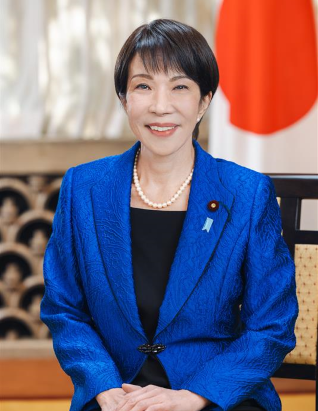
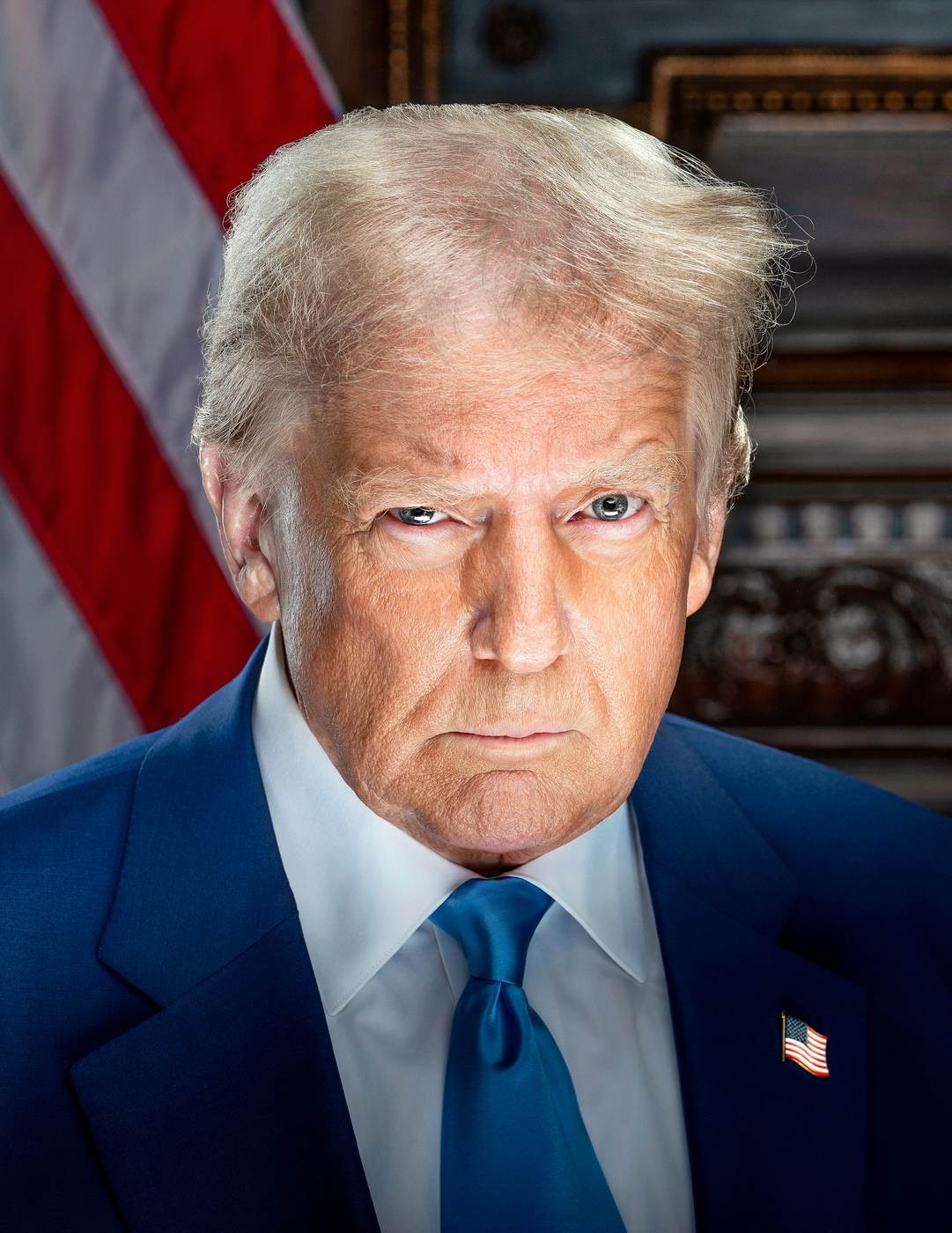
Takaichi Trump meeting UNGA is the clearest way to understand this developing story. Japanese Prime Minister Sanae Takaichi met Donald Trump on the sidelines of the UN General Assembly on September 22 and called their China discussion “timely” at a New York press conference the next day.
Trump was due to host Xi Jinping in Washington on September 24. Japan and other U.S. allies feared an economic bargain could weaken support for Taiwan, while Reuters reported Xi would press for an end to U.S. arms sales to the island.
In her UN speech, Takaichi urged the organization to remove “enemy state” clauses from its charter. Tokyo also raised economic security and the risk of dependence on Chinese critical-mineral supply chains.
Why it matters
Tokyo’s objective was not to dictate the summit but to shape its boundaries before the principals met. The risk for Japan is that a bilateral U.S.–China bargain reallocates costs to allies that are not in the room.
The headline number is only the beginning. Its significance depends on implementation, behavior and the choices institutions make after the announcement. That is why this report separates confirmed figures from scenarios and labels any unresolved claim plainly.
Who wins and who loses
Takaichi gains if the administration treats alliance security as a constraint on trade concessions. Trump gains negotiating leverage by showing Xi that regional allies expect firmness. Taiwan benefits from visibility, although publicity can also increase pressure from Beijing.
Distribution matters as much as the top-line outcome. Benefits can arrive quickly for well-positioned institutions while costs fall on households, workers, smaller firms or communities with less room to adjust.
The critics’ case
China views Japanese security expansion and Taiwan language as provocation. Critics of Takaichi may argue that public lobbying reduces diplomatic space; supporters say silence would be interpreted as consent.
The counterargument is that waiting for perfect evidence can obscure a genuine change already visible in the reported numbers. The responsible reading is neither dismissal nor certainty: it is a dated assessment tied to the evidence available on September 23.
What happens next
The real test is the Trump–Xi readout: language on Taiwan, arms sales, rare earths and regional military activity. Japan will also watch whether the economic-security promises become joint projects.
Readers should expect the picture to change as official documents, follow-up data and implementation details emerge. Signal Post News will treat later revisions as updates, not force them into today’s snapshot.
Related coverage
Continue with our analysis of the Trump–Xi summit, the markets report on oil below $100, and the Federal Reserve rate decision explainer.
Sources
- www.reuters.com: source reporting and reference material.
- www.wsj.com: source reporting and reference material.
- www.ajupress.com: source reporting and reference material.
Reporting basis: Fixed September 23, 2026 snapshot. Signal Post News analysis is separated from sourced facts; unresolved or unconfirmed claims are labeled.