Taipei draws a criminal line / AI chips, servers and prison risk
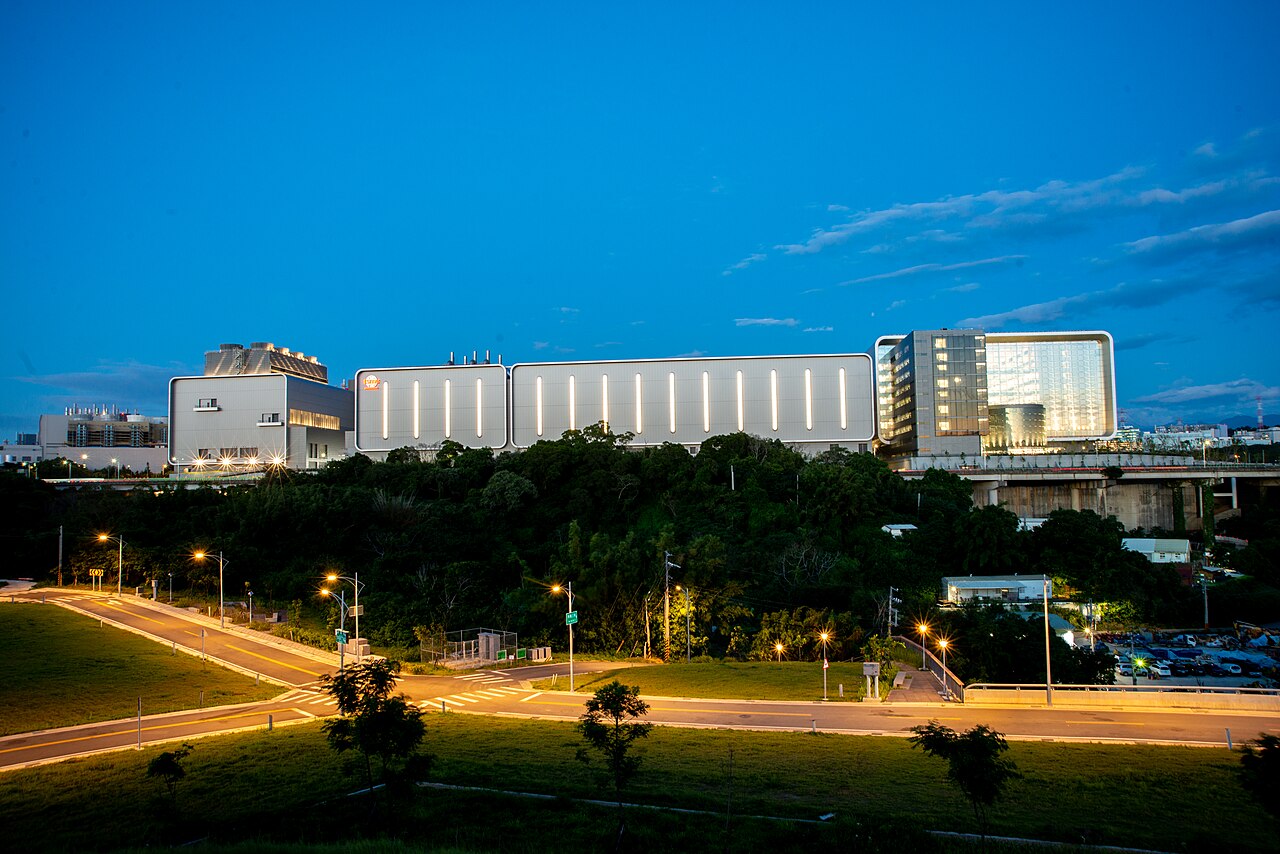
The minister gave no timeline, and the plan reported by Bloomberg on October 16 is a direction of travel rather than a finished statute. Even so, the direction is unmistakable, and it completes a pattern: the United States controls which advanced AI chips may be sold to China, Beijing is now drafting controls on its own strategic technologies, and Taiwan — the island where most of those chips are physically made — is preparing to back its controls with criminal law rather than administrative fines.
The enforcement gap Taipei wants to close
The practical problem is one prosecutors know well. Taiwan restricts sensitive exports, but for AI hardware there is no direct criminal provision aimed at unlicensed shipments to China, so investigators rely on other laws — trade, customs or national-security statutes written for different conduct — and build cases indirectly. That produces friction at every stage: charges that fit awkwardly, penalties that may not match the value of the cargo, and deterrence that sophisticated intermediaries can price in as a cost of business.
Criminalization under the Foreign Trade Act would change the arithmetic. A dedicated offence makes the unlicensed export itself the crime, simplifies the prosecution's task, and raises the personal stakes for the individuals who sign paperwork, charter freight and route servers through third countries. Administrative fines fall on companies and can be absorbed; criminal liability falls on people, and it cannot be expensed. That distinction — between a fine as overhead and a prosecution as personal risk — is the core of the proposal, more than the length of any particular control list.
Why AI servers, and why now
The items named — AI servers and advanced semiconductors — reflect where the leakage concern actually sits. A modern AI server is not a single chip; it is a system containing multiple high-end accelerators, high-bandwidth memory and networking, worth far more than its processors alone and useful to a buyer immediately on arrival. US rules already restrict Nvidia and AMD advanced AI chip exports to China, yet American authorities believe Nvidia chips worth billions of dollars have entered China illegally via third countries in recent years. Every transshipment route that investigators describe raises the same question for Taipei: how much of that flow begins, passes through, or is brokered from the island that manufactures the underlying silicon?
Timing adds a second motive. Taiwan and the United States concluded a mutual trade agreement this year, and Minister Kuo framed the coming measures as alignment with US rules. Alignment is partly technical — compatible lists are easier to enforce jointly — and partly diplomatic: demonstrating that Taiwan polices its end of the supply chain strengthens its position in Washington at a moment when the island's security depends heavily on American support. The scale of the legitimate industry shows what is at stake in keeping that trust, as reflected in TSMC's record third-quarter profit on AI chip demand: the same demand that produces record earnings produces record incentives to divert cargo.
Taiwan is simultaneously pursuing billions of dollars in investment to build an AI semiconductor supply chain in the United States, usable by companies including Nvidia. That investment and the criminalization plan are two halves of one strategy: move more trusted production onto American soil, and make untrusted diversion from Taiwanese soil a crime rather than a paperwork violation.
TSMC's shadow and the risks for Taiwanese firms
No company is named in the proposal, but no company can be far from it. TSMC manufactures the great majority of the world's most advanced logic chips, and Taiwan's smaller ecosystem of server makers, packaging firms, distributors and freight intermediaries handles AI hardware at every stage between the fab and the data center. Criminalization will land hardest not on the giant, which maintains extensive compliance operations, but on mid-sized firms whose export screening may consist of trusting a customer's stated destination.
That creates real risks alongside the intended deterrence. Over-compliance is the predictable first response: companies refusing lawful orders, demanding end-use documentation their customers cannot easily provide, or exiting product lines whose buyers sit in ambiguous jurisdictions. There is also a definition problem the drafters will have to solve — which servers count as "AI servers," which chips count as "advanced," and how liability treats a Taiwanese seller deceived by a foreign intermediary with falsified paperwork. American rules have spent years refining exactly those definitions, and disputes over them continue; Taiwan is adopting the framework after the hardest lessons, but also inheriting its ambiguities. The industry's consolidation around AI security, seen in deals such as Cohere's acquisition of cybersecurity startup Aisle, hints at how compliance and security are becoming core business functions rather than back-office tasks.
Why this matters
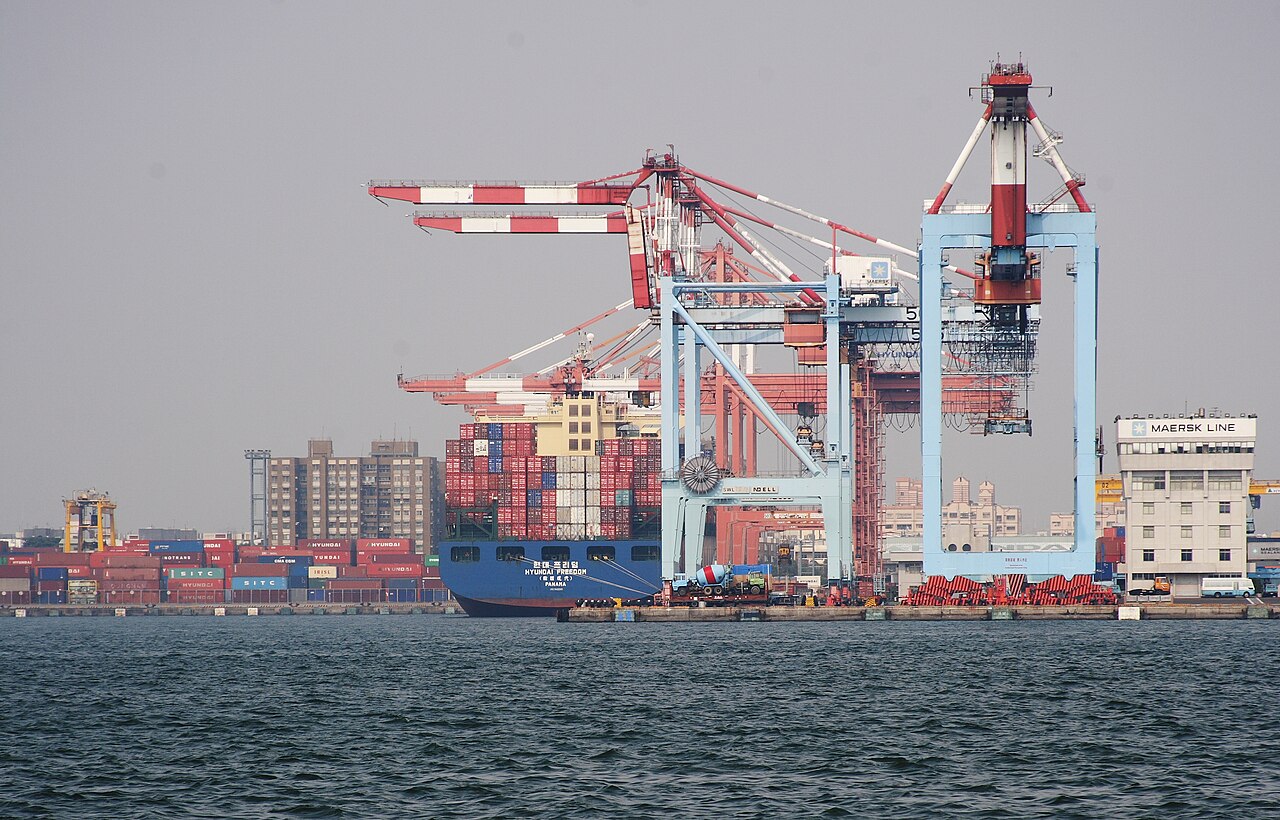
This matters because export controls fail or succeed at their weakest enforcement point, and until now Taiwan — the single most important point in the entire AI chip supply chain — has enforced its most sensitive category without a dedicated criminal offence. The comparison with the other two capitals is instructive. Washington controls a design and software ecosystem and enforces through a mature sanctions and export apparatus; Beijing, in its draft catalog published this week, proposes licensing even intangible releases such as open model weights; Taipei's contribution is different: physical custody of the manufacturing itself. A criminal statute converts that custody into accountability.
For China, the effect, if the law passes and is enforced, is a narrower and riskier gray market. Billions of dollars of diverted hardware did not move by accident; it moved because intermediaries judged the profit greater than the legal risk. Criminal penalties in the jurisdiction where much of the hardware originates raise that risk at the source, which is more efficient than chasing shipments after they have been relabeled twice. For Taiwan's firms, the same law is both a shield — proof to Washington that the island is a reliable custodian — and a burden they will feel in every compliance review. Both effects are intended.
What happens next
Minister Kuo gave no timeline, so the next signals will be legislative: the wording of the Foreign Trade Act amendment, the thresholds chosen for the control list, and whether penalties scale with shipment value. Watch for how the definitions treat AI servers assembled in Taiwan from imported accelerators, and for guidance to smaller exporters who lack compliance departments. Watch also for Beijing's reaction, which will likely frame the move as Taiwan following American instructions — and for Washington's, which will read it as the trade agreement working as designed. Until the text is published, the proposal remains an intention; but intentions stated by an economy minister, in alignment with a signed trade agreement, have a way of becoming law. Signal Post News will report the draft when it appears.
Sources: Bloomberg reporting via Bloomingbit, Oct. 16, 2026 (planned control list, Foreign Trade Act criminalization, Minister Kuo's Oct. 12 interview, US supply-chain investment). Related on Signal Post News: TSMC posts record Q3 profit on AI chip demand · Cohere buys Aisle AI cybersecurity startup.