Sudan miners killed airstrike
The second strike on Sudanese miners in months points at Cairo — but the evidence is thin, the denial is silence, and the gold beneath the sand explains why anyone would bomb a mine at all.
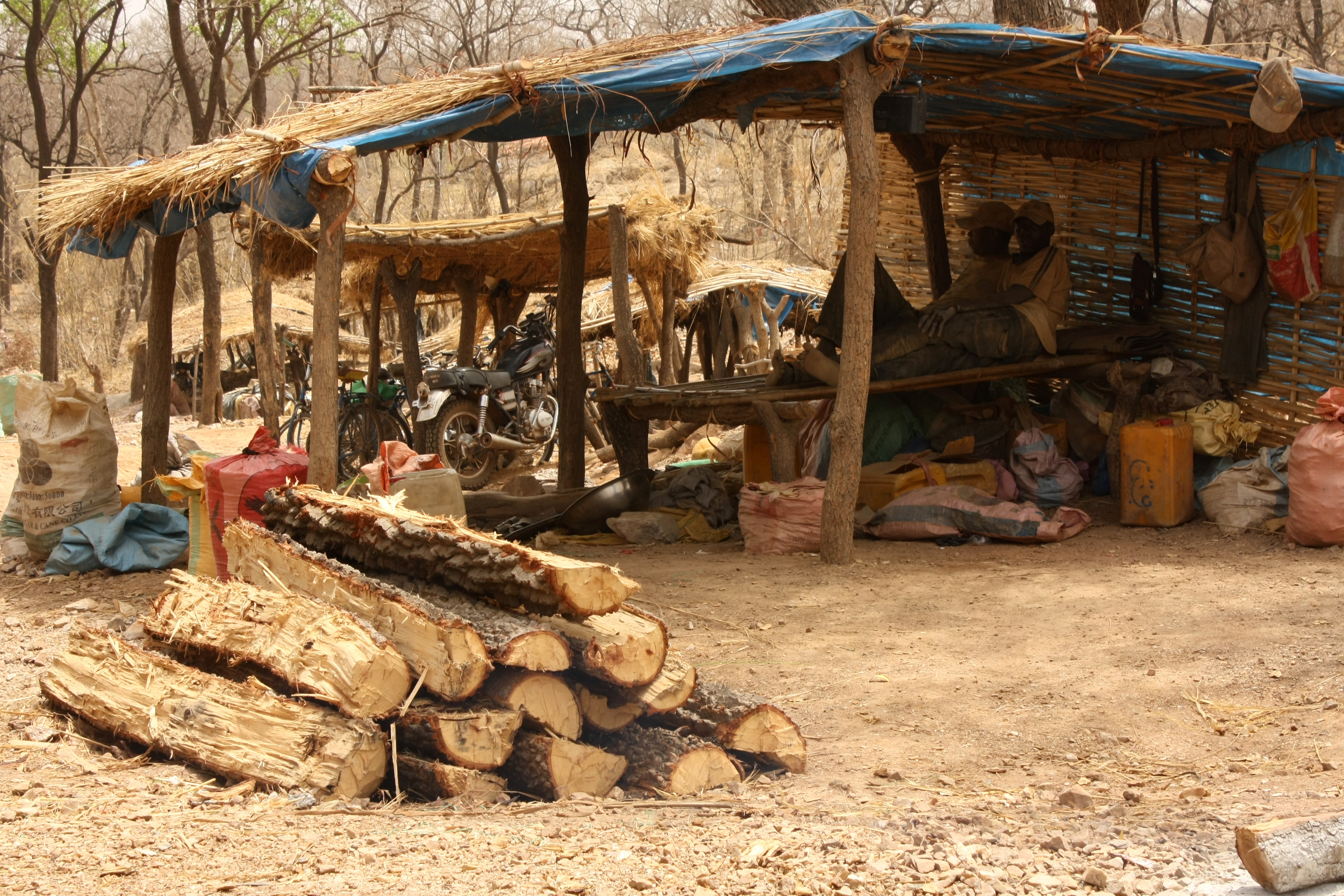
At least 72 artisanal miners were killed in an airstrike in northern Sudan on Saturday, the Sudanese rights monitor Emergency Lawyers said on Sunday — the second such strike on miners in several months, and one of the deadliest single incidents in a war that has grown steadily more lethal for civilians. The group blamed the Egyptian air force for the attack. That claim could not be immediately verified, and Egypt has not commented.
Track it live: Live wars tracker · Africa conflicts map
Why this matters
Sudan's war has mostly been covered as a two-sided fight — the Sudanese army against the paramilitary Rapid Support Forces. This strike cracks that frame open. If a foreign air force really did bomb Sudanese miners, the war has a third combatant operating openly in Sudanese skies, and the region's most populous Arab state is a direct party to the killing. If the claim is wrong, then someone else — the army, the RSF, or a drone operator answering to neither — just massacred 72 civilians and the question of who can strike with impunity inside Sudan is even darker. Either way, the incident exposes the feature of this war the world keeps underestimating: it is no longer a civil war with foreign backers. It is a regional war fought on Sudanese soil, and its front lines now include gold mines.
The timing sharpens the point. One day earlier, on Friday, about 31 people were killed in a drone strike on a displacement camp in an army-controlled area of Blue Nile state, according to the United Nations. Two mass-casualty strikes on civilians in two days, in two different regions, by unconfirmed hands. That is not the pattern of a war winding down. It is the pattern of a war in which airpower — increasingly drones — has become the primary way of fighting, and civilians are absorbing the cost.
What we know — and what we don't
The verified facts are narrow, and honesty about their limits matters more than usual here. Emergency Lawyers, a Sudanese rights monitoring group, reported on Sunday that at least 72 artisanal miners died in Saturday's airstrike in northern Sudan. Images shared on social media and by local rights groups — which Reuters could not independently verify — show dozens of bodies strewn in rubble and others wrapped in funeral shrouds, alongside accounts from miners describing an airstrike on the area. The group attributed the strike to the Egyptian air force and said a cross-border attack of that kind would violate international law.
What is not established: who actually flew the strike. Reuters reported it could not immediately verify the claim against Egypt. The Egyptian military did not comment, and Egypt's foreign ministry did not respond to a request for comment. Silence is not confirmation — militaries routinely decline to comment on operations real and imagined alike — but it leaves the central question of the story unanswered, and any account that states Egyptian responsibility as fact is getting ahead of the evidence.
The allegation against Egypt, weighed
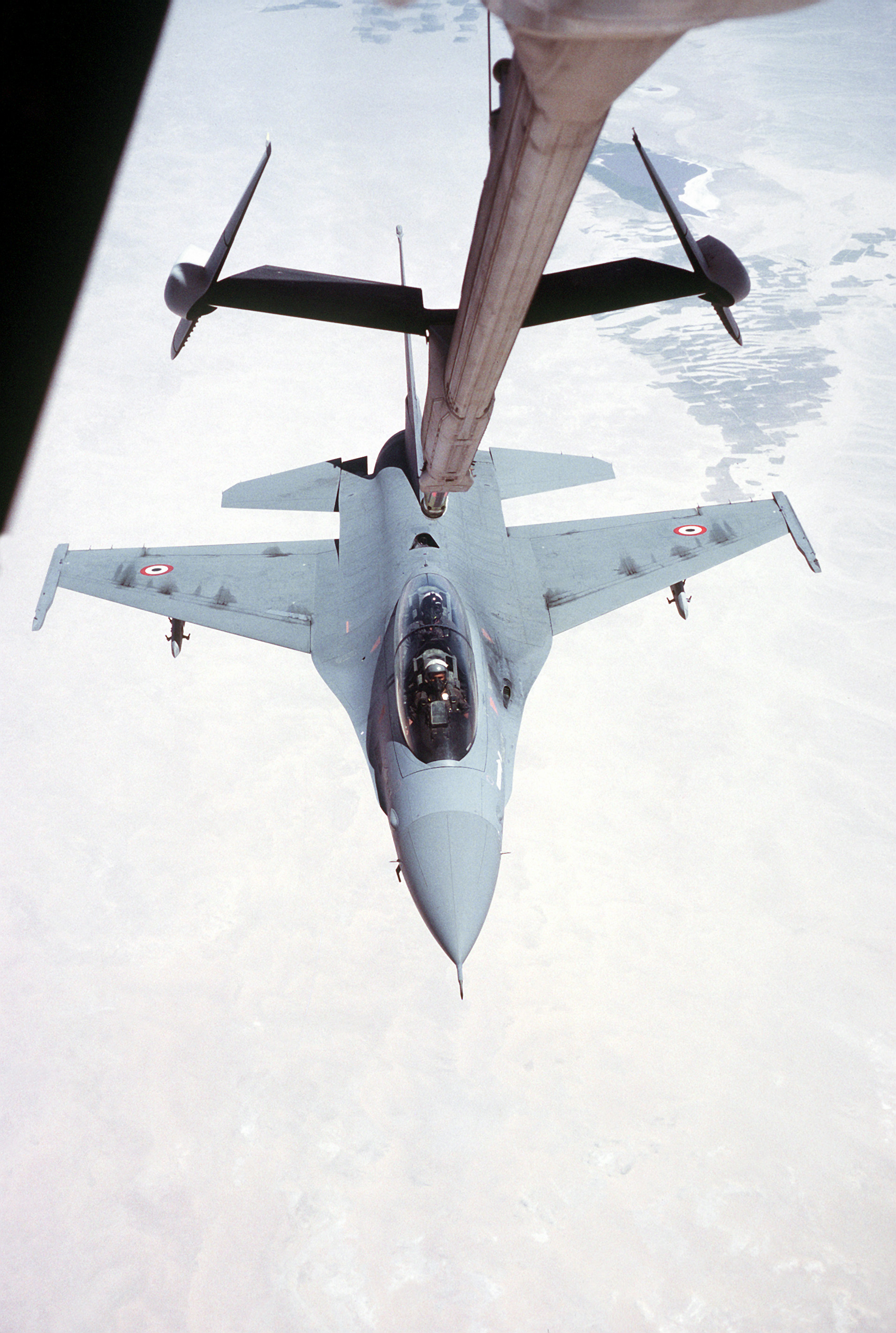
There are reasons the claim is plausible and reasons to treat it with reserve — both deserve air. On the plausible side: Egypt has deep, declared stakes in Sudan's war. Cairo backs the Sudanese army, views the RSF's advance as a national-security threat on its southern border, and has a long history of quiet military involvement in Sudanese affairs. Northern Sudan's mining zones sit close to the Egyptian border, well within range of Egyptian airbases, and Egypt has both motive and means to hit what it might describe as smuggling or militant-linked targets. Gold smuggling routes into Egypt are an open secret — experts and people in the trade say much of northern Sudan's artisanal gold is smuggled across the Egyptian border — which gives Cairo a direct economic and security interest in the mining belt.
On the reserve side: Emergency Lawyers has not published the evidence behind its attribution — no radar data, no munition fragments, no flight tracking. In a war where both the army and the RSF operate drones and where attribution of air strikes has repeatedly been contested, a rights group's assertion, however credible the group's record, is a lead rather than a conclusion. There is also the question of cui bono in the information space: blaming Egypt rallies a particular audience, just as blaming the RSF or the army would rally others. The neutral position is the only defensible one until physical evidence or an official statement lands: 72 miners are dead, someone dropped the bombs, and the identity of that someone is disputed.
Background: how gold became a target
To understand why miners are dying in this war, follow the money. Since fighting erupted in April 2023 between the army and the RSF, Sudan's formal economy has collapsed. Northern Sudan has seen an influx of artisanal miners and makeshift gold mines as the conflict destroyed other sources of livelihood, and gold has become the key cash source for both warring parties — funding weapons, paying fighters, and bankrolling the patronage networks that keep each side's coalition intact. When a commodity becomes the treasury of both armies, the mines become military infrastructure in the eyes of whoever wants to bankrupt the other side.
This is the second strike on miners in several months, which suggests a pattern rather than an accident: someone has decided that Sudan's artisanal gold belt is a legitimate target set. That logic has a grim precedent in this war. In October, the RSF executed 25 civilians at Umm Badr; the army's capture of al-Mazroub in North Kordofan and the fall of El Fasher to the RSF have each been accompanied by civilian massacres that drew little international response. The through-line is impunity: mass-casualty events in Sudan now happen faster than accountability mechanisms can process them, so the deterrent value of international law approaches zero — which is precisely why Emergency Lawyers reached for the "violation of international law" framing. It is less a legal prediction than a plea for someone, anyone, to treat the strike as more than a statistic.
The wider pattern: drones, displacement, and a war the world scrolls past
Step back and the two weekend strikes fit a structural shift. The war between the army and the RSF has seen an increased frequency of mass-casualty events, particularly as drone warfare becomes the primary mode of fighting. Drones lowered the cost of striking deep behind lines; they also lowered the political cost, because a drone strike carries no pilot at risk and rarely a press release. Friday's Blue Nile camp strike — 31 dead in a displacement camp, per the UN — and Saturday's mining-area strike are what drone-era warfare looks like when applied to a country with almost no air defenses and almost no international attention.
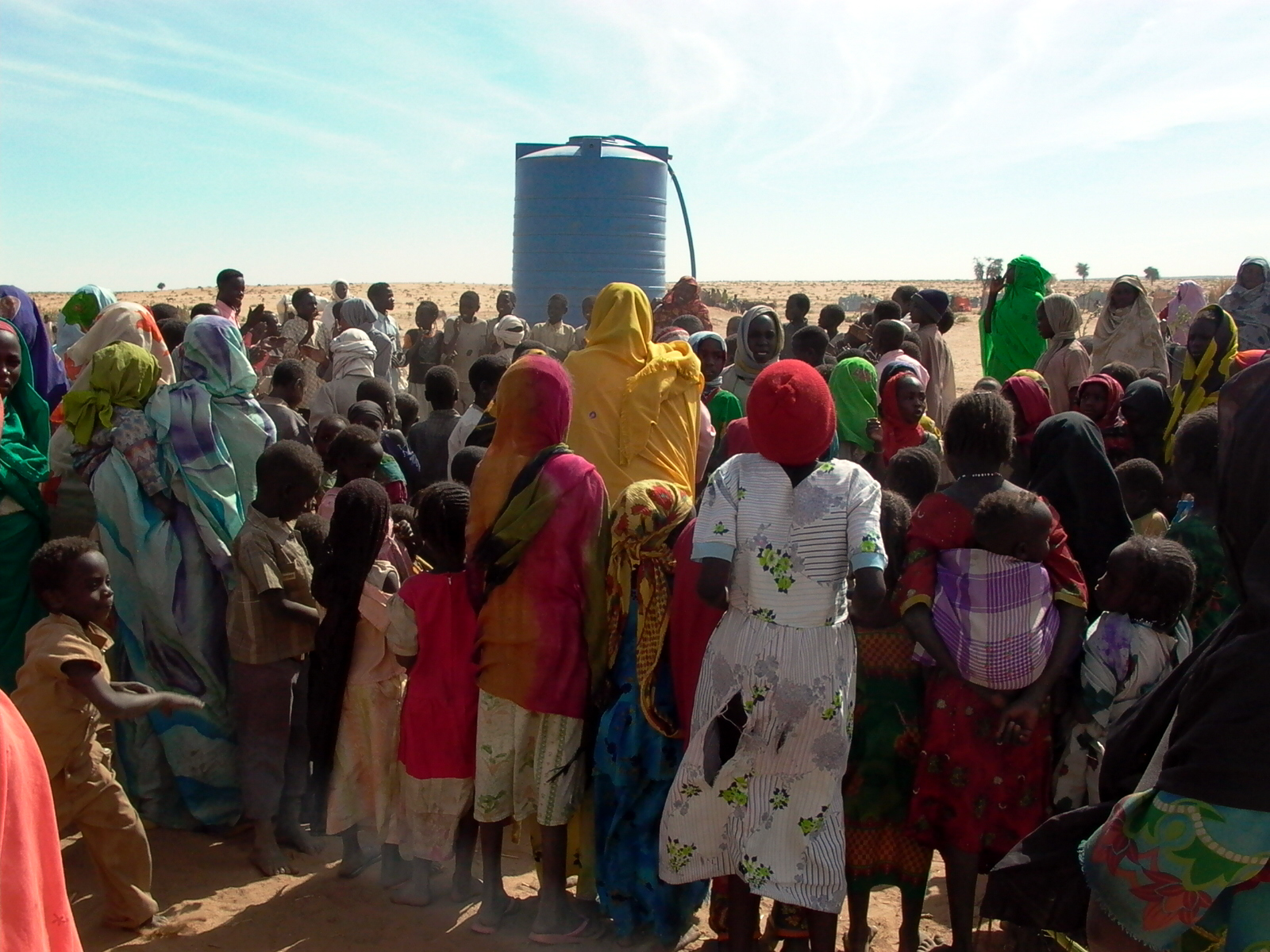
The numbers behind that inattention are staggering and worth stating plainly. Sudan is the world's largest displacement crisis, with millions driven from their homes since 2023; famine conditions have been declared in parts of the country; and the death toll — difficult to count in a collapsed state — runs into the tens of thousands. Seventy-two miners dying in a single strike should be a global headline. That it competes for attention with wars that have better camera angles is itself part of the story: Sudan's catastrophe is under-covered relative to its scale, which is one reason mass-casualty events there keep recurring without consequence.
Who gains, who loses
If Egypt did conduct the strike, the winners are whoever wanted the gold flow disrupted and a message sent about Cairo's reach; the losers are the miners' families, Sudan's sovereignty, and the already thin norm against cross-border strikes in Africa. If Egypt did not, the winners are whoever actually ordered the strike and got away with it behind a fog of accusation; the losers are the same civilians, plus Egypt, which absorbs a war-crimes allegation it says nothing to rebut, and the information environment, which gets another unverifiable atrocity claim. Notice the constant: in every scenario, the miners lose. That asymmetry — civilians as the guaranteed losers of every version of events — is the closest thing this story has to a moral.
What happens next: three scenarios
1. Evidence emerges and forces a reckoning. Munition fragments, satellite imagery, or a leaked admission identifies the striker. If it is Egypt, Khartoum's army-led government faces an impossible choice between its most important backer and its own sovereignty narrative; international pressure for an inquiry follows, though Sudan's collapsed institutions make a real investigation unlikely. If it is one of the Sudanese parties, the incident folds into the war's long ledger of unpunished massacres.
2. The claim fades into the fog. The most likely outcome, given the pattern of this war: no verification, no comment from Cairo, no investigation, and the miners' deaths join the statistical background. The practical effect is that mining areas learn the lesson — work the pits at the risk of your life — and the gold economy adapts by moving further from scrutiny, deeper into smuggling networks.
3. Escalation along the border. The least likely but most dangerous: if Sudanese actors treat the strike as Egyptian aggression, retaliation — rhetorical or kinetic — around the border mining belt could follow, pulling Egypt from backer to belligerent in the open. Watch for Egyptian force movements near the southern border and for Sudanese official statements in the coming days; either would signal this scenario gaining weight.
The honest forecast is that scenario two is the base case, which is itself an indictment: a strike that kills 72 people should not be absorbable as background noise. Whether it is absorbed or answered will tell us how much of the international system still functions in the places the cameras rarely reach.
Related coverage
Sources
- CNN — At least 72 Sudanese artisanal miners killed in strike, rights monitor says (October 12, 2026)
- Reuters (via KELO-FM) — At least 72 Sudanese artisanal miners killed in strike on Saturday, rights monitor says (October 11, 2026; reporting by Nafisa Eltahir)