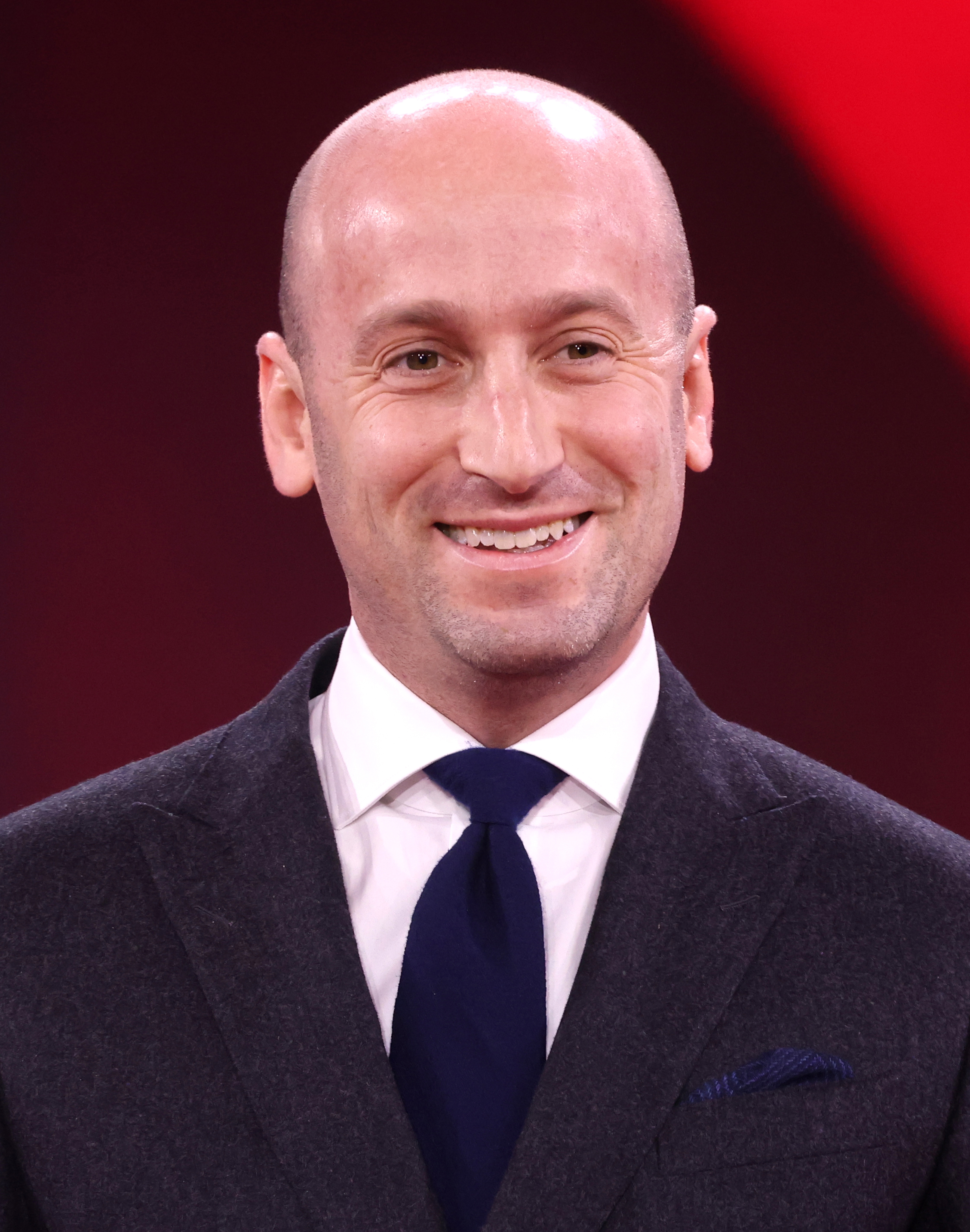
White House deputy chief of staff for policy Stephen Miller addressed a counterterrorism training conference at FBI headquarters in Washington in late September, just days before federal prosecutors in Boston charged a Massachusetts man with cyberstalking his wife, Katie Miller, CBS News reported Thursday, citing multiple sources. The Stephen Miller FBI training appearance, delivered to the bureau's counterterrorism leadership on September 29, has opened a familiar but always combustible question: how close should the West Wing get to the people who investigate?
According to the reporting, Miller told the room of FBI assistant special agents in charge — the bureau's counterterrorism supervisors from field offices around the country, joined by officials from agencies including IRS Criminal Investigation, Homeland Security Investigations and the Secret Service — that President Trump's initiative to counter domestic terrorism was personal to him. Miller invoked the 2025 assassination of his friend, conservative activist Charlie Kirk, the founder of Turning Point USA, as the reason. And he pressed the agents to be more aggressive in investigating threats: no case, he told them, is too small — whether the threats were aimed at a congressman, a spouse, friends, loved ones or a speaker on a college campus.
Two days later, on October 1, a federal grand jury in Boston indicted John Anthony Proia III on cyberstalking charges. Prosecutors say Proia placed more than 40 harassing calls and text messages to Katie Miller, a conservative podcaster, across August and September, and also targeted her parents. He pleaded not guilty.
Why former officials called it unusual
The reaction from former Justice Department and FBI officials was swift — and remarkably consistent. Several told reporters that a political appointee from the White House addressing the bureau's criminal investigators runs against the post-Watergate norms that were built, deliberately, to insulate federal criminal investigations from political direction.
Those norms are not law, but they are among the most deeply held traditions in American law enforcement. After the abuses exposed by the 1975 Church Committee, the Justice Department erected a firewall: White House contacts with the FBI and DOJ were restricted, channeled, and documented, precisely so that no president could be seen — or act — as though investigations answered to him. A deputy chief of staff walking into a room of the bureau's counterterrorism leaders and urging them to treat no case as too small, days before a case touching his own family goes to a grand jury, is the kind of episode the firewall was designed to prevent — at least in appearance.
The timing is what gives the story its charge. The FBI's Washington Field Office had, days earlier, reassigned its two most senior counterterrorism agents after complaints about the pace of the investigation into the threats against Katie Miller, Bloomberg Law reported in late September. The bureau characterized the moves as routine personnel decisions; three people familiar with the matter told Bloomberg the orders stemmed from frustration with how slowly the probe was moving. The FBI and White House both say the underlying case proceeded on evidence alone, and the indicted man will have his day in court. But to critics, the sequence — reassignments, then a White House address, then an indictment — creates a perception problem even if the facts are innocent.
What the White House and the FBI say
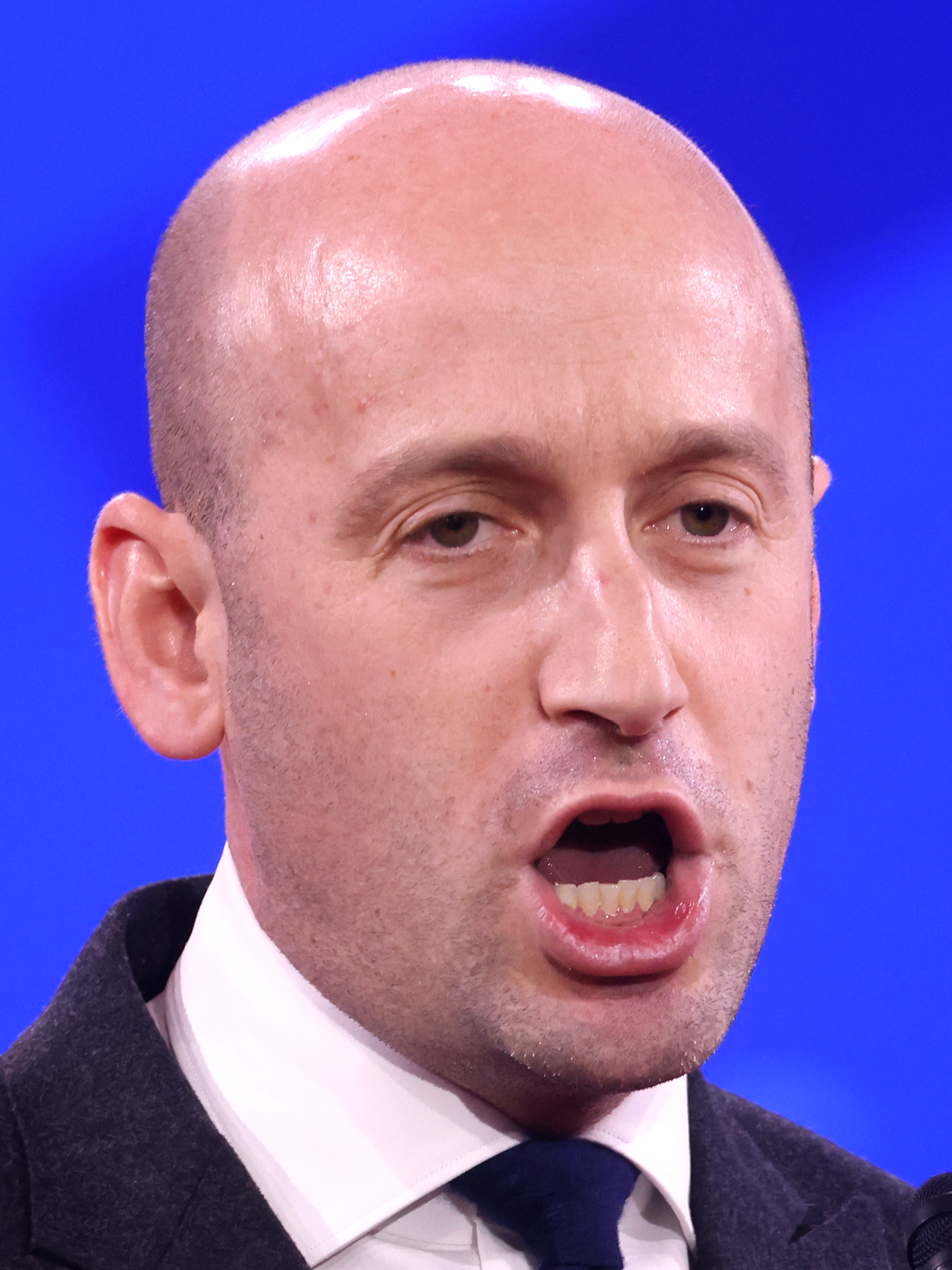
The administration's answer is that there is no story here. The White House and the FBI have said Miller's visit was appropriate and routine, pointing to his role as the president's homeland security adviser and to the administration's broader declared focus on cracking down on political violence. A senior FBI official, briefed on the meeting, told reporters that Miller's remarks reflected a broader push by federal law enforcement to get ahead of mass-casualty events by treating threats and harassment more seriously — crimes that can be precursors to violence.
There is a fair point inside that defense. The United States is in a genuinely dangerous stretch for political violence: the assassination of Charlie Kirk in 2025, the shooting of a Minnesota lawmaker earlier this year, the steady stream of threats against members of Congress and judges. A White House telling law enforcement to take political violence seriously is, on its face, uncontroversial policy. The FBI's counterterrorism apparatus exists precisely to hunt threat actors before they act, and the argument that investigators should err toward diligence rather than passivity is one that virtually every administration has made in some form.
The administration also notes, correctly, that Miller said nothing that directed any outcome in any specific case. Addressing a training conference is not the same as calling a prosecutor. If the line between legitimate policy direction and improper interference matters — and it does — Miller's defenders would put his remarks well on the legitimate side.
Why this matters
The reason this story is bigger than one speech is that it sits at the exact fault line where democratic safeguards get tested: the gap between what is technically permitted and what the public can trust. Norms are not laws precisely because their power is reputational — they hold only as long as officials on both sides act as though they bind. Every administration since Watergate has been judged, fairly or not, by how seriously it treated the independence of federal law enforcement. When a White House aide addresses the bureau's investigators about being more aggressive — and the aide's own family is at the center of an active threat investigation — the test is not whether a rule was broken. The test is whether the public believes the machinery still answers to the law rather than to loyalty.
That is why the episode resonates beyond the particulars. Trust in federal law enforcement is a measurable public asset, and polling over the last decade has shown it fraying on both sides of the political divide — for different reasons, but fraying all the same. An episode like this one costs the institution something even when nothing improper happened: it hands critics a ready-made narrative, and it forces the bureau's leadership to spend credibility explaining a meeting instead of doing its work.
There is also a practical dimension. Miller is not a ceremonial figure. He is arguably the most influential domestic-policy mind in this White House — the architect of its immigration-enforcement surge, the man who reportedly set a target of 3,000 arrests per day for ICE and told a Memphis law-enforcement conference to crack down on urban crime "without apology and without mercy," calling officers "unleashed." When a figure with that much sway over personnel and policy tells the FBI's counterterrorism leaders to treat no case as too small, agents will hear it as direction, not suggestion. That is the nature of power in a hierarchical bureaucracy, and it is exactly why the post-Watergate norms draw the line where they do.
The deeper context: a half-century of keeping the White House at arm's length
The contact norms that govern White House–DOJ relations were not handed down from the founders; they were written in the wreckage of the Nixon years. The Levi Guidelines of the mid-1970s, refined by every administration since, restricted who in the White House could talk to whom at Justice, and about what. Presidents of both parties have occasionally tested those lines — and each time, the backlash has reinforced them. The Obama-era contacts memo, the Trump-era controversies of the first term, the Biden-era special-counsel arrangements: the pattern repeats because the underlying tension never resolves. Presidents are charged with "taking care that the laws be faithfully executed," which requires some direction of law enforcement; but the moment that direction shades into case-specific pressure, the system treats it as poison.
Miller's appearance at FBI headquarters is a new chapter in that recurring story, and it illustrates how the modern test has shifted. The danger is no longer a president ordering the bureau to drop a case — the danger, in the critics' telling, is subtler: a culture in which investigators understand, without being told, which outcomes please the White House. The reassignments in the Washington Field Office, whatever their true cause, feed that perception. The FBI said they were routine; the people familiar with the matter described frustration from the Miller family about the investigation's pace. When both things can be true at once, the institution has a problem that no press statement can fully fix.
Who gains, who loses
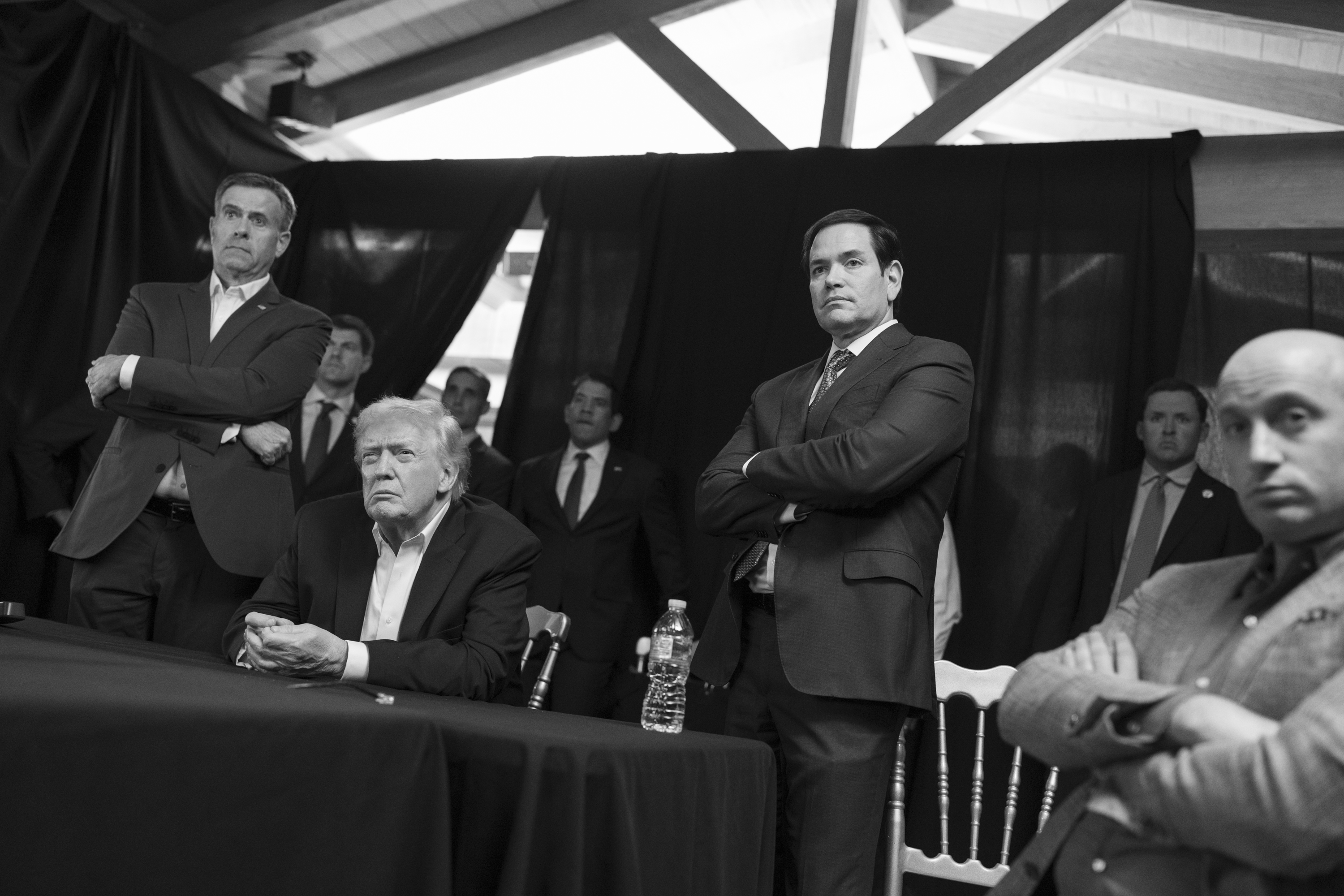
In the short term, the administration likely gains more than it loses. Its supporters see a White House taking political violence seriously and protecting its own people — a message that plays well with a base that watched Charlie Kirk's assassination and the Minnesota shootings with genuine fear. Miller's personal framing of the issue, citing his friend's murder, is emotionally legible in a way that abstract doctrine about institutional norms is not.
The losers, potentially, are the institutions themselves. The FBI's counterterrorism leadership now operates under a cloud of questions about whether its priorities are set by threat assessments or by proximity to power. The Washington Field Office, one of the bureau's most important posts in the middle of the Iran conflict, has lost two of its most experienced counterterrorism leaders — men with attorney general's awards and decades of service — at precisely the moment their expertise is most needed. And the broader cause of deterring political violence takes a hit: every threat case the bureau brings now risks being read through the lens of this meeting, which makes prosecutions harder to sell to juries and to the public.
There is also a subtler casualty: the space for honest disagreement inside the executive branch. Former officials who called the visit unusual spoke on the record and on background to reporters — but the pattern of this administration, from the book Injustice's account of Miller urging purges of disloyal agents onward, has been to treat internal dissent as disloyalty. A bureaucracy that cannot voice concerns internally will eventually voice them externally, or stop voicing them at all. Neither outcome serves the president.
What happens next
Three things to watch. First, the Proia case itself: he has pleaded not guilty, and the trial will test whether the cyberstalking charges — historically rare at the federal level — hold up. The defense will almost certainly probe the investigation's handling, and every new revelation about the FBI's internal moves will be litigated in public as well as in court.
Second, oversight. The House Judiciary Committee has subpoena power and a long-standing interest in White House–DOJ contacts; a hearing on the norms governing such meetings would be a natural move for the minority, and a potential headache for the majority. Whether it happens depends less on the facts than on the political calendar — with the November 3 midterms less than a month away, every oversight move is also a campaign move.
Third, and most consequentially, whether the Justice Department clarifies its contacts policy. The norms that govern these interactions have always been enforced more by shame than by sanction. If this episode passes without a formal reckoning — a reissued contacts memo, a public reaffirmation of the firewall — then the next White House aide will have one more precedent to cite, and the norm will have quietly moved. That is how safeguards erode: not in a single scandal, but in a series of episodes that everyone agrees are "unusual" and no one is willing to stop.
The Stephen Miller FBI training story, in the end, is not really about Stephen Miller, or about one speech to one room of agents. It is about whether the architecture built after Watergate — the memos, the firewalls, the studied distance between the West Wing and the bureau — still functions as architecture, or has become merely decorative. The answer will not come from this week's headlines. It will come from what happens the next time a White House aide wants to address the FBI — and whether anyone, inside or outside the room, thinks to say no.
Sources
- CBS News (via WGHN): Stephen Miller spoke at FBI training on domestic terrorism, sources say — October 8, 2026
- Particle News: Stephen Miller's FBI Visit Draws Scrutiny After Wife's Harasser Is Charged
- Bloomberg Law: FBI Ousts Officials Probing Threats to Stephen Miller's Wife — September 2026
- Reuters: Massachusetts man indicted over repeated calls and texts to Stephen Miller's wife — October 1, 2026