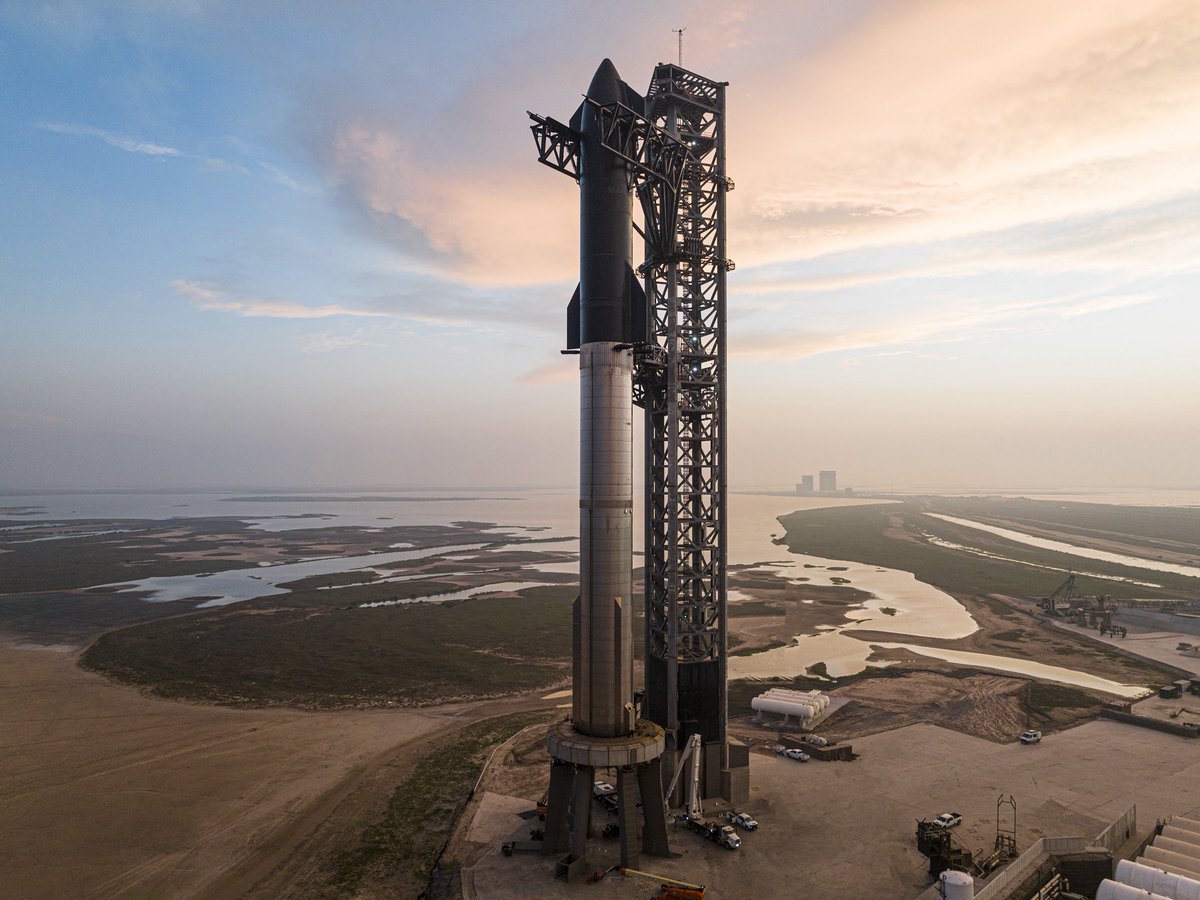
SpaceX is discussing a $40 billion debt package to buy Nvidia chips, a financing plan nearly as large as the company’s projected $44.5 billion in 2026 revenue. The talks, reported by the Financial Times and described by Morningstar and TechStartups, would combine about $10 billion of bank loans with $30 billion of investment-grade debt led by Apollo Global Management, with Pimco involved and a possible 2027 closing.
A year of revenue, borrowed for chips
The arithmetic explains the attention: $40 billion is about 90% of $44.5 billion. Revenue is not profit or free cash flow, so the comparison does not by itself prove that the borrowing is unaffordable. It does show the scale of the commitment and how much of SpaceX’s future flexibility could become tied to AI infrastructure.
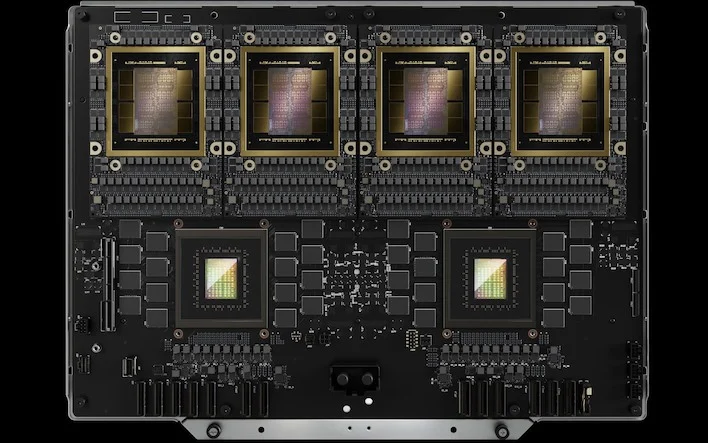
SpaceX committed to Nvidia’s Vera Rubin platform at its August earnings presentation after going public in June, according to the reports. Earlier in 2026, xAI was folded into SpaceX, placing rockets, satellite connectivity and large-model computing under one corporate roof.
Why this matters
This would be the largest debt financing yet associated with the AI infrastructure buildout. The marginal dollar in technology is increasingly flowing not to consumer apps but to accelerators, power systems, networking and the buildings that contain them. If even SpaceX is prepared to borrow near a year’s revenue for compute, the industry’s capital intensity has entered a new phase.
The same fact supports opposite readings. Believers argue that compute is the scarce input of the next economy and that first movers can build durable advantage. Skeptics hear echoes of the late-1990s telecom cycle, when debt funded enormous capacity before demand caught up.
Who wins if the deal closes
Nvidia would secure unusually visible long-term demand for Vera Rubin systems. Apollo and Pimco would earn fees and interest on a landmark transaction. SpaceX could accelerate Colossus 2 and integrate AI services with Starlink and its broader customer base before rivals can assemble comparable capacity.
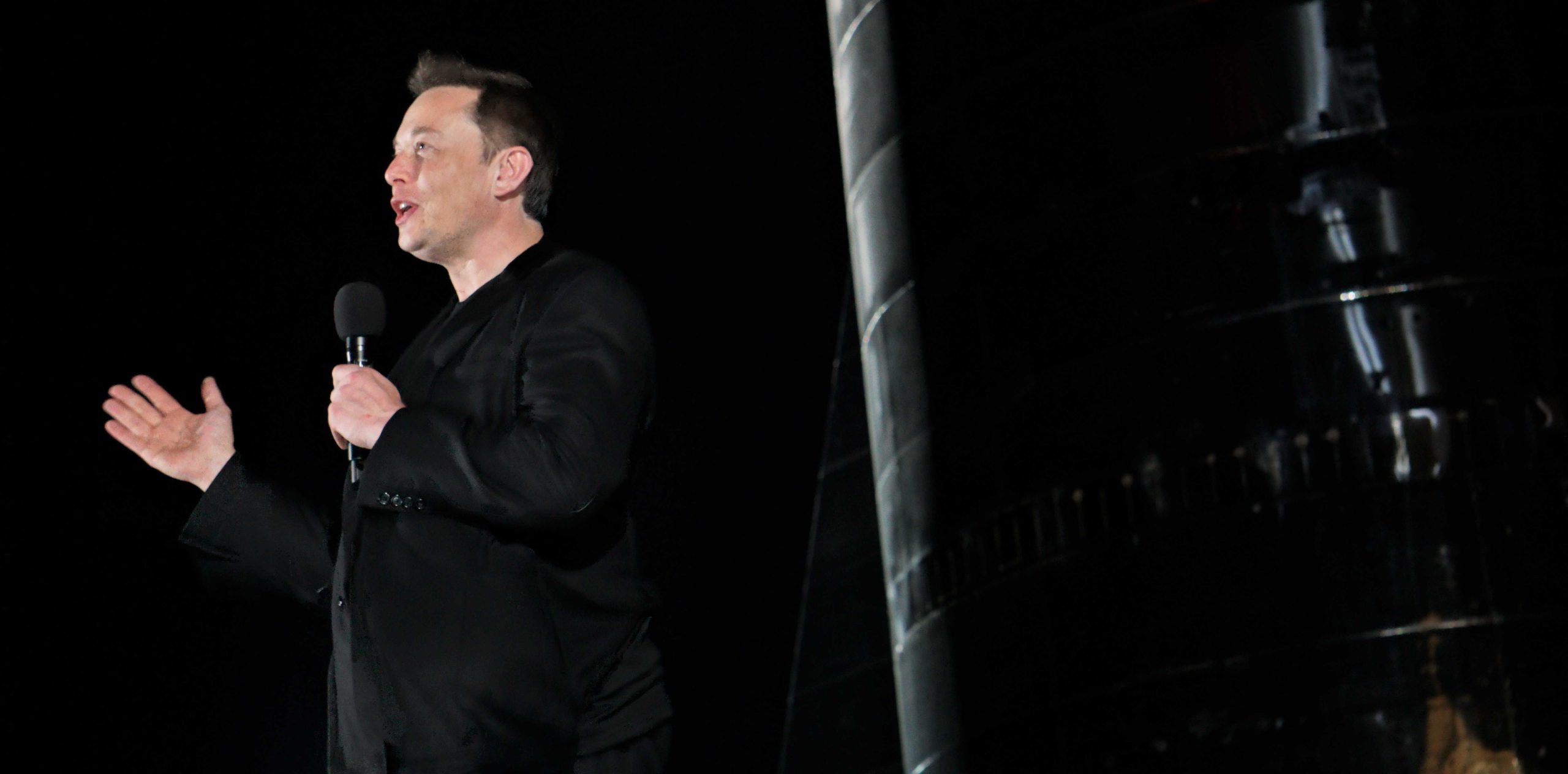
Musk has said Colossus 2 will double its Nvidia chip count by December. Apollo previously helped finance $6.9 billion of GPU clusters for xAI, giving the lender experience with the assets and the borrower’s ambitions. But “doubling” describes unit count, not useful output; power, cooling, networking and software determine how much compute the cluster can actually deliver.
The risk moves to the balance sheet
Debt converts an operating bet into a contractual obligation. If AI demand or pricing disappoints, SpaceX still owes interest and principal. Bondholders then depend on cash generated by launch, Starlink and AI services, while other projects compete for capital. Competitors could also be squeezed if a large exclusive purchase tightens chip supply.
The OpenAI revenue shortfall reported this week is the other side of the deal. Infrastructure spending is ultimately underwritten by customers’ willingness to pay for AI output. A slowing revenue curve does not make the SpaceX plan irrational, but it raises the price of being wrong.
Three paths from here
In the bullish case, the financing closes in 2027, Colossus 2 reaches scale and SpaceX uses its network and customer relationships to sell high-value compute. In a tighter-credit case, lenders demand stronger covenants or higher yields, reducing the project’s economics. In the bearish case, capacity arrives before buyers and the debt limits investment elsewhere.
The transaction remains in talks, so terms can change. The most important questions are the final interest cost, security package, maturities and evidence of contracted demand. Until those are public, the $40 billion headline measures ambition more clearly than it measures risk.
Related coverage
Sources
- Morningstar / MarketWatch — reported financing structure and revenue comparison
- TechStartups — Nvidia commitment, xAI integration and financing context
Reporting note: This article distinguishes confirmed facts, attributed reporting and forward-looking scenarios. Predictions and proposed transactions are not presented as completed events.
Signal Post News analysis is independent and does not take a political, financial or competitive side.