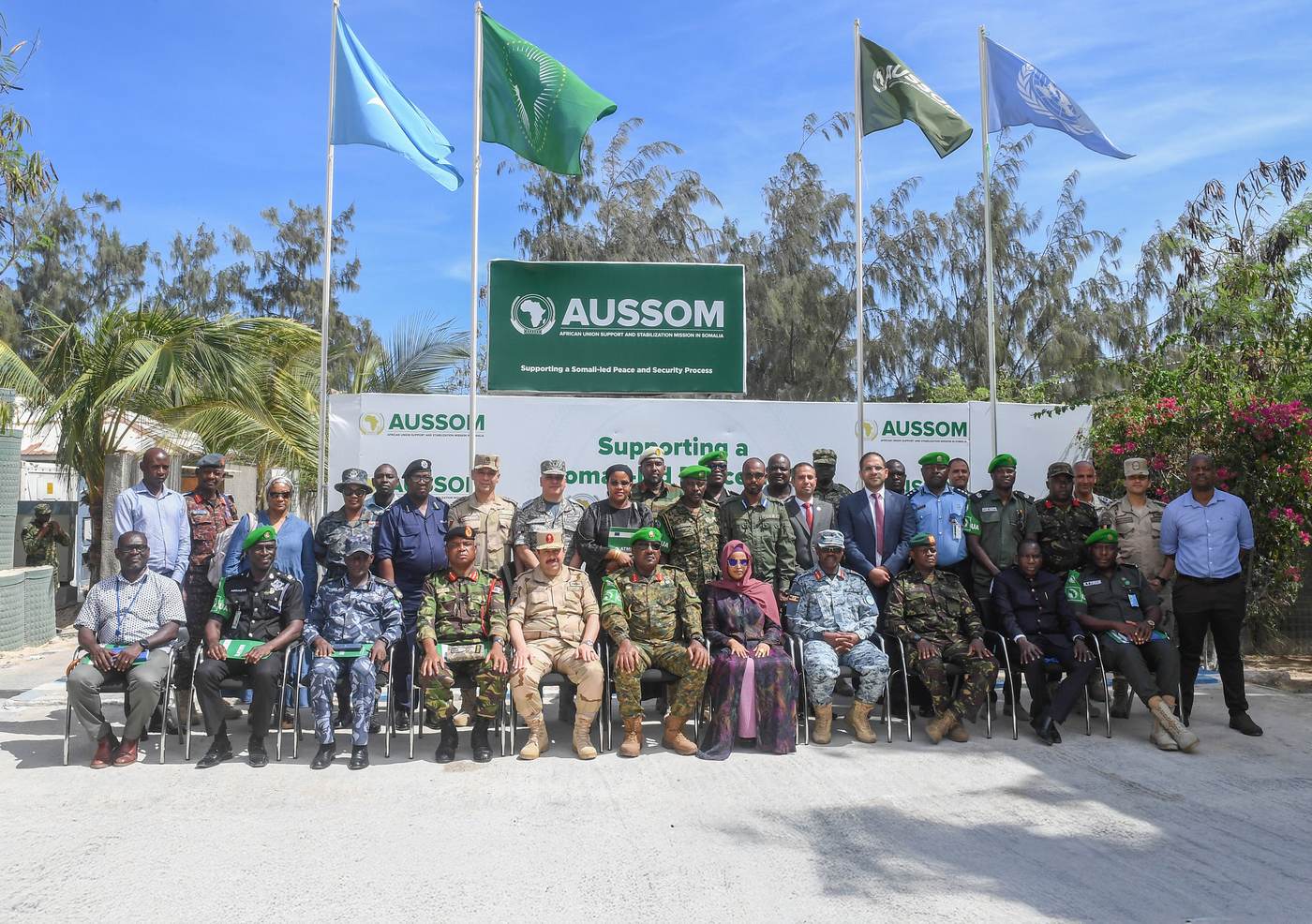
Washington agreed to give the United Nations twelve months to wind down the support office that sustains African Union peacekeepers in Somalia. The decision buys time for governments to find another arrangement, but the key word is “wind-down”: the extension is a bridge, not a settlement.
The U.N. office, known as UNSOS, has a budget of roughly $500 million and supplies functions that make field operations possible—food, water, fuel, transport and medical logistics. Those services are less visible than patrols or combat operations, yet a mission cannot remain deployed without them.
Logistics are the mission’s operating system
Peacekeeping debates often focus on troop numbers and mandates. Logistics determine whether those numbers can move, communicate, receive care and remain supplied. Removing support too quickly can weaken the same security objectives donors say they want, even if troop commitments remain unchanged on paper.
The 12-month period therefore reduces immediate operational risk. It gives the African Union, United Nations, Somalia and major donors time to decide who pays, who contracts services and how accountability will work once the current model changes.
A mission can keep its mandate and still lose capacity if the fuel, transport and medical chain breaks.
The funding problem did not disappear
A temporary extension can also delay a hard political decision. If no durable financing mechanism is agreed, planners may spend much of the year preparing for contraction rather than improving operations. Suppliers and personnel need predictable commitments; uncertainty makes every contract more expensive and every deployment harder to plan.
The $500 million figure matters because it shows the scale of the support architecture, not because every dollar has the same strategic effect. A serious transition plan must distinguish essential frontline supply from administrative overhead and identify which functions can be transferred without interruption.
Who gains from the extra time
Peacekeepers gain continuity, Somali authorities avoid an immediate capability gap and civilians benefit when operations are not forced into sudden retrenchment. The United States gains a defined period to press for a different burden-sharing model without triggering an abrupt withdrawal.
The risk falls on everyone if the deadline becomes a countdown with no successor. Militants can exploit weakened logistics, while regional contributors may hesitate to maintain forces they cannot reliably supply. Donor fatigue is real, but an unmanaged exit can make previous spending less effective.
Why this matters
Somalia’s security transition is only as credible as the support beneath it. A logistical break would affect transport, medical evacuation and resupply before it appeared in formal troop totals, creating danger for personnel and civilians.
How we got here
International partners built a layered system in which African Union forces conduct operations while the United Nations supplies core services. That division spread responsibility, but it also created dependence on donor consensus and recurring arguments over who should pay.
Winners, losers and critics
Regional forces and Somali institutions gain time. Donors can demand reform, yet risk undercutting the mission if savings are pursued faster than replacement capacity. Critics of the extension see another year of dependency; critics of withdrawal see strategic abandonment. Both are warning about the absence of a stable end-state.
What the numbers imply
A roughly $500 million support budget is large, but comparing it with troop strength or territory alone would mislead. Logistics costs reflect distance, security, aviation, medical readiness and supply risk. The relevant test is which capabilities the spending keeps available and what replacement would cost.
What happens next
Watch for a funded successor plan, binding donor commitments and a timetable for transferring specific services. If those details are still missing halfway through the extension, the final months will become crisis management rather than transition.
Source: The 12-month wind-down, budget scale and support functions were reported by Reuters, September 18, 2026. Analysis is original to Signal Post News.