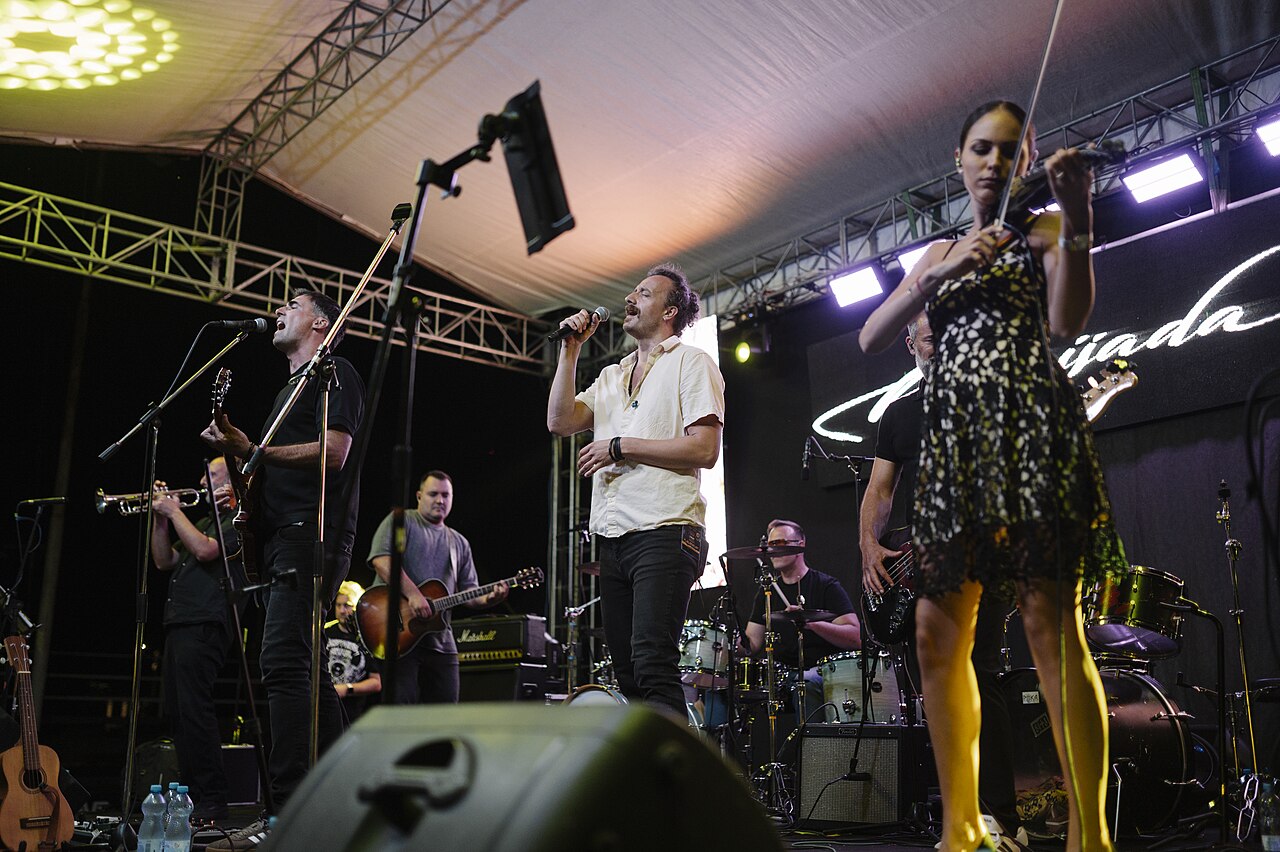
The Strokes and Mumford & Sons sit near the top of a Sea.Hear.Now bill that also includes Chaka Khan, Fontaines D.C., Moby, Pixies, Shaggy and Susanna Hoffs. On paper, the genres span decades and scenes that rarely share one label. In practice, that range suits a two-day coastal festival built around discovery as much as headliners.
The lineup gives different generations a clear entry point. Listeners who came through alternative rock have The Strokes and Pixies. A younger post-punk audience has Fontaines D.C. Chaka Khan represents a deeper soul and dance lineage, while Moby and Shaggy open different routes through electronic and pop-reggae history.
How to plan the weekend
Begin with three priorities per day: one headliner, one artist you already value and one set you know little about. Festival schedules reward movement, but constant movement can turn every performance into an excerpt. Build enough time to hear a full set and account for walking, food and crowd density.
Check the official schedule close to the event because set times can change. Download or screenshot it before arriving, choose a meeting point and do not depend on perfect cellular service in a large crowd. Coastal weather can shift quickly, so footwear, sun protection and a light rain layer matter as much as the artist list.
A broad lineup succeeds when the unfamiliar set becomes part of the plan, not a mistake between headliners.
The Asbury Park setting changes the format
A festival by the boardwalk is not a neutral field. The shore, local businesses and music history shape the day. That can deepen the experience, but it also adds transport and environmental pressure. Readers should use official transit guidance, respect restricted beach areas and plan departures before the final encore.
The city’s identity gives the event a sense of place that many touring festivals lack. It also means the audience is entering a community rather than an isolated venue. Spending locally can support that relationship; careless behavior can strain it.
What makes this bill clickable—and durable
Celebrity alone can produce attention. A durable festival lineup offers contrast without treating older artists as museum pieces or newer ones as decoration. Sea.Hear.Now’s 2026 bill suggests a conversation among generations of live performance rather than a sequence of isolated brands.
The best way to test that promise is to leave room for one stage you did not intend to visit. A festival’s real value is not merely seeing a familiar name from far away. It is finding a sound that changes the rest of the weekend.
Why this matters
A multigenerational bill is a strategy for reducing festival risk. Different audiences supply different reasons to buy: nostalgia, discovery, scene loyalty and a weekend destination. The challenge is to create overlap rather than parallel crowds that share a field but not an experience.
How we got here
Festival economics increasingly favor recognizable catalogs because touring costs are high and ticket buyers seek certainty. At the same time, lineups criticized as repetitive need younger or less familiar acts to preserve cultural relevance. Sea.Hear.Now’s coastal setting adds place-based identity, recalling festivals whose location is part of the product rather than a neutral container.
Winners, losers and the skeptical case
Legacy artists gain access to younger listeners, current acts gain a broader audience and local businesses gain concentrated demand. Residents absorb congestion, and discovery-stage artists can be squeezed by headliner schedules. Critics may call breadth unfocused; that criticism is fair when booking is demographic arithmetic rather than musical conversation.
What the lineup implies
The announced names span several decades and distinct genres, but a lineup is not an attendance forecast. The two-day format intensifies schedule conflict, making set placement as important as billing. A strong program creates pathways between acts; a weak one forces audiences to choose within their own cohort and defeats the premise of breadth.
What happens next
Weather, transit and last-minute schedule changes will shape the lived result more than the poster. If cross-generational sets draw mixed crowds, organizers gain a durable programming model; if movement bottlenecks dominate, future editions may narrow stages or stagger demand. Post-event attendance, local impact and artist retention will tell more than pre-festival hype.
Source: Dates and announced lineup from Asbury Park Press. Planning and editorial analysis are original to Signal Post News.