Sabalenka Wuhan Open loss: world No. 31 Ann Li beat top seed Aryna Sabalenka 3-6, 6-4, 7-6(5) in the round of 32 on Wednesday, converting her tenth match point after Sabalenka had saved nine — and second seed Jessica Pegula lost on the same afternoon.
Nine Match Points Saved — and Still Out: Sabalenka Falls in Wuhan
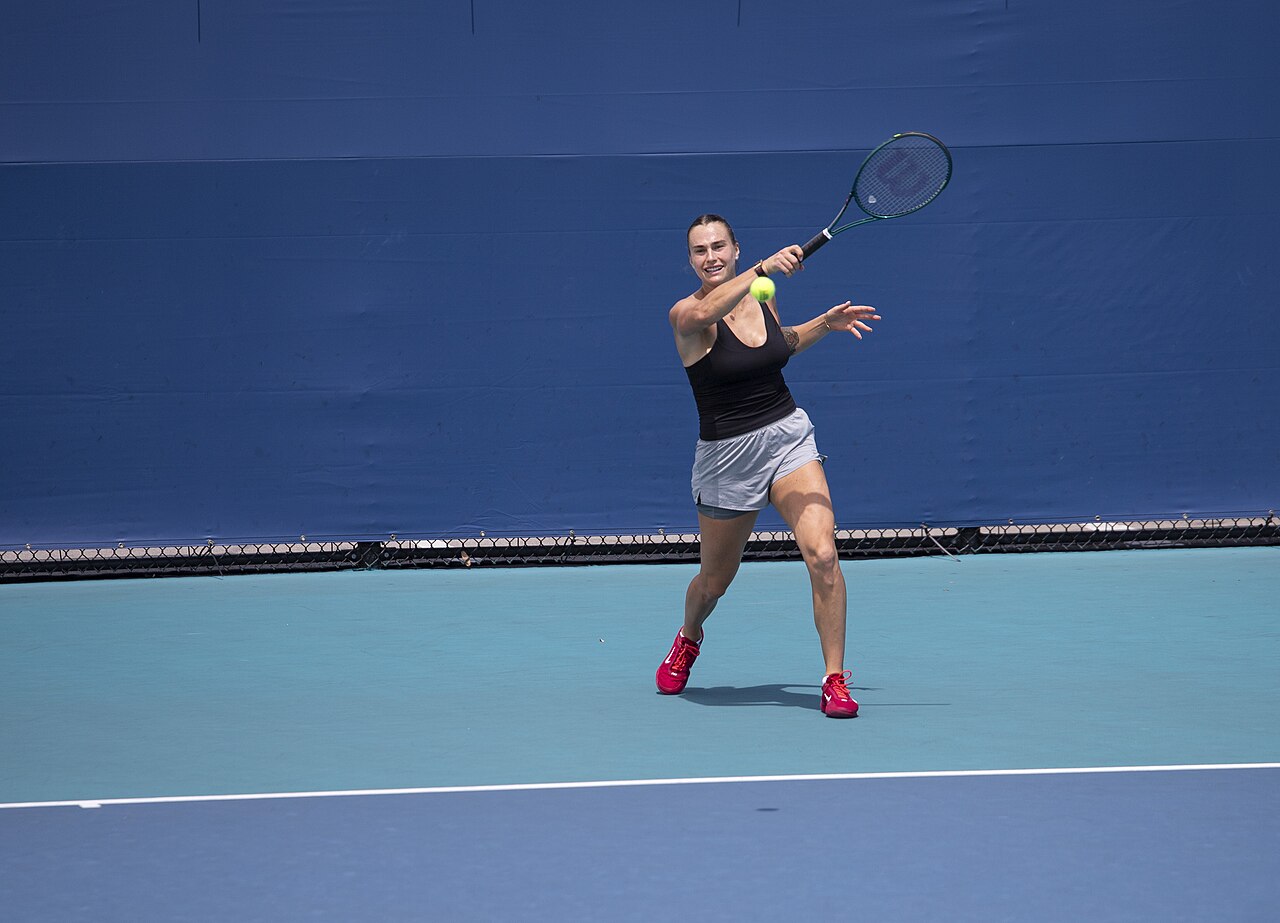
WUHAN, China — The scoreline will say Ann Li beat Aryna Sabalenka 3-6, 6-4, 7-6(5) on Wednesday. It will not say how close the upset came to collapsing. Li led the deciding set 5-2, watched Sabalenka save five match points in a single service game, two more to level at 5-5 and two more in the tiebreak, and needed a forehand winner on her tenth match point — the first one on her own serve — to finish a match that had slipped to the edge of a famous choke and come back. Reuters and the Associated Press both reported the same extraordinary arithmetic, and the WTA confirmed it was the biggest victory of Li's career: her third win over a top-10 player, her second this season, and her first over Sabalenka in four meetings.
How the match turned
The first set followed the seeding. Sabalenka closed it out with a run of eight straight points, and when she broke for 4-2 in the second, the afternoon looked like a routine defence of a favourite's court — Wuhan is one of her strongholds, with titles in 2018, 2019 and 2024 at an event that was not staged between 2020 and 2023 because of the pandemic. Instead, Li won nine of the next eleven games. The American took the second set, built a 5-2 lead in the third, and forced Sabalenka — already playing with tape on her right knee — to call the physio midway through the decider to have the leg retaped.
What followed was the part of the match people will remember. Sabalenka saved five match points just to hold for 5-3, erased two more at 5-4 with a forehand winner and a backhand winner, and dragged the set into a tiebreak, where she saved two more. The statistics explain both halves of the story: Sabalenka struck 44 unforced errors to Li's 28 across the match, a volume of mistakes that built Li's lead — and then produced winners, under maximum pressure, that very nearly erased it. Li's own summary to the WTA afterwards was understated: she called it a crazy match, said she had missed opportunities, and credited playing one point at a time.
Pegula went out too — Swiatek did not
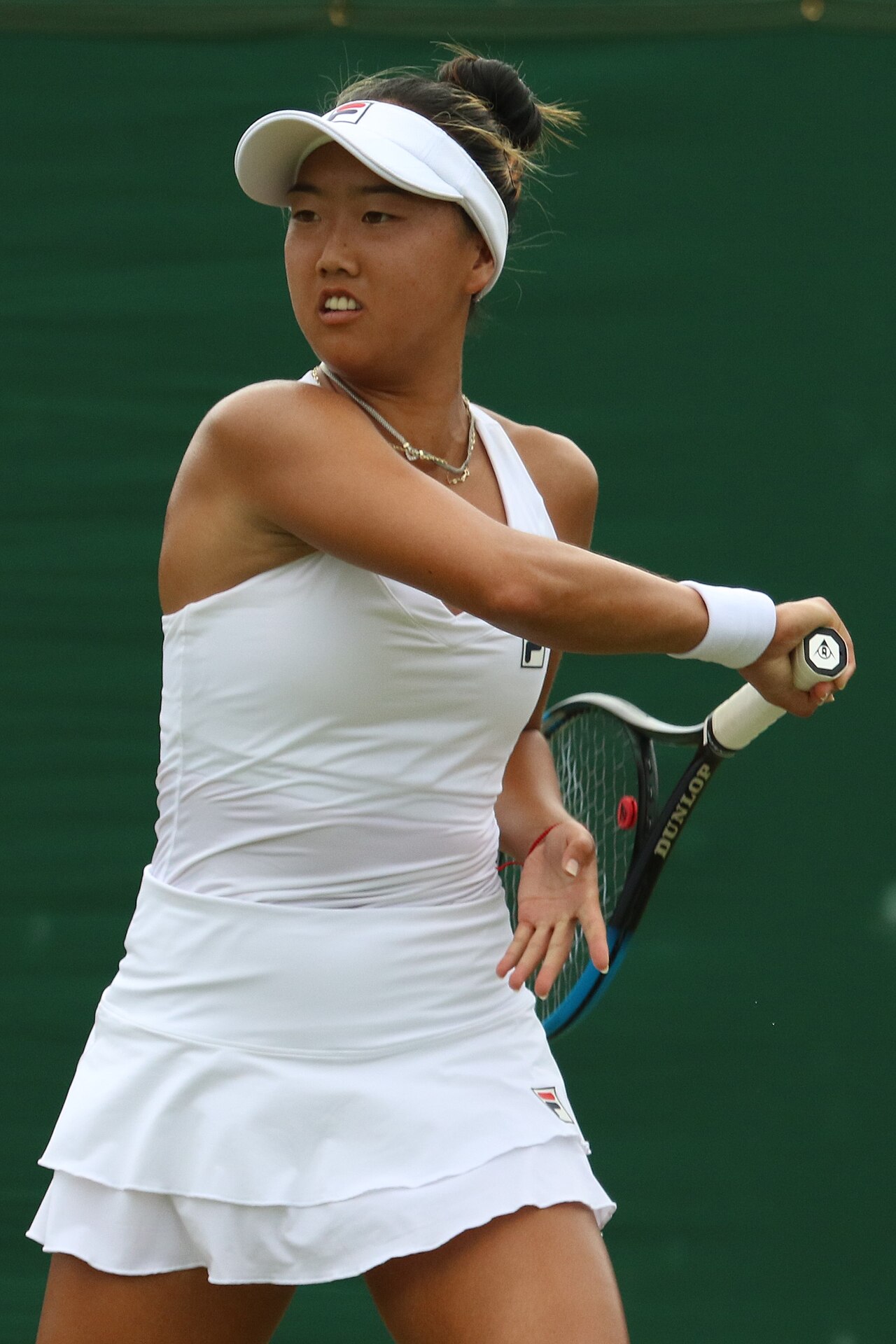
Sabalenka was not the only big name to fall on Wednesday. Second seed Jessica Pegula, playing her first match in more than a month after an extended break following the US Open, squandered three match points in the second set and lost to Jelena Ostapenko, the 2017 French Open champion, 2-6, 7-6(7), 6-3. Pegula, a finalist in Wuhan last year, had skipped the Singapore and Beijing events because of the physical toll of her summer schedule; the rust showed precisely where rust shows, in the closing points of a set she had already won three times over. The contrast at the top of the draw was Iga Swiatek, who beat Magdalena Frech 6-2, 6-1 and moved into the round of 16 without drama — a reminder that on a day of collapses, the calmest contender simply did not give her opponent a foothold.
Why this matters
A single early loss in October would not normally define a season. For Sabalenka, this one lands on top of a pattern that has been building since the summer, and patterns are what make it newsworthy. She reached the US Open final last month and lost to Elena Rybakina, surrendering the world No. 1 ranking in the process. She then lost early at the China Open to Nikola Bartunkova. Now she has lost her opening match at a tournament she has won three times, with a knee that needed attention mid-match, in her second straight defeat. The four-time Grand Slam champion has not lifted a trophy since she completed the Sunshine Double at Indian Wells and Miami earlier this year, and she will finish the season without a major title for the first time since 2022.
The deeper significance is about where her game is leaking. Sabalenka's tennis is built on first-strike power: the errors are the tax the style pays, and in her best seasons the winners have comfortably outrun them. Forty-four unforced errors in three sets, against an opponent ranked 31st, is the tax arriving without the usual offset. Add a taped knee — the physio visit came while she trailed 4-1 in the third — and the questions heading into the season's closing weeks are physical as much as technical. Players can manage both, and Sabalenka has rebuilt her season from worse positions before. But a defending champion does not lose in the round of 32 at her own fortress, on the tenth match point, in a match she nearly stole, without it meaning something about the state of her autumn.
What the numbers say
Put the day's figures side by side and they describe two different kinds of defeat. Sabalenka's was violent and nearly reversed: nine match points saved is an act of competitive will few players in the draw could have produced, and it still was not enough, because the hole her errors dug — five games to two in the decider, against a steadier opponent — was one game too deep. Pegula's was quieter and, in its own way, more concerning: three match points held and none converted, in her first match since the US Open semifinals, after a break taken precisely to arrive fresh for this stretch. One player lost because her risk stopped paying; the other lost because her timing, after a month away, deserted her at the exact points where timing is the whole game.
For Li, the numbers cut the other way. A fourth consecutive third round at a WTA 1000 event is not a fluke week; it is a level. Beating the top seed, in a deciding tiebreak, after watching nine match points disappear, is the kind of win that changes how a player is treated by every draw she enters from here — opponents prepare differently for someone who has done this. The WTA noted it was her career-best win by ranking. It may also end up being the win that moves her from the tour's large class of dangerous floaters into its smaller class of proven closers.
What happens next
Wuhan moves on without its top two seeds, which rearranges the week entirely: Swiatek's half of the draw now carries the tournament's centre of gravity, Ostapenko has a path she did not expect on Monday, and Li gets the chance to prove Wednesday was a level and not a lightning strike when she plays her round-of-16 match. For Sabalenka, the next questions are medical before they are tactical — whether the knee that needed retaping is a management issue or something that shortens her remaining schedule. For Pegula, the calculation is sharper: the break was meant to buy freshness for the season's final weeks, and its first return was a match she had won and gave back.
The season does not wait for either of them. Late-season tennis rewards the players who arrive healthy and already in rhythm; Wednesday in Wuhan was a demonstration, in two matches running in parallel, of how quickly that equation can turn against even the top seeds — and how thin the line is, sometimes exactly one forehand wide, between a famous escape and an early flight home.
Related coverage: F1 Returns to Africa: Rwanda Lands the African Grand Prix · Valkyries Sweep Aces in Overtime, Reach WNBA Finals · Guardians vs. White Sox Game 5 Tonight
Sources: Reuters (October 14); Associated Press via NBC Sports (October 14); WTA Tour (October 14). This article is original reporting and analysis based on those accounts.