What is happening
Page Six reported in late August that Harry and Meghan would relocate to the United Kingdom at the end of September for “an extended period,” with Prince Archie, 7, and Princess Lilibet, 5, enrolled in British schools. The report said the family would live in a non-royal residence, continue its business enterprises and retain its status as private individuals rather than working royals. The palace was reportedly informed in advance, and Harry personally told his father.
The same reporting described Charles as the reason for the move and said the 77-year-old King looked forward to spending time with the Sussexes. A separate account attributed to palace insiders said Charles privately wished Harry a happy 42nd birthday on September 15, while William and Catherine sent no call, text or private message. Anne, Edward, Beatrice and Eugenie were reported to have sent wishes. These are accounts from named publications and unnamed sources, not public palace confirmations of every private exchange.
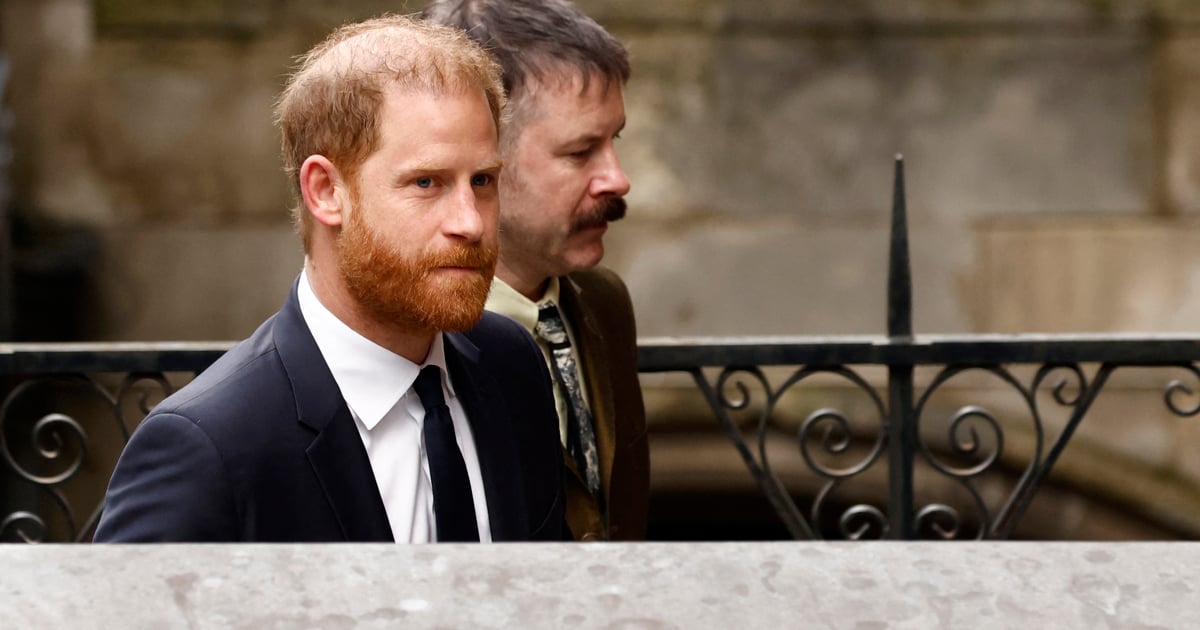
On September 17, William and Catherine made their first joint visit to the Isle of Bute, including stops in Rothesay, at a pub, a beach clean-up and a shinty club. The appearance came hours before Harry's first London public engagement since news of the return. The timing invited comparison, even though simultaneous schedules do not by themselves establish a coordinated palace strategy.
Why this matters
If the reported relocation proceeds, it will be the most significant shift in the royal family since the Sussexes stepped back in 2020. The clean-break narrative collapses once the children attend British schools and the family becomes part of the country's daily press ecosystem again. “Private citizen” remains a constitutional distinction, but geography makes practical separation far harder.
The birthday episode maps the family fault line. Reconciliation appears to run through Charles, not William. That distinction will shape invitations, seating plans, Christmas decisions and Harry's access to ceremonial occasions. It also matters for the future: when William becomes king, an arms-length relationship with his brother would carry institutional as well as personal consequences.
Charles is 77 and has continued cancer treatment while maintaining what the palace describes as a “full and active life”; reporting in 2026 characterized treatment as being in a “precautionary phase.” On September 17 he delivered an AI-assisted speech at Dumfries House. Harry's return inserts an unpredictable family variable into a period when the monarchy is already thinking about succession, continuity and public confidence.
Background: how we got here
Harry and Meghan stepped back as working royals in January 2020, citing press intrusion and insufficient institutional support. They settled in Montecito, California, and built a commercial life outside the palace. The 2021 Oprah interview, the 2022 Netflix docuseries and Harry's 2023 memoir “Spare” turned private grievances into global media events and deepened the estrangement, particularly between the brothers.
Charles maintained intermittent contact even at the height of the feud and was widely reported to be pained by distance from his grandchildren. The children may now be the quiet engine of the change. At seven and five, school routines make geography decisive. Enrollment in Britain would transform “an extended period” from a visit into a structured life, even if the family retains its California home and businesses.
The security question
Harry's September return already renewed debate over protection arrangements, an issue he has previously litigated. A longer stay raises practical questions about who protects the family, in which circumstances, at what cost and under what risk assessment. Those details cannot be solved by the family's non-working status alone.
Security also influences everything else: residence, school routes, public engagements and the degree to which the Sussexes can move without a visible official apparatus. Supporters argue that a prince and his children face obvious threats regardless of working status. Critics object to public resources underwriting a private commercial life. The governing answer will depend on assessed risk, not popularity.
Winners, losers and the skeptics
Charles gains the clearest personal benefit: a son and grandchildren living nearby in his late seventies. Harry and Meghan gain proximity to family and a British market where their names still command enormous attention. The British press gains years of material, from school runs to ceremonial invitations.
The harder position belongs to William and Catherine. Every shared event, separate appearance and seating decision can become a referendum on the brothers' rift. The palace communications operation must integrate a family it spent six years describing as outside official royal work, without allowing private activity to be mistaken for Crown representation.
Skeptics argue that “non-working royal” status has historically been porous, that British opinion cooled after “Spare,” and that the move may be tactical rather than reconciliatory. A separate, disputed claim by Earl Spencer about a remark by Charles concerning Diana — followed by a rare palace pushback, according to Hello! coverage — illustrates why the Diana legacy remains live ammunition. The detail is unverified; the reaction shows how quickly old wounds can dominate a new chapter.
What the reported move does not mean
Relocation is not restoration. Harry and Meghan would not automatically resume public duties, receive taxpayer funding or represent the monarch. Their media and business enterprises would continue, preserving the conflict-of-interest questions that helped make the “half-in, half-out” model unacceptable in 2020.
Nor does physical proximity guarantee family repair. Charles can build a relationship with Harry and the children while William remains distant. Public civility can coexist with private estrangement. The palace's challenge is to establish repeatable boundaries before the first major event forces a decision under pressure.
What happens next
The first milestone is the physical move at the end of September: residence, security and the children's schooling will show how durable the arrangement is. Remembrance Sunday in November creates the first unavoidable ceremonial question. Christmas at Sandringham would be the definitive public signal of a thaw, while an invitation declined or withheld would define the limit.
Three paths are plausible. In the optimistic case, proximity normalizes relations and produces a civil working distance. In the pessimistic case, commercial incentives and press pressure recreate the same cycle that drove the Sussexes away. The most likely path is managed, arms-length coexistence: William remains distant while Charles builds his own relationship with Harry, Meghan and the grandchildren. Royal history counsels humility, however; six years ago, few predicted a return at all.
Sources
Page Six, “Kate Middleton smiles as she steps out with Prince William, King Charles days after Harry and Meghan's UK move bombshell,” August 23, 2026: Read the report
People, “King Charles, Prince William and Kate Middleton Step Out in Scotland amid Prince Harry's Event in London,” September 2026: Read the report
Mandatory, “Prince William's Silence on Prince Harry's Birthday Was 'Deliberate' — Source,” September 2026: Read the report
Reality Tea, “Prince William's Silence on Prince Harry's Birthday Was 'Deliberate',” September 21, 2026: Read the report
EWN, “Prince Harry's surprise UK return renews security row,” September 6, 2026: Read the report
Reporting note: Details of the relocation and private family contacts are attributed to the publications that reported them. The palace has not publicly confirmed every private exchange described above.