Putin Metro Cash Carry Russia
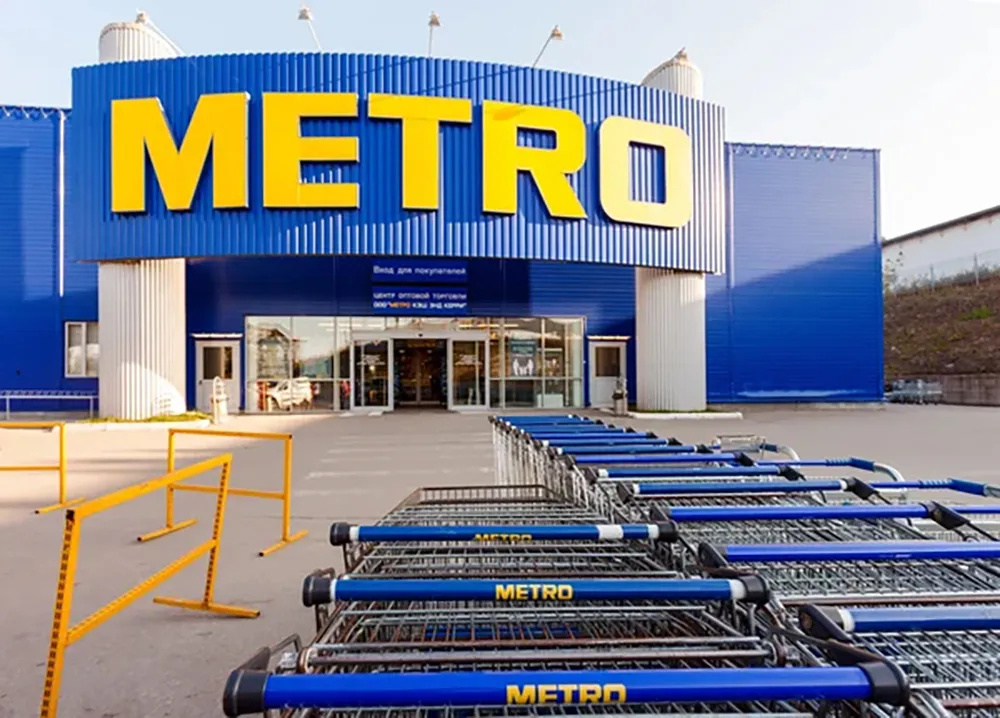
Putin Metro Cash Carry Russia policy moved into a new phase Monday when President Vladimir Putin signed a decree placing the German retailer's Russian assets under temporary administration. Reuters independently confirmed the decree and reported that Metro's Russian subsidiary continued to operate normally. The order itself gave no reason. Metro said ownership formally remained with Metro AG, while operational control shifted to UK Torg RUS, a local company appointed as temporary administrator.
What the decree changes
Temporary administration separates ownership on paper from control in practice. Metro AG may still be the legal owner, but the administrator can direct day-to-day operations, management and the use of assets. For employees and customers, that can mean stores remain open and supply chains continue even as the parent company loses the ability to make the decisions normally attached to ownership.
The distinction matters because it lets Moscow present the move as temporary rather than a completed confiscation. Yet investors value a business according to control, cash flows and the ability to exit. If those rights are suspended indefinitely, the economic effect can approach expropriation even before the legal title changes.
Why Metro matters inside Russia
Metro is not simply a consumer supermarket chain. Its cash-and-carry model supplies restaurants, small retailers and independent businesses, making it part of the wholesale plumbing behind local commerce. Keeping locations open reduces the chance of immediate shortages or job losses. It also gives the administrator a functioning network rather than a distressed shell.
That creates two different time horizons. In the near term, Russian staff, suppliers and customers benefit from continuity. Over the longer term, the move raises questions about capital spending, imported systems, procurement standards and whether the German parent has an incentive to support an operation it no longer controls.
The wider pattern of pressure on foreign companies
Since the full-scale invasion of Ukraine, Russia has expanded mechanisms for taking temporary control of assets linked to companies from countries Moscow labels unfriendly. The policy gives the Kremlin leverage over exits and can preserve domestic operations while disputes over sanctions, divestment prices and approvals continue.
The government has argued in earlier cases that such steps protect strategic or economically important businesses from abandonment. Critics see a coercive tool that transfers commercial control without normal shareholder consent. In Metro's case, the absence of a stated reason in the decree leaves investors to judge the action through that broader history.
Who wins and who loses
The Kremlin gains leverage
The Russian state gains an additional bargaining instrument and signals that formal ownership does not insulate a foreign company from intervention. A local administrator gains operational authority over an established retail network. Domestic suppliers may benefit if procurement shifts toward Russian goods.
Metro and foreign investors absorb the risk
Metro loses practical control and faces uncertainty over profits, governance and any future sale. Other international companies must increase the political-risk discount applied to Russian assets. That can reduce the price available to companies seeking an exit and discourage new investment even in sectors not directly sanctioned.
Russian consumers are not obvious winners. Normal operations avoid an immediate shock, but reduced competition and weaker investment can eventually narrow selection, increase costs or degrade service. Employees likewise gain short-term continuity without certainty about the business's longer-term strategy.
What happens next
The key documents will be the administrator's mandate, any board or management changes and Metro AG's accounting treatment. Investors will watch whether cash can move to the parent, whether contracts remain enforceable and whether the company challenges the action. A temporary order can be reversed, extended or become a bridge to a locally controlled sale.
The larger signal is already clear: foreign companies operating in Russia must treat sovereign intervention as an ordinary business risk rather than a remote legal possibility. Monday's decree did not close Metro's stores, but it changed the answer to the more consequential question of who gets to run them.