Pope Leo lung cancer
Pope Leo XIV Has Lung Cancer, Vatican Confirms After Surgery Removes Lobe of Right Lung
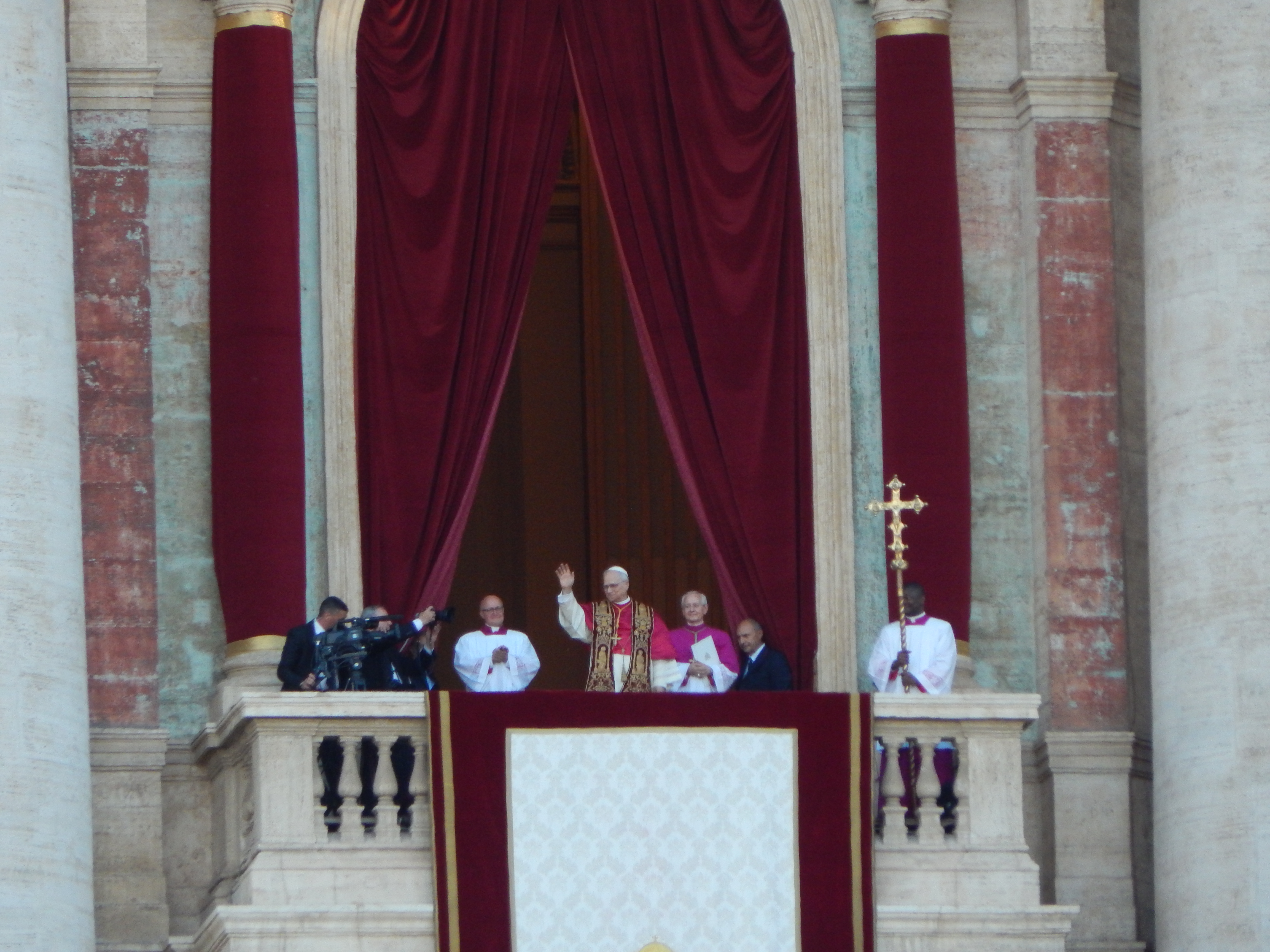
ROME — Pope Leo XIV has been diagnosed with lung cancer, the Vatican confirmed on Tuesday evening, after surgeons at Rome's Agostino Gemelli University Policlinic removed the lower lobe of his right lung in an operation his doctors described as successful and free of complications. The diagnosis — lung adenocarcinoma, the most common form of non-small-cell lung cancer — was confirmed by a histological examination performed during the surgery itself, according to the medical bulletin signed by the pope's personal physician, Dr. Luigi Carbone, and the chief thoracic surgeon who led the operation, Professor Stefano Margaritora. It is the first major health crisis of Leo's 17-month pontificate, and it arrived with a candour that would have been unthinkable for most of Vatican history: the pope announced the surgery himself, from his balcony, two days before it happened.
What the Vatican said
The bulletin, released by the Holy See Press Office shortly before 10 p.m. in Rome, said the examination of tissue taken during the operation "confirmed the diagnosis of lung adenocarcinoma, as suspected from the preoperative tests." To make the procedure complete — "radical," in the statement's word — the surgeons removed the entire lower lobe of the right lung rather than only the nodule itself. Vatican sources said the cancerous tissue had been completely removed. What the bulletin did not announce was a stage. Over the coming days, pathologists will complete fuller histological tests on the removed tissue, the step that establishes how advanced the cancer is and whether there is any sign it spread beyond the lobe. Asked about further treatment, Vatican sources said doctors have not discussed chemotherapy — a question that will depend on those results.
The human detail came from Matteo Bruni, the director of the Holy See Press Office: after the operation, the pope "asked to have some dinner," and spent the evening in his room with his secretaries and Vatican staff. Cardinal Pietro Parolin, the Vatican secretary of state, had told reporters earlier in the day that he spoke with Leo on Monday and found him "very serene." "I am worried because I certainly did not expect something like this," Parolin said, "however, thank God, it was found quickly."
The surgery at Gemelli
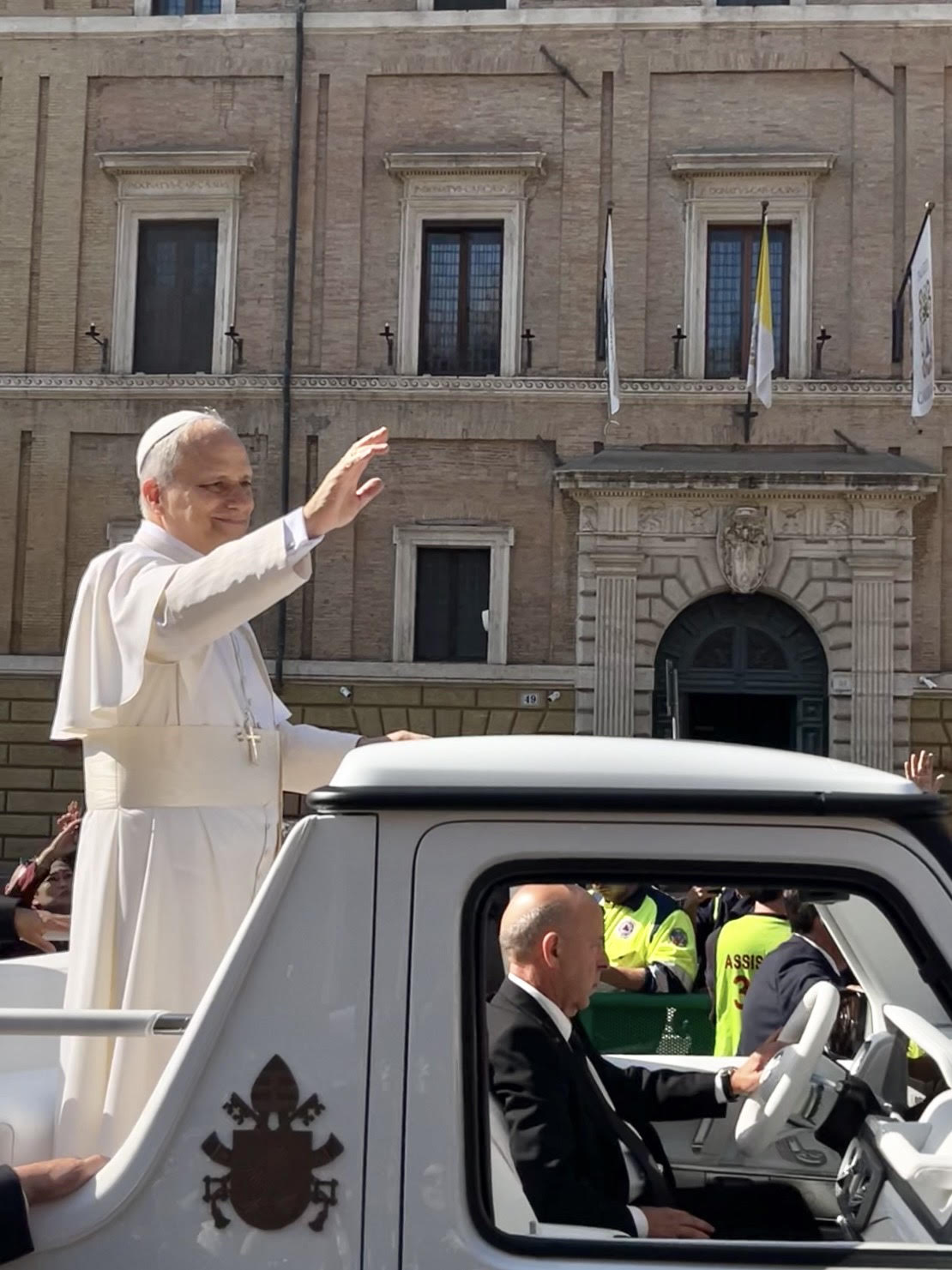
Leo arrived at the hospital shortly after 1 p.m., driven from the Vatican in a car bearing the SCV 1 plate, and walked in through the main entrance, smiling and waving to the dozens of well-wishers who had gathered outside. He was greeted by hospital leaders, including medical director Andrea Cambieri, and stopped briefly to greet patients, among them some in wheelchairs, according to the Associated Press. Before the operation began, medical staff recited the Rosary in the hospital chapel, the AP reported, citing two people familiar with the plans; on Tuesday evening, Cardinal Baldassarre Reina, the pope's vicar for Rome, led a Rosary in the same chapel, and churches across the city — and in the pope's hometown of Chicago and his former diocese of Chiclayo, Peru — held prayers and Masses for him.
The operation used a video-assisted technique, the minimally invasive approach standard for this kind of surgery. The pope was in the operating room for about three hours; the surgery itself lasted approximately 90 minutes. "The surgery was successful, and there were no complications," the Vatican said. Leo woke as expected, was kept under brief observation, and returned to his room on the hospital's 10th floor — the floor that holds the papal suite used by his predecessors John Paul II and Francis during their own hospitalizations.
What adenocarcinoma is, and what 'radical' removal means
Adenocarcinoma is the most common type of non-small-cell lung cancer. It develops in the glandular cells that produce mucus, is most often found in the outer regions of the lung — where a small, self-contained nodule like Leo's typically appears — and is the form of lung cancer most frequently seen in people who have never smoked. When the disease is caught at an early stage and is confined to a single lobe, the standard treatment is exactly what Leo's surgeons performed: a lobectomy, the complete removal of the affected lobe, carried out with the intention of taking out all of the cancer in one operation. That is what the Vatican's word "radical" means in surgical usage — not severity, but completeness.
Whether surgery alone is the end of treatment depends on staging: the microscopic examination of the removed lobe and nearby lymph nodes, now under way, which shows whether any cancer cells escaped. Oncologists quoted before the operation said that a tumour found as early as Leo described — small, localized, removed completely — carries an excellent prognosis, and the Vatican's account so far matches that picture. But no stage has been announced, and nothing firmer can responsibly be said about the pope's individual outlook until the pathology results are published. The next bulletin, expected in the coming days, is the one that matters.
A disclosure the pope made himself
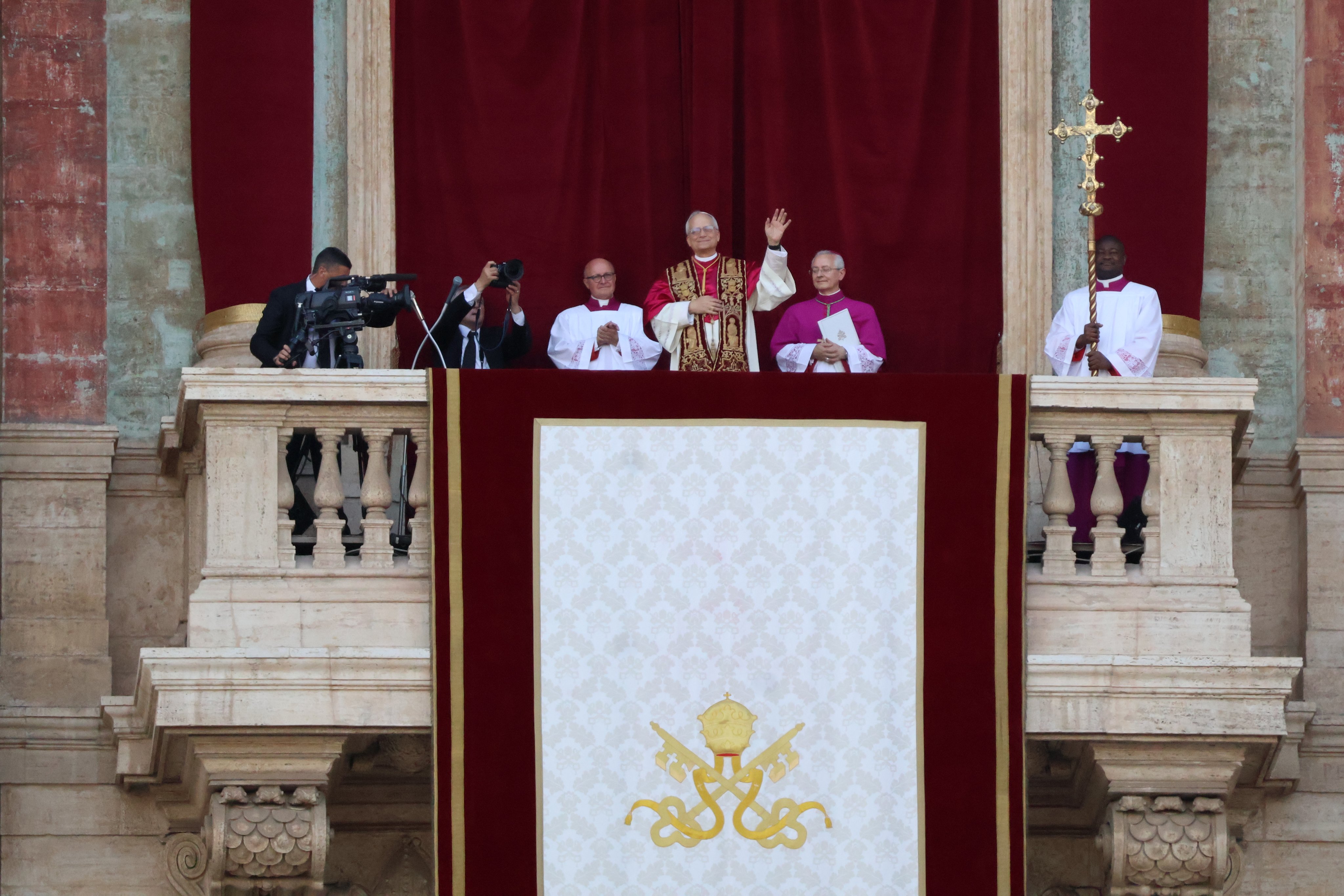
None of this came out through leaks. At the Sunday Angelus on October 11, Leo told the crowds in St. Peter's Square that recent checkups — routine examinations, the Vatican later stressed, not a response to symptoms — had found "a localized nodule in my lung," that it was "detected at a very early stage and is well localized," and that on his doctors' advice he had decided to have it removed. "I thank you for your spiritual closeness and entrust myself to your prayers," he said. Popes have almost never spoken this way about their own bodies: the Vatican concealed the extent of John Paul II's Parkinson's disease for years, and the seriousness of Francis's decline was clear only in retrospect. Leo, the first pope born in the United States, instead gave the world the diagnosis timeline himself — and on Tuesday his press office published the word "adenocarcinoma" within hours of its confirmation.
The week ahead, and the South America question
Leo is expected to spend about a week recovering at Gemelli. All of his audiences and public engagements were cancelled through October 20, a decision announced on Monday by the Prefecture of the Papal Household. There is no deputy who steps in for a pope: Leo remains fully in office, and the day-to-day business of the Vatican continues through the Secretariat of State under Cardinal Parolin, as it does whenever a pope is travelling or ill. No provision of canon law transfers a pope's authority because of illness, and nothing in the Vatican's statements suggests anything beyond a convalescence.
The larger question hangs over November. Leo is scheduled to begin an 11-day tour of Uruguay, Argentina and Peru on November 6 — the longest journey of his pontificate, and a personal one: he spent some two decades in Peru as a missionary and then as bishop of Chiclayo. The Vatican has announced no change to the trip. Tokyo's Cardinal Kikuchi Tsutomu, who met Leo on Monday, said the pope had moved the surgery forward precisely "in order to not change his plans for future overseas trips." Oncologists generally advise patients to avoid flying for roughly three weeks after this kind of operation, which would leave him clear to travel by early November if his recovery follows the expected course — but the decision will rest on the histology results and his doctors, and it has not been taken yet.
Reaction from around the world
Italian Prime Minister Giorgia Meloni said she and her government stood close to the pope "in this time of trial," and noted the calm with which he had delivered the news on Sunday. Archbishop Charles Scicluna of Malta said the Maltese church was "united in prayer for the Holy Father," and Archbishop Luis Argüello, president of Spain's bishops' conference, invited Spanish Catholics to pray for his recovery. Archbishop Richard Moth, who leads the Catholics of England and Wales, said he had sent the pope a message "assuring him of our prayers." In Chicago, where Leo was born Robert Francis Prevost, St. Mary of the Angels Church celebrated a Mass for him; in Chiclayo, the Peruvian city he once served as bishop, the cathedral did the same.
Why this matters
A pope's health is never only medical news. Leo leads a church of some 1.4 billion people, and at 71 — young by the standards of recent pontiffs — he was expected to shape it for a decade or more. A cancer diagnosis, even an early one successfully operated on, changes the horizon of a pontificate: every future trip, appointment and reform now runs alongside a medical calendar the Vatican has chosen, unusually, to share in public. The transparency is itself part of the story. In the space of three days, Leo has told the world what was found, what was feared, what was done and what was confirmed — a running, sourced account of a pope's cancer that has no real precedent. What happens next will be told the same way, in bulletins: first the pathology and the stage, then any decision on further treatment, then the answer on South America. The whole church, and a good part of the world beyond it, will be reading.