Pakistan emergency rule Khyber Pakhtunkhwa
Islamabad says it is about Islamist militancy on the Afghan border. Imran Khan's party calls it a coup against the country's last legitimately elected government. The constitution gives Parliament ten days to decide which story wins.
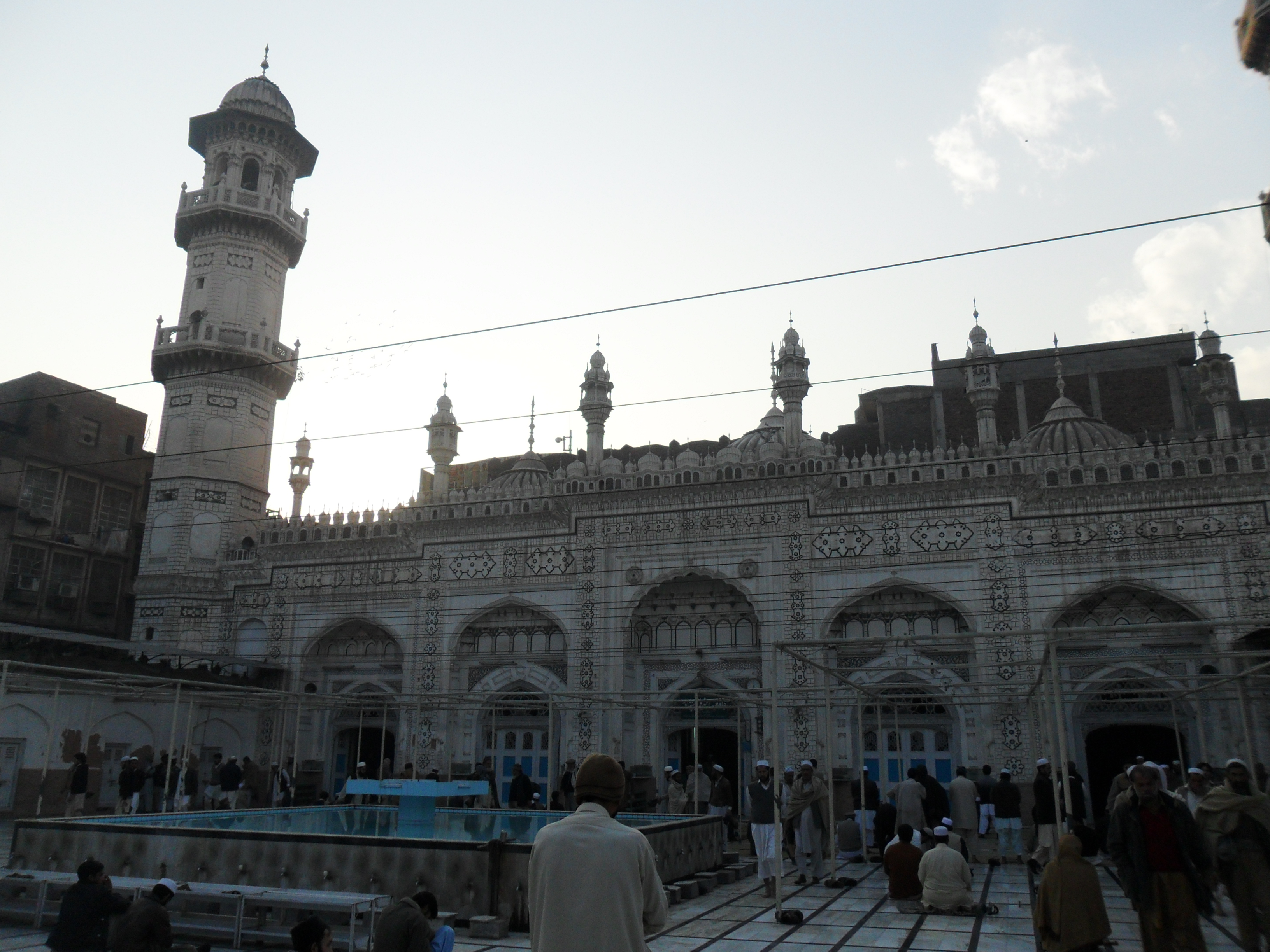
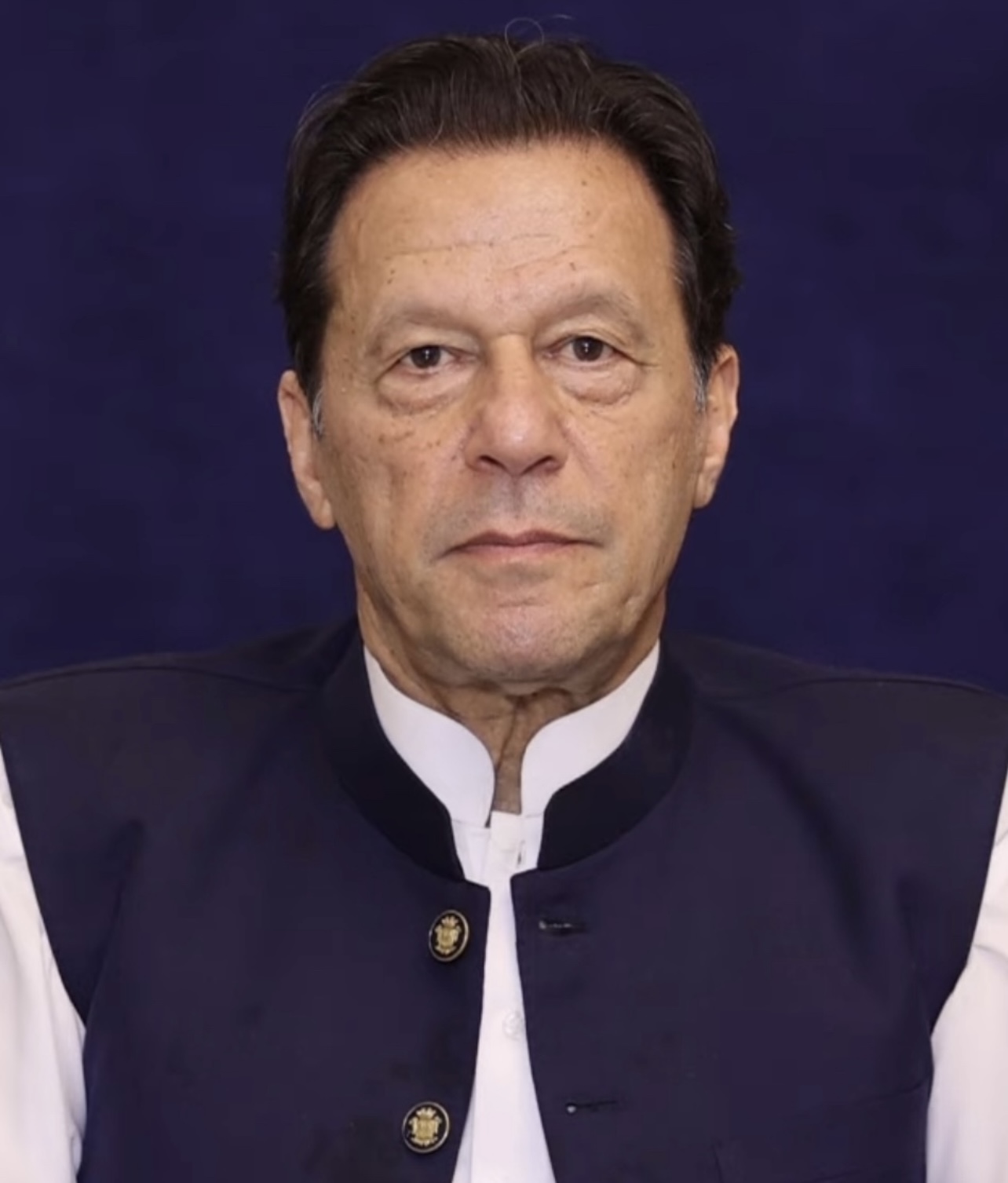
On Sunday, October 11, President Asif Ali Zardari declared a state of emergency and imposed governor's rule in Khyber Pakhtunkhwa, suspending the provincial government led by jailed former Prime Minister Imran Khan's Pakistan Tehreek-e-Insaf (PTI) party — the most drastic federal intervention in a Pakistani province in decades. The federal government says the PTI administration failed to fight Islamist militancy near the Afghan border. A day later, on Monday, the chief minister himself, Sohail Afridi, was placed under detention. PTI calls the whole operation a political decapitation dressed up as counterterrorism, and the next ten days will decide whether the constitution agrees.
Why this matters
This is not a routine power struggle, and the reason is structural. Khyber Pakhtunkhwa is the last major redoubt of Imran Khan's political movement — the one province where PTI has governed continuously since 2013 and where its claim to an electoral mandate is hardest to dispute. By suspending that government outright rather than defeating it at the ballot box, the federal government has escalated Pakistan's long-running political crisis from a war of attrition against one man into a direct confrontation with a federating unit of the state itself. That is a different category of event, and it is why opposition figures are reaching for words like "coup" and "demolition of democracy" rather than ordinary political complaint.
The second reason it matters is the precedent it sets for how Pakistan handles the oldest tension in its constitutional design: the federation's power to override a province. Governor's rule has been used at least eight times since 1949, and Khyber Pakhtunkhwa itself — then the North-West Frontier Province — was subjected to it in 1975 and 1994. But each use reopens the same unresolved question: is the emergency power a genuine safeguard for moments when a province cannot govern, or a loaded weapon the center keeps for moments when a province will not obey?
The third reason is practical and immediate. The proclamation landed one week into a PTI mobilization demanding Imran Khan's release, with a long march on Islamabad threatened, hundreds of activists and three of Khan's sisters detained, tens of thousands of security personnel deployed in the capital, and shipping containers blocking the roads. Emergency rule does not just suspend a provincial government; it hands the federal interior ministry the legal cover to do what it was already doing — only now with constitutional blessing. Whatever the stated justification, the timing means this will be read, fairly or not, as the state's answer to the march.
What actually happened: the mechanics of the takeover
The sequence is precise. On Sunday, following a federal cabinet decision, President Zardari signed Prime Minister Shehbaz Sharif's advice to declare a state of emergency, invoking Articles 232 and 234 of the Constitution. The advice, according to a statement from Sharif's office, said the provincial government had failed to fight Islamist militancy. Executive authority in the province passed to Governor Faisal Karim Kundi, supported by an 11-member advisory council, and the interior ministry began deploying troops. The emergency covers 12 districts of the province.
Law Minister Azam Nazeer Tarar said the governor would initially take charge for six months. Then, on Monday, Minister of State for Interior Talal Chaudhry told media that Chief Minister Sohail Afridi had been placed under detention — "preventive custody," according to the daily Dawn, which also reported the detention of MNA Junaid Akbar and provincial assembly speaker Babar Saleem Swati. Chaudhry said the detained leaders would be charged and tried in the legal cases pending against them. In a single weekend, the province's elected executive was suspended, its chief minister detained, and its legislature's presiding officer taken into custody.
What the constitution actually requires — and the clock that is now running
Because Zardari acted without a resolution from the provincial assembly, the Constitution imposes a strict approval sequence, and the deadlines are short. Both houses of Parliament must approve the emergency within ten days — by October 21. Sessions of the National Assembly and the Senate have been called for Tuesday. The emergency must then be placed before a joint sitting of Parliament within 30 days, and it lapses after two months unless that joint sitting approves it. Once approved, however, the Constitution sets no fixed end date: the emergency stays in force until revoked or until a majority of the total membership of both houses votes against it.
Governor's rule under Article 234 runs on a separate track with its own ceiling. Parliament can extend it in two-month increments, for a maximum of six months in total — which is presumably the six-month horizon Tarar was describing. And the emergency provisions allow the executive to suspend certain fundamental rights, with no fixed time limit on how long the emergency itself can continue. Read that combination plainly: a compliant Parliament can keep a province under federal control for half a year of governor's rule, under an emergency with no constitutional expiry date, with fundamental rights suspended.
Background: how we got here
The emergency did not emerge from nowhere; it is the latest turn in a confrontation that has been building for years. Imran Khan, the former prime minister, has been jailed, and his PTI party has spent the period since his removal from office in 2022 locked in an escalating conflict with the government and the military establishment. The party's core demand — Khan's release — has become the organizing cause of its street politics, and the long march on Islamabad is its signature tactic, revived repeatedly as pressure.
The immediate trigger was the past week. PTI supporters began gathering to march on the capital demanding Khan's release and raising concerns about his access to medical care and his political rights. The state's response was a familiar preemptive repertoire: hundreds of activists detained, three of Khan's sisters detained, tens of thousands of security forces deployed across Islamabad, and shipping containers used to seal the roads into the capital's Red Zone. Chief Minister Afridi had been leading the mobilization — on Saturday, addressing supporters in Mardan on the seventh day of the long march, he said he would not accept any "illegal move," warning that if governor's rule or emergency were imposed, the march would head to Peshawar instead of Swabi and then move toward D-Chowk in Islamabad. He also urged the public to come out for Khan's release, saying Pakhtuns would not be intimidated by threats, guns, or bullets. Within 48 hours, the emergency was declared and Afridi was in detention.
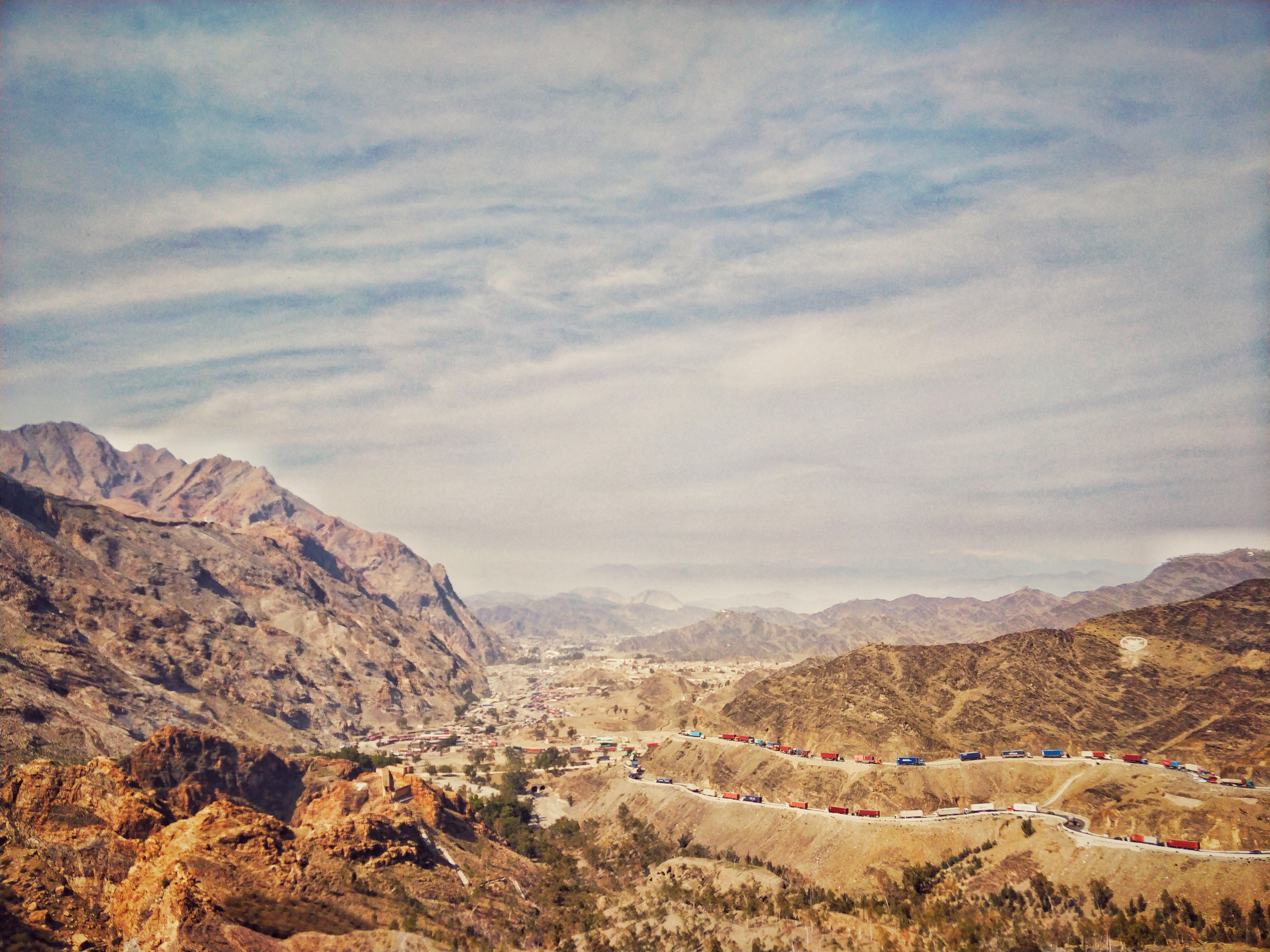
Deeper still is the geography of the government's stated justification. Khyber Pakhtunkhwa borders Afghanistan, and the province — particularly districts like Dera Ismail Khan, where a suicide bombing at a checkpoint killed 11 in September, claimed by the Tehreek-e-Taliban Pakistan — has borne the brunt of a resurgence in Islamist militancy. The federal government's case, in essence, is that a province under a party consumed by its confrontation with the center cannot be trusted with the counterterrorism fight on the country's most dangerous frontier. Whether that is a genuine security assessment or a convenient pretext is the central dispute of this story, and both sides can point to facts: the militancy is real, and so is the political timing.
Two narratives, one constitution
It is worth stating each side's case in its strongest form, because the truth of this episode probably lives in the tension between them rather than in either one alone.
The government's case: a province that stopped governing on security
Islamabad's argument is that counterterrorism is a federal responsibility that a province cannot opt out of, and that the PTI administration in Peshawar — consumed by its campaign for Khan's release and openly organizing a march on the capital — had stopped cooperating with the fight against militancy spilling over from Afghanistan. On this view, the emergency is not about Khan at all; it is about a border province where militants are killing security personnel while the provincial government's attention is on street politics. The 12-district scope of the emergency, the troop deployments, and the advisory council structure all fit a security-first reading: the center is taking direct control of the districts where the threat is worst. And the Constitution plainly contemplates this power — Articles 232 and 234 exist for situations where, in the federal government's judgment, a province cannot be governed in accordance with the Constitution.
PTI's case: a coup disguised as an emergency
The opposition's argument is that the militancy justification collapses under the weight of the timing and the targets. Zulfikar Bukhari, the PTI spokesman and close Khan aide, called the decision "ridiculous," insisting Khyber Pakhtunkhwa had the country's "only legitimately elected government" and warning it would lead to "further bloodshed, instability and collateral damage." The party's logic: if this were about militancy, the detentions would target militants — instead, the first people in custody are the chief minister, a member of the National Assembly, and the assembly speaker, while the long march they were leading is the thing that gets thwarted. JUI-F leader Fazlur Rehman called it an "ambush on democracy." Former president Arif Alvi, in a blistering post on X, called it the "demolition of democracy," accusing an "unrepresentative, fraudulent set-up in Islamabad" of overriding the people's mandate and arguing that "all reports suggest that the only sticking point was a meeting with Mr Imran Khan." PTI chairman Barrister Gohar Ali Khan said the party would challenge the measures in the courts and the assemblies — and pointedly added that the long march had not been called off: "Our struggle will absolutely continue."
The neutral assessment has to hold both readings at once. Militancy in KP is a documented, lethal reality — that is not in dispute. What is in dispute is whether the emergency is a proportionate response to it or a political weapon wearing a security uniform. The test the constitution sets is not sincerity but process: Parliament's approval, the courts' review, and the public's judgment. Note the asymmetry, though: the government gets to act first and justify later, while the opposition must litigate and march to undo what is already done. That structural advantage is why emergencies are such tempting instruments — and why their use is always, legitimately, suspected.
Putting the numbers in context
Some figures help calibrate what is happening. PTI has governed Khyber Pakhtunkhwa since 2013 — thirteen years of continuous rule, spanning three general elections, which is why the party treats the province as the proof of its democratic legitimacy and why losing it administratively stings more than any single arrest. Governor's rule has been imposed on provinces at least eight times since 1949, so the instrument is not unprecedented — but its use against a government with PTI's electoral depth in the province is. The province's own history with the measure — 1975 under Zulfikar Ali Bhutto, 1994 under Benazir Bhutto — is instructive: both were moments when a strong center moved against a restive frontier province, and both are remembered in the province as federal overreach rather than rescue.
The timelines matter too. Ten days for parliamentary approval (by October 21), thirty days for a joint sitting, two months before the emergency lapses without approval, six months maximum for governor's rule in two-month increments. Compare that with the tempo of the street: a long march measured in days, detentions measured in hours. The constitutional clock and the political clock run at different speeds, and the gap between them is where instability lives. And the human scale: an 11-member appointed advisory council now administers a province of more than 40 million people — for the duration of the emergency, one of Pakistan's four provinces is governed by appointees, not by the people it elected.
What happens next: four scenarios
1. Parliament approves, the emergency beds in. The likeliest near-term outcome if the coalition holds its numbers: both houses approve by October 21, the joint sitting follows, and governor's rule extends toward its six-month ceiling. PTI's legal challenges grind through courts that have rarely restrained emergency powers quickly, and the long march is contained by troops and containers. Watch Tuesday's sessions — a smooth approval signals this scenario.
2. The courts or the street break it. PTI has vowed to fight in courts and assemblies, and Pakistan's judiciary has occasionally surprised. A stay order or a finding that the Article 232 threshold was not met would collapse the legal basis overnight — though enforcement against a government with troops deployed is another matter. Alternatively, the long march reaches Islamabad despite the crackdown, and the images of confrontation force a political — not legal — reversal. Either way, this scenario requires an institution to do something it has recently been reluctant to do: say no to the security state. Watch for the first court hearing dates and whether the march actually moves on D-Chowk.
3. The security justification gets tested by events. If militancy in KP spikes under federal control, the government claims vindication — but also owns the failure. If the province stays calm, PTI's argument that the emergency was never about security gains force with every quiet week. The irony of this scenario is that both sides need the same thing — fewer attacks — for opposite reasons. Watch the 12 emergency districts: attack data there in the coming weeks is the closest thing to an objective scorecard this dispute will get.
4. Escalation beyond the province. The most dangerous path: the confrontation metastasizes — detained leaders become symbols, the march turns violent against containers and troops, and the federal government reaches for wider emergency powers. The history of 1975 and 1994 in this same province suggests federal takeovers of KP do not pacify the frontier; they radicalize its politics.
The honest forecast is that scenario one is the base case and scenario four is the tail risk — but in Pakistan, tail risks have a habit of arriving on schedule. The ten-day parliamentary deadline is the forcing function: by October 21, the emergency will either have democratic cover or be exposed as an act of force awaiting ratification. What happens in the streets between now and then will determine which of those it looks like.
Related coverage
Sources
- Reuters (via KWSN) — Pakistan president imposes emergency in province ruled by ex-PM Imran Khan's party (October 11, 2026)
- Reuters explainer (via Bahamas Spectator) — What do emergency and governor rule in Pakistan's Khyber Pakhtunkhwa mean? (October 12, 2026)
- Reuters explainer (via Dominica Gazette) — What do emergency and governor rule in Pakistan's Khyber Pakhtunkhwa mean? (October 12, 2026)
- IANS — 'Demolition of democracy': Ex-Pakistani Prez on emergency imposition in Khyber Pakhtunkhwa (October 12, 2026)