What Treasury alleged
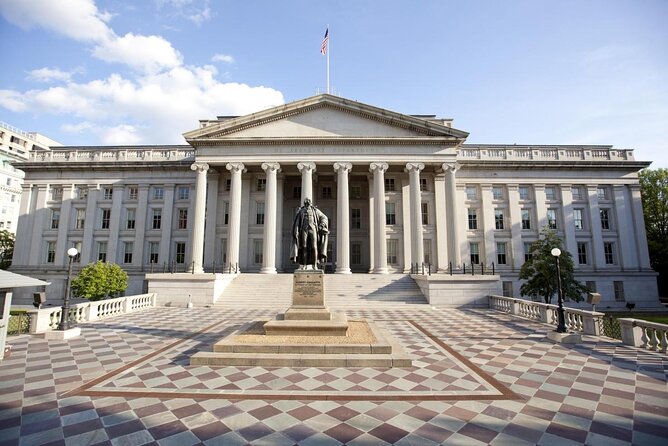
The U.S. Treasury designated BitBank as part of action against a digital-asset network linked to Babak Zanjani. Treasury alleged the exchange processed hundreds of millions of dollars. Public notices did not include wallet addresses or transaction hashes that independent analysts could reproduce.
Why This Matters
Sanctions can isolate an exchange from banks and counterparties immediately, even before outsiders can inspect transaction-level evidence. That speed is a feature for enforcement and a transparency problem for due process and compliance teams.
Background and competing interests
Crypto’s public ledgers can make flows traceable, but attribution still depends on off-chain records and analytical assumptions. Treasury wants to disrupt finance tied to Iran. Exchanges and users need actionable indicators to avoid exposure. Civil-liberties critics want enough evidence to challenge mistakes.
Winners, losers and next steps
Blockchain-analysis firms gain demand, compliant exchanges gain market share and designated users lose access. The next useful release would include addresses, dates and methodology while protecting sensitive investigations. Without those details, firms must rely heavily on the designation itself rather than independently testing the allegation.
Sources: TRM Labs, GlobalSecurity / Treasury release. Facts and figures are a fixed September 20, 2026 reporting snapshot and do not update live.