A route reopened
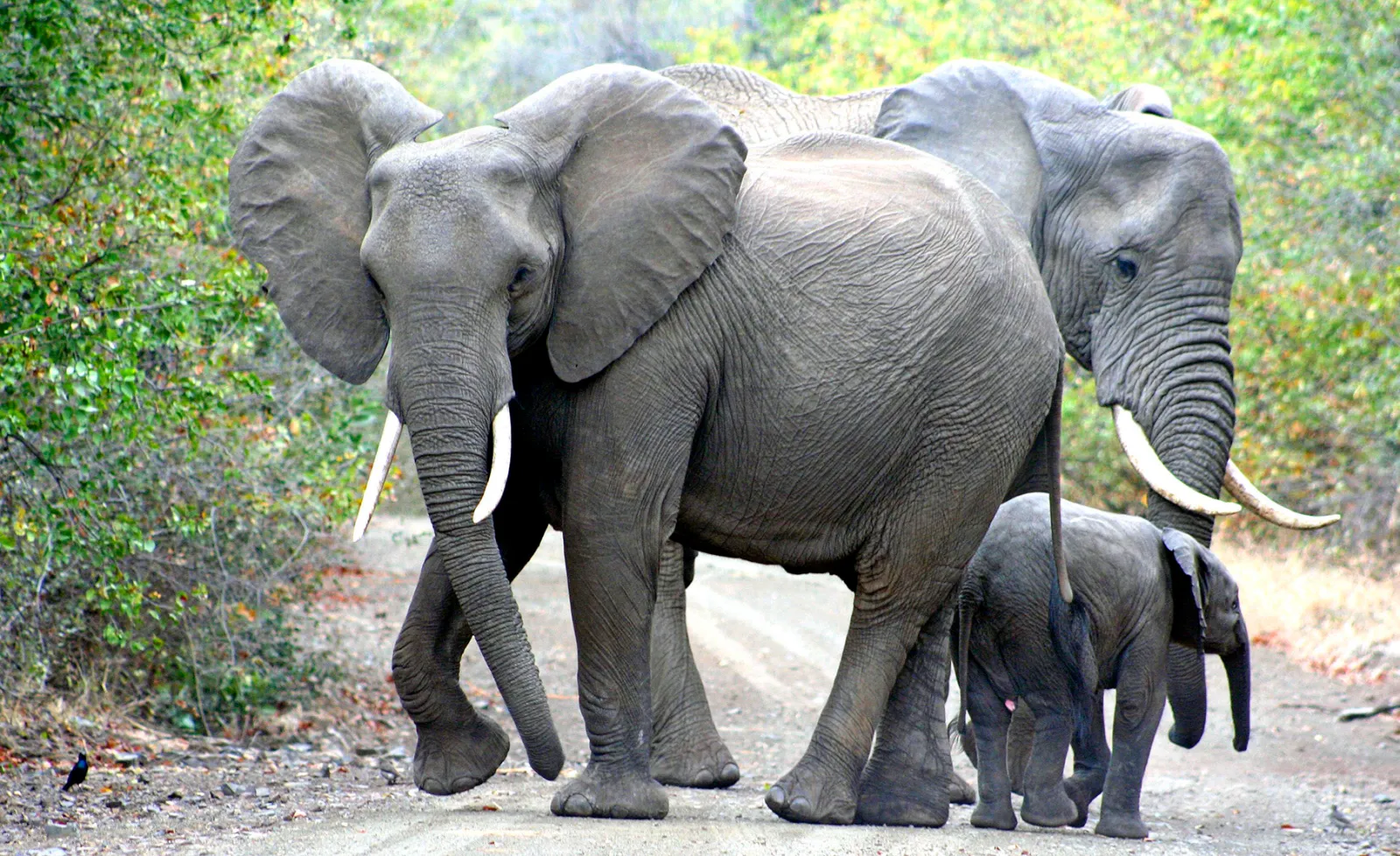
Tanzania established the Nyerere–Udzungwa corridor in May 2024 as its first officially designated wildlife corridor. The roughly 48-square-kilometer route links Nyerere National Park—the country’s largest national park—with the Udzungwa Mountains landscape. In the first 15 months, camera and field monitoring recorded more than 500 elephant passages, according to reporting by the Wildlife Conservation Society.
Why this matters
Protected areas become ecological islands when farms, roads and settlement sever the land between them. Elephants need movement routes to reach seasonal water and forage, maintain genetic exchange and respond to drought. A corridor converts conservation from a map of isolated parks into a network. That matters more as climate shifts the location and timing of resources.
From 2008 idea to legal protection
The project traces back to a 2008 strategy and took 16 years to formalize. That timeline reflects the difficult work hidden beneath a corridor designation: mapping movement, negotiating land use, compensating or partnering with communities and securing a legal status that survives political changes. The article emphasizes leadership from Tanzanian agencies, local communities and WCS rather than treating conservation as an external intervention.
What 500 passages do—and do not—prove
More than 500 passages over 15 months average roughly one recorded passage per day, though the same animals may cross repeatedly and monitoring may not detect every movement. The number demonstrates use; it does not by itself prove population growth, reduced mortality or genetic exchange. Those outcomes require years of individual identification, conflict data and ecological monitoring.
Who wins, who bears costs
Elephants and other wide-ranging species gain habitat connectivity. Parks gain resilience. Tourism benefits from healthier landscapes. Communities can gain employment, land-use payments and reduced conflict if routes channel animals away from fields. They can also bear costs through crop loss and limits on development. A corridor is just if local people participate in governance and receive visible benefits, not merely restrictions.
The policy context
Tanzania has ruled out elephant culling as a response to human-wildlife conflict, making coexistence tools—corridors, early-warning systems, crop protection, insurance and rapid compensation—more important. Population recovery is a conservation success that creates management obligations. Celebrating more elephants without funding coexistence shifts the cost to rural households.
What happens next
The corridor needs durable land tenure, road-crossing safeguards and transparent publication of passage, injury and crop-damage data. Scientists should test whether use extends beyond elephants and whether animals move safely across the full route. If those measures hold, Nyerere–Udzungwa can become a governance template: protect movement first, then measure whether ecology and local livelihoods improve together.
Sources: Wildlife Conservation Society; World Animal Protection; Conservation Action Trust on culling policy.