Technology / Semiconductors — South Korea's Maeil Business Newspaper reports Nvidia and Tesla will finance about $2.8 billion of new FC-BGA substrate plants for Samsung Electro-Mechanics — the unglamorous layer every AI chip sits on. The figure has not been confirmed by all three companies.
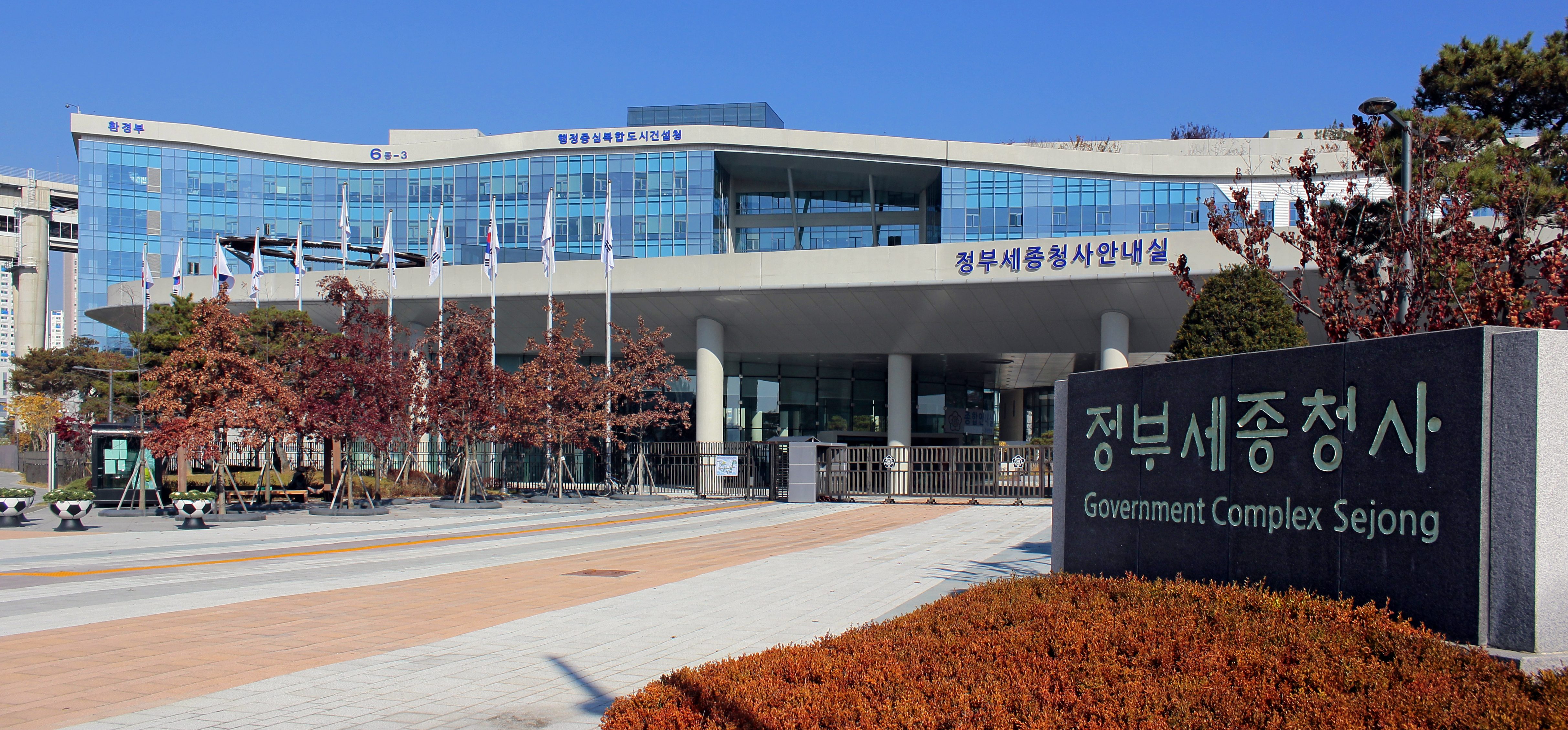
Nvidia and Tesla are reportedly backing a multibillion-dollar expansion of South Korea's advanced semiconductor supply chain, according to a report by South Korea's Maeil Business Newspaper cited by Reuters on Thursday, October 22. Samsung Electro-Mechanics would receive financing valued at approximately $2.8 billion (3.7 trillion won) — Nvidia providing 2.6 trillion won and Tesla 1.1 trillion won — to build additional production facilities in Sejong, South Korea, for flip-chip ball grid array (FC-BGA) substrates, the critical packaging component used in advanced AI chips, in support of long-term supply commitments.
What is confirmed and what is not: Samsung Electro-Mechanics has separately announced a strategic partnership with Nvidia confirming expanded manufacturing collaboration for next-generation AI processors and high-speed networking systems. The specific $2.8 billion financing figure and Tesla's reported participation have not been independently confirmed in a detailed announcement by all three companies, and this article treats them as reported, not settled.
Why substrates became strategic
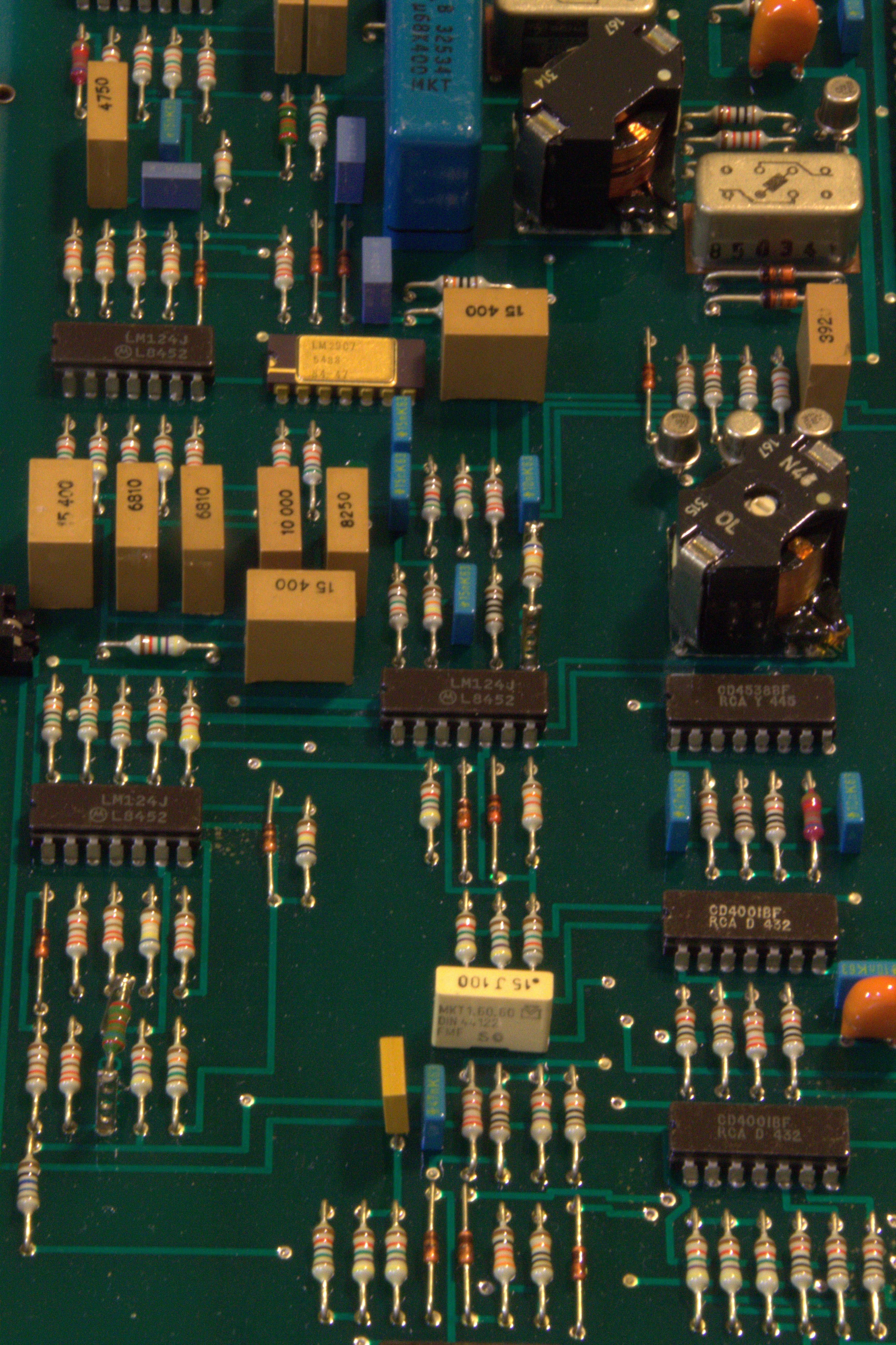
An FC-BGA substrate is the layered board that connects a silicon die to the outside world — power in, signals out. As AI accelerators grew into multi-chip packages, substrates grew larger, more layered and harder to make, and capacity concentrated in a handful of suppliers in Japan, Taiwan and South Korea. Nvidia's Berlin announcements this week make the same point from the other side: its substrate partnerships with Samsung Electro-Mechanics, LG Innotek, Japan's Ibiden and Taiwan's Unimicron aim to grow supply 2.5 times over three years, with supplies starting this year and major increases by 2028, because ABF substrate lines take two to three years to qualify. A customer financing its supplier's factory — the structure Maeil reports here — is what buyers do when the alternative is queueing.
Why this matters
Tesla's reported presence is the tell. Tesla is not a chip merchant; it is a buyer — for Dojo-class training, inference in vehicles and its robotics programme — that cut its overall capex guide to about $20 billion on Wednesday while reportedly committing over a trillion won to secure packaging capacity in Korea. That is not contradiction, it is triage: spend less in total, but guarantee the one input money cannot quickly replace. For South Korea, the deal — if confirmed at the reported scale — deepens its position as the indispensable second pole of the AI supply chain after Taiwan, at the exact moment KOSPI chip shares fell more than 4% in Thursday's AI selloff. The market sold the stocks on Thursday; the customers signed for 2028 capacity the same week. Both are rational responses to different clocks.
What critics and competitors say
Competitor substrate makers in Japan and Taiwan will read customer-financed Korean capacity as share being locked away before it is built. Skeptics of the report itself note, correctly, that a single newspaper source — even via Reuters — is not a contract, and Samsung Electro-Mechanics' shares reversed early gains on Thursday as the broader chip selloff overwhelmed the partnership news. Supporters answer that the confirmed Nvidia partnership, the Sejong siting and the Berlin substrate push all point the same direction, whatever the final financing split proves to be.
What happens next
Watch for a regulatory filing or joint statement confirming the financing and its terms, construction timelines in Sejong, and whether Tesla's role is money, guaranteed offtake, or both. Until a primary document appears, the $2.8 billion figure stays labelled as reported.
Sources
Maeil Business Newspaper report cited by Reuters, October 22, 2026, via WWC One Media summary; Samsung Electro-Mechanics–Nvidia strategic partnership announcement as reported October 22, 2026; Global AI Watch supply-chain analysis, October 22, 2026.