Nana Patekar dies at 75
Entertainment / Bollywood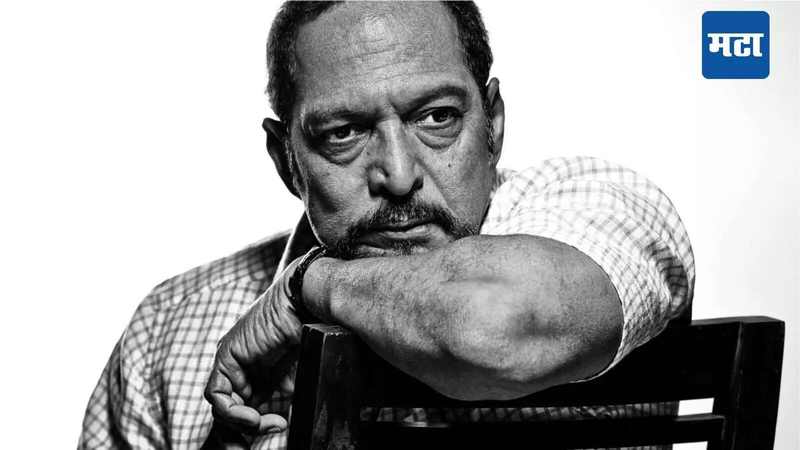
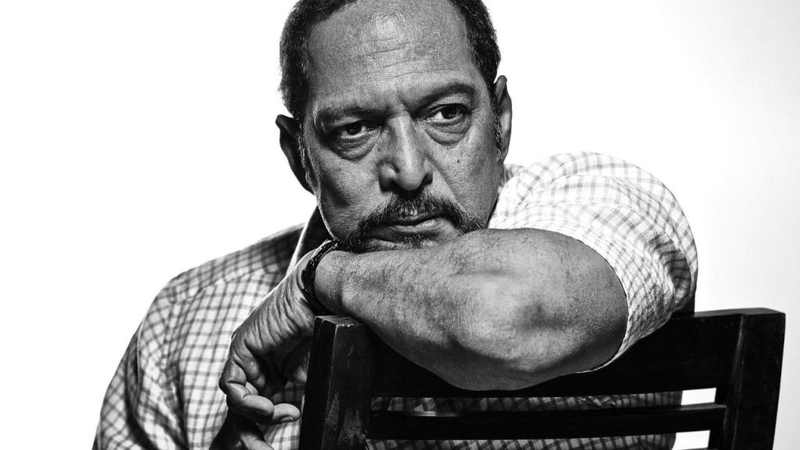
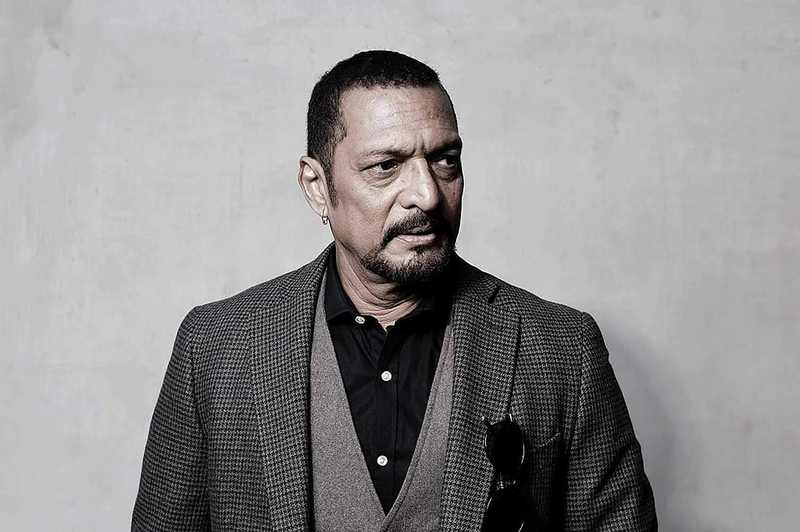
Nana Patekar dies at 75 — and with him, Indian cinema loses one of the last of a species: an actor whose rage on screen felt less like performance and more like weather. The veteran of Hindi and Marathi cinema, whose firebrand roles made him one of India's most decorated performers, died early Thursday, October 8, 2026, after suffering a severe cardiac arrest at his residence in Dona Paula, Goa. He was found unconscious at home and rushed to Manipal Hospital, where doctors worked for about 45 minutes to bring him back. He was declared dead at 5:20 a.m.
The final hours: a timeline of Thursday morning
Early Thursday, Patekar complained of chest pain and discomfort on the left side of his chest, began sweating and gradually lost consciousness, according to Dr. Shekhar Salkar, chief of the oncology department at Manipal Hospital, speaking to news agency ANI. A caretaker summoned an emergency medical team; CPR began at the residence and continued during transport.
Patekar reached Manipal Hospital at around 4:20 a.m., where doctors and staff continued resuscitation — CPR and cardiac massage for nearly 45 minutes — but he did not respond to treatment and was declared dead at approximately 5:20 a.m. Dr. Salkar said the Nana Patekar death cause was cardiac arrest, though what triggered it was unclear.
Because Patekar was not a registered patient at the hospital, a medico-legal case was registered as a standard procedure and police were informed. A post-mortem examination was to be conducted at Goa Medical College to formally establish the circumstances. His son, Malhar Patekar, confirmed the death. His wife, from whom he was separated, and his son survive him.
Why this matters: Indian cinema loses its conscience
Analysis: Patekar was the anti-star inside a star system: no film dynasty, no PR machinery, no interest in the industry's glamour rituals — yet he headlined its biggest films for four decades. He was the rare figure audiences believed when he played anger, because the anger was never decorative.
His parallel life ran through the Naam Foundation, the drought-relief charity he built with Makarand Anaspure, which did years of unglamorous work for farmers in Maharashtra — the actor as citizen, not as brand. That dual identity is what makes this loss structural, not sentimental: Patekar was the last great bridge between India's parallel cinema of the 1980s, including Mira Nair's Oscar-nominated Salaam Bombay!, and mainstream Bollywood commerce.
That middle ground — serious, naturalistic acting inside commercial hits — has been thinning for years. His passing closes the door on the model that proved it was possible.
From Murud-Janjira to the National Awards: the making of an icon
Background: Born Vishwanath Patekar on January 1, 1951, in Murud-Janjira in Maharashtra's Raigad district, he began in Marathi theatre before his Bollywood debut in the 1978 drama Gaman. The 1980s arthouse years gave him Salaam Bombay! in 1988; then came the breakthrough: Parinda in 1989, for which he won the National Film Award and the Filmfare Award for Best Supporting Actor.
He directed and starred in Prahaar: The Final Attack in 1991. The 1990s made him a phenomenon — Krantiveer in 1994 won him the National Film Award for Best Actor; Agni Sakshi in 1996 brought a second Best Supporting Actor National Award; and Khamoshi: The Musical, also in 1996, showed his tenderness.
Ab Tak Chhappan turned him into a cult figure as the trigger-happy encounter cop, while his comic turn as Uday Shetty in Welcome proved he could weaponize the same intensity for laughs. His Marathi tour de force Natsamrat remains one of the great stage-to-screen performances in Indian cinema. The Nana Patekar movies list ultimately ran to more than 60 films across 48 years, with three National Film Awards, multiple Filmfare and Maharashtra State Film Awards, and the Padma Shri in 2013 for his contribution to cinema and the arts.
By the numbers: the weight of the loss
- 75: Patekar's age at death.
- 48: years in cinema, from 1978 to 2026.
- 60+: films across Hindi and Marathi cinema.
- 3: National Film Awards.
- 2013: the year he received the Padma Shri.
- 45: minutes doctors spent trying to revive him.
- 5:20 a.m.: the time his death was declared.
An industry in mourning
Tributes poured in from co-stars and filmmakers. Akshay Kumar, who shared the screen with Patekar in Welcome and Housefull 5, wrote that he was “really saddened by the news of Nana ji's passing,” calling him one of those rare actors who never needed to do too much to make you sit up and watch — “that voice, that intensity, that honesty in every performance.”
Filmmaker Ram Gopal Varma, who directed him in Ab Tak Chhappan and The Attacks of 26/11, mourned “the god of acting.” Riteish Deshmukh was among the many who paid tribute.
What surfaced alongside the tributes was a final glimpse: PTI news agency footage from October 4, 2026, showing Patekar addressing the Samraat Club International installation ceremony in Dona Paula — reported as his last public appearance — drew emotional revisits from fans after the news broke.
What happens next
Forward-looking: The immediate formalities — medico-legal process, post-mortem and funeral arrangements — had not been fully announced at the time of writing, and the family had yet to speak beyond the confirmation.
The longer question is institutional. The Naam Foundation and its drought-relief work carry on as his living monument, and its future leadership will be watched closely by the farming communities it serves.
On screen, the test is whether Marathi cinema and Hindi cinema's new wave of filmmakers inherit his school of naturalism — the unglamorous, fully inhabited performance. Nothing in today's franchise-driven Bollywood suggests an heir is waiting. The more likely outcome is that his films become the textbook: Krantiveer's monologues, Ab Tak Chhappan's moral violence and Natsamrat's devastating final act.
Sources
- Reuters — Bollywood actor Nana Patekar dies at 75
- Filmfare — Akshay Kumar, Riteish Deshmukh and more mourn Nana Patekar
- The Hindu BusinessLine — Veteran actor Nana Patekar dies at 75 in Goa
- Pinkvilla — Nana Patekar dies after cardiac arrest at his Goa residence
- Maktoob Media — Veteran actor Nana Patekar dies at 75