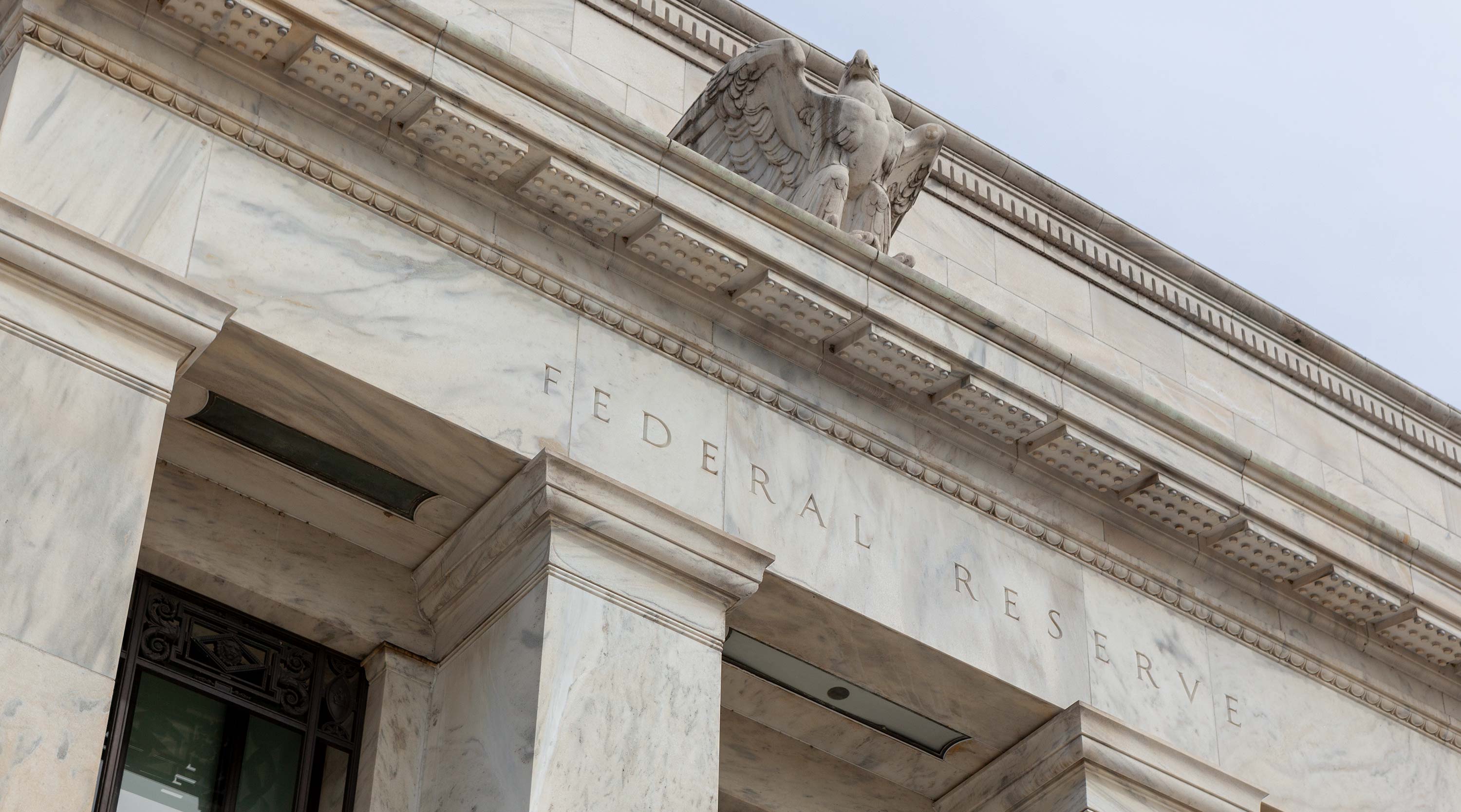

mortgage rates 7 percent 2026 is the clearest way to understand this developing story. The Federal Reserve raised its target range by 25 basis points to 3.75%–4.00% on September 16, its first increase since July 2023. Chair Kevin Warsh said inflation had remained too high for too long.
Freddie Mac’s September 17 survey put the 30-year fixed mortgage at 6.95%, up 19 basis points in a week. Mortgage Bankers Association data put the conforming contract rate at 6.97%, while live lender measures from Mortgage News Daily and Bankrate moved above 7%.
Purchase applications were down 19% from a year earlier, refinancing applications 65% lower and adjustable-rate mortgages reached 8.4% of activity. Sixteen of 18 Fed participants projected at least one more increase in 2026.
Why it matters
The seven-percent line is psychologically important but the payment math matters more. A higher rate changes the monthly cost of the same house, shrinking what a buyer can bid without changing income or down payment. It also locks existing owners into older low-rate loans and suppresses listings.
The headline number is only the beginning. Its significance depends on implementation, behavior and the choices institutions make after the announcement. That is why this report separates confirmed figures from scenarios and labels any unresolved claim plainly.
Who wins and who loses
Cash buyers and savers with strong yields gain bargaining power. Banks may earn more on new loans, although falling origination volume offsets that benefit. First-time buyers and would-be refinancers bear the clearest cost.
Distribution matters as much as the top-line outcome. Benefits can arrive quickly for well-positioned institutions while costs fall on households, workers, smaller firms or communities with less room to adjust.
The critics’ case
Warsh’s case is that inflation control protects household purchasing power. The opposing case is that monetary restraint is hitting housing supply and entry-level demand while doing little to fix energy-driven price pressure.
The counterargument is that waiting for perfect evidence can obscure a genuine change already visible in the reported numbers. The responsible reading is neither dismissal nor certainty: it is a dated assessment tied to the evidence available on September 23.
What happens next
The October 27–28 FOMC meeting is the next policy marker. Buyers should watch Treasury yields, lender spreads and inventory rather than assume that a Fed move passes one-for-one into mortgage rates.
Readers should expect the picture to change as official documents, follow-up data and implementation details emerge. Signal Post News will treat later revisions as updates, not force them into today’s snapshot.
Related coverage
Continue with our analysis of the Trump–Xi summit, the markets report on oil below $100, and the Federal Reserve rate decision explainer.
Sources
- foxbusiness.com: source reporting and reference material.
- www.linkedin.com: source reporting and reference material.
- www.credible.com: source reporting and reference material.
Reporting basis: Fixed September 23, 2026 snapshot. Signal Post News analysis is separated from sourced facts; unresolved or unconfirmed claims are labeled.