Key topics: Milan Fashion Week 2026 | Prada SS27 | Spring Summer 2027 fashion trends | MFW schedule
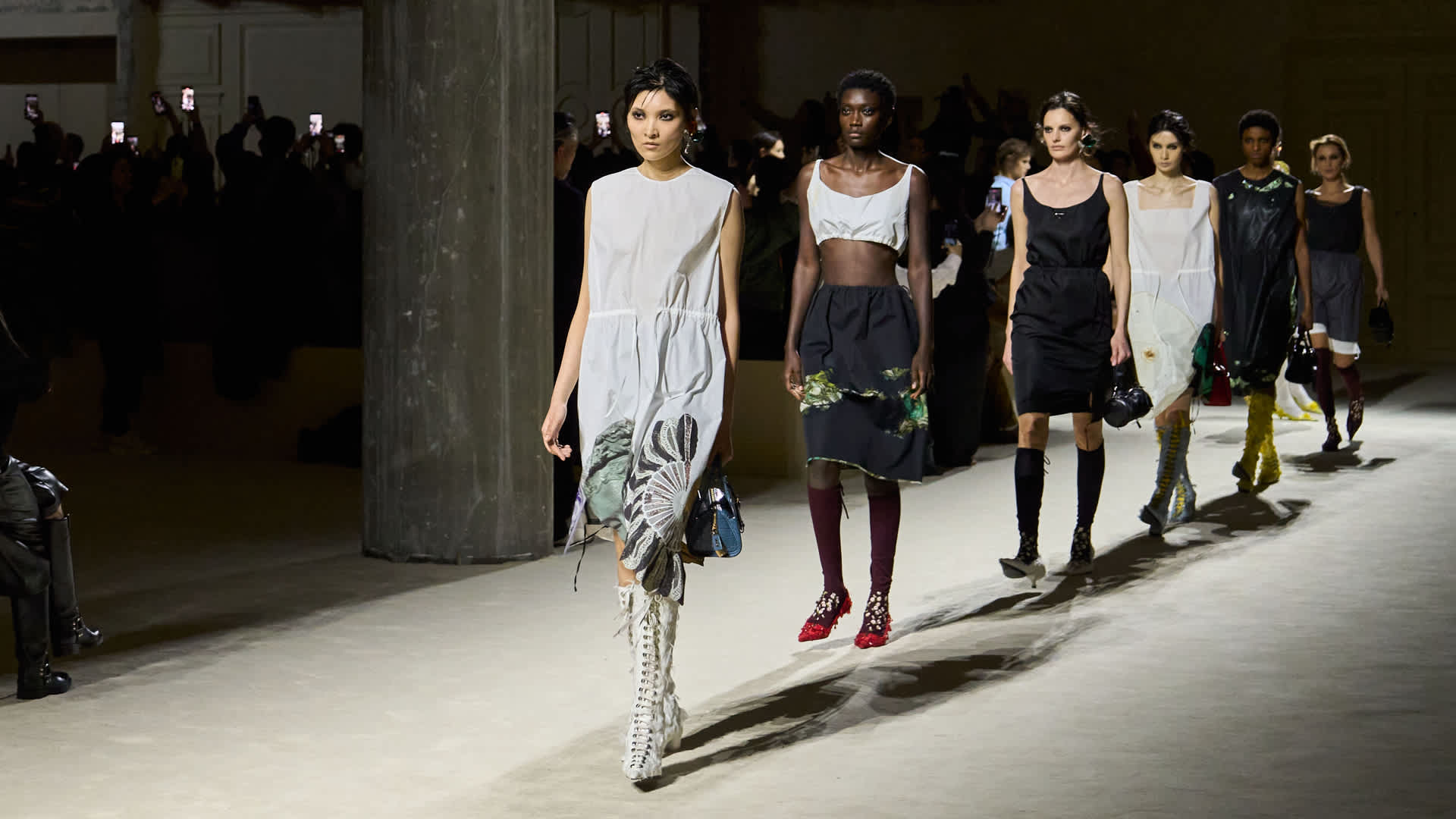
Milan Fashion Week opened on September 22 with Prada among the anchor names, beginning a Spring/Summer 2027 season shaped by tension between creative reset and commercial restraint. The runway will supply images; orders and customer behavior will decide whether those ideas travel.
What is at stake
Milan’s power comes from the connection between design and industrial capability. Leather goods, tailoring, knitwear and accessories can move from concept to global retail at scale. That makes the week a test not only of taste but of how houses translate a point of view into durable business.
Why this matters
Luxury consumers have become more selective after years of price increases. Aspirational buyers face tighter budgets, while top clients want rarity and service. A collection therefore has to communicate quickly online and reward close inspection in stores—two different design problems.
Prada’s role
Prada’s shows often set the week’s intellectual tone by placing familiar garments in uneasy combinations. The commercial effect is broader than any one runway look: silhouettes, color relationships and styling ideas are rapidly interpreted by retailers, competitors and mass-market brands.
Before and after
Past cycles rewarded logo visibility and rapid novelty. The current market puts more pressure on recognizable house codes, quality and pieces with longer wardrobes. That does not eliminate experimentation; it changes where risk can sit. A radical show may still need a disciplined accessories business behind it.
Winners, losers and critics
Houses with strong supply chains and clear identities can win both attention and sell-through. Independent labels gain credibility from a breakout show but bear higher production and financing risk. Buyers benefit from a more edited market. Consumers lose when “timelessness” becomes a justification for another price increase without better construction.
Critics will ask whether sustainability claims match production volumes and materials. They will also scrutinize casting, labor and the gap between spectacle and everyday wear.
What happens next
The first signal will be which ideas repeat across the week: proportions, fabrics, colors and the treatment of tailoring. The second comes later, in wholesale orders and red-carpet adoption. The third is harder but decisive: whether customers pay full price. Milan can declare a direction in four days; the market will spend months deciding if it believes it.
Reporting basis: Reuters fashion-week preview and the official Milan calendar cited in the September 22 brief.