Manchester City Guilty on 114 of 115 Premier League Charges
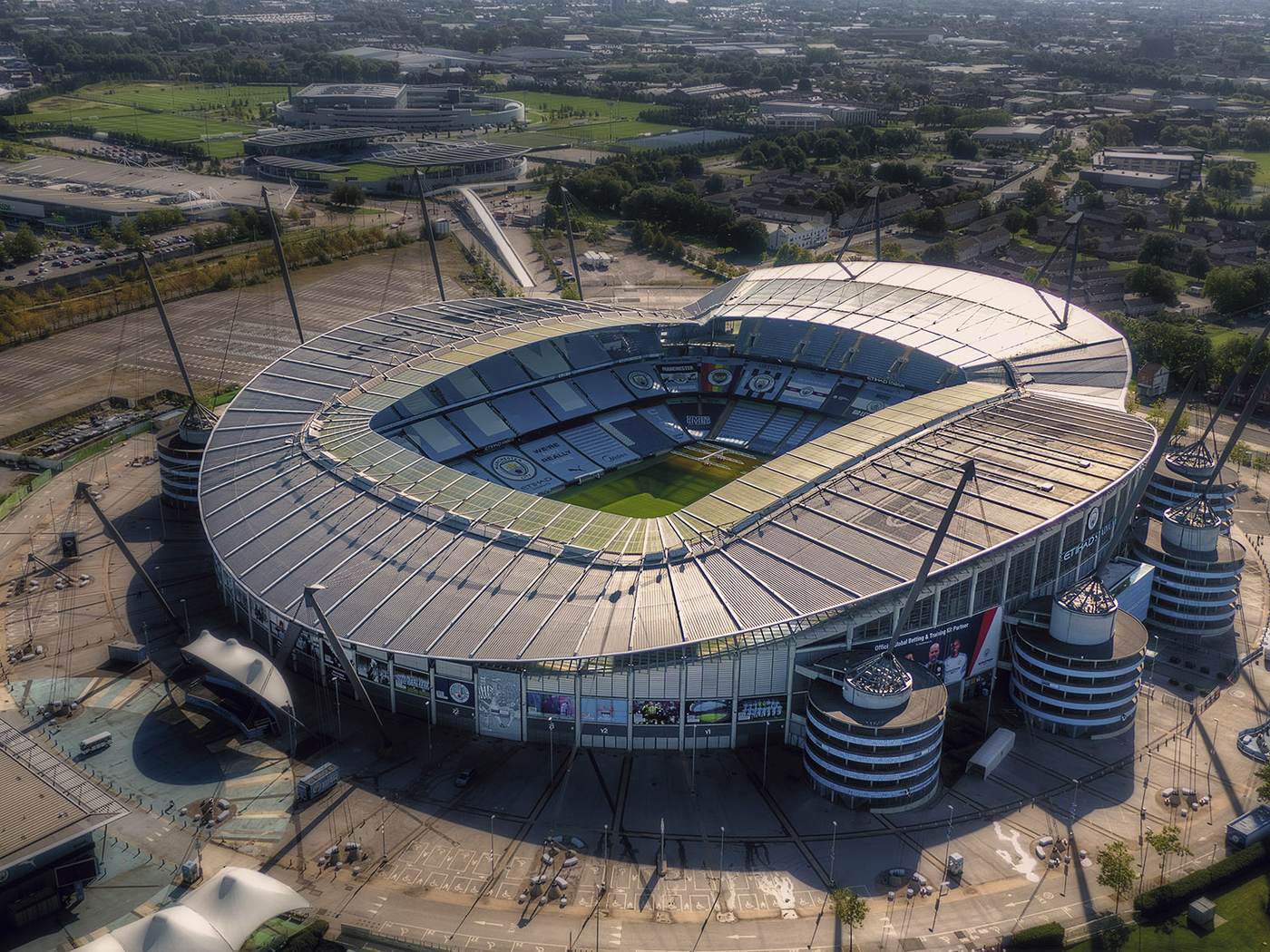
The reported finding is extraordinary in both breadth and consequence. The Athletic's David Ornstein first reported that the three-person independent commission found City guilty on 114 of the 115 alleged breaches, citing people briefed on the matter who spoke anonymously because they were not authorised to discuss the process publicly. The Times reported the same outcome. Reuters and CNN then carried accounts consistent with those reports. The Premier League declined to comment, pointing to the confidentiality of the process.
That distinction matters. This is not yet a published judgment with numbered findings, legal reasoning and a sanction. The one charge said to have been dismissed has not been identified. The reports offer the clearest account yet of the commission's conclusion, but until the league or the commission releases an official document, every description of the result must remain attributed. Manchester City told media on Friday that the inquiry “remains ongoing.”
If the reported result stands, the Manchester City 114 of 115 charges finding would be the most sweeping regulatory judgment in Premier League history. It would mean the commission accepted almost the entire case assembled by the league across financial reporting, payments, profitability rules and cooperation. Yet guilt and punishment are separate stages. Ornstein reported that “all options” remain available, and there is no confirmed timetable for sanctions.
The Premier League handbook allows an independent commission to impose measures including a points deduction, an unlimited fine and, at the extreme, expulsion from the competition. Those powers do not make every outcome equally likely. A commission must connect any penalty to the proved conduct, explain proportionality and withstand an expected appeal. The absence of a sanction on Friday is therefore not a technical footnote; it is the next contest in the case.
City's response was carefully framed around process rather than the reported numbers. “The Premier League process remains ongoing, with significant elements to be completed, and subject to strict confidentiality,” the club said in a statement carried by CNN and NBC Sports. It added that its position remained consistent with February 2023 and that the club had respected due process for eight years on the basis that the league's board and executive would act as “an independent, impartial and fair-minded regulator, free from partisan influence.”
That language leaves City room to challenge both the substance and the architecture of the case. The club has maintained since the charges were announced that it possesses a “comprehensive body of irrefutable evidence.” An appeal is expected. It could attack specific findings, the weight given to evidence, procedural fairness or the eventual sanction. A reported 114-count loss is devastating at first instance, but it is not immune from review.
How the case grew from leaked documents to 115 allegations
City financial investigation 2009–2018
The charges cover seasons from 2009–10 through 2017–18, a period that began soon after Sheikh Mansour's Abu Dhabi takeover transformed Manchester City's finances and competitive ambition. The allegations include inaccurate reporting of revenue, sponsorship and operating costs; failures to provide complete details of payments to managers and players; breaches of profitability and sustainability rules; and failures to cooperate with the league's investigation.
The chain began publicly in 2018, when Der Spiegel published reporting based on Football Leaks documents. The Premier League opened an investigation that lasted roughly four years before filing 115 charges in February 2023. City denied wrongdoing. What followed was a legal process largely invisible to the public: document disputes, submissions and preparation for a hearing that began on September 16, 2024.
The hearing ran for about three months, ending around December 2024. The case was heard by an independent commission of three judges appointed by the independent chair of the Premier League Judicial Panel. That structure is important because the league investigated and prosecuted the allegations, while the commission was supposed to decide them independently. City's statement now places the fairness and freedom from “partisan influence” of the broader process squarely in dispute.
Premier League chief executive Richard Masters acknowledged frustration over the delay on August 18, 2026. The wait reflected the scale of the evidentiary record and the legal stakes, but it also became a reputational problem. Every title race, transfer window and financial-rule debate carried an unresolved question: what would happen if the most successful club of the era were found to have broken the rules underpinning that success?
Why this is not simply a replay of the UEFA case
UEFA FFP, Man City and the CAS overturn in 2020
City's supporters and critics both return to the 2020 UEFA case, often for opposite reasons. UEFA barred City from European competition for two seasons and imposed a €30 million fine after finding that the club overstated sponsorship revenue. The Court of Arbitration for Sport overturned the ban, concluding that some alleged breaches were not established and others were time-barred. CAS retained a €10 million fine for failure to cooperate.
That history is relevant but not determinative. The Premier League case arises under different rules, covers a wider set of allegations and includes cooperation duties within the domestic competition. The league's limitation provisions and evidentiary framework are not identical to UEFA's. A time-bar issue that proved decisive in Lausanne cannot simply be pasted onto a different rulebook. Equally, the CAS decision warns against treating a first-instance result as beyond challenge.
The deeper lesson is that legal vindication and public legitimacy are not the same. City's 2020 victory removed the European ban, but debate over the underlying finances did not disappear. A club can win in court and still lose trust; a regulator can win a judgment and still appear arbitrary if its reasoning is opaque or its sanction inconsistent. Publication of a careful decision will matter almost as much as the headline count.
What 114 of 115 means in context
Premier League financial rules breaches at unprecedented scale
Everton and Nottingham Forest provide the nearest recent comparison only in the broadest sense. Everton received an eight-point deduction in the 2023–24 season across two profitability-and-sustainability cases, after one penalty was reduced from 10 to six on appeal. Forest received four points for a PSR breach. Those cases involved narrower accounting periods and acknowledged losses. City's case concerns a much larger alleged pattern and contested conduct over nearly a decade.
The number 114 is not itself a sentencing formula. Some charges may overlap, some may concern repeated reporting requirements and some may carry more weight than others. Without the written ruling, no outsider can responsibly multiply an Everton-style penalty by the count. Still, a near-total finding would make a token response difficult to defend. The league would have to explain how a sanction preserves deterrence when ordinary PSR breaches have already cost clubs points.
The charged period includes four of City's Premier League title seasons. That fact fuels demands from rival supporters for titles to be stripped or league tables rewritten. CNN noted retroactive points deductions as a theoretical possibility, not a prediction. Such a remedy would be the nuclear option: legally complex, operationally disruptive and incapable of replaying matches or redistributing every sporting and commercial consequence. A heavy current-season deduction while leaving historical titles intact may be easier to administer, but rivals could argue it fails to address the years in which the alleged advantage operated.
Who wins, who loses and why timing matters
Rival clubs gain confirmation that the league was willing to pursue its most powerful member through an eight-year process. Their owners and supporters will now demand a sanction that matches that institutional effort. If the punishment appears soft, the case could deepen cynicism rather than restore trust. If it appears excessive or politically calibrated, City's procedural objections will gain force.
City supporters face a different injury. For many, talk of removing titles feels like an attempt to rewrite lived history: goals scored, matches attended and championships celebrated. They will also point to the club's cooperation arguments and the 2020 CAS reversal as reasons to await an appeal. That emotional reality does not decide the rules case, but it explains why any retrospective remedy would divide English football for years.
The Abu Dhabi ownership faces reputational and commercial exposure beyond a fine. City's global project rests on elite performance, sponsorship strength and the credibility of a multi-club network. Broadcast partners likewise sell the Premier League as sport in which outcomes are unpredictable but rules are enforceable. A finding that the era's dominant team breached those rules tests the value proposition of the competition itself.
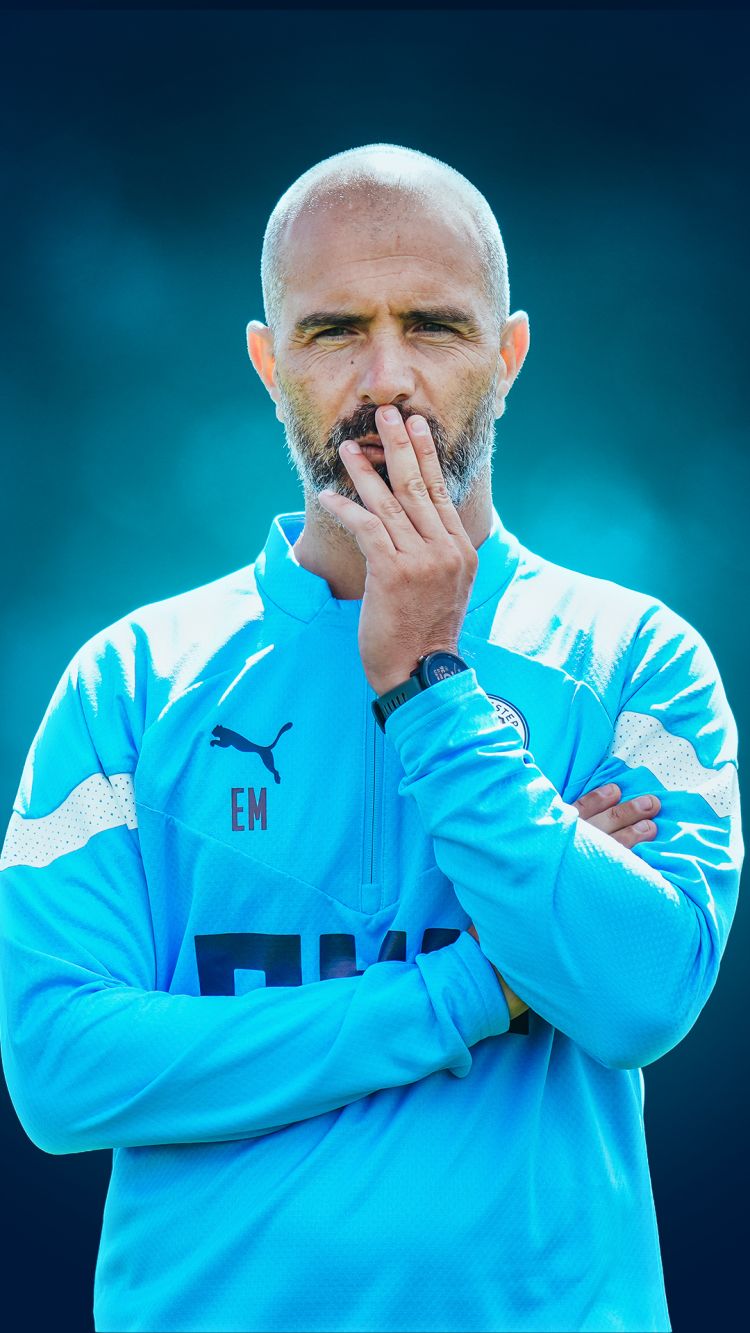
For Enzo Maresca, appointed on June 29 after Pep Guardiola left at the end of the 2025–26 season, timing is operational. A points deduction in 2026–27 would change objectives immediately. An expulsion threat would affect player contracts, recruitment and financing. An appeal that runs for months could leave Maresca planning two seasons at once: the one on the pitch and the one defined by lawyers.
What punishment could look like
Man City points deduction appeal
The most administratively direct sanction would be a substantial points deduction applied this season, potentially combined with a fine and future compliance conditions. That approach would punish the club within the current competition while avoiding the legal chaos of rewriting old tables. City would almost certainly seek to suspend any deduction during appeal, making timing as consequential as the number of points.
Manchester City expulsion from the Premier League
Expulsion is available in theory and would represent the league's maximum assertion of authority. It would also create immediate questions: which division could receive City, whether the English Football League would accept the club, how broadcast distributions would be recalculated and what happens to contracts drafted for top-flight football. The threat may carry leverage in settlement discussions even if commissioners conclude that a lesser sanction is proportionate.
A fine, suspended sanction or negotiated end
A large fine with a suspended sporting sanction could emerge if the appeal narrows the findings or if the parties reach a compromise. That would offer finality and reduce litigation risk, but it would be politically difficult after a reported 114-count verdict. Wealth makes monetary punishment look like a business expense unless paired with governance changes or sporting consequences.
“All options on the table” cuts both ways. It signals that nothing has been pre-decided, including the most severe measures. It also means predictions dressed as certainty are premature. The sanction phase must weigh the character and duration of the proved conduct, any competitive advantage, City's cooperation, precedent and mitigation. Then an appeal panel may revisit both liability and penalty.
The strongest arguments on both sides
The league's case for a severe response is straightforward. Financial rules are designed to make competition credible, not merely to produce accurate paperwork. If a commission accepted virtually every allegation after a lengthy hearing, allowing the result to end in a fine would tell smaller clubs that enforcement is toughest on those least able to absorb it. Everton and Forest would become unavoidable reference points.
City's case is that scale does not excuse unfairness. The club can argue that a long investigation, overlapping charges and institutional pressure from rivals created a process vulnerable to confirmation bias. Its statement's reference to “partisan influence” signals a potential challenge to how the Premier League board and executive conducted themselves. City may also contend that sponsorship valuations and commercial relationships were misread through hindsight.
Neither argument should be caricatured. Competitive integrity requires meaningful enforcement, and due process requires an independent regulator to prove its case under the rules in force at the time. The commission's written reasons—and the evidence an appeal panel accepts—will determine whether those principles reinforce each other or collide.
What happens next
First comes the sanction decision, unless the commission has already completed it under confidentiality. That could take weeks or months. The parties may receive a detailed judgment before the public does. The league must decide how much can be released without breaching process rules, while football waits for a decision that affects the current season.
Next comes City's expected appeal to an independent panel. That review could last months and may reduce the count, alter the sanction or uphold the ruling. The 2026–27 season could therefore be played under a legal cloud, with standings that carry an asterisk in the public mind even before any official deduction.
Three broad scenarios frame the next phase. In the first, the commission imposes a heavy current-season points deduction but leaves historical titles standing. In the second, an appeal trims findings and produces a financial penalty plus suspended sporting sanctions and tighter reporting. In the third, the league pursues the maximum threat, including expulsion, creating pressure for a settlement that avoids years of litigation.
The immediate discipline is simpler: separate what has been reported from what has been decided publicly. Sources briefed on the process say Manchester City lost 114 of 115 charges. The league has not announced that result. The punishment is unknown. City says major elements remain to be completed. Those four facts can coexist, and English football's most consequential regulatory case will be judged by how transparently the institutions explain what follows.
Sources and further reading
- Reuters — Man City found guilty of all but one of 115 charges, reports say
- Reuters — Timeline of Manchester City's road to the reported verdict
- CNN Sports — Reported verdict, City's statement and possible sanctions
- USA Today — Manchester City charges and punishment questions
- NBC Sports — Report and Manchester City's full response
Reporting cutoff: September 25, 2026. The verdict remains reported through sources briefed on a confidential process. No official commission ruling or sanction had been announced at publication. Forward-looking punishment scenarios are analysis, not established outcomes.