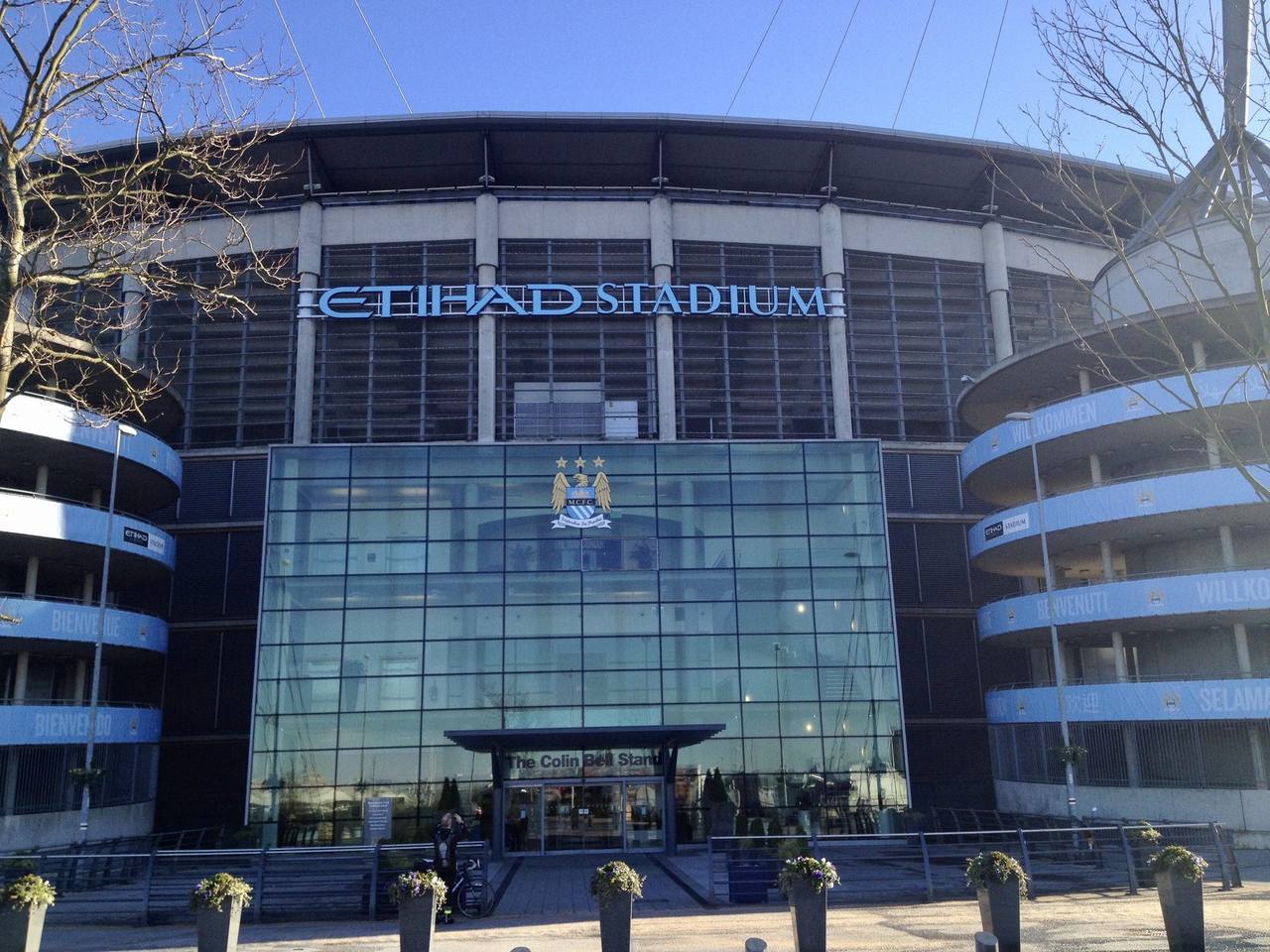
Manchester City have been found guilty of all but one of the 115 alleged breaches of the Premier League's financial rules, according to reports published Friday, in what would rank among the most significant rulings in the history of English football. The Manchester City found guilty 115 charges result was reported by The Athletic and The Times and carried by Reuters; BBC Sport also reported the development. The club is expected to appeal, and neither City nor the Premier League has officially confirmed the outcome.
The distinction between a reported verdict and an official judgment is essential. No written ruling has been published. The allegation said to have been rejected has not been publicly identified. No punishment has been announced. City says the process is still active, while the league has cited confidentiality and declined to comment. The immediate news is therefore a reported first-instance finding, not the final legal or sporting outcome.
What the reports say
Man City 115 charges verdict: 114 reported findings, no sanction yet
The Athletic and The Times, in accounts cited by Reuters on Friday, September 25, said the independent commission found City guilty on all but one of the 115 charges — effectively 114 findings against the club. The reports did not disclose the commission's reasoning or identify the single charge on which City was cleared. Sanctions have not been decided.
City responded with language focused on due process rather than the reported count. “The Premier League process remains ongoing, with significant elements to be completed, and subject to strict confidentiality,” the club said. It added that its position remained consistent with its February 2023 statement and that it had “diligently respected due process for eight years on the basis the Premier League board and executive would behave as an independent, impartial and fair minded regulator, free from partisan influence.”
The Premier League declined to comment, calling it a confidential process. City has denied wrongdoing throughout and is expected to appeal. Those positions matter because a commission's reported conclusion is only one stage: written reasons, a penalty and appellate review could all change how the case ultimately lands.
How we got here: an eight-year road to judgment
Abu Dhabi takeover, financial fair play and the 2023 referral
Sheikh Mansour's 2008 takeover transformed Manchester City from an ambitious English club into one of world football's dominant institutions. City has won eight Premier League titles since the takeover and added the UEFA Champions League in 2023. That sporting rise was matched by immense commercial growth — and by persistent scrutiny of how revenue, sponsorship and spending were recorded.
The public chain began in 2018, when Der Spiegel published reports based on Football Leaks documents alleging that sponsorship income had been inflated. UEFA later imposed a two-year ban from European competition and a €30 million fine in February 2020 after finding that City overstated sponsorship revenue. The Court of Arbitration for Sport overturned the ban later that year and reduced the fine, a result that became central to City's defence and to the wider argument over whether football regulators could enforce financial rules against the game's richest clubs.
The Premier League conducted a separate investigation lasting about four years. In February 2023, it referred City to an independent commission over alleged breaches covering seasons from 2009–10 through 2022–23. Among the most serious allegations was that City failed, season after season from 2009–10 to 2017–18, to provide accurate financial information giving a “true and fair view” of revenue — including sponsorship income — and operating costs. Other counts concerned payments, profitability rules and cooperation with the investigation.
City called the charges “surprising,” insisted it possessed a “comprehensive body of irrefutable evidence” and denied wrongdoing. A private hearing began on September 16, 2024, and ran for nearly three months before a three-judge panel appointed by the independent chair of the Premier League Judicial Panel. Friday's reports are the first public account of that panel's conclusion.
Why this matters
A Premier League independent commission ruling with consequences beyond City
This case is about competitive integrity at the top of the richest domestic league in world football. For years it hung over the Premier League like a storm that would not break. Rivals, supporters and regulators kept returning to the same question: was a decade of dominance built on a level financial playing field?
If the reported near-total verdict survives appeal, it would be the strongest demonstration yet that the league's financial rules can reach even its most powerful member. If City overturns major findings, it would reinforce the perception — hardened after the Manchester City UEFA ban was overturned by CAS — that complex enforcement cases are vulnerable to evidentiary, procedural or time-limit challenges. Either result will reshape the relationship between elite clubs, state-linked ownership and domestic regulation.
The stakes also extend to clubs already punished for narrower breaches. Everton and Nottingham Forest were docked points in 2023–24 under the league's profitability and sustainability rules. Their cases were not identical to City's, but supporters will inevitably compare speed, scale and proportionality. The league's credibility now depends not merely on imposing a severe penalty, but on explaining a penalty that is consistent, legally durable and connected to the conduct found.
Who wins, who loses
Rivals gain leverage; supporters inherit the uncertainty
Rival clubs gain vindication from the reported verdict, especially those that constrained spending or accepted sanctions under the same regulatory system. The Premier League could also gain authority if the ruling and any eventual penalty survive scrutiny. A credible process would signal that financial controls are more than an accounting exercise.
The immediate loser is City's reputation. A reported 114 adverse findings would sit in sharp tension with the club's public confidence in its evidence. Sponsors, players and prospective recruits must now consider a range of sporting and legal outcomes. City's supporters face the most emotionally difficult consequence: celebrations they experienced in good faith are being pulled into a case about accounting and governance in which they had no role.
Some reported analysis has explored what could happen if points were retroactively deducted from seasons covered by the case. Transfermarkt has noted a theoretical scenario in which Manchester United and Liverpool might gain three titles between them and Arsenal two. That is speculation, not a decision or an established consequence. No title has been reallocated, and stripping titles is only one of several outcomes discussed in coverage.
What the numbers actually imply
Why 114 of 115 is not a mixed verdict
A reported finding on 114 charges would be near-total, not a technical split decision. The number suggests that the commission accepted the league's case across almost every category put before it. That would be profoundly damaging even before any sanction is calculated, because the core dispute concerns whether financial submissions accurately reflected the commercial resources supporting City's success.
The charges extend across fourteen seasons, while City's eight league titles since the 2008 takeover define the modern English game. The overlap explains why discussion immediately moves from fines to points and trophies. Yet the breadth of the timeline does not establish the proper punishment by itself. A commission must distinguish the gravity of particular breaches, the seasons to which they relate, the harm caused and the weight of aggravating or mitigating factors.
The core sponsorship allegation goes to the mechanism by which modern super-clubs fund dominance. If upheld through appeal, it would suggest that the defining enforcement weakness of the financial fair play era was not a lack of rules but the delay and difficulty of applying them. If City succeeds on appeal, the lesson may be the opposite: regulators built a case too broad or too procedurally fragile to sustain.
What happens next: the scenarios
Premier League financial rules punishment remains undecided
First comes the sanctions phase. Coverage has discussed an unlimited fine, a points deduction, a suspended deduction, transfer restrictions, relegation to the Championship, expulsion from the competition and the stripping of titles. None has been decided. The commission's written reasoning and the classification of the breaches will be critical to understanding which options are realistic.
A Man City points deduction could be applied to a current or future season, potentially transforming a title race or European qualification battle. Relegation or expulsion would be more disruptive, affecting commercial contracts, player retention and the shape of the league itself. Title removal would reach backward into the record books and trigger arguments over whether trophies should be left vacant or reallocated. Each path carries legal and practical complications.
Manchester City appeal 115 charges: the next legal contest
City is expected to appeal within the Premier League's judicial process. The club could challenge individual findings, the interpretation of evidence, procedural fairness or the eventual penalty. The language of its Friday statement — particularly its reference to impartial regulation free from partisan influence — indicates that the legitimacy of the process itself may become part of the argument.
An appeal could stretch the dispute into 2027. It could leave the sanction in place, reduce it or overturn findings. Until an appellate decision is reached, any forecast about relegation, points or titles remains conditional. That uncertainty will shape transfer planning, sponsorship discussions and the league table long before a final legal answer arrives.
The precedent English football cannot avoid
Whatever punishment lands on City will become a benchmark for every future financial case. Everton's and Forest's deductions addressed far narrower sets of breaches. A commission now reported to have upheld 114 charges must explain why its sanction is proportionate not only within City's case, but across the league's recent enforcement history.
The reported verdict leaked into public view on a Friday night. The official judgment, sanction and appeal could take much longer. But the period in which England's biggest clubs could treat spending rules as an argument postponed to another season is ending. The final result may take years to settle; the pressure for transparent, timely and enforceable regulation is already here.