Madagascar plague
Madagascar Confirms New Plague Cases as 200 Contacts Are Placed Under Monitoring
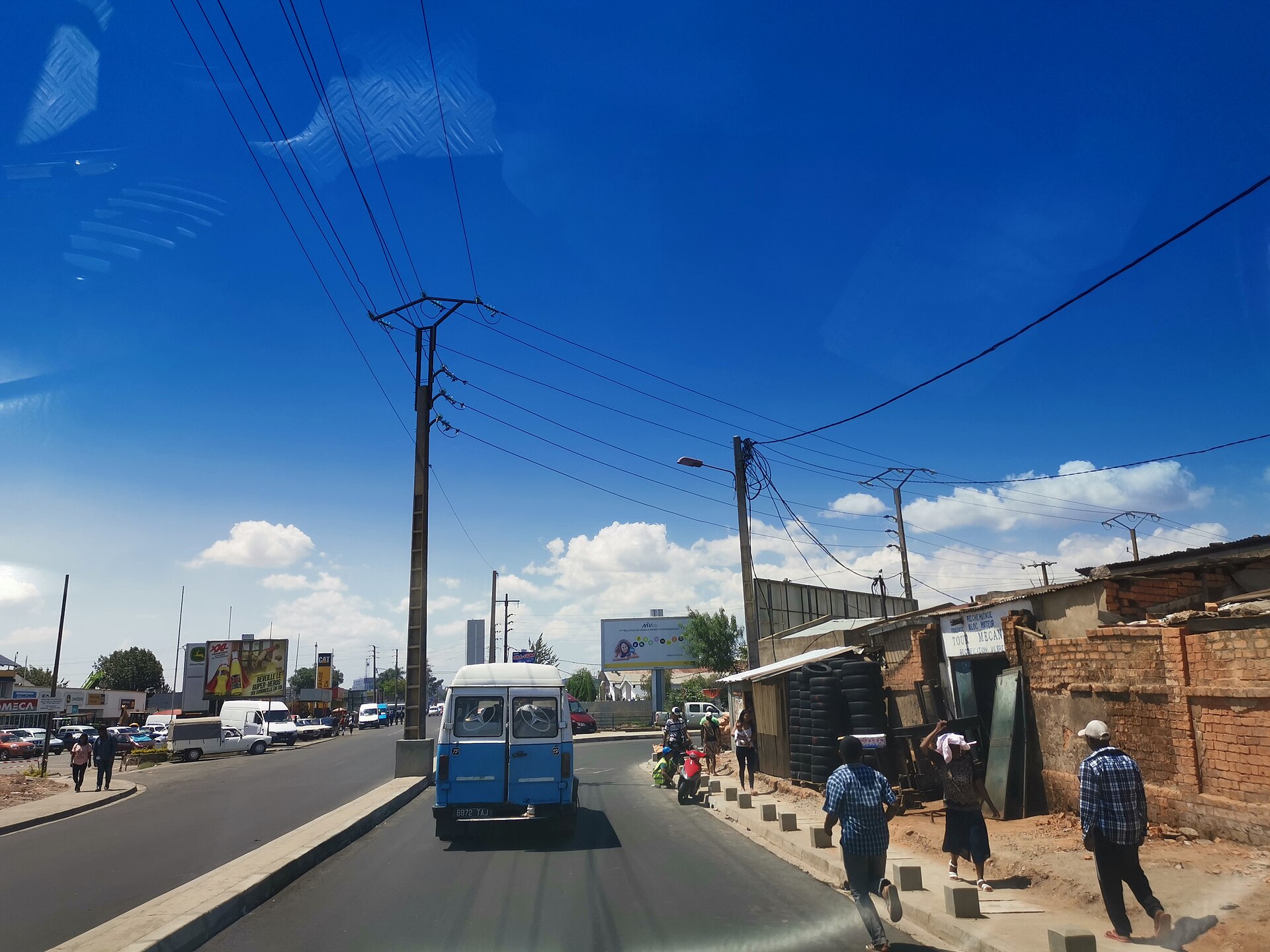
ANTANANARIVO, Madagascar — Madagascar has confirmed four cases of plague and is investigating five suspected cases, the Ministry of Public Health said on Tuesday, as health teams placed 200 contacts under close medical monitoring and moved to stamp out the fleas that carry one of the oldest diseases known to medicine. The confirmed cases were recorded in Ankazobe, Anjozorobe and Ambohimanarisoa, north of the capital Antananarivo, while the five suspected cases were detected in Midongy Atsimo District in the country's southeast, according to the ministry statement reported by Xinhua.
Track it live: Live outbreak tracker
What the ministry said
The numbers are small, and the ministry presented them as a situation under active management. The 200 contacts are under close medical monitoring and have received preventive treatment — antibiotic prophylaxis given to people who may have been exposed, so infection is stopped before symptoms start. The ministry said Madagascar entered a period of increased plague activity in late July, and that teams are identifying suspected cases, tracing contacts and spraying insecticide against fleas in and around the affected areas. It urged the public to stay vigilant and follow plague-prevention measures.
Two things the statement did not do are worth recording precisely, because they determine how serious this is. First, the report carried by Xinhua did not announce any deaths. Second, it did not specify the clinical form of the cases — whether they are bubonic plague, the flea-borne form that attacks the lymph nodes, or pneumonic plague, the lung form that can pass between people. That distinction is the single most important unknown in any plague cluster, and until the Central Plague Laboratory at the Institut Pasteur de Madagascar publishes results, the risk profile of these nine cases cannot be fixed. The statement also did not say whether the new cases connect to the separate cluster the World Health Organization reported in Moramanga district in August, where 14 pneumonic cases and 10 deaths had been recorded by August 30.
Why this matters
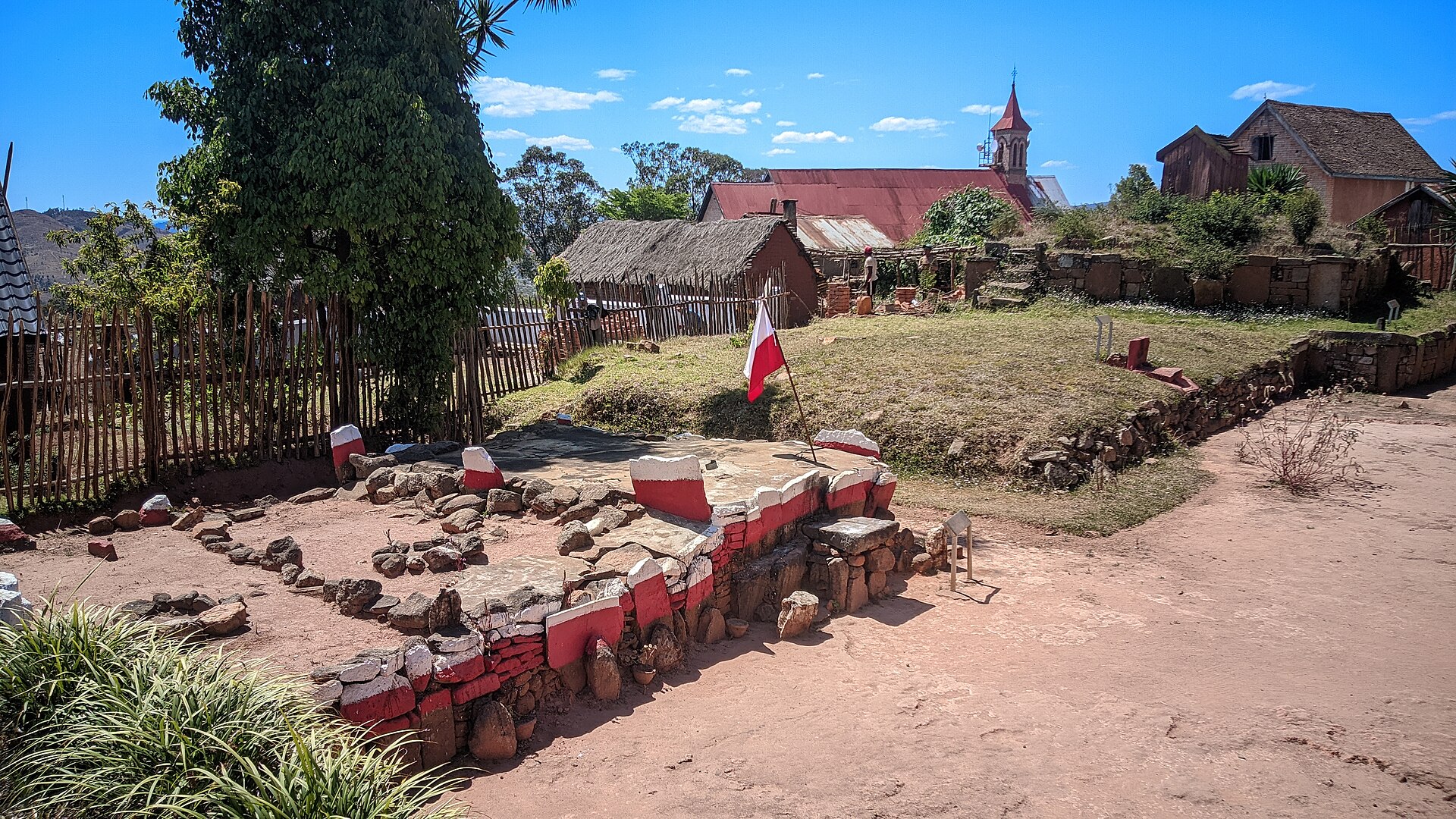
Plague in Madagascar is not an exotic surprise; it is a recurring season that the country's health system plans around every year. What makes any new cluster a breaking story is the combination of place and form. The confirmed districts sit in or near the central highlands, the island's long-established plague zone, where the bacterium circulates in black rats and their fleas and spills into people most often in the warmer, wetter months. Cases appearing in several districts at once, with a separate suspected group hundreds of kilometres away in Midongy Atsimo, test exactly the machinery — rapid diagnosis, antibiotics on hand, contact tracing, flea control — that decides whether a cluster stays at nine cases or becomes something else. The August Moramanga cluster, in which every confirmed case was pneumonic and ten people died, is the recent proof of how fast the calculation changes when the lung form is involved.
The wider stakes are about trust in the numbers. Madagascar reports more human plague than almost any country on earth, and its surveillance system is built to find cases early and say so publicly — as it did on Tuesday. A ministry announcing four confirmed cases and 200 contacts on preventive treatment is describing a perimeter, not a catastrophe. The figure to watch is whether any of those contacts, or the five suspected cases in the southeast, convert into confirmed pneumonic disease.
Is this the same as the Russia one?
Yes — with one correction to a misconception that follows this story everywhere. Plague is caused by a bacterium, Yersinia pestis; it is not a virus. The same bacterium is at the centre of the Russia case our readers have followed this month: in our report on the Irkutsk plague lab worker's death, 28-year-old Daria Shipilova, a technician at the Irkutsk Anti-Plague Institute in Siberia, was hospitalised with severe pneumonia on September 29 and died on October 1, after which roughly 200 of her contacts were placed under observation with no confirmed secondary cases. In that case, too, the form was never officially settled — pneumonic plague was suspected but unconfirmed — and Russian officials later denied that plague had been confirmed at all. The bacterium is identical; almost everything around it is different.
Start with the animal reservoir. In Siberia, Central Asia and Mongolia, Y. pestis persists in wild rodents — above all the tarbagan marmots of the steppe — and reaches people through flea bites or handling infected animals; Russia's anti-plague institutes run field expeditions into those natural foci. The Irkutsk case added an alleged laboratory exposure, with a broken test tube and a field expedition to Buryatia both reported and neither confirmed. In Madagascar, the reservoir is the black rat, Rattus rattus, living alongside people in highland towns and villages, and the fleas that move between rats and humans. Same microbe, different ecology.
The pattern differs just as sharply. The Russia episode was sporadic: a single disputed death in a remote region, a wide observation net, and no confirmed onward cases. Madagascar's plague is cyclical and expected — an endemic disease with a recognised season, generally running from September to April in the highlands, in a country that has built permanent institutions, from the Institut Pasteur's plague laboratory to district response teams, precisely because the bacterium returns every year. The risk profile follows from that. Russia's scare was about uncertainty — an unconfirmed form, an unexplained exposure, official denials. Madagascar's risk is about form and speed: if the cases stay bubonic and flea-borne, they are serious but containable with antibiotics and insecticide; if pneumonic cases appear in a town, the response clock shortens to hours.
The Black Death question
Every plague headline eventually meets the same search query: is plague the Black Death? The answer is yes. The Black Death of 1347–1351 — the pandemic that swept Europe in the 14th century — was caused by the same bacterium, Yersinia pestis. Historical estimates vary by region and method, but scholars commonly put the toll at roughly 30 to 60 per cent of Europe's population; those figures are estimates, not counts, and the variation between places was enormous. The bacterium has not changed into something else in the intervening seven centuries. What has changed is everything around the patient.
Medieval Europe had no antibiotics, no germ theory, no laboratories and no way to know that fleas and rats were the machinery of transmission. Modern plague is curable: the U.S. Centers for Disease Control and Prevention states plainly that plague can be cured with antibiotics, provided they are given promptly — which is why Madagascar's response centred on finding cases fast, treating contacts preventively, and killing fleas with insecticide. Add rapid laboratory confirmation, surveillance that flags a single suspected case at district level, and contact monitoring where the pneumonic form is a risk, and a bacterium that once emptied cities becomes a disease health systems usually contain in single digits. The 200 contacts under monitoring are that modern difference made visible.
Madagascar's long history with plague
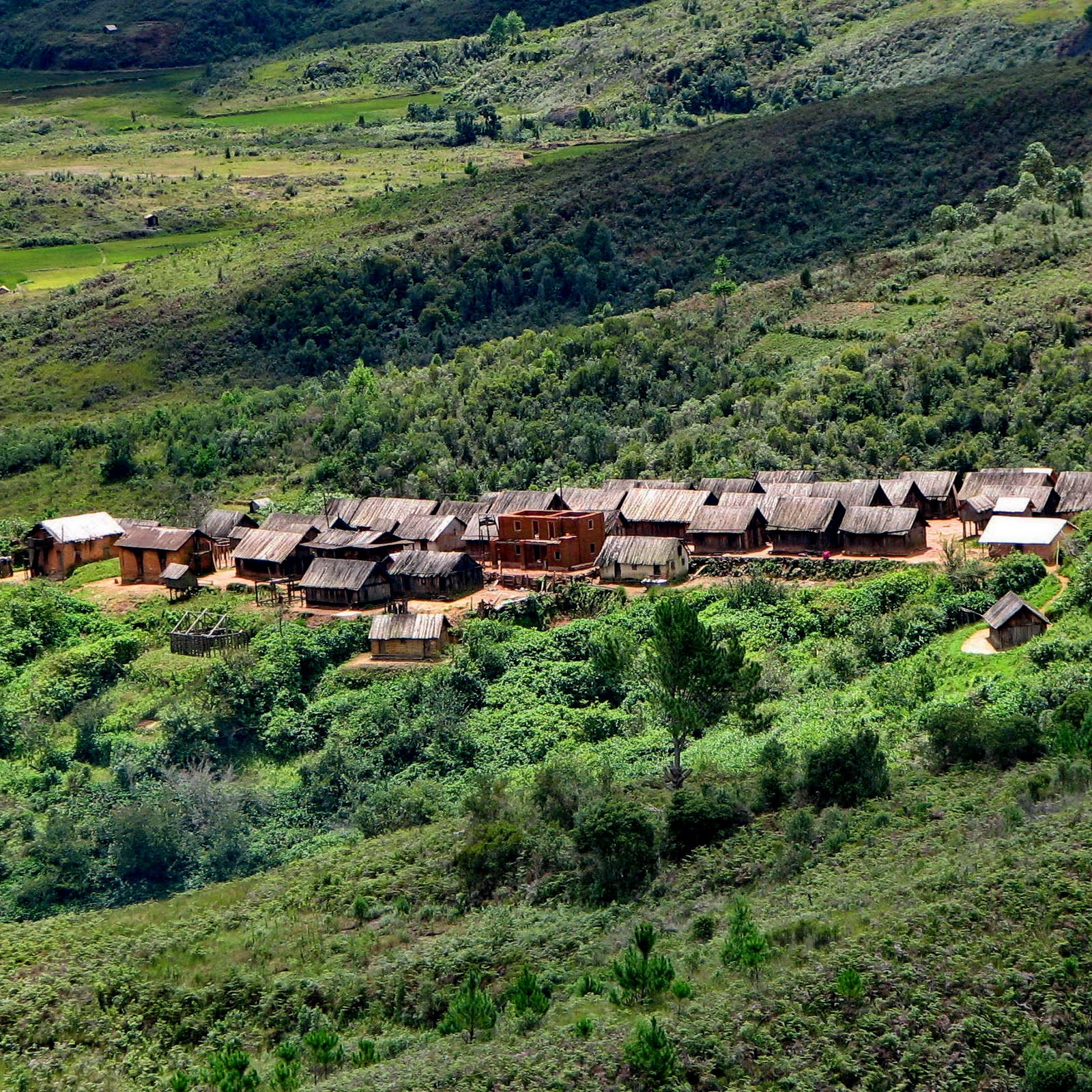
Plague arrived in Madagascar in 1898, at the port of Toamasina on steamships from India, and reached Antananarivo in 1921. It never left. The disease settled into the central and northern highlands, mostly above 800 metres, where the black rat and two flea species — the cosmopolitan Xenopsylla cheopis and the endemic Synopsyllus fonquerniei — sustain it between human cases. For most of the year the highlands record scattered bubonic cases; the season builds with the warm, rainy months. That long familiarity cuts both ways: Madagascar has some of the world's most experienced plague clinicians and its reference laboratory sits in the capital, but poverty, remote districts and delayed care still turn treatable cases fatal.
The benchmark every official in Antananarivo measures against is 2017. That year an outbreak that began in August broke the usual pattern: it was predominantly pneumonic — about 77 per cent of cases — and it reached the cities, including Antananarivo itself. By late November 2017, the ministry had reported 2,417 confirmed, probable and suspected cases and 209 deaths. It remains the modern warning of what plague can still do when the lung form gets into dense urban housing faster than the response. Nothing in Tuesday's statement resembles that scale — four confirmed cases against 2,417 — but 2017 is the reason a statement about four cases leads the news: officials are determined the small numbers stay small, and they say so early.
What happens next
Laboratory results should settle the form of the confirmed cases and whether the five suspected cases in Midongy Atsimo are plague at all; the 200 monitored contacts will either clear their observation period or produce the secondary cases that would change the story. Watch also for a World Health Organization Disease Outbreak News bulletin, which would independently fix the case definitions and dates, and for any cases outside the named districts. For travellers, the practical advice is the ministry's own: avoid flea bites, do not handle dead animals, and seek care immediately for sudden fever in an affected district. The bacterium is 700 years famous. The response, this time, began with nine cases and 200 watched contacts — which is what containing it is supposed to look like.
Sources
Xinhua, October 13, 2026: Malagasy Ministry of Public Health statement — four confirmed cases (Ankazobe, Anjozorobe, Ambohimanarisoa), five suspected cases (Midongy Atsimo District), 200 contacts monitored and given preventive treatment, response measures. World Health Organization: plague fact sheet, and Disease Outbreak News on the August 2026 Moramanga cluster. U.S. Centers for Disease Control and Prevention: About Plague; and Emerging Infectious Diseases, "Trends of Human Plague, Madagascar, 1998–2016" (1898 introduction, highland endemicity, reservoirs). WHO Madagascar Plague Outbreak External Situation Report #14, December 4, 2017 (2,417 cases, 209 deaths). Signal Post News: Siberia Plague Outbreak: Lab Worker's Death Puts 200 Under Observation.