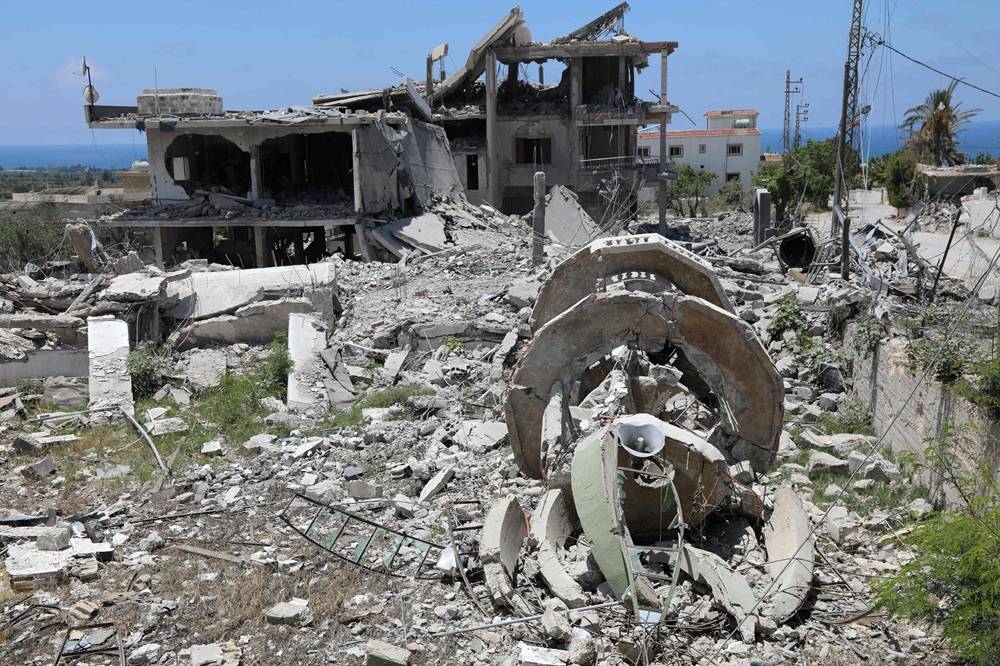
Lebanon Tampa talks on Israeli attacks: a Lebanese military delegation will present Beirut's demands for an end to Israeli attacks in Lebanon at a trilateral meeting in Tampa, Florida, on October 20, the Lebanese presidency said in a post on X on Saturday, October 17, 2026.
Lebanon / A military delegation, a stalled deal — and a deadline in Florida
Track it live: Middle East war tracker · Live Global Wars tracker
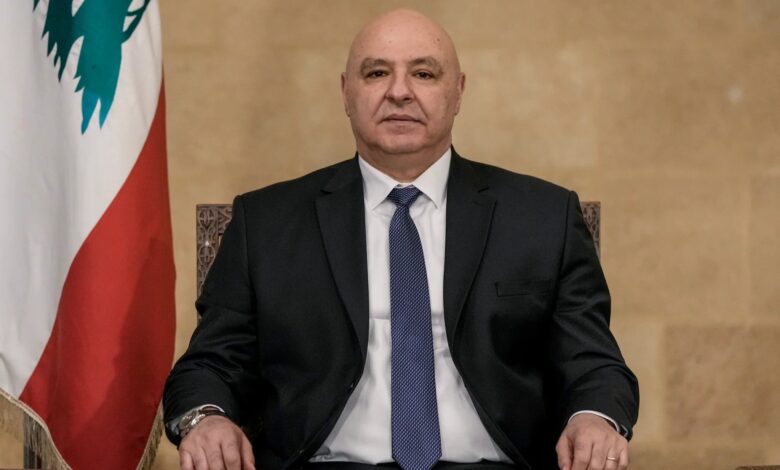
A Lebanese military delegation will present Beirut's demands for an end to Israeli attacks in Lebanon at a trilateral meeting in Tampa, Florida, on October 20, the Lebanese presidency said in a post on X on Saturday, Reuters reported. President Joseph Aoun said Lebanon would seek outcomes in line with the framework agreement, according to the same reporting carried by AnewZ's live coverage of the announcement.
Lebanon and Israel have held a number of direct talks in recent months, aimed at ending hostilities since a new war erupted on March 2 between Israel and the Lebanese armed group Hezbollah, triggered by the wider regional conflict, Reuters reported. Saturday's announcement puts a date, a place and a delegation type — military, not only diplomatic — on the next round.
What the June 26 framework agreement promised — and why it stalled
Under the deal reached through US-brokered Israel-Lebanon talks and signed on June 26, Beirut vowed to disarm Hezbollah, which would in turn lead to Israeli troops gradually withdrawing from Lebanon, Reuters reported. Lebanon and Israel announced the framework in Washington: Israel would withdraw gradually from southern Lebanon, the Lebanese army would assume control of vacated areas, and Hezbollah and other non-state armed groups would be disarmed.
Implementation has stalled on the same circle that has blocked every Lebanon arrangement for decades. Hezbollah has refused to disarm as long as Israeli forces remain on Lebanese land, and Israel has continued striking southern Lebanon, Reuters reported. Beirut, for its part, says continued Israeli land-clearing operations and attacks on southern border towns themselves violate the June 26 framework — President Aoun has accused Israel of targeting the course of the agreement and undermining efforts to stop the escalation, in comments carried by Lebanon's National News Agency and reported by Anadolu.
Why this matters
Tampa matters for three reasons that go well beyond one meeting. First, the format: sending a military delegation signals that Beirut wants to talk about implementation mechanics — zones, sequencing, verification — not only principles. The June framework already created pilot-zone concepts south and north of the Litani River in earlier reporting; what it has never produced is a sequence both sides actually follow. A military table is where sequencing either happens or visibly fails.
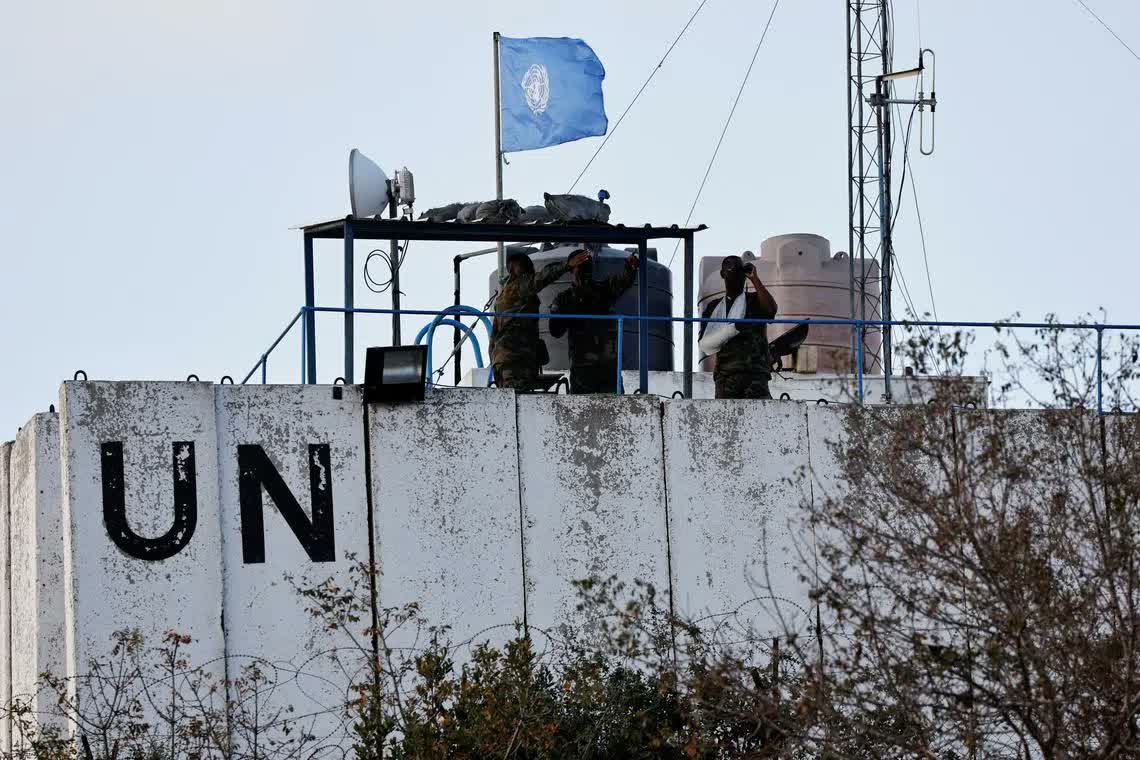
Second, the clock. UNIFIL, the UN peacekeeping force in southern Lebanon since 1978, is preparing to end its mandate on December 31, 2026, after the Security Council decided in August 2025 to close the mission and begin a gradual drawdown within a year. UN peacekeeping chief Jean-Pierre Lacroix was in Beirut this week discussing Resolution 1701 implementation and post-UNIFIL options, and Lebanese officials told him a third-party presence is necessary to prevent uncontrolled escalation between the Israeli and Lebanese armies. Foreign Minister Youssef Raji affirmed on Friday that Lebanon wants an international force to remain in the south after UNIFIL leaves. If Tampa produces nothing, the south approaches the UNIFIL deadline with no agreed successor arrangement — the vacuum Lebanese officials say they fear most.
Third, the human arithmetic. Since March 2, the war has left more than 4,000 dead, 12,000 wounded and more than one million displaced, according to Lebanese authorities cited in regional reporting. Those figures are Lebanon's official count and are reported here as such; Israel says its operations target Hezbollah, which it holds responsible for attacks on northern Israel. Either way, every month the framework stays stalled is a month in which those numbers grow and in which displaced families from southern villages cannot go home.
Who benefits, who loses — and what each side is really asking
Beirut's demand in Tampa is stated plainly: an end to Israeli attacks. But its underlying ask is sequencing — withdrawal and a halt to strikes first, or at least in step with army deployment, rather than disarmament of Hezbollah as a precondition the Lebanese state cannot deliver by force without risking internal conflict. Israel's position, as it has stated it throughout the talks, is the reverse order: Hezbollah's weapons are the threat, and strikes continue while that threat remains. The United States, which brokered the June deal and hosts this round on its own soil in Florida, has pressed Lebanon to move faster on disarmament while also sponsoring the framework Israel is accused of violating.
Hezbollah, notably, is not at the table — yet its refusal to disarm while Israeli forces remain is the fact every delegation in Tampa has to work around. That is the structural weakness of the whole process: the armed actor whose weapons are the subject of the agreement is not a signatory to it.
What happens next
The October 20 meeting will be judged on specifics, not communiqués: a dated halt-to-strikes commitment, a named withdrawal sequence, a decision on who patrols the south after UNIFIL, or none of those. France is running a parallel track — its foreign and armed-forces ministers were in Lebanon on October 17–18 for talks on the future international presence and army support, according to AFP reporting — so Tampa is one of two rooms where the post-UNIFIL south is being decided this week.
If Tampa deadlocks, the pattern of the last four months continues: strikes in the south, a framework agreement that exists on paper, and a December 31 deadline arriving with no replacement force agreed. If it produces even a partial sequence — a strike pause tied to army deployment in a pilot zone — it would be the first measurable implementation of the June 26 deal. Signal Post News will follow the October 20 meeting and update this coverage as outcomes are announced.
Sources: Reuters, October 17, 2026 — Lebanon says military delegation will press for halt to Israeli attacks at US talks (syndicated via SRN News, KELO-FM and other Reuters wire carriers); Lebanese presidency post on X, October 17, 2026, as reported by Reuters; AnewZ live coverage, October 17, 2026 (Aoun statement on seeking framework-consistent outcomes); UN reporting on Lacroix visit and UNIFIL mandate end, October 2026; AP via SRN News, September 2026, on the June framework and Paris talks. Casualty and displacement figures are those of Lebanese authorities, as cited in regional reporting.