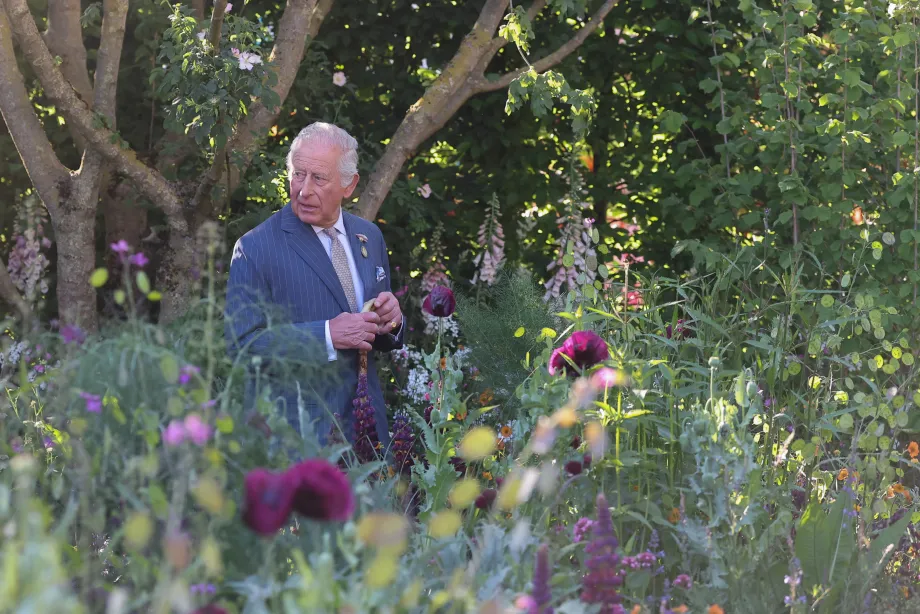
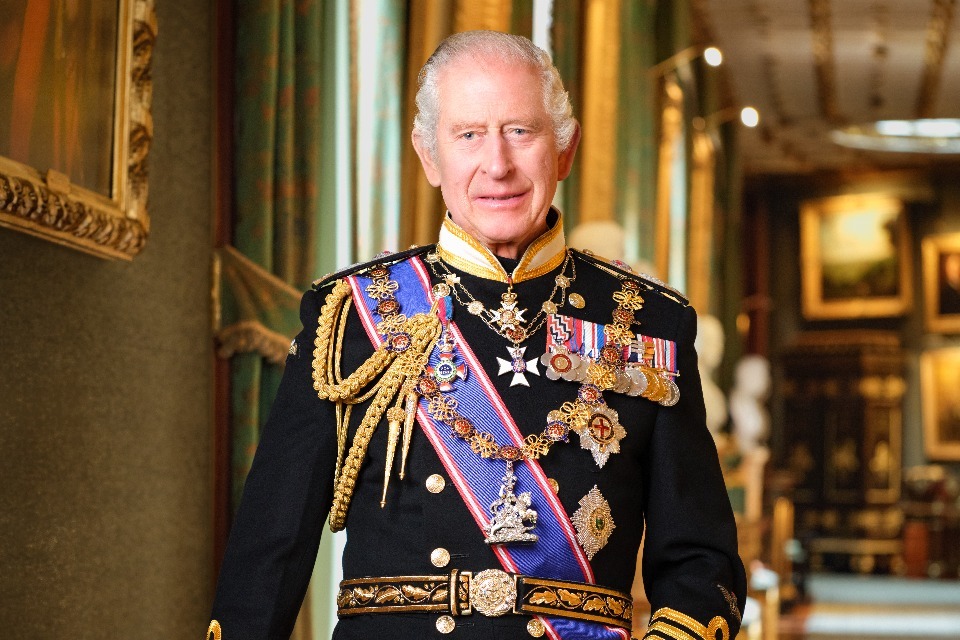
King Charles’s environmental record began before he became King. The Royal Family says he delivered his first major speech on the environment in 1970, warning about pollution at a time when disposable plastics and ecological limits were far less prominent in public debate. Over the following five decades, the subject became one of the defining threads of his work as Prince of Wales.
His central argument has been consistent: economic and social development should work with nature rather than treat it as an unlimited store of resources. He has connected climate, soil, water, forests, oceans, agriculture, architecture and community design — an approach now often described as systems thinking.
From speeches to institutions
Charles did more than deliver speeches. He used his position to convene business leaders, scientists, charities and public officials, and he helped create organizations intended to continue beyond a single event. The Prince’s Accounting for Sustainability Project, founded in 2004, sought to make environmental and social risks visible in financial decision-making.
The Campaign for Wool, launched in 2010, linked farmers, fashion and natural materials. His countryside work focused on the resilience of rural communities. These projects varied in scale and method, but they shared a belief that environmental arguments become more durable when connected to livelihoods, finance and the design of everyday systems.
The Sustainable Markets Initiative
In 2019, Charles created the Sustainable Markets Initiative with support from the World Economic Forum. Its aim was to accelerate the transition toward sustainable markets and a decarbonized global economy by bringing together leaders in business, investment and government.
The Terra Carta, announced in 2021, gave that effort a charter centered on nature, people and the planet. The language is ambitious, and ambition requires scrutiny. The value of a convening initiative depends on measurable commitments, transparent progress and whether participants change capital allocation and operations rather than simply endorse a principle.
The distinctive feature of Charles’s environmental work is not one campaign but the attempt to connect nature with finance, farming, design and culture.
Using estates as a test bed
Official sustainability material from his years as Prince of Wales described solar panels, biomass boilers, heat pumps, renewable electricity, water reuse and efforts to reduce waste across the household. It also recorded the complexity of royal travel, where security, diplomacy and logistics can conflict with emissions goals.
Those examples are useful only when read with dates and boundaries. Household measures do not settle the footprint of an institution, and balancing emissions is not the same as eliminating them. The stronger standard is clear reporting: total emissions, sources, reductions achieved and the quality of any offset or forestry project.
Why architecture belongs in the same story
Charles has long argued that sustainability includes how places are built. Compact communities, durable materials, walkability, local character and access to nature can affect energy use and quality of life for decades. His interventions in architecture have often been controversial because aesthetic preference, planning power and environmental performance are different questions.
The useful part of the debate is the life-cycle view. A building’s carbon cost includes materials, construction, operation, maintenance and eventual reuse or demolition. A place can look traditional and perform poorly, or look modern and age badly. Environmental design should be tested by energy, resilience, accessibility and how people actually use it.
Advocacy changed when the Prince became King
As Prince of Wales, Charles could speak with a degree of personal advocacy. As sovereign, he must preserve political impartiality. Climate science and conservation are not owned by one party, but specific taxes, regulations and spending choices are political. The King’s safer constitutional tools are convening, recognition, patronage and attention to practical work.
This shift does not make the environmental record irrelevant. It changes how influence is exercised. A head of state can bring people into the same room, highlight a model project and sustain attention across electoral cycles, but should not replace democratic debate or present private access as public accountability.
How to evaluate the legacy
Three questions matter. First, did the work identify problems early? On plastic pollution, soil health and climate risk, the record shows sustained attention. Second, did it build institutions capable of action? Initiatives such as A4S and Sustainable Markets were designed to reach professional networks beyond the Palace. Third, are outcomes measured independently? That is where readers should look past speeches to published targets, audited results and changes in practice.
King Charles’s environmental influence is therefore best understood as agenda-setting and coalition-building. It does not substitute for law, science or democratic policy. Its significance lies in using an unusual public platform to keep ecological limits connected to decisions about money, land, buildings and community life.
Why this matters
Charles’s environmental record gives the monarchy unusual credibility and unusual risk. Long attention can normalize issues before they become mainstream, yet the sovereign must avoid appearing to direct elected policy. The value now lies less in advocacy headlines than in convening institutions without confusing influence with mandate.
How we got here
Environmental concern moved from the political margins to corporate and governmental strategy over the five decades of Charles’s public involvement. Ideas once mocked—organic farming, biodiversity and climate risk—became ordinary policy language. That history shows foresight, but it also means current claims should be judged against outcomes rather than the novelty of having spoken early.
Who benefits, who loses and what critics say
Conservation groups and sustainability initiatives benefit from royal attention and access. Businesses can gain legitimacy through association, which creates a risk of greenwashing if commitments lack measurement. Critics object to unelected influence; supporters see convening power used for a public good. Transparency about participants, targets and results is the only durable answer to both.
What the comparison implies
Five decades of advocacy provide longevity, not automatic impact. The relevant comparison is between pledges and independently measured changes in finance, land use or emissions. A high-profile summit may reach millions, but a smaller initiative with audited outcomes can matter more. Time in the field raises the evidentiary standard rather than lowering it.
What happens next
As king, Charles is likely to speak more cautiously and work through foundations, convenings and symbolic leadership. The strongest scenario converts visibility into measurable collaboration; the weakest supplies reputational cover without delivery. Watch published targets and follow-up reports rather than the number of speeches.
Primary sources: The chronology of the King’s environmental advocacy and household practices comes from The Royal Family’s sustainability record. Initiative dates and purposes were checked against its official initiatives overview.