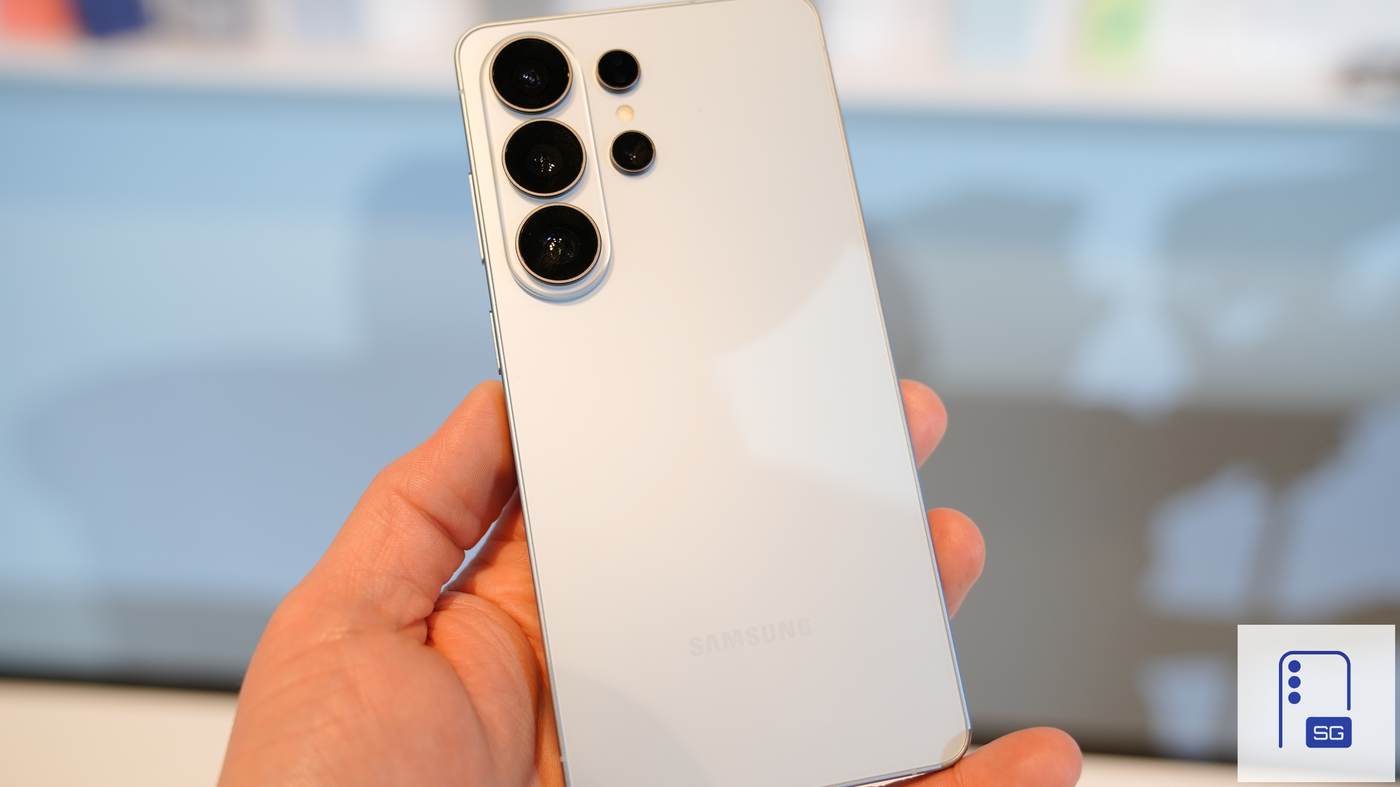
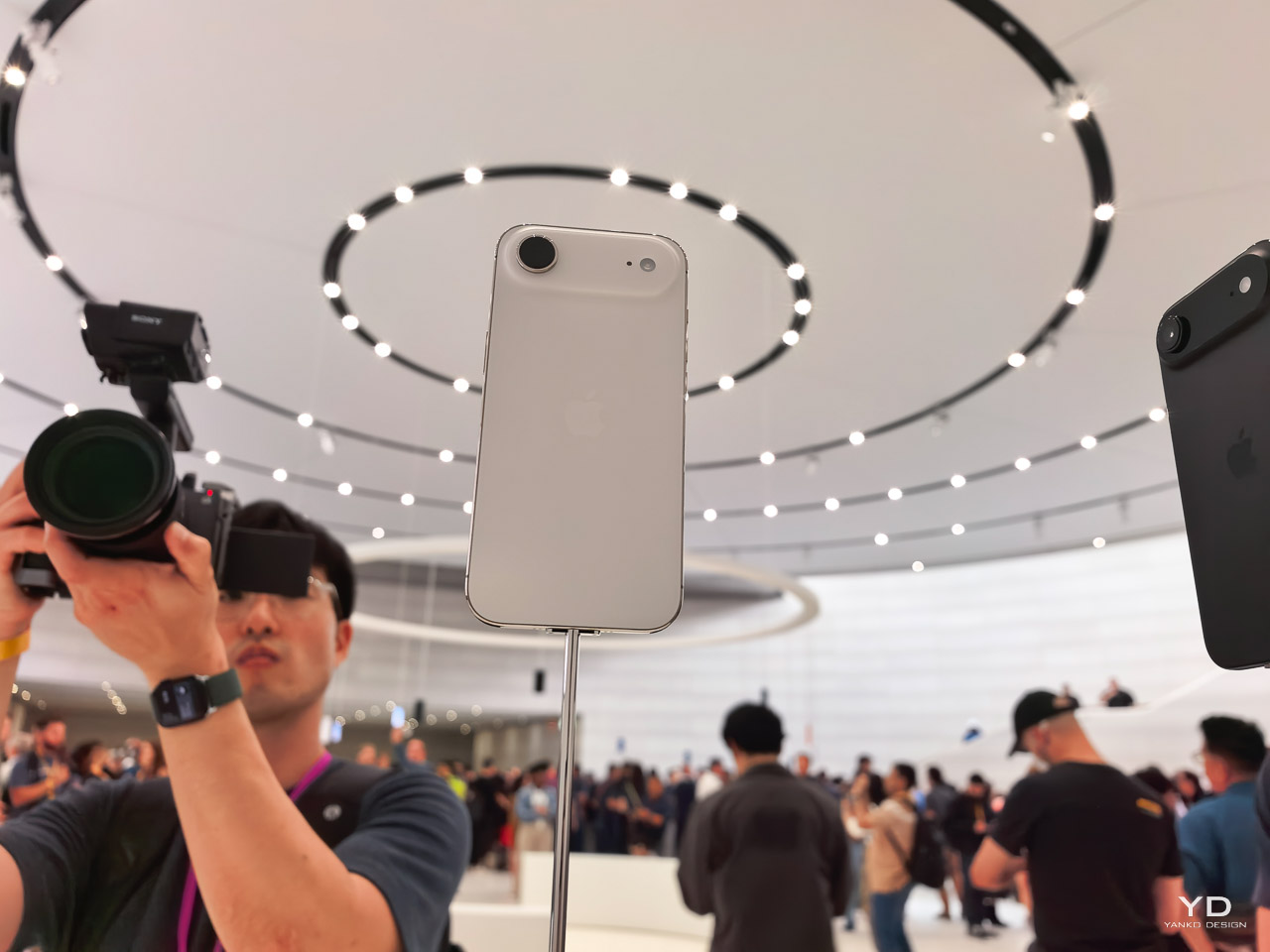
The iPhone 18 Pro Max and Galaxy S26 Ultra are separated by ninety-nine cents at their U.S. starting prices: $1,299 from Apple and $1,299.99 unlocked from Samsung. That makes the comparison unusually clean. Neither is the budget choice. Both must justify themselves through the work they make easier over several years.
Start with the operating system
An iPhone works most naturally with Apple Watch, AirPods, iCloud, iMessage, AirDrop and a Mac. The Galaxy works most naturally with Android services, Samsung’s connected devices, Windows integrations and a broader range of default-app choices. Switching is possible, but the cost includes learning, subscriptions, accessories and family communication — not only the phone.
If you regularly hand off files to a Mac or depend on Apple Watch, the iPhone has a practical advantage. If you need deeper interface customization, a built-in stylus workflow or Android’s flexibility around defaults and file handling, Samsung has the stronger case.
Camera philosophy: control versus reach
Apple’s 48-megapixel Fusion Main camera now emphasizes deliberate control: variable aperture, manual shutter speed, white balance and a live histogram. Samsung’s S26 Ultra listing highlights a 200-megapixel main camera, and the Ultra line is built around multiple focal lengths and long-range framing. The number alone does not decide image quality; sensor behavior, lens choice, processing and the subject all matter.
Choose Apple if consistent video, color continuity across a familiar workflow and new manual controls matter. Choose Samsung if long-range flexibility, the S Pen as a remote or annotation tool and extensive shooting options fit how you create. In either case, inspect full-resolution samples in difficult light rather than relying on bright launch images.
Performance should be judged under sustained use
Apple says the A20 Pro’s GPU is up to 40 percent faster than A19 Pro, with a vapor chamber three times the previous surface area and up to 40 percent better sustained performance. Samsung’s official listing confirms its Snapdragon platform and 120Hz display. Benchmarks can describe a moment; editing video, gaming for an hour and using navigation in heat reveal whether performance stays comfortable.
For most people, both phones are far beyond the threshold for messaging, maps, browsing and photography. The more useful question is whether a favorite game, editing app, workplace tool or accessory has better support on one platform.
Battery claims are not directly comparable
Apple claims up to 45 hours of video playback for the iPhone 18 Pro Max. Samsung and independent reviewers use different tests, so avoid comparing unlike numbers as if they came from one laboratory. Look for reviews that hold brightness, network conditions, camera use and workload constant.
Charging also depends on the compatible adapter and temperature. A fast peak matters less than a routine that works: overnight charging, a short top-up before leaving or power during travel. Include the cost of any charger you do not own.
Value includes resale, repair and accessories
Compare trade-in offers only after reading inspection rules. Check screen-repair pricing, coverage deductibles, local service availability and the cost of a case. A $100 promotional advantage can disappear after accessories or a plan change.
Keep the phone at least three years if possible. Over that period, ecosystem fit and daily comfort dominate small benchmark wins. Hold both devices in a store, test typing, reach the top corners and open the camera quickly. Ergonomics cannot be settled by a specification table.
At equal prices, the best flagship is the one that removes friction from your actual devices, apps and habits.
Who should buy which
Choose iPhone 18 Pro Max if you are invested in Apple’s ecosystem, want Apple’s new manual camera controls, prioritize its long video-playback claim or rely on iPhone-focused creative workflows.
Choose Galaxy S26 Ultra if the built-in S Pen, Android customization, Samsung’s Privacy Display or the flexibility of its camera system will be used regularly. Do not choose either solely because it has the larger number in one specification.
Why this matters
At similar flagship prices, this is a comparison between systems of convenience rather than isolated hardware. The phone determines how messages, photos, wearables, computers and services fit together. Switching cost can be rational, but it can also hide weak value by making departure feel harder than another upgrade.
How we got here
Apple and Samsung converged on premium materials, large displays and multi-camera systems after years of borrowing and differentiation. The rivalry now turns on software philosophy, ecosystem integration and specialized features more than basic competence. That resembles the mature automobile market: most flagships work, so ownership experience and service become decisive.
Who benefits, who loses and what critics say
Consumers benefit from sustained competition in cameras, displays and support. Platform loyalists gain continuity but lose negotiating leverage if they stop comparing alternatives. Review culture can exaggerate tiny benchmark gaps; critics are right that both devices exceed ordinary needs, though accessibility, repair and specific workflows still produce meaningful differences.
What the comparison should measure
Equal starting prices do not mean equal total cost once storage, trade-in, accessories and resale are included. Camera comparisons should count consistency across lenses and motion, not one ideal photograph; battery tests should reflect the same network and brightness. The relevant past-versus-present question is whether this generation fixes a real limitation in the user’s current phone.
What happens next
Both brands will push AI features deeper into everyday tasks, making privacy, reliability and cross-app support more important than demo novelty. A strong competitive cycle lowers friction and extends support; a weak one locks useful features behind subscriptions or proprietary accessories. Buyers should wait for independent endurance, camera and repair testing before treating launch claims as settled.
Primary sources: Apple’s official iPhone 18 Pro announcement and Samsung’s official Galaxy S26 Ultra U.S. product listing, checked September 17, 2026.