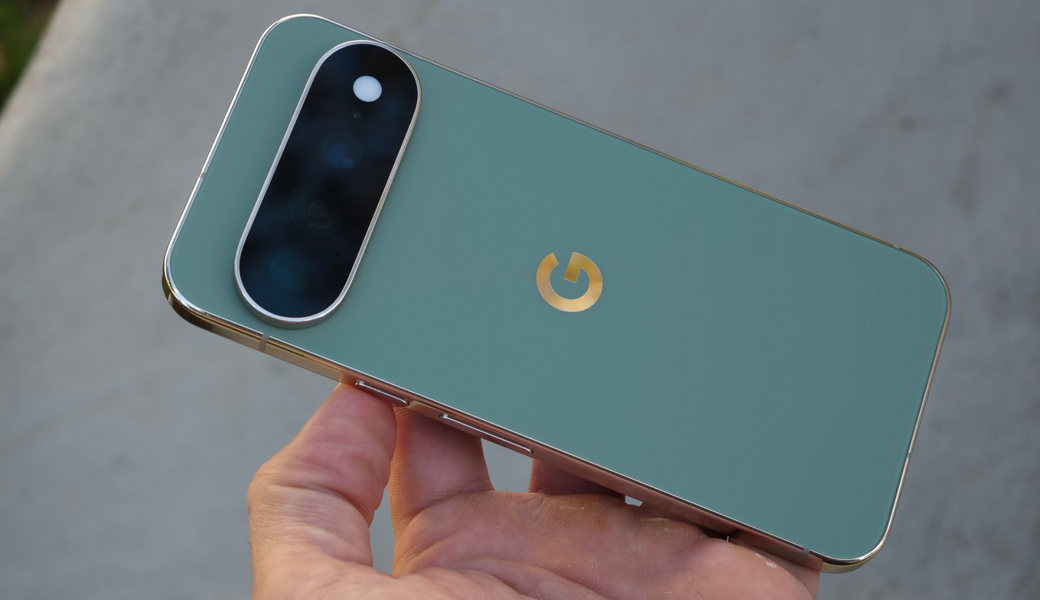
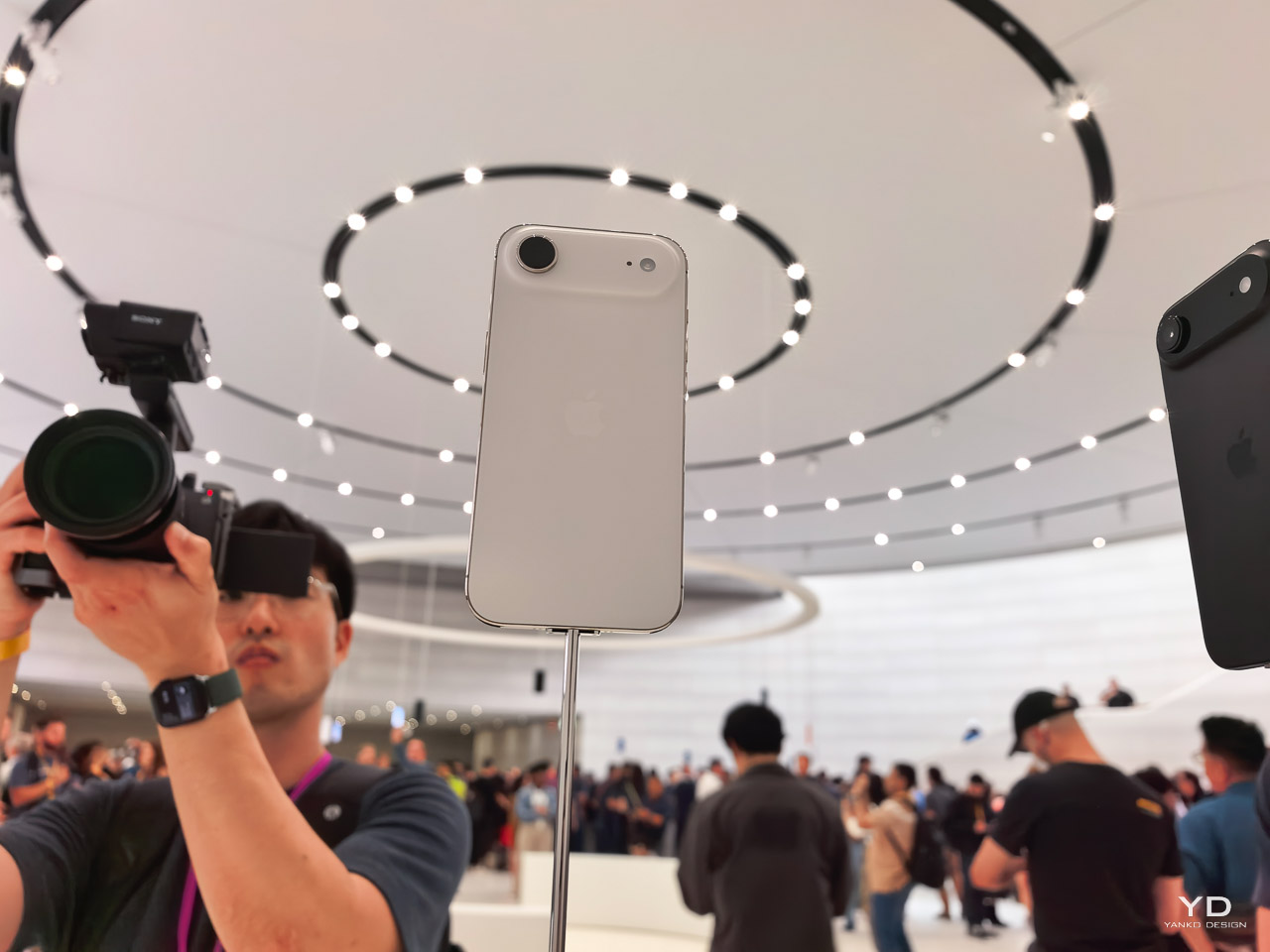
Price no longer breaks the tie. The iPhone 18 Pro Max and Pixel 11 Pro XL each start at $1,299 in the United States, and both begin at 256GB. Their difference is philosophical: Apple gives the photographer more direct control, while Google pushes more of the work into computation and AI-assisted capture.
Two different camera promises
Apple’s 48-megapixel Fusion Main camera introduces variable aperture with four manual settings, plus shutter-speed, white-balance and histogram controls. Google describes the Pixel 11 Pro camera as its best yet, with a new main sensor, a 48-megapixel 5x telephoto, up to 120x Pro Zoom and Night Sight processing that it says is up to 4.5 times faster.
Apple is the better fit when you want to choose how the image is made and maintain a consistent pro workflow. Pixel is the better fit when you want the phone to solve difficult lighting, zoom and timing with less intervention. Neither approach is automatically more accurate; compare skin tones, motion, shadows and fine detail in independent samples.
AI is useful when it shortens a real task
Google says Tensor G6 brings 50 percent more TPU compute and makes on-device AI up to 3.5 times faster while using up to 3.5 times less energy. Those claims matter only when features work reliably in the languages, regions and apps you use. Check whether a tool runs on device, sends data to the cloud or requires a paid plan later.
Apple’s A20 Pro emphasizes GPU speed, memory bandwidth and sustained performance. That may matter more for demanding games, long exports or pro camera work. For ordinary use, software design and service integration will be more visible than a chip chart.
Display and charging
Google rates the Pixel 11 Pro line’s Super Actua display up to 3,600 nits and adds Qi 2.2 Pixelsnap charging at up to 25 watts on supported models. It says the Pro XL can add 15 hours of battery in 15 minutes with compatible wired charging. Apple says the iPhone 18 Pro Max reaches 50 percent in about 15 minutes wired and up to 45 hours of video playback.
Those tests use different measures, so use them as direction rather than a winner. The most useful battery review replicates a normal day: camera, cellular data, navigation, streaming and standby. Brightness claims also depend on content and thermal conditions.
Security and longevity
Google pairs Tensor G6 with the Titan M3 security chip and says the Pixel 11 series supports seven years of updates. Apple does not state a matching year count in the launch material used here, so do not convert historical support into a guarantee. Instead, check the latest software compatibility and the expected length of ownership.
Both ecosystems provide strong account security options, passkeys and device-finding services. The better security choice is often the one you configure correctly: unique account password, multifactor authentication, recovery contacts or codes and current updates.
Choose Pixel for AI-led photography and Google services; choose iPhone for manual camera control and Apple continuity.
Who should buy which
Choose iPhone 18 Pro Max if a Mac, Apple Watch, AirPods, iCloud or iMessage already shapes your day, or if the variable-aperture camera and manual controls are tools you will deliberately use.
Choose Pixel 11 Pro XL if Google services, computational photography, telephoto reach and the explicit seven-year update promise matter more. Pixel also makes sense for buyers who want Android flexibility without Samsung’s broader software layer.
Before switching platforms, list the costs that do not appear in the phone price: watches, paid cloud storage, message history, family sharing, app purchases and accessories. A $1,299 phone can still be the cheaper choice when it preserves useful equipment — or the more expensive one when it forces a full ecosystem replacement.
Why this matters
The iPhone–Pixel choice is a contest between two interpretations of helpful software. Google emphasizes computational assistance and service intelligence; Apple emphasizes controlled integration and creative tools. The better phone is therefore the one whose automation matches the user’s tolerance for intervention, cloud dependence and workflow change.
How we got here
Pixel built its reputation by using software to overcome hardware limits, especially in photography. Apple relied on tight hardware-software coordination and a large accessory ecosystem. As sensors and processors converged, both moved toward AI, but their histories still shape which tasks they automate first and how much control remains visible.
Who benefits, who loses and what critics say
Google-service users and computational-photography fans may gain from Pixel’s defaults; Apple-device households gain from continuity and manual creative control. Cross-platform families can lose time to incompatible sharing and accessories. Critics argue AI features are temporary gimmicks; that is true when they fail unpredictably, but reliable automation can become infrastructure remarkably quickly.
What the comparison should measure
A camera score should distinguish stills, motion, low light, zoom, video and editing rather than average them into one winner. Price comparisons need storage parity and trade-in assumptions. The most revealing test is repeated use over several weeks: how often does automation save a step, and how often does it create a correction?
What happens next
The rivalry will move from generating features to controlling personal context across apps. The upside is more useful assistance; the risk is deeper data dependence and harder switching. Buyers should watch support length, on-device processing, export options and whether promised tools ship reliably in their language and region.
Primary sources: Apple’s official iPhone 18 Pro announcement and Google’s official Pixel 11 Pro and Pro XL announcement, checked September 17, 2026.