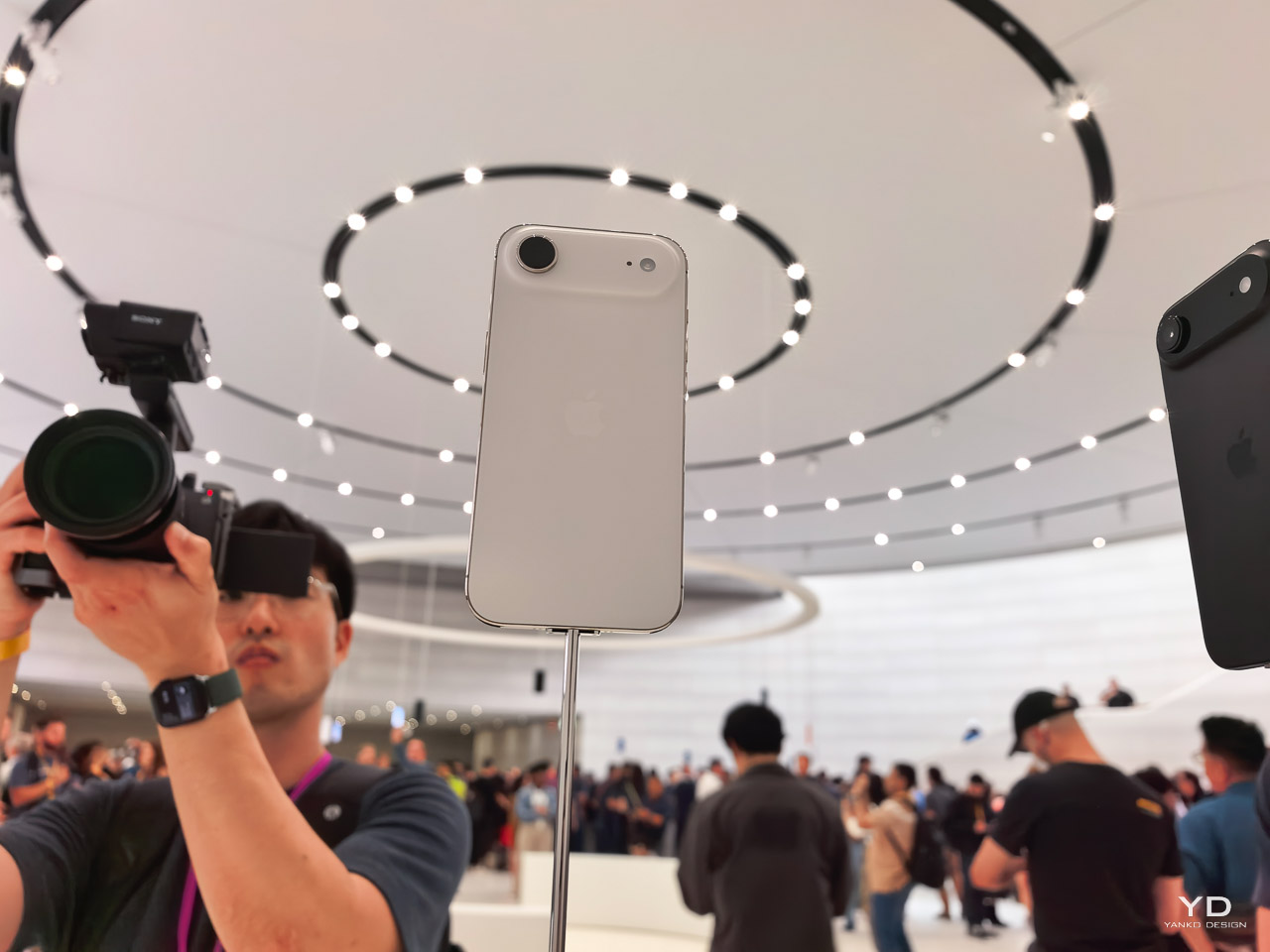
Apple scheduled in-store availability and the first pre-order deliveries for Friday, September 18, across more than 65 countries and regions. A second wave was set for September 25. Because the editorial cutoff was the evening of September 17 in Pacific time, claims about completed launch-day lines or store sellouts were still future-dated and could not be treated as confirmed.
Pre-orders had opened September 12 at 5:00 a.m. Pacific. By September 14, MacRumors reported that Apple’s U.S. online store showed delivery estimates of September 29 to October 6 for new iPhone 18 Pro orders and October 6 to 13 for Pro Max orders across colors and storage capacities.
What the delay does—and does not—prove
Slipping delivery estimates are evidence that early orders exceeded the inventory Apple had allocated for immediate shipment. They are not a sales total, and they do not reveal whether demand, production capacity or the mix of colors and storage options drove the delay.
Apple had not published store-level inventory or a universal walk-in policy before the launch. Anyone trying to buy on release day therefore needed to check the Apple Store app or local store page rather than assume a queue guaranteed stock.
Keep the calendars separate
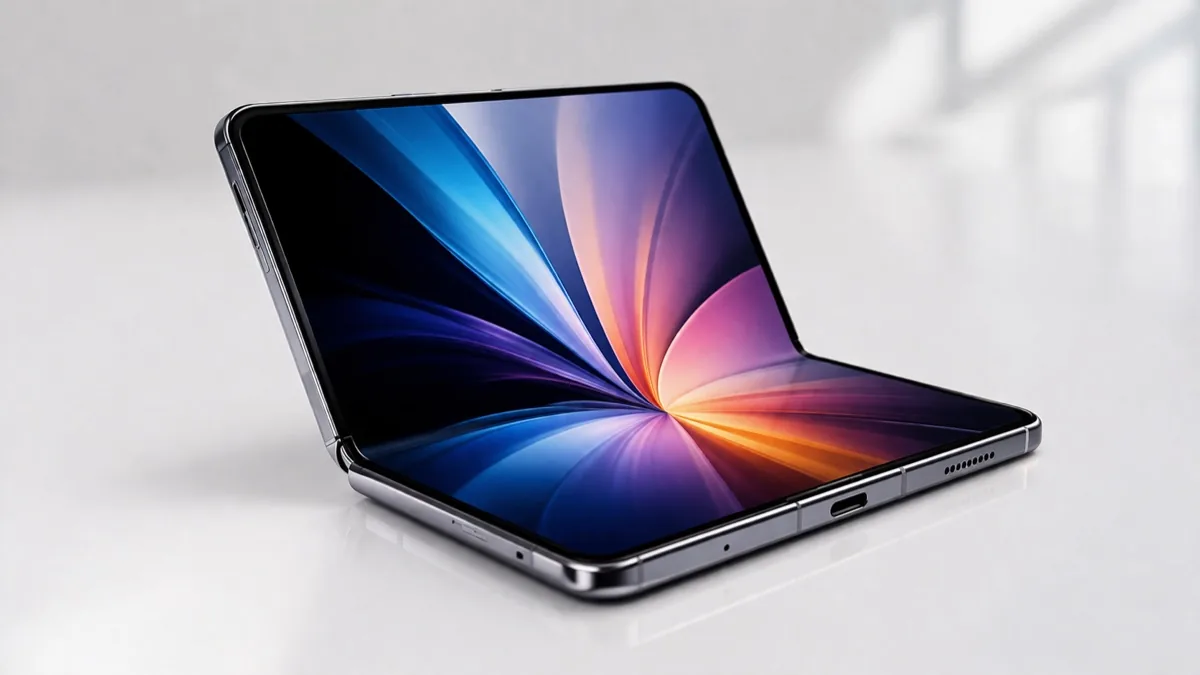
The iPhone 18 Pro and Pro Max start at $1,199 and $1,299, respectively. Apple’s foldable iPhone Duo follows a different calendar, with pre-orders in October. Treating the two launches as one event makes both availability stories less clear.
Before doors opened, the honest headline was constrained supply online—not a queue report from the future.
Why this matters
Launch demand is not just a popularity contest. It tells Apple how well price, product mix and supply planning matched the audience it created. For readers, the distinction between demand and scarcity prevents a delayed shipment from becoming automatic proof that a device is either a triumph or impossible to buy.
How we got here
Physical queues once served as Apple’s most visible launch metric, but preorders, pickup appointments and staggered regional rollouts moved much of the signal online. That changed the evidence: photographs of a line are local and theatrical, while delivery windows reflect the relationship between orders and allocated inventory. Neither is a complete sales report.
Winners, losers and the skeptical case
Apple benefits from urgency and from steering buyers toward available configurations. Early adopters with flexible color or storage preferences may secure devices sooner; shoppers attached to one model can wait longer or pay a resale premium. Critics reasonably note that constrained allocation can manufacture buzz, but without production and order data it is impossible to separate deliberate scarcity from genuine bottlenecks.
What the numbers actually imply
Preorders opened September 12, and by September 14 delivery estimates had moved to September 29–October 6 for Pro and October 6–13 for Pro Max. That is a two-day observation window and a delay of roughly one to more than three weeks beyond launch, depending on model. It implies near-term inventory pressure, not a final sales total, and the longer Pro Max window may reflect either stronger demand or tighter supply.
What happens next
The first useful post-launch evidence will be actual pickup availability, regional lead times and whether delays narrow or widen after the opening weekend. Fast normalization would suggest an allocation problem; persistent waits across configurations would strengthen the demand case. Later quarterly results may still obscure unit counts, so channel checks and product mix will remain imperfect but important clues.
Sources: Launch timing and country rollout from Fast Company; delivery estimates from MacRumors; store-stock limitations from MacObserver.