Hindu temple mass shooting plot: a 19-year-old Illinois man is in custody, charged after police say his own co-workers reported the messages, the manifesto and the tactical-gear photos that pointed to an Aurora temple on a Sunday morning.
Aurora Temple Plot / A co-worker's tip, a jammed rifle, a congregation that never knew
What police say happened
The case began, as interrupted-attack cases so often do, with somebody deciding that what they were seeing was not a joke. According to the Palatine Police Department, an individual contacted the Mount Prospect police about concerning electronic communications received from Paporakis. Palatine and Mount Prospect officers worked the case together, and on Sunday afternoon, October 11, they arrested him as he was leaving his home in Palatine, a northwest Chicago suburb.
What detectives say they found at the home is the core of the prosecution's case: a rifle, multiple loaded magazines and hundreds of rounds of additional rifle ammunition, a tactical vest holding body armor and a patch displaying imagery associated with white supremacist extremism. CNN, citing police and prosecutors, reported the rifle was an AR-style weapon without a serial number, and that the search also turned up a gas canister labeled with a slur aimed at South Asians and several items depicting Nazi symbolism.
And then there is the document. Police and prosecutors attribute to Paporakis an eight-page text whose title cast himself as an Aurora shooter and whose contents, in the police department's words, expressed white supremacist and extremist ideology, including violence directed at people of South Asian heritage, particularly people of Indian descent. A court document obtained by the Associated Press went further: prosecutors allege the document described Indian, Jewish and African American people in dehumanizing terms and laid out a plot to kill as many of them as possible.
The Sunday timeline investigators are working from
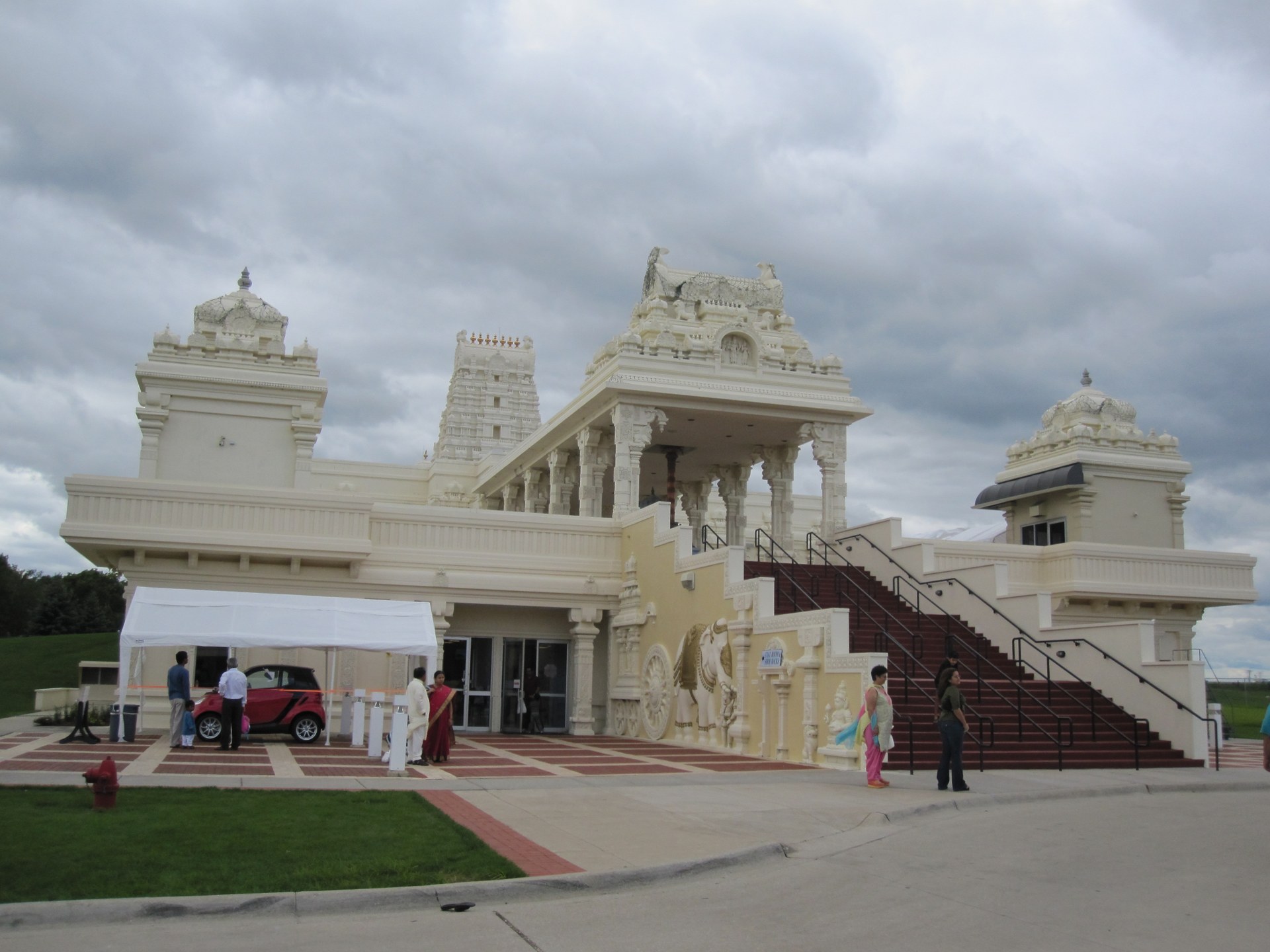
Prosecutors allege the messages to co-workers were not abstract. He had told them, they say, that Sunday was going to be a special day, and detectives believe that Sunday — October 11 — may have been the day he intended to act. Prosecutors say he called one co-worker earlier that day and said his gun had jammed and that he had left, quickly and unseen. Where exactly that alleged attempt unfolded has not been publicly established, and police have been careful on the point: officers believe a Hindu place of worship in Aurora was the target — investigators have pointed to the largest Hindu temple in Aurora — but the specific intended location has not been confirmed.
Two things filled that gap this week. The Sri Venkateswara Swami (Balaji) Temple in Aurora, the city's large Hindu temple, told its devotees on its official site that a recent security threat had targeted the temple, that it was in direct communication with the Aurora Police Department, and that it had put additional measures in place immediately, including an increased armed security presence. And on October 15, the area's member of Congress made the threat personal.
The congressman inside
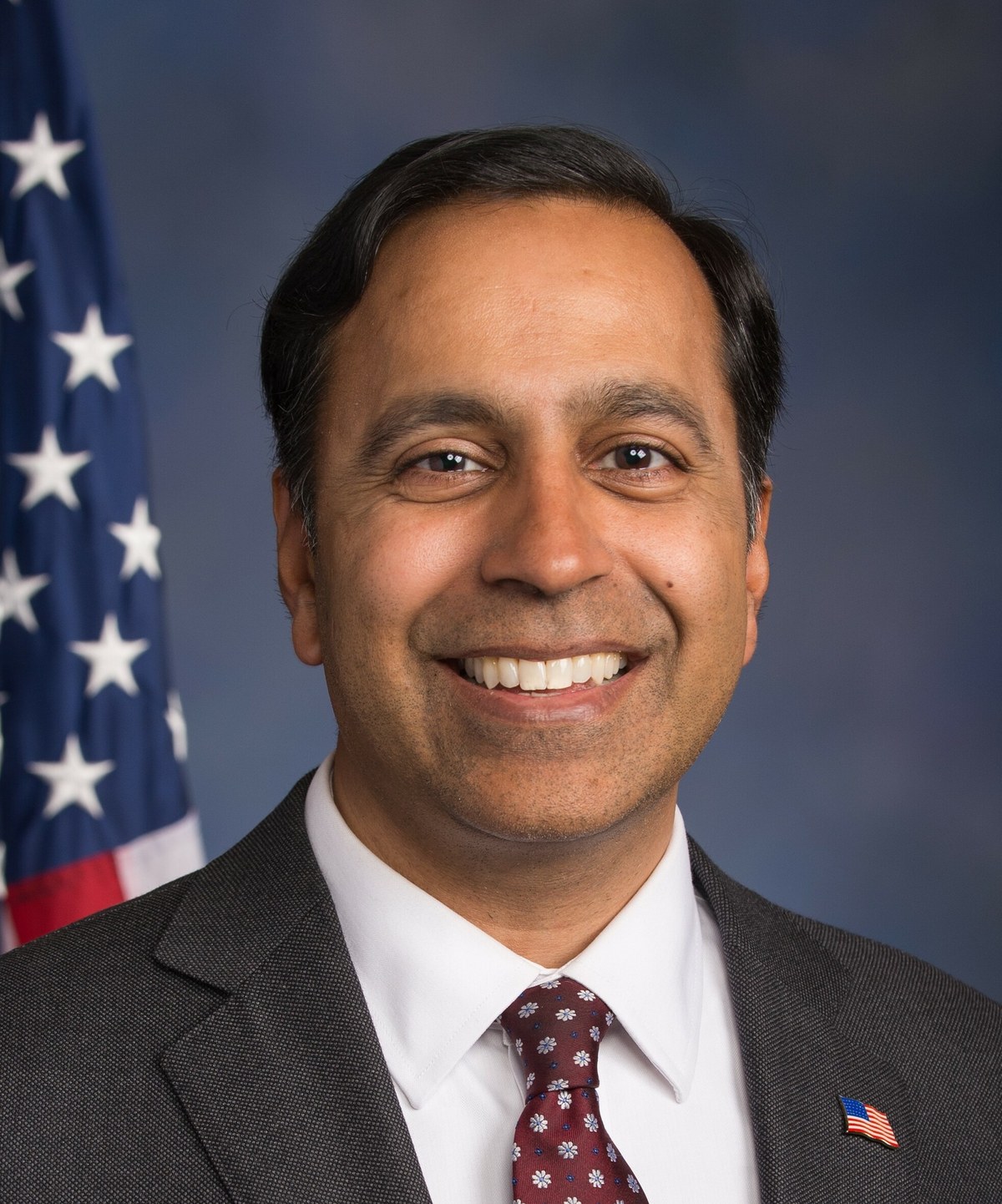
Rep. Raja Krishnamoorthi, the Illinois Democrat whose district sits just northwest of Chicago, wrote on October 15 that he and his family were worshipping at their Hindu temple in Aurora that Sunday when, in his words, a white supremacist attempted a mass shooting targeting Indian Americans. He said he was grateful to those who helped prevent a tragedy and urged people to confront the hatred behind it. USA TODAY noted that neither the police information nor the congressman's post suggests he was singled out personally — he was, on the allegation, simply one worshipper among a congregation that never knew how close the morning may have come.
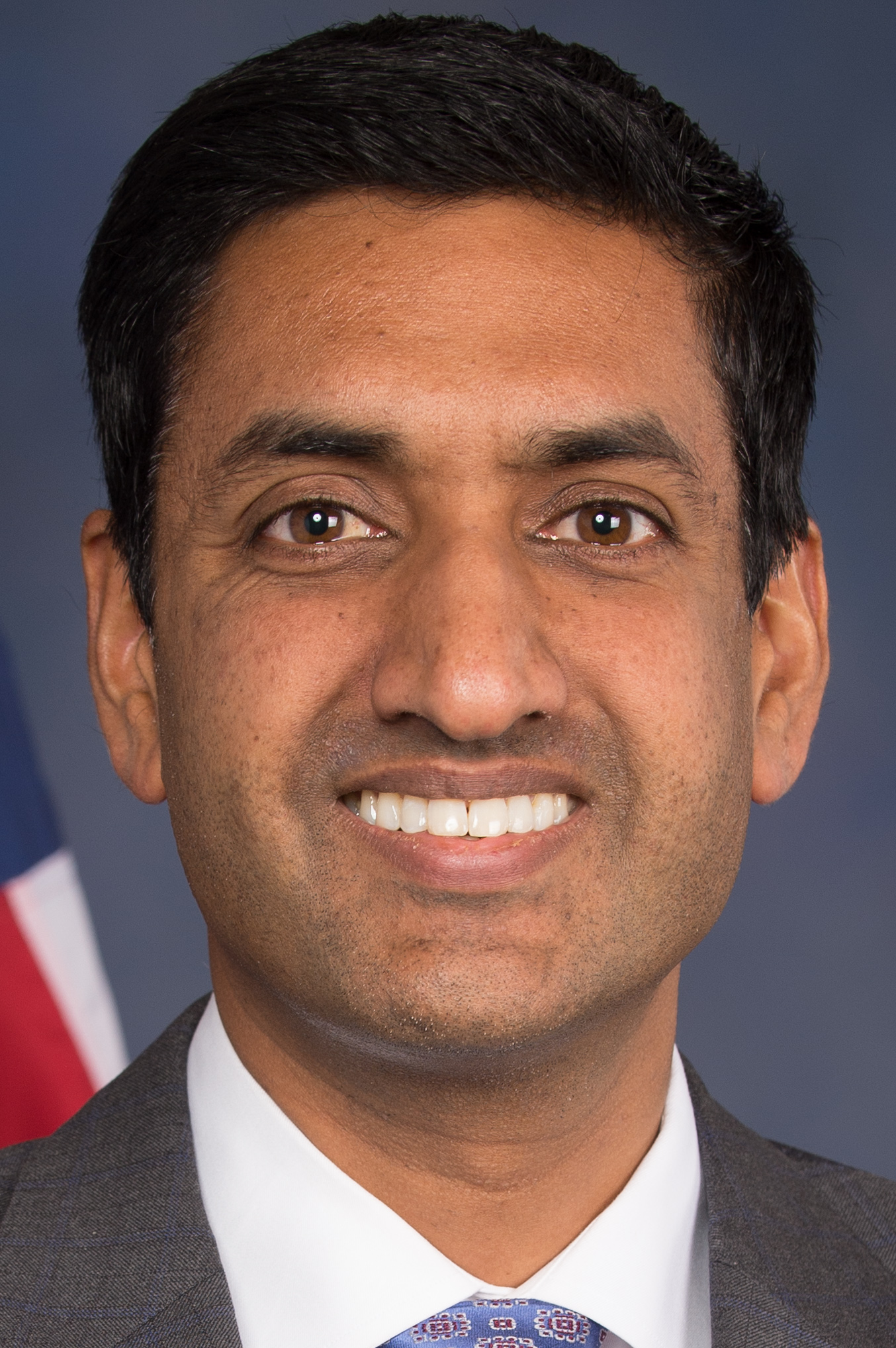
The reaction crossed party lines quickly. Rep. Darin LaHood, an Illinois Republican, said he was deeply disturbed by the attempt and grateful that his colleague, his family and everyone else were safe, calling a place of worship a sacred space where families should be able to gather without fear. Rep. Ro Khanna of California, writing as a Hindu American, expressed anger at the alleged attempt and pointed to Hinduism's teaching of non-violence. The Hindu American Foundation commended law enforcement for acting swiftly. Palatine Police Chief William Nord put the department's position plainly: the seriousness of the alleged threat, he said, cannot be overstated, and protecting places of worship is a law-enforcement priority. The FBI's Chicago Special Agent in Charge, Ryan Whalen, said in the department's release that the bureau works with local and state partners against violence driven by radical ideologies, and FBI Chicago assisted the two departments after the arrest.
Why this matters
Start with the mechanism that stopped it, because it is the same mechanism that has stopped a striking share of interrupted plots in recent American history: not surveillance, not a tip line in the abstract, but a specific person — here, co-workers at a fast-food job — reading messages that crossed a line and deciding to call the police. Everything else in this case, the arrest before any shot was fired at a congregation, the search warrant, the manifesto entered into a court file instead of read aloud at a memorial, follows from that one decision. Prevention campaigns tend to speak in slogans. This case is a reminder that the slogan, in practice, is a 19-year-old's colleague picking up the phone.
Second, consider what the allegation says about how plots now announce themselves. Prosecutors describe a suspect who, at work, openly identified with white supremacist ideology and spoke about wanting to kill Indian people; who sent co-workers a document outlining a plan and photographs of tactical gear. If those allegations hold, the warning signs were not hidden in an encrypted corner of the internet — they were performed, in person, in a workplace, for an audience. That pattern, ideology as identity displayed to peers, is precisely why bystander reporting matters and why it is so difficult: the people best placed to see it are the people who have to work alongside it every day.
Third, there is the temple's dilemma, and it now belongs to every house of worship in America. A temple is built to be open — to devotees, to visitors, to elderly parents brought by their children on a Sunday. Balaji Temple's own response shows the new arithmetic: keep the doors open and add armed security, immediately, as a standing condition of worship. In Aurora's Indian-American community, as the American Bazaar reported this week, the temple is the first place families take visiting parents from India; the news that it may have been targeted landed, in one congregant's words, like danger knocking at the door of the safest-feeling place they knew. Security can harden a building. It cannot give back the assumption that a house of worship is outside the country's arguments about hate — that assumption is what an alleged plot like this one spends, whether or not a shot is ever fired.
Balance: what is alleged, what is known, what is not
The charges are allegations. Paporakis has not been convicted of anything; the manifesto, the statements to co-workers and the meaning of the items seized will be tested by defense counsel and a court, and reporting so far contains no comment from a lawyer for him. Police have not confirmed which temple was targeted, even as the Balaji Temple says a threat targeted it and a congressman places an attempt at his Aurora temple on the same Sunday. No injuries have been reported, and no source has established that a shot was fired at any worshipper. Those limits are not fine print — they are the honest shape of the story on October 16, and they are why every plot detail in this article is attributed to the police, prosecutors or the temple rather than asserted.
What happens next
Paporakis appeared at a detention hearing on Wednesday, October 14, at the Cook County courthouse in Rolling Meadows, where a judge ordered him to remain in custody. His next court appearance is scheduled for October 30. He faces one felony count of making a terrorist threat and one felony count of unlawful possession of weapons. Police say they worked with the FBI and reached out to Hindu places of worship in the area, and they have identified no known ongoing threat to the public — while the investigation, and the question of whether more charges follow, remains active. Watch three things: whether prosecutors name a specific temple in a future filing; whether federal charges are added to the state case; and whether the temple's added armed security becomes permanent, because that decision, repeated at houses of worship across the country, is the lasting footprint of plots that are stopped in time.
Related coverage: Bend, Oregon Silver Rail Elementary School shooting · Belleville synagogue shooting suspect dies
Sources
CNN — October 15, 2026 (arrest and charges; manifesto allegations from a court document obtained by the Associated Press; home search; detention ruling; October 30 court date). USA TODAY — October 16, 2026 (Palatine Police Department press release; FBI Chicago assistance; Krishnamoorthi, LaHood and Khanna statements). Sri Venkateswara Swami (Balaji) Temple — official statement, October 2026 (threat targeted the temple; Aurora Police coordination; added armed security). American Bazaar — October 16, 2026 (Aurora Indian-American community reaction). Palatine Police Chief William Nord and FBI Chicago Special Agent in Charge Ryan Whalen, quoted in the Palatine Police Department release.